Posted on Leave a comment

Which human foods can dogs eat?

Dog with carrot pet medicine pharmacy

Which human foods can dogs eat?

Dogs have a different digestive system from humans. This means that some foods that are safe for people can be harmful or even very dangerous for dogs.

However, many human foods are also safe for dogs and can provide important nutrients and health benefits.

Here, we look at which people foods are safe for dogs and which not to feed them.

So, which human foods can dog eat?

While many people foods are safe for dogs, they should generally only eat in them moderation.

Human foods that are safe for dogs include:


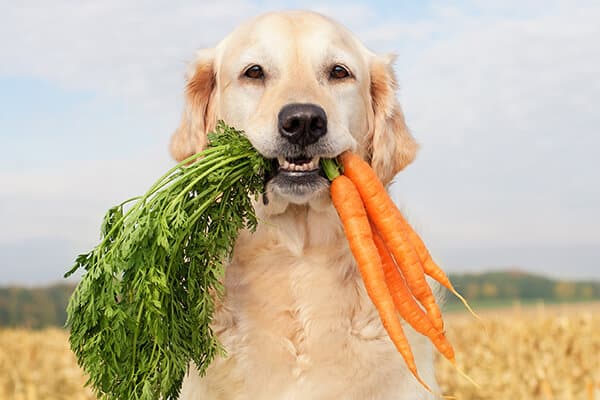
Carrots

Carrots are a healthful food for dogs. Chewing on carrots can help remove plaque from their teeth and otherwise promote good dental health.

Carrots are also a good source of vitamin A, which is beneficial for a dog’s immune system, skin, and coat.

However, too much vitamin A can be toxic, so feed a dog carrots in moderation.


Applesdog eat apples
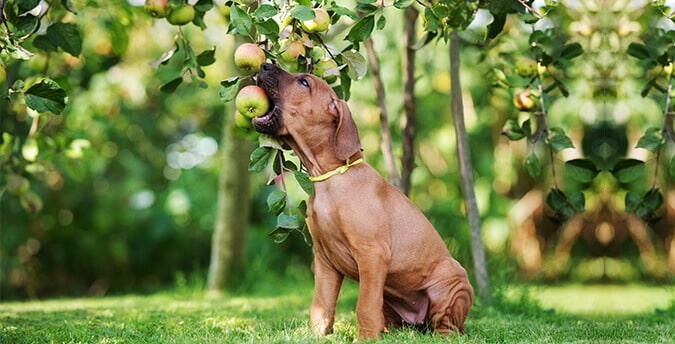
Apples provide many important vitamins for dogs, including vitamins A and C.

Apples are also a good source of fiber, which can help regulate a dog’s digestion. However, eating rotting apples can lead to alcohol poisoning in dogs.


White riceWhite rice

Cooked, plain white rice can be a good option for a dog with an upset stomach, as it is easy to digest and helps bind stool.

White rice can cause blood sugar levels to rise, however, so dogs with diabetes should only eat it in small amounts.


Dairy productsDairy products

Dairy products, such as milk, cheese, and plain yogurt, are safe for dogs to have in very small quantities.

Eating too much dairy can cause digestive problems. This is because dogs have low levels of lactase, a digestive enzyme that breaks down the sugars in milk.

Dogs with lactose intolerance should not eat dairy products. Signs of lactose intolerances include diarrhea or vomiting after consuming anything that contains dairy.


Fishdog eat fish
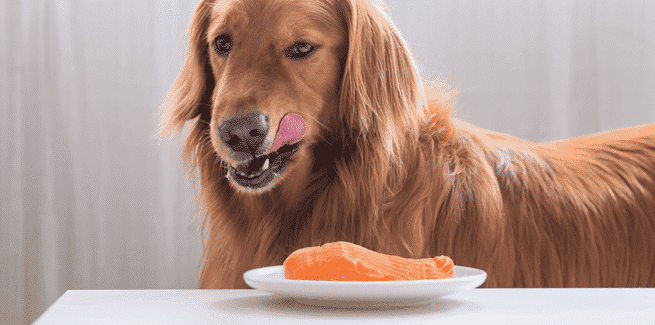
Salmon, shrimp, and tuna are all safe for dogs to eat and good sources of protein.

Salmon and tuna are rich sources of omega-3 fatty acids, which can help keep a dog’s immune system, coat, and skin healthy.

The B vitamins in shrimp can also help maintain a dog’s digestive system and promote healthy blood circulation.

It is important to cook fish before feeding it to a dog, as uncooked fish can contain harmful parasites.


Chicken

Plain, boiled chicken with no seasoning is a good option when a dog has an upset stomach.



Peanut butter

Unsalted peanut butter with no added sugar or sweeteners is safe for dogs to eat in moderation.

Peanut butter contains many beneficial elements, including vitamins E and B, niacin, healthful fats, and protein.

However, it is vital to check that the peanut butter does not contain a sweetener called xylitol, which is highly toxic to dogs.

Anyone who suspects that their dog has ingested xylitol should immediately contact a veterinarian or call an Animal Poison Control Center.

 

Plain popcornPlain popcorn

Plain popcorn, without salt, butter, or sugar, can be a nutritional treat for dogs.

Popcorn contains minerals such as magnesium, phosphorus, and zinc, which are all important for keeping dogs healthy.

Make sure dogs do not eat any unpopped popcorn kernels, as this could cause them to choke.


PorkPork

Unseasoned, cooked pork is safe for dogs to eat.

However, they should only consume small portions of pork, as the high fat content is hard for dogs to digest, and it can cause inflammation and pancreatitis.

Refrain from feeding dogs bacon or processed ham, due to the high salt contents.


Turkey

Cooked turkey is safe for dogs to eat, but it should be plain and unseasoned. Many commercial dog foods contain turkey, as it is a good source of protein.

Before giving cooked turkey to a dog, remove the fat first. Too much fat can cause pancreas issues in dogs.


Blueberriesdogs-eat-blueberries
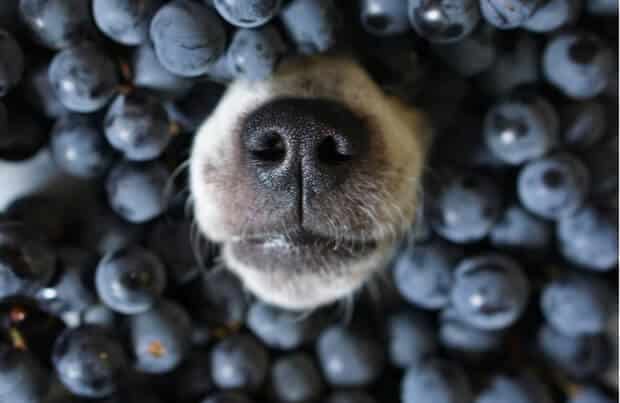
Blueberries are safe for dogs to eat and a rich source of fiber, antioxidants, and phytochemicals, which can provide a range of health benefits for dogs.

Research from 2012 suggests that antioxidants may help improve age-related issues in older dogs.


Bananas

Dogs can eat bananas in moderation. They are full of magnesium, which is important for good bone health.

Due to their high sugar content, bananas should only be an occasional treat for dogs.


Cucumbers

Cucumbers are a safe, low-calorie snack for dogs, and they can be a good option for those who are overweight.

Cucumbers also contain plenty of vitamins and minerals, such as vitamin K.


Green beans

Plain green beans are a good, healthful snack for dogs. They are a source of protein and also contain calcium, iron, and vitamin K.

Dogs can eat green beans cooked or raw. However, avoid seasoning and chop up the beans first to prevent choking.


Watermelonjack-russell-terrier-eats-watermelon
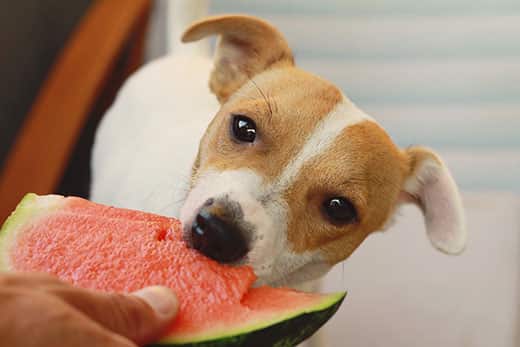
Watermelon is safe for dogs to eat, but it is important to remove all the seeds first, as these can block the intestines.

Chewing on the rind can also cause an upset stomach, so remove this too before giving the watermelon to a dog.

Watermelon has a high water content, so it can help keep dogs hydrated. It is also a good source of vitamins A, C, and B-6.


Which foods can harm dogs?

Some foods that are perfectly safe for humans can cause problems or illness in dogs.

Anyone who suspects that their dog has eaten something toxic should call a veterinarian or Animal Poison Control Center immediately.

Avoid giving a dog:


AvocadoAvocado

Avocados contain a substance called persin, which is toxic to dogs and can cause vomiting and diarrhea.


Cherries

Cherry pits contain cyanide, which is poisonous. They can also be a choking hazard or block the intestines if a dog swallows them.

 

Chocolate, coffee, and caffeine

Never give chocolate, coffee, or anything containing caffeine to dogs.

These products contain chemicals called methylxanthines, which are highly toxic to dogs. The chemicals can cause vomiting, an abnormal heart rate, seizures, and sometimes death.

Chocolate treats are available for dogs, but these contain a special chocolate substitute that is safe for them to eat.


Raisins and grapes

Grapes, raisins, sultanas, and currants are all highly toxic to dogs. Even small quantities can cause kidney failure and, in some cases, death.

Also, refrain from giving dogs any product that may contain these foods, such as fruit cake or malt loaf.


Citrus fruits

Citrus plants and their fruits, such as oranges and lemons, contain citric acid. While eating small amounts of the peeled fruit is okay for some dogs, it can cause an upset stomach.

In larger quantities, citric acid can lead to nervous system depression.


Cinnamon

Although not toxic, large amounts of cinnamon can cause vomiting, diarrhea, and liver disease in dogs.


Coconut products

Dogs should not drink coconut water, due to its high levels of potassium.

A person should also limit how much coconut oil or flesh they give their dog, as these foods can cause upset stomach or diarrhea.


NutsMacadamia nuts
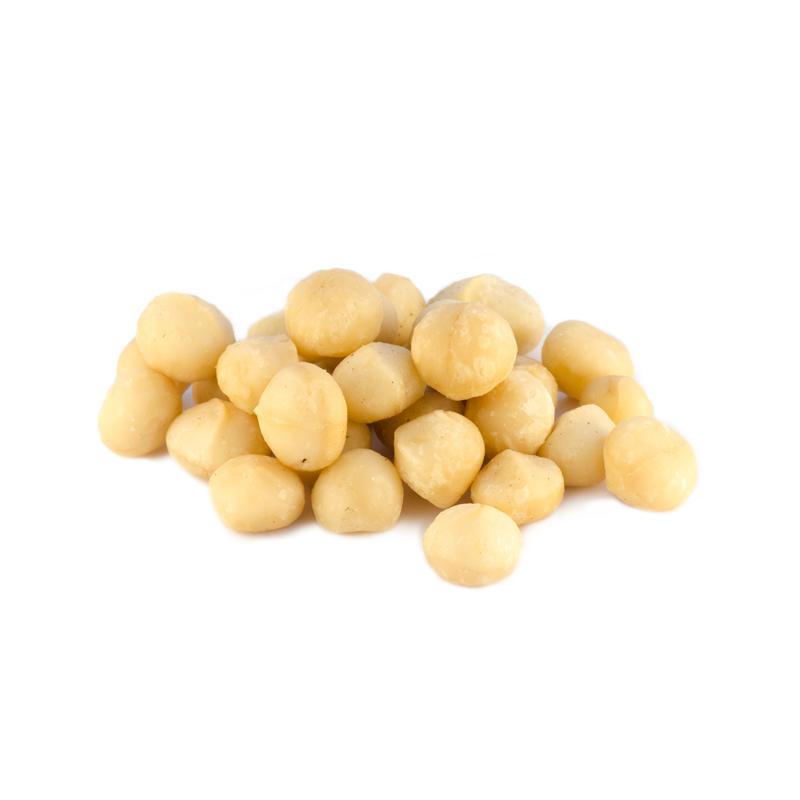
Avoid giving nuts to dogs.

Macadamia nuts are poisonous to dogs and can cause muscle weakness, vomiting, lethargy, and hyperthermia.

Other types of nuts can cause dogs to choke.


Ice cream

Dogs should not eat ice cream, due to its high sugar content. Also, some dogs are lactose intolerant.


Onions, garlic, and chives

Onions, garlic, and chives are all part of the Allium genus. They contain substances called organosulfoxides, which are toxic to dogs and may lead to vomiting, diarrhea, and stomach pain.

Organosulfoxides can also cause anemia in dogs.


Raw or undercooked meatRaw or undercooked meat

Raw meat can contain Escherichia coli and Salmonella, which are types of bacteria that can cause food poisoning in dogs and humans. Cooking the meat properly kills the bacteria.

In recent years, certain manufacturers have promoted the benefits of raw meat for dogs, and some boutique products contain it.

It is important to understand that raw meat diets pose health risks to dogs and may not provide a complete nutritional balance.


Raw eggs

Eating raw eggs can lead to biotin deficiency in dogs, which may affect the health of their skin and coat.


Salty foods

Too much salt can cause excessive thirst and urination in dogs, as well as sodium ion poisoning.

Symptoms of this poisoning can include:


  • vomiting
  • diarrhea
  • involuntary shaking, or tremors
  • high temperature
  • seizures


XylitolXylitol

Xylitol is a sugar substitute that manufacturers add to a variety of human foods.

However, xylitol is highly toxic to dogs. It can cause liver failure and dangerously low blood sugar levels.


Bread doughBread dough

While bread is generally safe for dogs, the dough can be very dangerous.

The yeast in dough can cause it to keep expanding inside the dog’s stomach, which can cause bloating and lead to dangerous complications. The yeast also produces ethanol, and this can cause alcohol poisoning.


Alcohol

Never give a dog alcohol or products containing it. Alcohol is very dangerous for dogs and can lead to a range of serious complications, including coma and death.


Summary

Many human foods are safe and nutritious for dogs. However, a person should generally feed dogs these foods in moderation, as larger quantities can lead to health issues.

Consult a veterinarian before giving human foods to dogs with:


  • diabetes
  • weight issues
  • food sensitivities
  • liver or kidney disease
  • other health concerns

It is crucial to keep any foods or substances that are dangerous for dogs out of their reach.

Foods that are especially harmful to dogs include:


  • anything containing alcohol
  • chocolate, coffee, and caffeine
  • products containing xylitol

If in doubt about a particular food, speak to a veterinarian before giving it to the dog.

Anyone who suspects that their dog has ingested something potentially harmful should immediately call a veterinarian or an Animal Poison Control Center for advice.
Posted on Leave a comment

Dogs can get heatstroke, too. Here’s which breeds are most at risk

pug dog pet pharmacy

Dogs can get heatstroke, too

Excessive panting on hot, humid days is one warning sign.

dog heatstroke

As the days grow hotter, some dog owners may need to take extra precautions to protect their pets from potentially fatal heatstrokes, a study published Thursday suggests.

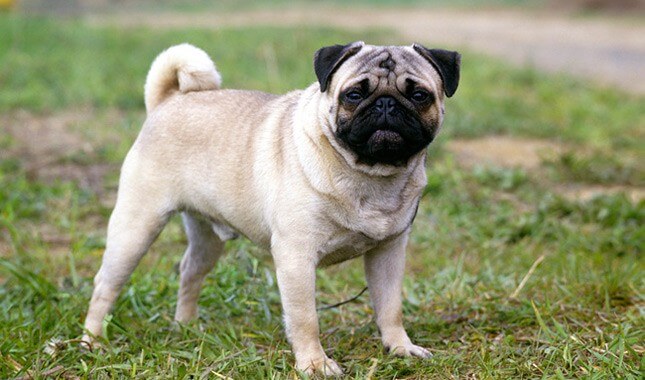
British researchers determined that certain breeds, as well as those that are older and/or overweight, may be more likely to suffer from the heat-related illness than others. In general, most at risk are dogs that weigh more than 110 pounds, and also breeds with flat faces — such as pugs and French bulldogs — according to the study in Scientific Reports.

The breeds identified at the highest risk of heatstroke were:

  • Chow chow
  • Bulldog
  • French bulldog
  • Dogue de Bordeaux
  • Greyhound
  • Cavalier King Charles spaniel
  • Pug
  • Golden retriever
  • Springer spaniel

Chow chows, for example, were 16 times more likely to develop heatstroke compared to Labradors.

“I would recommend all dog owners consider if your pet is at increased risk of heat stroke,” said Emily Hall, the lead author and a senior lecturer in veterinary nursing science at Nottingham Trent University in the United Kingdom. “Are they overweight? Are they a giant breed? Are they elderly? Are they one of the breeds identified as having a higher risk?”

If your dog is at higher risk, you should know the signs of overheating, she said in an email. That way “you can act promptly in an emergency [and also] really take care in warm weather to avoid putting any dog at risk of this potentially fatal condition.”

Signs that a dog is overheating include excessive panting, vomiting, excessive drooling, bloody diarrhea and if it collapses, said Dr. Kenneth Drobatz, a professor and the chief of the section of critical care in the department of clinical sciences and advanced medicine at the University of Pennsylvania School of Veterinary Medicine. Drobatz was not involved with the new research.

To take a closer look at the risk of heatstroke, Hall and her colleagues scoured records from veterinary care practices in the U.K. Out of a total of 905,543 dogs, 395 had confirmed heat-related illness events and 56 died.

Flat-faced breeds, such as bulldogs, are especially vulnerable because their breathing is compromised by the shape of their skulls, Hall explained.

“Dogs use panting to cool down, which works by passing air over the nasal passages allowing evaporative heat loss,” she said. “Dogs with shorter muzzles (brachycephalic breeds) have less area to allow heat loss.”

These dogs also tend to have narrowed airways, which means the dog has to work harder to pant, she said.

Prevention is key

Dog owners should pay careful attention on hot, humid days because dogs will keep going even as they are overheating, Drobatz said. “They will keep exercising till they drop.”

“Prevention is more important than anything else,” he said. “You need to recognize these dogs are at risk and should not go out in a hot humid environment.”

Sometimes dogs get into trouble because of their enthusiasm for play, said Dr. Daniel Fletcher, an associate professor of emergency and critical care at the Cornell University College of Veterinary Medicine.

“The ones with excited, active personalities will just go and chase the ball and chase the ball and chase the ball,” he said. “You don’t realize they are in trouble till it’s too late. They’re a little too good to us, to their own detriment sometimes.”

Dogs that are panting excessively should be taken to a cool area and ideally doused with water at room temperature, Fletcher said.

“If the dog is not back to normal breathing in 15 minutes it’s a good idea to get the dog to a vet,” he added. “If the dog’s temperature goes above 107 or 108, you can get damage to the organs and the dog’s ability to make blood clots.”

Even if the dog appears to have returned to normal, the owner should be watchful, Fletcher said. “Sometimes they may initially seem to go back to normal, but in a couple of hours or a day the dog might develop kidney failure or respiratory or heart issues,” he said.

Owners should be aware of signs including “lethargy, vomiting, diarrhea, blood in the stool, dark stool, or bruising or pinpoint red spots seen on the skin,” Fletcher said, adding that these symptoms necessitate a trip to an emergency vet. 

In our store you can buying dog vaccinations and buy dogs heart vaccines online. 

Posted on Leave a comment

British family offer £4,000 reward after 17 dogs and puppies stolen from kennels

lost dogs online pet pharmacy homelabvet

A family is offering £4,000

 as a reward for finding their two pets, which were among a haul of 17 dogs and puppies stolen from a kennels. Melissa Murfet and Darren Neal dropped their three dogs Annie, Betsy, and Storm off at the kennels last Thursday, before heading off with their four children to their holiday lodge for the weekend. But just hours later, that evening, the couple got a call to say that the animal care centre had been broken into – and Annie and Betsy were among 17 dogs stolen. The daytime raid on Fiveways Boarding Kennels and Cattery in Barton Mills, Suffolk, saw 13 puppies stolen – some of which were not yet old enough to be apart from their mothers.

Seventeen dogs and puppies were stolen from a kennels (Picture: SWNS)

The devastating theft has forced the family kennels to close its doors, as Suffolk Police investigate the incident and appeal for witnesses to come forward. Meanwhile, Melissa and Darren are offering £2000 each for the safe return of chocolate-coloured cocker spaniel Annie, and grey and white cockapoo Betsy, to their home in Chippenham, near Newmarket.

In a post on Facebook, Melissa, 39, wrote: ‘We need to get them home.’ ‘We know they will be scared and anxious if they are not together and not with people who love them. ‘We are worried about what conditions they are being kept in and know they will be scared. ‘They are much loved and missed family pets by us and our children, who are also distraught that someone has them.’ Melissa added: ‘More dogs and puppies were also stolen from the kennels on Thursday when Annie and Betsy were taken, and dogs from another local kennel were stolen on Friday. ‘This was a well established, secure, safe kennels where the owners love our dogs as much as their own. ‘This has to stop. These low lives know exactly what they are doing but they don’t understand the devastation for our families.

‘We are offering £2000 for each dog, no questions asked. Please return them or release them to be found and returned home.’ Sarah Francis, who runs Fiveways Kennels with her husband and daughters, has described the dog thieves as ‘vile people’. She told a local newspaper: ‘They see them as just a financial gain, they don’t see them as our forever friends or beloved pets. ‘One of the litters they stole they left the mother behind and now it is likely they won’t survive without her there to feed and support them. ‘These kinds of people won’t be giving the puppies the round-the-clock care they need.’ As well as Annie and Betsy, the stolen dogs included two female Lhasa apso dogs – one black and white, one honey and white coloured. Seven lhasa apso puppies were also stolen – one honey-coloured and three black and white-coloured males, and two black and white-coloured females.

And a litter of six, five-week-old Labradors – two yellow-coloured males, two black-coloured males, and two black-coloured females – were also taken from Fiveways Kennels. Suffolk Police believe the incident took place on July 9, some time between 3.45pm and 7.10pm. They believe the thieves entered the kennels from fields at the rear of the site, and removed hinges from gates to steal the dogs. The dogs were housed in a purpose-built kennel on the site. Police say another dog was also recently stolen in the area on July 6. The cocker spaniel, named Penny, was taken at some point between 1pm and 2.20pm, from the garden of a farm in Holywell Row. The dog was left in a pen enclosure in the garden. She has black fur with a white bib and lip markings. Police are investigating both incidents and have not ruled a connection between the two. Anyone with any knowledge of either theft, or knows of the whereabouts of any of the dogs, should contact Mildenhall police.

Posted on Leave a comment

Firefighters document the dramatic rescue of a puppy trapped in a drain

firefighters online pet pharmacy homelabvet

Firefighters in southeast Texaslassoed and rescued a wayward puppy

that had become trapped in a sewer pipe on Friday, authorities said.

firefighters

The hour-long animal emergency operation unfolded in Atascocita, about 25 miles outside of downtown Houston, where the pooch fell down the exposed pipe, officials said.

The line ran about seven feet deep before it curved, stopping the puppy’s fall and allowing firefighters the chance to painstakingly wrap rope around it, Battalion Chief Vincent Rodriguez told NBC News.

“It was a very small puppy and it was very scared,” said Rodriguez. “We were getting a little worried for a while, but those guys (firefighters) remained calm and got the job done.”

Firefighter Keith Sagray “lassoed” the pup, Rodriguez said, while Jennifer Hannon shined a light down the long, six-inch-wide pipe and rookie Colin Kuykendahl handed out all the tools during his first day on the job.

The department live tweeted the operation, commenting “so close” during near misses before finally declaring: “PUPPY RESCUED!!!”

Firefighters told the relieved puppy owners to place chicken wire over the hole, and then call the city to have the opening permanently filled.


Posted on Leave a comment

What information you need to know before bringing home your new pet ?

labrador my pet veterinary prescriptions online

Bringing home a new pet

In the past couple of months, pretty much everyone I know has chosen to foster or adopt a pet. Most were prompted by a gut need for unconditional love and companionship. So, it’s no wonder that dog and cat fostering and adoption levels are at an all-time high. Kelly DiCicco, manager of adoptions promotions at the ASPCA Adoption Centre, says “there’s no doubt that the response from people across the country willing to open their homes to animals in need during this challenging time has been enormous and unprecedented.”

But as tempting as it may sound to have a furry friend to comfort you these days, there is much to consider before you bring an animal into your home, not least of which is the fact that animals will forever be dependent on you; unlike kids, who eventually (you hope!) fend for themselves, you will always need to feed, discipline and clean up after your pet.

Pat Miller, a certified professional dog trainer and behaviour consultant and the director of Peaceable Paws Academies in Fairplay, Maryland, says she sees too many people getting pets without thinking through all that it entails – a phenomenon not unique to the pandemic. “Happens all the time. We are just seeing more of it now because so many people who are sitting at home with nothing to do are deciding it’s a good time to get a pet.”

Miller says that before you get a pet, you must make sure everyone in your home is on board. That doesn’t mean everyone in the house needs to be responsible for taking care of the pet, but there needs to be some level of universal agreement around having the pet.

“Animals do not need to come into an environment where there is conflict over their presence,” she says. She suggests setting clear guidelines and rules of what the pet is allowed to do – and not do – in advance. Questions to consider: is the animal allowed on the furniture? Where will the animal sleep? Who is going to clean up, walk and feed the animal? Who is the primary trainer? What happens when everyone goes back to school and back to work? “The more you think through ahead of time, the less conflict and confusion there is for the animal.”

Miller also suggests finding a vet, groomer, pet sitter (you’ll need one someday!) and trainer before bringing an animal home. Interview them about their methods and determine whether they are on the same philosophical page as you. For example, Miller is a force-free trainer; she is adamant about not using pain coercion in training, but there are others, she says, who are not.

Other prep work to do: purchase supplies in advance, and set everything up before the pet’s arrival. DiCicco’s must-have list for cats: a collar, litter and litter box (make sure you have a spot to put them), food, toys and bowls. For dogs: a leash, collar and harness, bed, food, toys, bowls and crate.

DiCicco says you also need to make sure that your home is safe before and after you bring your pet home. Remove all items from the floor that could be eaten or chewed, and keep electrical wires out of reach. Also, check that your house plants are safe. The ASPCA has compiled a list of plants that are toxic to animals that should be removed from your home or put out of reach (aspca.org). Other potential pet hazards: vertical blinds, curtains that pool on the floor, tassels and long cords.

If you are adopting/purchasing a cat, install high-quality metal screens on all windows. And keep in mind that cats are excellent climbers, so pet-proofing for a cat means more than just keeping the floor area safe; move plants and fragile objects to a protected area. For kittens, DiCicco says to block any small hideouts where the kitten could escape or get stuck, including around and underneath appliances.

Because scratching is a natural behaviour for cats, DiCicco recommends investing in a scratching post to prevent destruction of other objects. And just as cats need to be able to scratch, dogs need to be able to chew. Provide appropriate chew toys; Miller suggests Kong dog toys (kongcompany.com), which come in a variety of sizes and firmness, or Dog Tuff toys (dogtuff.com).

If you are getting a puppy or dog who is not yet house-trained, create a special area for the dog using baby gates or a collapsible pen, so any accidents don’t damage carpets. (You should roll up and store decorative rugs until your new dog is fully house-trained.) Miller prefers baby gates that are pressure-mounted (no need to screw them into door frames) and that are easy-open walk-through. And she suggests using a crate to help train your dog. “When properly used, a crate is the easiest way to house-train and manage a puppy, because dogs come with a natural inhibition against soiling their own den.” For the house-training process, Miller says to use a smaller crate, so the dog can’t soil one side and lie comfortably on the other. Once a dog is fully house-trained, switch to a more spacious crate.

When you bring your pet home, DiCicco says to give them some space to get acquainted with the sights, sounds and scents of their new home while keeping an eye on them as they settle in. “And remember to take things at their pace and follow their lead.”

Some cats are more sensitive than others, so they may settle in better if initially confined to one room, DiCicco says. Gradually give them more space to explore over time. This helps them adjust to their environment without feeling too overwhelmed.

If you already have pets, provide the new pet with a quiet area away from the other animals while they get acclimated, potentially for their first few days or weeks, and take initial introductions very slowly. DiCicco suggests trying scent swapping – giving one animal something that smells like the other – before introducing them. This improves your chances of having a successful first introduction.

Miller is not a fan of animal doors; she says it’s best that you control when your dog goes in and out. “It’s your responsibility to make sure that your dog gets out as often as he needs to, not only to go to the bathroom, but also to exercise.” She adds: “If your animal has an accident indoors, it’s your fault.”

Lastly, Miller says to opt for a physical fence and not an invisible underground shock fence (which she thinks should be illegal). “Invisible dog fences don’t keep things out, so they don’t protect your dog from something coming in and getting them, and they contribute to unwanted aggressive behaviour.”

Posted on Leave a comment

How canine friends have helped humans cope during the pandemic?

canine helps pet medications online homelabvet

How canine friends have helped humans cope during the pandemic?

As lockdown descended, people across the UK sought comfort and distraction from the coronavirus pandemic from their pets – old and new. Demand – and prices – for puppies soared, and the Dogs Trust was inundated with interest from those wishing to adopt, while reports of thefts of popular breeds also increased.

canine help

We’d like to hear from people about how their canine friends have helped them cope in lockdown, particularly if you live – or have been shielding – alone.

Share your experiences

Have you spent more time with your dog during lockdown? Did you buy a new puppy or rescue a dog during this period? If so, how did the buying or rescue process work? And are you worried about how your dog will cope if and when you return to work?

You can leave your story in comments on our Facebook page.

Posted on Leave a comment

From ice cubes to sun cream. How to keep your dog cool in the hot weather

grooming a dog best online pet pharmacy homelabvet

How to keep your dog cool in the hot weather

The UK saw its hottest day of the year on Thursday but as Brits enjoy a week of glorious sunshine, those with pets have more to think about than just which factor SPF to apply. 

dog cool in the hot weather

Over-exposure to heat and sunshine can be harmful for animals as well as humans.

Vets Now, a provider of emergency veterinary care, warned that the average survival rate of a dog diagnosed with heatstroke was 50 percent.

The RSPCA said it had received 330 calls in regard to animal welfare and the hot weather since March 23, adding it was expecting “hundreds more” as temperatures increase this week.

Heatstroke, sunburn and dehydration are all things to consider when it comes to caring for your pet.

Here is a list of dos and don’ts to help you keep your dog cool, healthy and happy during the heatwave.

Remember water

If you go for a walk, take a bottle of water so your dog can drink from your hands every hour. If you plan to linger away from home, take a water bowl as well.

Provide ways to cool down

Even if you do not have enough space for a paddling pool or garden sprinklers (although these will go down well!), laying out a damp towel in the shade is a great way to give your pup a quick way to cool down. If you’re dog is looking very hot and bothered, hold an ice cube to the back of his neck.

Groom regularly

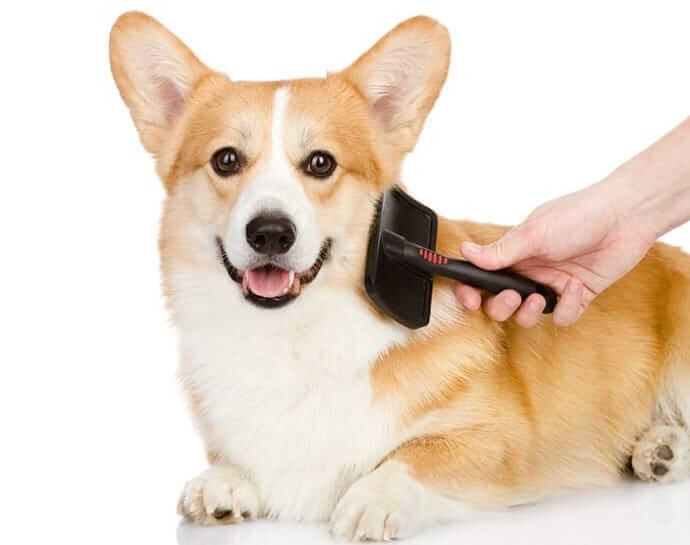
Grooming prevents knots building up in your dog’s coat. Matting like this can trap heat and be very uncomfortable during the summer.

Consider buying sun cream

Dogs with thin coats or lightly-coloured fur are the most vulnerable to burning. Speak to your vet about whether your animal needs sun cream. If so, you can pick up specialised creams at most pet shops.

Look out for symptoms of heat stroke

Heatstroke occurs when an animal is unable to reduce its body temperature. It can be fatal.

Battersea Dogs Home has listed the following as symptoms to watch out for:

  • Heavy panting
  • Glazed eyes
  • Rapid pulse
  • Excessive salivation
  • Lack of coordination
  • Vomiting or diarrhoea

If your dog is suffering from many of these symptoms, you need to act fast. Immediately take them out of the sun and help them to cool with wet towels, ice cubes and drinking water.

Don’t:

Leave your dog in a car

Like babies, dogs should not be left in cars. Under the sun’s glare, cars can rapidly reach dangerously hot temperatures with fatal consequences. If you see a dog in a hot car (even in the shade) call 999.

Play high-exertion games

Fetch might not be ideal for dogs who struggle with heat. If your dog seems to be one of them, play around with slow-paced games, like hiding treats for them to sniff out.

Go for a walk in the heat of the day

Avoid the hours around midday for your walk – if you feel the need to wear a hat, that is sure indication your dog will be uncomfortable walking under the glaring sun. Pick a route with a good amount of shade.

Expect your dog to walk on boiling surfaces

Again, if you are tiptoe-sprinting over a surface like hot coal, your dog’s paws are probably burning too. Tarmac and sand can be too much for a dog’s foot pads after a roasting in the sun, so help him or her find another way.

Over-cool your dog

If you do sense your dog is overheating – even if they have severe heatstroke symptoms – be wary over-cooling. Ice baths, for example, could send your pet into shock if its body temperature is very high. Stick to cool towels and single ice cubes. Give them small sips of water rather than enormous gulps.

In our store you can buying dog vaccinations and buy puppy vaccines online.

Posted on Leave a comment

How to find good pet insurance

pet-insurance homelabvet pet medications online

How to find good pet insurance

We may earn some commission if you click on a link in this article and buy a product or service, but we never allow this to influence our coverage

Very cute pet

If something happened to your cat, dog or other family pet could you afford the treatment? The Money Advice Service (MAS) reports that the average pet insurance claim is £793, although the costs can run into thousands if an animal is seriously hurt or requires ongoing medical treatment.

Yet the Association of British Insurers says pet policies cost an average of £279 a year in 2018, so the cost of cover is not insignificant. No one wants to be forced to choose between their family finances and the fate of their furry friend (or lizard, or whatever). That’s why pet insurance exists, to ensure vet bills are affordable.

Many policies also offer cover for other unexpected costs including the cost of advertising a lost or stolen pet, the cost of a reward for one that has gone missing and liability cover if someone is injured as a result of your animal. Some of the best and most comprehensive policies will even cover emergency veterinary treatment abroad or kennel and cattery fees if you have to go into hospital unexpectedly.

But different polices offer different things and some have very different levels of cover. Here’s what you need to know to find the best pet insurance.

There are different kinds of cover

Most pet insurance comes with three different levels. Accident only is the most basic form of insurance. As the name suggests, it would cover your pet for an accident like swallowing a rock or being hit by a car but not if it fell ill. Then there is annual pet insurance, where you pay for 12 months of cover and renew each year, choosing the best and most cost-effective policy you can each time.

For the best and most comprehensive insurance you need lifetime cover. With this kind of policy you pay premiums each year to the same insurer, who must agree to continue insuring you regardless of how old the animal is or what ongoing conditions it develops. Those comprehensive policies are usually subject to restrictions and conditions. The premiums will usually rise each year as your pet gets older.

What should you look out for?

The small print really matters with pet insurance. Most will have an upper limit on cover and that may be per year or per condition. Per year means there’s an upper limit to the total cover paid out in any one year. Per condition means that once the upper limit is reached for a particular condition, the insurer will not pay out for any further treatment.

There are lots of different pet insurance providers and it’s important to find one that offers the best value for the most comprehensive cover you can afford.

So which are the best pet insurance providers in the UK? Here are some of the best available.

Petplan: best for long term

This is one of the most successful pet insurance providers in the UK. Their policies are straightforward and easy to understand and there are no nasty surprises lurking in the small print.

Best of all, Petplan offers a “covered for life” insurance plan for your pet, meaning you can continue to get help with any ongoing treatment. It also won’t increase the premium as a result of any claims you make – although it will rise based on your animal’s age.

The Kennel Club insurance: best for keeping it simple 

With the KC there is just one standard policy available and you can choose a maximum annual cover limit of £7,500 or £15,000. It provides dental cover and part of the cost of any prescription food required. Although there are some restrictions it’s a fairly comprehensive and straightforward type of policy.

More Than: best for support

With the big name insurer More Than, you get wide-ranging and tailored pet insurance policies. It also offers a range of discounts for booking online and for multiple pets. An additional perk is its phone service, offering 24-hour advice when your pet is unwell.

Sainsbury’s: best for loyalty perks

With a Sainsbury’s policy, you can get a discount on new policies and also an additional discount for Nectar card customers. If you have a Nectar card you will also get double points on shopping and fuel while you hold the policy (there is a limit to that). On top of those perks there’s also a veterinary advice helpline running 24 hours a day, seven days a week.

Direct Line: best for first-year discounts

With any insurance policy, it’s not about finding the cheapest policy it’s about finding the best price for the cover that you need. So looking for the lowest premium might mean you end up with only limited cover when you come to claim. However, finding a decent discount does help ease the cost of insurance and that can help in the first year when it’s a new bill to think about. 

Direct Line Pet Insurance offers a comprehensive level of cover, complete with an initial discount when you buy online that means you pay for only nine months in the first year. Insuring multiple pets and having other policies with Direct Line could also bag you a decent discount. It also provides access to a vet, including video calls, and access to medication at a reduced price.

Posted on Leave a comment

Dog delivers food to quarantined neighbour

Dog delivers food to quarantined neighbour

A dog in Colorado has been helping its owner’s neighbour get through self-isolation by delivering food supplies to her home.

Dog delivers food during Covid-19

Renee Hellman has underlying respiratory issues and has been advised to quarantine herself completely due to the coronavirus outbreak, making her unable to go food shopping.

“She got the list, she gave it to Sunny, Sunny brought it to me,” Ms Evelth told KKTV. “I went to the store, got her groceries, and he delivered them all to her.”

Ms Hellman has said the visits from Sunny have not only helped her immensely, not just from a practical perspective, but from a companionship one too given that she is home alone.

“It’s been fun,” she said. “It’s been a real treat.

“Little things like Sunny coming over to visit is nice and it makes you feel good. It’s a way of communicating.”

Sunny has also been collecting the post for Ms Evelth, who hopes her story will inspire similar acts of kindness.

“Anybody can do something small, that can be so helpful,” she said.


Posted on Leave a comment

Urban dogs are more fearful than their cousins from the country

Urban dogs are more fearful than their cousins from the country

Fearfulness is one of the most common behavioural disorders in dogs. As an emotion, fear is a normal and vital reaction that helps individuals survive in threatening circumstances. When the fearfulness is excessive and disturbs the dog’s life, it is referred to as a behavioural problem. Excessive fearfulness can significantly impair the dog’s welfare, and it is also known to weaken the relationship between dog and owner.

urban dogs

Social fearfulness in dogs is particularly associated with fearfulness related to unfamiliar human beings and dogs. At the University of Helsinki, risk factors predisposing dogs to social fearfulness were investigated with the help of a dataset pertaining to nearly 6,000 dogs. The dataset was selected from a larger set of data, a behavioural survey encompassing almost 14,000 dogs.

Based on the survey, inadequate socialisation of puppies to various situations and stimuli had the strongest link with social fearfulness. The living environment also appears to make a difference, as dogs that live in urban environments were observed to be more fearful than dogs living in rural environments.

“This has not actually been previously investigated in dogs. What we do know is that human mental health problems occur more frequently in the city than in rural areas. However, further studies are needed before any more can be said about causes pertaining to the living environment,” says Jenni Puurunen, a postdoctoral researcher at the Faculty of Veterinary Medicine, University of Helsinki.

Supporting prior research evidence, social fearfulness was demonstrated to be more common among neutered females and small dogs.

Alongside size and gender, activity is another factor associated with fearfulness. Fearful dogs were less active than bolder ones, and their owners also involved them in training and other activities significantly less often. Professor Hannes Lohi from the University of Helsinki speculates whether this is a cause or consequence.

“Activity and stimuli have already been found to have a positive effect on behaviour, in both dogs and humans. Of course, the lesser activity of fearful dogs can also be down to their owners wanting to avoid exposing their dogs to stressful situations. It may be that people just are not as active with fearful dogs,” Lohi points out.

Furthermore, significant differences between breeds were identified in the study. Spanish Water Dogs and Shetland Sheepdogs expressed social fearfulness the most, while Wheaten Terriers were among the bravest breeds. The Cairn Terrier and the Pembroke Welsh Corgi expressed only little fearfulness towards other dogs.

“Differences between breeds support the notion that genes have an effect on fearfulness, as well as on many other mental health problems. This encourages us to carry out further research especially in terms of heredity. All in all, this study provides us with tools to improve the welfare of our best friend: diverse socialisation in puppyhood, an active lifestyle and carefully made breeding choices can significantly decrease social fearfulness,” Lohi sums up.

Professor Lohi’s group investigates the epidemiology of canine behaviour, as well as related environmental and genetic factors and metabolic changes.

Materials provided by University of Helsinki.