Posted on Leave a comment

The rarest breeds of dogs in the world. Top-10

Otterhound dog breed

Rare dog breeds. Top-10.  The result of the painstaking work dog-breeders was a huge number of dog breeds, which were bred with certain external qualities and character traits for specific purposes. Some animals became popular among the owners, while others remained unknown. The rarest breeds of dogs in the world are little-known, expensive, and can only be purchased in specialized clubs, often located far beyond the borders of our country.

By the way, rare breeds of dogs do not necessarily differ by the original appearance. Looking at some of them, you can say: “Actually, the half of the city dogs look like that”. In fact, there are not so many animals of this kind in the world, but they have their own unique history of origin, abilities, and character traits that are unique. It is believed that such a nose is the result of multiple crosses, with the help of which they wanted to bring out a unique breed of dogs with the best hunting nose. Thanks to this feature, as well as excellent mental abilities and intelligence, Catalburuns are often involved in searching and rescue operations, can serve in the police and customs.

Rare dog breeds

Catalburun

Catalburun dog breed. Rare dog breed
Catalburun dog

Catalburun is a Turkish pointer with a twist in appearance – a forked nose. It is believed that such a nose is the result of multiple crosses, with the help of which they wanted to bring out a unique breed of dogs with the best hunting nose. Thanks to this feature, as well as excellent mental abilities and intelligence, Catalburuns are often involved in searching and rescue operations, can serve in the police and customs.

Dandy-Dinmont Terrier

Dandy-Dinmont Terrier breed. Rare dog breed
Dandy-Dinmont Terrier

The Dandy-Dinmont Terrier is a Scottish breed of dog with a 300-year history and fame, which was brought by Walter Scott, who surrounded the main character of the novel “Guy Mannering” with six such animals. They are amazing badger and otter hunters, independent and confident.

Chinook

Chinook dog breed. Rare dog breed
Chinook dog

The Chinook is a service dog breed, hardy and strong. It moves very quickly and is capable of carrying heavy loads. Dog clubs do not recognize this breed. Private individuals maintain their population and monitor their pureblooded status. By the way, since 2009, the Chinook has been declared as the symbol of the US state – New Hampshire.

Lundehund

Lundehund dog breed. Rare dog breed
Lundehund dog

The Lundehund or Norwegian Puffin Husky is a rare and unique breed of dog that accompanied the Vikings on hunting trips in ancient times. They are very agile, flexible and fast animals, distinguished by rudimentary fingers on each paw. The only, but significant problem is the tendency of this breed to diseases of the gastrointestinal tract. Due to the difficulty of absorbing nutrients, the life of animals is significantly reduced.

Azawak

Azawak dog breed. Rare dog breed
Azawak dog

The Azawak is a greyhound that is difficult to be found outside of the animal’s homeland – Africa. This is a muscular, fast, agile and very hardy breed of dog. The four-legged hunter will not be interfered by the heat in the pursuit of prey. The nature of Azawak is independent, non-contact and suspicious. Dogs of this rare breed are dedicated only to one owner, showing tenderness and affection.

Carolina Dog

Carolina Dog breed. Rare dog breed
Carolina Dog

The Carolina dog is better known as the American dingo dog and it belongs to the primitive type of breeds. They are faithful companions, guards, and hunters who previously were in attendance of the American Indians. If domestic dogs are in heat 2 times a year, so this breed will be in heat just once, which is typical for wild dogs. In addition, this breed of dog practically do not enter into molt and does not have a specific smell.

Moody

moody dog breed. Rare dog breed
moody dog

The Moody is a Hungarian breed of dog with unique herding skills. Thanks to their agility, quick wit and incredible “hypnotizing gaze”, Moody is able to manage a large herd. Other talents of this amazing rare breed of dog include wild boar hunting, working in the police and border guards, as well as rescue workers in the mountains of Finland. Moody is characterized by excellent health, playful mood, cheerfulness and goodwill.

Inca Peruvian Orchid

Inca Peruvian Orchid dog breed. Rare dog breed
Inca Peruvian Orchid dog

The Peruvian Inca Orchid is a dog whose originality and uniqueness is manifested not only by its appearance. It is surprising that this rare breed prefers not meat, but a vegetarian diet, consisting mainly of cereals, fruits, and vegetables.

The stabyhoun

The stabyhoun dog breed. Rare dog breed
The stabyhoun dog

Stabyhoun is a hunting breed of dog with a great sense of smell and sight, which will not miss out any prey. The small size of this animal, attractive appearance, tenderness towards family members, docility, and friendliness make it a great pet. Dog Stabyhoun is tied to the family and at the same time vigilant and careful. But, unfortunately, it is a bit known outside of its homeland – Holland.

Otterhound

Otterhound dog breed. Rare dog breed
Otterhound dog

Otterhound or otterhound is a fairly ancient breed of dog, the second name of which speaks for itself. These dogs were used for hunting otters until hunting was banned in England. In addition to endurance and excellent hunting skills, Otterhounds are valued for their kindness, intelligence and cheerful disposition.

Posted on Leave a comment

Boxer Dog Breed Information + Photo

boxer breed info

boxer faceBoxer

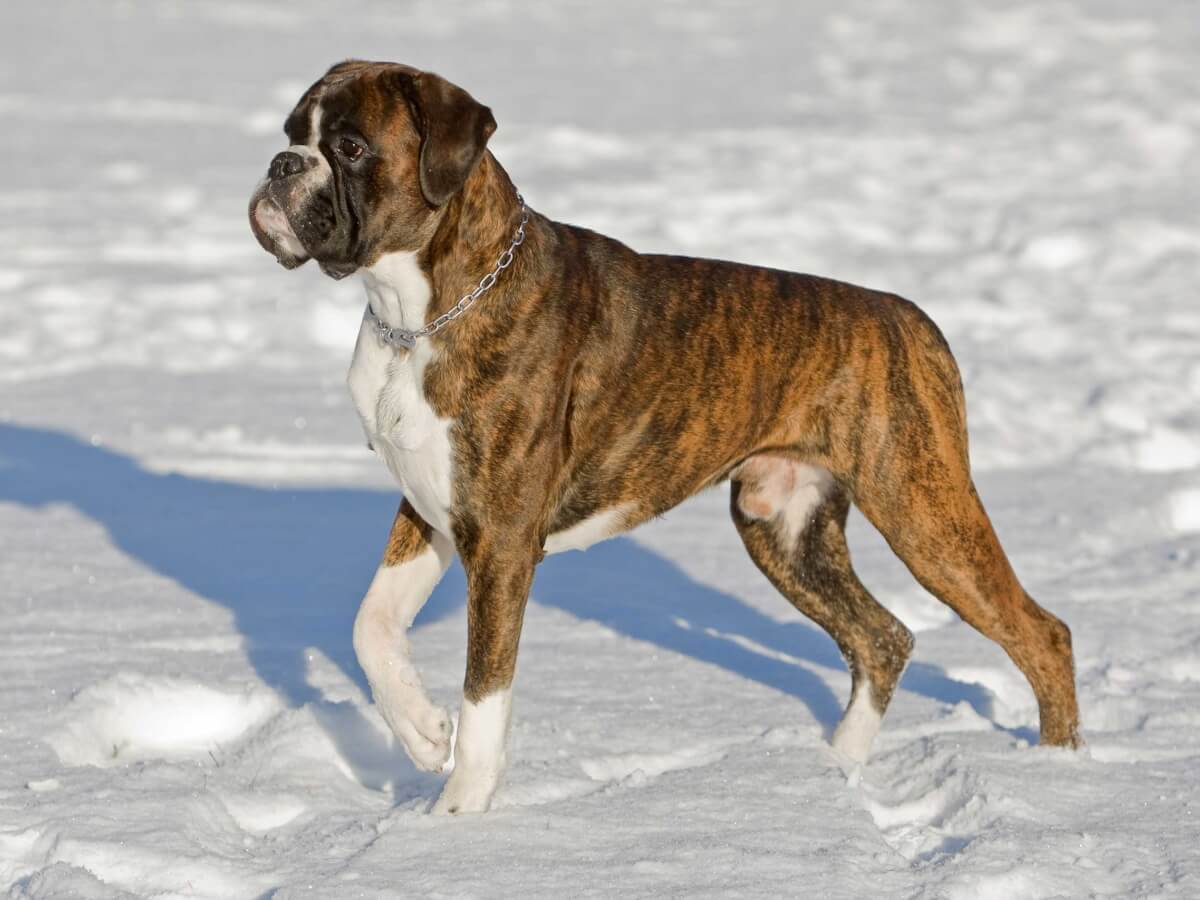
The Boxer is a strong, hardy, and energetic dog with an angelic soul and bright temperament.  Rottweilers are considered to be close relatives of boxers.  If the ancestors of these wonderful dogs hunted wild boars, deer and fought with bears, then modern dogs are real companions and true favorites of the family, especially children.  But not only families have appreciated the amazing qualities of the character of dogs, their intelligence, endurance, and obedience.  Many representatives of the Boxer breed serve in the army, police, customs, work as guide dogs and participate in rescue operations.  The animals’ amusing ability to move their front paws, just like boxers fight, explains the interesting name of the breed.  Although this is only a guess.

Description of the boxer breed

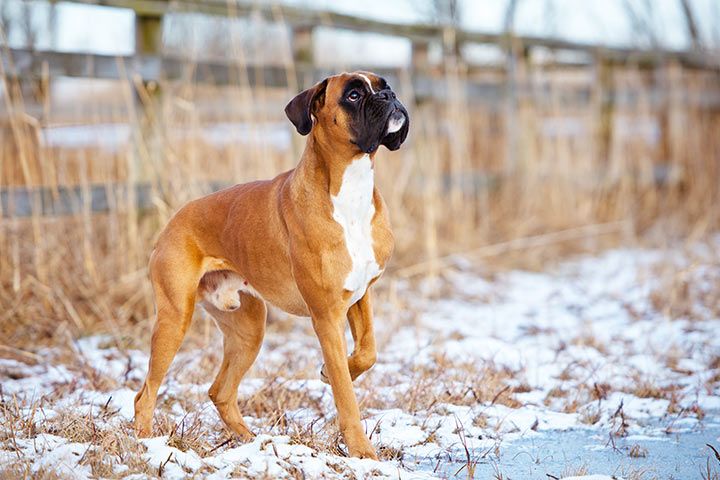
The boxer is a real athlete, full of energy, with an ideal physique.  It is believed to be one of the strongest breeds in the world.  Despite such a formidable description, boxers are better than many other dogs for families with children.  According to the breed standard, the German Boxer is proportionally built, has an impressively developed musculature, and a strong bone.  The lower jaw of the boxers protrudes, and the lips hang down at the sides, giving the muzzle a sad expression.  The slightly flattened nose is funny upturned.  Previously, the tail and ears of animals were docked.  However, in 2002 many European countries abandoned this procedure, so the standard was rewritten.  When boxers wag their tail, it turns out that the whole back is involved, which looks very funny.  The coat of the boxers is shiny and smooth, short, close to the body.  The most common is the red (deer) color of animals, the brindle color looks very beautiful, but white was not included in the standard, although sometimes there are albino boxers.  The muzzle of boxers of brindle and red colors is decorated with a dark mask.  White markings are allowed in color, but not more than 30% of the body surface – on the chest, abdomen, and paws, but on the mask, back and sides they are not desirable.

boxer dog breed

Personality

boxer breed infoThe Boxer is a real family dog, good-natured and playful, adoring, and protecting children.  This noble dog easily makes contact and appreciates the attention of all family members.  He does not like to be alone and is very bored at such moments.  If a boxer wants something, he will never bark or growl, he will try to use all his charm and some childish spontaneity to get what he wants.  And it works!  In most cases, strangers distrust boxers.  Although there are also such four-legged individuals who perceive strangers as new friends.  They simply adore the owner and all family members without exception.  The boxer dog considers it his duty to “help” the owner around the house.  And after exhausting walking on the heels of the household, do not mind to lie down next to them on the sofa.  A hooligan character and craving for games does not leave boxers even at a respectful age.  The German boxer gets along well with other pets that are part of the family.  But as soon as he crosses the threshold of the house, he perceives other animals as potential prey or enemies.  Do not expect from a four-legged bully, with awe about purring pets, the same behavior with other cats.  It will not be possible to avoid conflicts during walks when boxers are not averse to fighting with four-legged brothers of the same sex.

Care and Maintenance

boxer dog careThe boxer is an athlete by nature, which means he needs regular training and physical activity.  If the boxers are walked for several minutes, then all the animal’s energy will be directed towards providing a “mess” in the house.  A long morning and evening walk with the opportunity to run and play freely would be ideal.  But these are minimal exercises for keeping boxers in city apartments.  Despite the short coat, boxers are sensitive to heat, no matter how they tolerate it.  In summer, physical activity for the animal is limited and walked early in the morning or late in the evening.  There is a lot of trouble with boxers.  They will not disdain puddles and mud while walking, they will not consider it necessary to bypass the garbage dump.  The main thing is to have time to wash your pet, otherwise, all the dirt will be on the couch.  Boxers’ drool can be found all over the house.  If the pet falls asleep, even the neighbors can find out about it, lead the boxers, famous snorers.  So this dog is not suitable for everyone, especially those who love silence, peace, and order.  A boxer dog does not take long to groom.  The short and fine coat only needs to be wiped with a hard cloth or a special rubber massage brush.  Usually it is enough to carry out the procedure once a week, and during molting – every other day.  Boxers are bathed as needed, it is important not to overuse this procedure.  Animals’ ears and wrinkles are regularly examined and wiped.  The claws are trimmed as they grow back.But the eyes of animals should be closely monitored.  Dust, dirt particles, grass seeds, and other debris getting into the eyes, instantly irritate and redden boxers.  Therefore, it is advisable to keep special napkins in your pocket for a walk in your pocket, so that you can wipe them from time to time.  After a walk, it is advisable to wipe the eyelids with a damp clean cloth dipped in water or chamomile decoction.  There should always be an anti-inflammatory eye ointment in your veterinary medicine cabinet.  The boxer dog “does not complain” about appetite.  Smelling the smell of food, it begins to salivate profusely and it is ready to eat every last bite.  If you do not control the pet’s diet, deprive it of physical activity and feed it with excesses from the table, it will not be possible to avoid obesity.  The ideal feeding option for Boxers is high-quality dry food, selected according to the breed’s size, age, activity, and health status of the animal.
boxer dog

Exercises

A boxer is very trainable, especially if the correct training tactics are chosen – “carrot”, not “stick”.  Encouragement with a treat and an affectionate word will have a faster effect on the dog than screaming or constantly tugging at the leash.  Working out with a boxer is a must.  After all, the boxer breed is considered very noisy and uncontrollable without proper training.  In addition to training, the German boxer needs daily physical activity.  Walking twice a day for an hour is just a warm-up.  Boxers need jogging, active games.  Pullers, flying saucers for dogs, all kinds of balls, ropes, or sticks are the most important attributes for walking with a pet.  They will allow you to have fun and at the same time train your pet.

Boxer’s Diseases

boxer dog with puppiesA boxer cannot “boast” of excellent health.  The creation of the breed, the preservation of its appearance for 100 years, left its imprint in the form of several disorders: a high probability of developing cancerous diseases deafness in one or two ears in about 30% of the born puppies with a white color twist of the eyelids, corrected by surgery food allergy metabolic disorders  – bloating, hypothyroidism, intestinal problems, congenital aortic stenosis and dysplasia of the right ventricle of the heart, manifested in adult animals The average life span of boxers is 10 years.  According to research carried out in the UK, the causes of death were distributed as follows: about 39% – cancer, 22% – age, and 7% – problems with the heart or gastrointestinal tract.  Most of these cases are rare and treatable by meds for dogs. They could be bought in Online Veterinary Pharmacy.

Choosing puppies

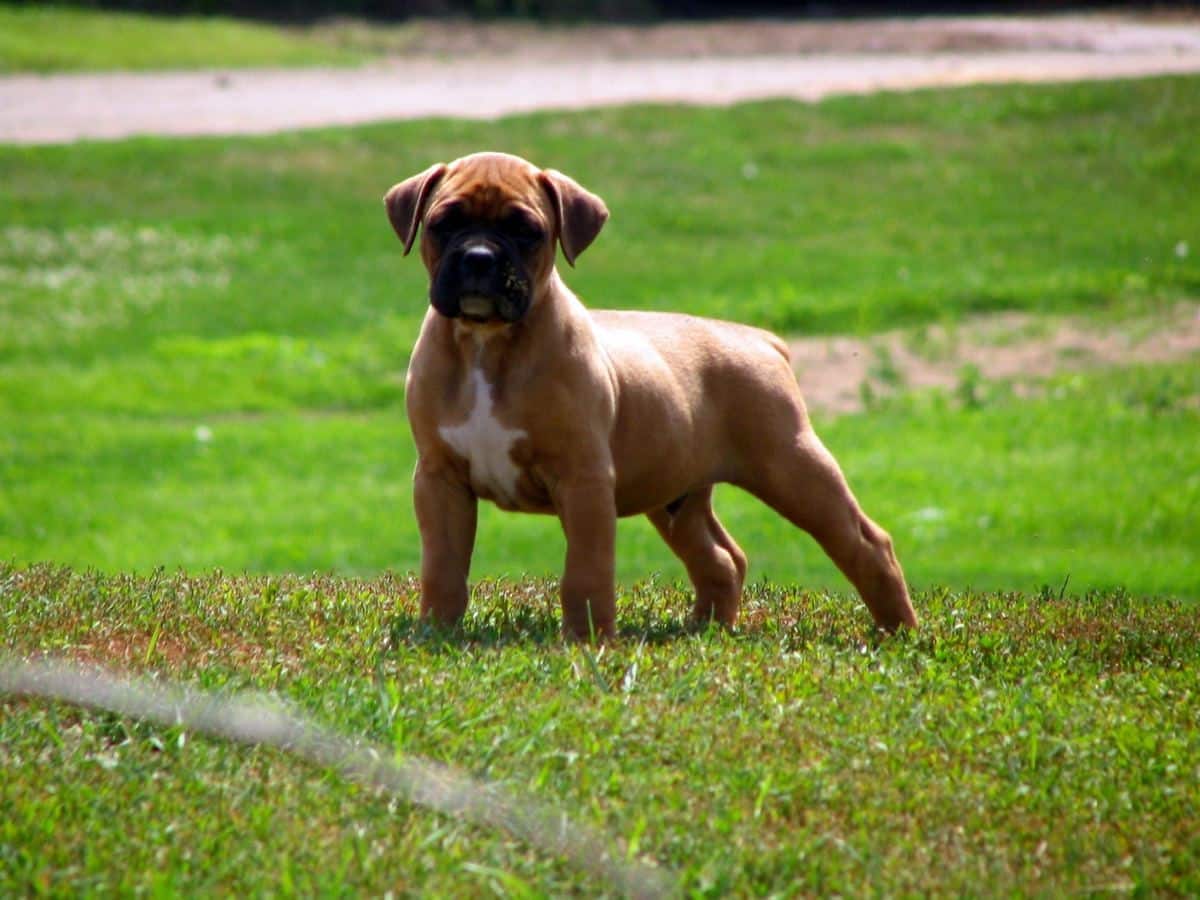
In the photo, boxer puppies are incredibly funny, but in real life, it’s impossible to tear yourself away from them.  Considering possible genetic health problems, it is best to purchase a puppy from a nursery, rather than from hands.  A small German boxer can have not only latent diseases but also mental problems.  Usually, such animals are not allowed by professional breeders to breed, reducing the risk of genetic abnormalities.  If the puppy looks unhealthy, shows signs of aggression, or is frightened by the slightest rustle, the future owner will have to face many problems in the future.  Many serious dog breeds are not recommended for beginners, for whom this will be the first experience of dealing with four-legged pets.  But this in no way applies to boxers.  The boxer is so smart, non-conflicting, and perceptive that he will become an ideal friend and companion who will “help” the owner inexperienced in dog breeding.  Once having got an adorable boxer puppy in the house, you will fall in love with this breed completely and irrevocably!

boxer dog puppy

Here you can find a lot of Online Veterinary Supplies for your pet. There are not only toys and sports requisites in Online Pet Pharmacy, but also many other things.

Posted on Leave a comment

Labrador Dog Breed Information + Photo

labrador puppies

labrador puppies

Labrador: all about the breed of dogs with a photo

If you look into his eyes, you will not see a drop of aggression.  The Labrador is considered a guard dog, but it is just as good as companion pets.  He is called an optimist among dogs.  This dog is not an excellent guard or fighter, but it is a real human helper.  Very often, pets do the work of guides.  By nature, they are really kind-hearted, they radiate cheerfulness, you are never bored with them.  The breed is among the most popular in the world.



History of the breed

Researchers has not been able to establish for certain the stages of the origin of this species.  But there are several theories on this score.  Their ancestors are considered to be the Newfoundland dogs who lived on the island of the same name.  And the breed is named after the Labrador Peninsula.  There is also a version that it was named not in honor of the geographical area, but in honor of the labradorite.  This stone has a rich black color and the dogs at first had only this color.  Another interesting theory is that the name comes from the word “labrador”, which means “worker”.  And everyone knows that these dogs are hardworking.  For many centuries, animals have helped people on land, hunting, and at sea.  It is known for sure that the first Labrador dogs were brought to England from the island of Newfoundland.

The opinions of dog handlers differ in the further history of development.  But they believe that it was the Europeans who were actively engaged in the development of the species.  There is also such a theory that only the ancestors of these animals were brought from the island, and the breed itself was bred by English breeders.  And this happened by crossing with black hounds and pointers.  Others speculate that the ancestors of the Labrador Retriever were Viking dogs.  Great interest in these dogs was observed already in the 30-the 40s of the 19th century.  In Birmingham in 1870, even the first exhibition was held, where Newfoundlands and Black Labradors were declared as different breeds.  At this time, dogs became very popular among aristocrats, and repeatedly became members of royal families.  And in 1903, after serious breeding work, the Labrador breed was officially recognized.  The beginning of the 20th century is considered a golden age for this species.  Then they were overwhelmingly popular.

Many nurseries were created in England.  It was during these years that golden-colored dogs became in demand.  The third in demand was a chocolate-colored Labrador retriever.  Gradually, the fame of these beautiful pets spread throughout the world.  Amateur clubs were created in different parts of the world.

labrador dog

Labrador Retriever: breed description

They were bred exclusively as working dogs.  At first, they were indispensable helpers for fishermen.  They helped them pull tackle and fish out of the cold waters.  And today the Labrador is considered the best helper dog for people with disabilities.  They are also often used in various rescue and search operations, and they do this job perfectly well.  Nowadays, these dogs are less often used for fishing, they have long since moved into the category of pets.  Since they are able to give love to all family members.  This is one of the best family dogs.  The Labrador Retriever has a calm disposition, which makes it an excellent therapist among animals.  Very often they provide psychological assistance in centers and clinics where they undergo rehabilitation.  And also in orphanages, and nursing homes.  Excellent helpers not only for fishing but also for hunting.  And all thanks to an acute sense of smell.  The only thing they can’t cope with is guarding the house.  And all because of its friendly nature.

labrador breed

Character

It is difficult to imagine a dog more loyal and affectionate than a Labrador.  They are cute and kind, not only at the age of a puppy but also as adults.  Dogs are always full of energy and ready to have fun with their owners.  They are playful, good-natured, and sociable.  A dog is a real friend of a man – this is an expression about them for sure.  When they are with their families, they are overwhelmed with happiness.  And the dog perfectly feels the mood of people.  If you are in the mood to play, he will happily accompany you.  If you want to have a movie night on the couch, then he will sit quietly next to you.  The Labrador gets along well with children of all ages.  They are ready to play with them and frolic all day.  It also treats other pets warmly, and good friends with cats.  This dog is a real find for novice dog breeders.  Before buying it, it is worth knowing a few points: what are the varieties and colors, the basic rules of keeping, how to feed, the basic rules of education and training, can live on the street or in an apartment, from what age can you take a puppy

labrador 1

Maintenance and care

All dog breeders agree that this dog is very easy to clean.  This applies to both content and training.  They shed throughout the year.

To keep the coat well-groomed, you need to comb the dog daily.  Also, pets are characterized by the so-called dog smell, so they need to be bathed more often than other breeds.  It is also important to keep your ears and teeth clean.  Ears should be wiped with a special solution, and teeth should be brushed weekly.  Can they live on the street?  The answer is yes.  But for this, it is necessary to equip a spacious aviary with an insulated booth.  The dogs also feel good in the apartment.  But they should take a small room or loggia.  The optimal age when you can take a baby Labrador into the family is 3 months.

Labrador Retriever: training and education

These dogs try to please their master in everything.  Therefore, the Labrador is remarkably trainable.  The main thing is to engage in education as soon as you take a small puppy.  And it’s worth remembering that dogs love to play, so it’s best to turn training into an exciting quest.  Having taught the baby the basic commands, you can start learning more complex ones.  You will very quickly notice the growth of the student.

Food: what to feed dogs

Dogs love to eat tightly and because of this they are prone to obesity.  Therefore, you need to strictly monitor nutrition, even when the pet comes to you as a puppy.  Give him more physical activity.  It should be natural feed or cooked food.  Meat, vegetables, and more cereals should be included in the diet.  Under no circumstances should you give pasta or add sweets to your animal.  Otherwise, the dog will increase significantly in size.

How long does a Labrador live? On average, their life expectancy is 10-13 years.  Life span, as in humans, depends on the quality of nutrition, conditions of detention, and health.

labrador best breed

What the breed standard looks like: description

These are strong-built dogs with strong limbs, a broad head, and a voluminous chest.  The ears are mobile, drooping, set far apart.  The eyes are usually brown or hazel, and the expression is good-natured.  Height: in bitches – from 54 to 56 cm, in males – 56-57 cm. What it looks like: wide muzzle, not pointed, straight back, scissor bite.  The tail size is medium, thick at the base.  The coat is thick, short, coarse.  Species and colors chocolate, brown, white, golden, fawn, red Varieties: Chesapeake Bay Labrador straight-haired, curly-haired ,Nova Scotia , Golden Vaccinations

The first should be done at 6-8 weeks, repeated – for puppies at 3 months.  After that, the dog is in strict quarantine for 2 weeks.  To protect the dog, vaccinations are required against: a plague of carnivores, infectious hepatitis, rabies, parvovirus enteritis, parainfluenza, leptospirosis.

labrador

Diseases of dogs

The main diseases: diabetes, obesity, dysplasia, allergy, melanoma, dislocation of the kneecaps, glaucoma, cataract, volvulus retinal atrophy problems with the ureters lymphoma. Some sources of information say about cancer cases. All these cases are rare and treatable by meds for dogs. They could be bought in Online Veterinary Pharmacy.

Labradors Mating

Mating

The minimum age for mating in bitches is 20 months, in males – 18. But experts recommend not to rush with this, as the development of Labradors last longer.  It is best to knit bitches after 3-4 estruses.  The process is carried out on the territory of the male.  Usually – between 10-15 days from the beginning of estrus.

Here you can find a lot of Online Veterinary Supplies for your pet. There are not only toys and sports requisites in Online Pet Pharmacy, but also many other things.

Posted on Leave a comment

Rottweiler Dog Breed Information + Photo

Rottweiler Dog
Rottweiler Dog

The Rottweiler dog

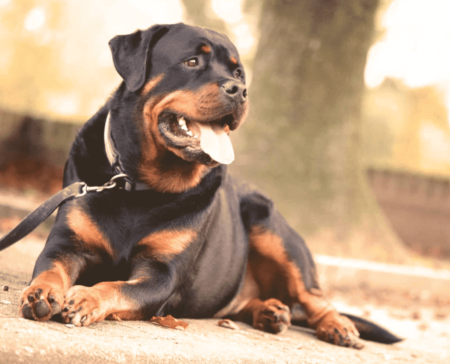
is a powerful and warlike breed that seems to many to be uncontrollably angry and dangerous.  You can hear a lot about these dogs from people who know almost nothing about them: “Such dogs cannot be trusted!”, “They have a death grip!”, “They are terrible and evil!”  The characteristics of this breed are detailed below.  What are these “wildly angry dogs” really?  In fact, it is enough to look a Rottweiler dog in the eye.  The calm and kind look of this hardy and noble animal will tell you a lot.  Any owner of this strong, fearless pet knows that there is no better dog for someone who appreciates calm strength and quick reactions, fearlessness, and discretion, and, most importantly, loyalty to the family and love for children.  The ancestors of the Rottweilers were in the service of the Roman legionaries.  For them, they guarded livestock and military camps at halts.  It was from the Romans that these warlike dogs learned fearlessness and discipline.  The physical type of the dog was formed as a result of long walks and constant tension: a massive head, a muscular neck, a straight and strong back, a calm and confident gait.  The breed was finally bred in the middle of the 18th century in the city of Rottweil (Germany), from which it took its name.  The Rottweiler is a service dog.  Since ancient times, this breed has been used as a guard, but over time, many other purposes have been added: police dog, guide, psychotherapist, rescuer.  These professions remain with her to this day.  During World War I, Rottweilers were also used as messengers.

rottweiler dog
rottweiler dog

Brief description of the breed Rottweiler

The Rottweiler is a sturdy dog ​​that is compact and proportional.  The main qualities characteristic of this breed are endurance, strength, and irrepressible energy.  The seemingly powerful and sturdy dog ​​should move easily and freely, without any signs of weight and clumsiness.  The approximate indicators of height and weight, which may vary somewhat, are for boys – from 61 to 68 cm and 50 kg, for girls – from 56 to 63 cm and 42 kg.  The most optimal growth indicators are the median values ​​of these indicators.  The head shape of a Rottweiler dog is divided into several types: light, heavy, proportional, and normal.  As for the most suitable, so to speak, ideal shape, this is the average length of the skull, the ears located at a sufficiently large distance, a pronounced transition to the muzzle from the forehead, and the frontal part of the skull should protrude moderately.  Another important indicator in the breed standard is the proportionality of the animal’s body and its head.  A distinctive feature of the Rottweiler is its wide and strong jaw, which provides the dog with an almost “death” grip.  The Rottweiler has a wide muzzle at the base, tapering to the tip of the nose, which should be black, with large nostrils and a wide lobe.  As for the teeth, in fact, the “weapon” of the Rottweiler, then there should be 42 of them, without damage, with the correct scissor bite.  Beautiful almond-shaped eyes should be medium – size and dark- colored.  The front edges of the ears of a Rottweiler should be close to the cheekbones, giving the impression of a wider skull shape.  Besides, the ears should be of a medium size, triangular in shape, set high and wide apart, creating a kind of straight line with the top of the skull.  Rottweiler’s coat is generally black and has unique tan or reddish tints.  The coat consists of the guard, topcoat, and undercoat.

rottweiler dog puppies

The nature of the Rottweiler and his habits

The Rottweiler naturally has a calm character, balanced, efficient, and obedient.  Fearless and confident, but at the same time good-natured and loves children.  If a small child, under the supervision of adults, is allowed to approach the dog and allowed to play with it, feed it, then such a dog will be a protector, both for the child and the whole family.  The main thing is to explain to the child that the dog needs to be treated the way he wants to be treated.  Sentinel qualities are genetically inherent in Rottweiler’s character.  Therefore, it is very important, while engaging in education and training, not to overdo it with fighting qualities and aggression.  If a Rottweiler is supposed to live in an apartment with children, excessive belligerence can only harm.  A dog, first of all, must be obedient, educated, mentally and emotionally balanced, and show its fighting qualities only in critical situations when there is a direct threat to the life of the family in which the Rottweiler lives.  Unfortunately, some owners of Rottweilers believe that this breed should be angry and merciless, without disdaining the cruelest and violent methods of training in relation to the pet.  As a result, the Rottweiler’s character will be irretrievably spoiled, the dog will become aggressive, vicious, and insidious.  We have repeatedly witnessed the news when Rottweilers attacked even small children, inflicting severe injuries with their powerful jaws.  Such animals pose a threat not only to the surrounding people, and other pets, but also to the owner himself, when one “fine” day the dog does not like another kick and he will simply take revenge “for all the good” that the “beloved” owner did for him  …  Despite the negative facts, a well-mannered Rottweiler, raised with love and respect, is one of the best therapists, able to heal, delight and soothe those who need it, providing tremendous psychological support.  It so happened historically that at one time a Rottweiler – a shepherd, getting acquainted with the herd, subdued the most powerful animal, and then all the others.  A family that has decided to start such a wonderful breed should remember that the reserves of power inherent in the nature of the Rottweiler need daily stress and training.  Only by wasting its energy, your pet will be able to feel comfortable.  And you will be more athletic next to such a handsome athlete.  So if you are jogging, the Rottweiler will be the perfect company for you.  As for training, the Rottweiler is a very intelligible and disciplined dog.  Training should not be too harsh so that the dog does not lose confidence in the trainer and does not accumulate unnecessary aggression.  Excessive “blind” love for the Rottweiler can lead to disastrous results.  It is necessary to work with the character of a Rottweiler correctly, the opinion that this is a male dog is a myth, both men and women can work with them, but a certain strategy is needed, and the services of a professional are desirable.  Therefore, if you are a novice dog breeder, you better pay attention to other breeds.

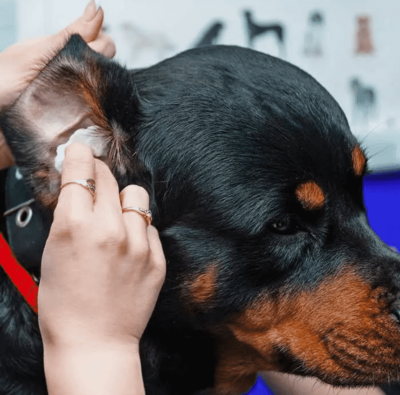
rottweiler dog ears cleaning

Features of Rottweiler care

What are Rottweilers sick with?  Rottweilers, like other dog breeds, are susceptible to various diseases.  Timely vaccination protects the dog’s body from some infectious diseases.  Regular preventive examinations and consultations with veterinarians will help keep your pet healthy for many years.  For Rottweilers, as well as for other breeds of dogs, diseases are characteristics that are most common in this particular breed.  So, it is believed that the first place among congenital diseases in Rottweilers is heart disease.  With this disease, many puppies do not live up to six months or are doomed to special care and life-long treatment.  As for diseases of the urinary organs, cystitis and pyelonephritis are most often found in Rottweilers.  From the list of diseases of the nervous system, encephalitis and epilepsy are distinguished for this breed. All these cases are rare and treatable by meds for dogs. They could be bought in Online Veterinary Pharmacy.

The Rottweiler is nobility itself.  By making him a member of your family, you will gain a loyal friend, a brave defender, and a strong helper who can support you in difficult times.  You can find out more information about different breeds of dogs on our website.

Here you can find a lot of Online Veterinary Supplies for your pet. There are not only toys and sports requisites in Online Pet Pharmacy, but also many other things.

Posted on Leave a comment

Golden Retriever Dog Breed Information + Photo

Retriever

The Golden Retriever, I’d say for a start,

 Is as gold a guinea in every part –

Oh, he’s golden of jacket and golden of heart

Patrick Chalmers


Golden pool

According to foreign psychologists, the Golden Retriever is very similar to how children imagine dogs. Retriever takes the fourth place of dog breed rating created by Canadian scientists depending on their intellectual abilities. By the mind, intelligence, and fine sense they are useful in border forces, police, special services.

Golden Retriever
Golden Retriever

Labradors are obedient and patient assistants for persons with disabilities and old people. Golden  Retriever is successfully used  for people with cerebral palsy. This dog can recover belief in abilities, help blind to ‘see’ and deaf to ‘hear’. Definitely, a trend has a place to be, but Labrador – classic, Coco Chanel in the dog’s world.

Priceless story

In the middle of the 19 century, a new breed arrived from water spaniels who ached for serving their masters. This is the main feature of the golden retriever. By 1885 Retrievers became kings of hunting dogs among English aristocrats. This is a dog with phenomenal scent, hunt instinct, great memory, strong body, stamina and agility; a good swimmer with thick underfur. The first breeder was Dudley Marjoribanks, 1st Baron Tweedmouth from  Guisachan, Scotland.

Golden Retriever
Golden Retriever

In 1913 was founded the famous «The Golden Retriever Club», after a few months later Kennel Club of the United Kingdom accredited the new breed as Golden Retriever.

The first champion Normanby Campfire was breed by Mrs. Winifred Charlsworth who took the lead of  Golden Retriever Club. Due to Mrs. Charlsworth, Labrador gets a reputation of a capable gundog, competitive with other Retrievers.

In 1930 this breed was accepted in the USA and Canada, and later in 1939 was created the Golden Retriever Club Of America (G.R.C.A.).  It’s a common situation when this dog becomes a new member of the American family. He’s playful and suits kids. Retrievers were so popular in the USA that a new species was created.

Purity of gold

Golden Retriever Pedigree dog

There are two standards of the breed: Kennel Club UK (English type) и American Kennel Club (American type). American types are a deep golden color and English types are tolerable with different kinds of golden and cream colors. Both types are not acceptable with dark fur. According to FCI in Europe, dog shows and breeding use English criteria.

American type is a little higher: height at the withers male-dog is 58,4-61 cm and lady-dog  is 54,6 – 57,2 cm. English height at the withers male-dog is 56-61 cm and lady-dog is 51-56 cm. Both standards focus on the exterior, well-balanced, walking to be aligned with the breed. Golden Retrievers must demonstrate kindness and have vigor, vigilance, firmness, and be as a natural gundog. Experienced fanciers don’t mix types of Labrador because the exterior barely meets the criteria.

Compared with other breeds, Golden Retrievers are quite healthy. However veterinarians admit liability to a disease of the musculoskeletal system (dysplasia of the elbow and hip), cataract, retinal atrophy, epilepsy. Some sources of information say about cancer cases (but it’s a myth). All these cases are rare and treatable by meds for dogs. They could be bought in Online Veterinary Pharmacy.

Let’s go to the gold-mine

Golden Retriever Puppy

First of all, find an experienced fancier. Important to know that a puppy should grow up in cleanliness, and have a lot of dog walking space. In other cases, you should avoid places without such standards. If you don’t know such a breeder it’s better to ask friends for recommendations. Also, you can put trust in a veterinarian that would be the best choice.

Fancy price doesn’t mean anything. All around the world the prices are similar. If you want to breed, first of all, pay attention to family history and parents’ exterior, secondary – prizewinning (quite often this is the owner’s achievements, not dog quality).


Golden Retriever with Puppy

Also, when you are choosing a puppy, it’s important to inquire about parents’ genealogy. The best breeding kennels are concentrated in the United Kingdom, the Netherlands and Scandinavia. Gender doesn’t matter, but it’s widely thought that lady-dogs are more tender, attached, and get training faster. On the other hand, boy-dogs have a better memory.

The puppy should be taken by a new family not early than 45 days after birth. Till this time the puppy stands on its feet with confidence, brave, and perceives the world with interest. There shouldn’t be any discharges from the nose, eyes, ears. It should be strong feces and clear skin (without induration and bald spots). Pay attention to how the dog moves: should have a strong walk and fast dash.

The golden age of Labrador comes early or later. That’s why you don’t need to judge the current look. The best shape arises at 3-4 years. 

His Grace

The Golden Retriever has a lustrous temperament that will attract everyone. True Golden is full of energy and kindness. Some dogs are aggressive and chicken-hearted. But that is not about Retrievers. You have to see the difference between ‘youthful exuberance’ from junkyard dogs and chicken-hearted from not socializing.

Golden Retriever training

The mental health of Goldens is very ‘fragile’. You shouldn’t beat or shout at them. Training should be done with carrying and patience.

By choosing a dog handler make certain that he will keep in mind retrievers’ peculiar properties, because training hunting dogs and Retrievers have differences. Labradors are clever but they should be trained. In other circumstances, you can raise a badly behaved dog. You will have pleasure from common activities. Golden Retrievers quickly memorize new commands thanks to their sagacity and high intellect.

Labradors are calling Pedigree dogs as their picture used on TV advertising and dog food. Very popular Retriever mini (flat Golden Retriever), but it’s not the same breed. That dogs have another temperament and exterior.

Here you can find a lot of Online Veterinary Supplies for your pet. There are not only toys and sports requisites in Online Pet Pharmacy, but also many other things.

Posted on Leave a comment

Spanking dog good or bad?

Spanking dog
Spanking dog good or bad
Spanking dog good or bad?

Spanking dog good or bad?

Let’s try to figure out whether to beat your dog!?

Unfortunately, until now, many owners are sure that without whipping, raising and training a dog is simply unthinkable. This is one of the most tenacious and dangerous myths, and we will get rid of its influence completely very soon. However, more and more people (and this is good news) are inclined to believe that spanking a dog is not allowed.

 Why can’t you beat a dog? how to make a dog obey without spanking? Why can’t you hit a dog, even if it doesn’t “hurt”?

You can’t beat a dog for many reasons.

First, it is simply cruel to beat a living creature whose life and well-being depend entirely on a person.

Secondly, the dog behaves “badly” because either it was taught this behavior, even without realizing it (and most often it was taught by the person who hits), or it was created by nature for this behavior (that is, it behaves – what a surprise! – as a dog) or was bred by a person (if we are talking about breed characteristics that the owner did not take into account when purchasing a puppy), or its basic needs were not met (which is also a “merit” of a person). Which means it’s just not fair to beat her for it.

how to make a dog obey without spanking
how to make a dog obey without spanking?

Why do people beat dogs and does it bring the desired result?

There are four reasons why people beat dogs:

  1. A man, having beaten a dog, gets emotional release. He came home after a hard day’s work, and even received a reprimand from his superiors, and at home – another puddle or gnawed shoes. I beat the dog – it seemed to feel better. The problem is that such a scenario is reinforcing for a person, which means that he will beat the dog over and over again. Will this teach the dog how to behave? It is highly doubtful. But to be afraid of the owner and not to trust him will teach.
  2.  The man tries to stop the undesirable behavior of the dog by whipping. For example, a dog tried to pull a piece of sausage off the table – a man hit it, the dog dropped the sausage and ran away. The dog barks – the man beat her, she fell silent. Has the effect been achieved? It seems that yes, the behavior has stopped. But in reality – no. The fact is that hitting does not affect the dog’s motivation in any way, and its need remains unfulfilled. This means that the dog will look for other ways – and it is not a fact that you will like them more. Perhaps the dog will no longer steal from the table in the presence of the owner – but what will prevent it from doing this when he turns away or is in another room? If the dog barks from being overly excited, the barking will not make it calmer, which means it will either bark over and over again, or the overstimulation will result in other behavioral problems. In addition, beating a person does not teach the dog an alternative behavior, that the need can be satisfied in an acceptable way.
  3. The owner does not know that it is possible to interact with the dog in a different way. To be honest, in this age of information opportunities, this is perceived as a mocking “excuse”, nothing more. Here it’s time to remember the saying “who wants – looks for opportunities, who does not want – reasons”. And there are more than enough opportunities now.
  4. The owner just likes to beat the dog. Alas, this is not so rare – an attempt to make sure of their own importance and omnipotence, causing harm to another living being, or to satisfy sadistic tendencies. But there is nothing to comment on here. The only acceptable way to deal with this is with normal, working laws aimed at protecting animals, identifying such individuals, and prohibiting the keeping of dogs.


Finally, hitting dogs is just dangerous. According to the results of the study, at least 25% of dogs immediately respond to the aggression of the owner with aggression. Other dogs initially show signals of submission that most owners simply do not notice, which means that the dog has no choice but to defend itself, and as a result, we get a dog that is dangerous to the owner and others. Even in some dogs, such methods form a learned helplessness, which sometimes suits the owners, but in this case the dog is constantly experiencing distress, which affects its health and well-being.

Sometimes the reason lies simply because of the fact that dog whines all the time

Here it is important to carefully observe the animal, what kind of alarming symptoms are associated with whining:

Veterinarian and dog

when the dog intensively shakes his head, scratches his ears and whines, it may be in the presence of any ear disease (for example, otodectosis, otomycosis, otitis, etc.);

dog whines all the time  and it causes aggression in the owner.

if pet whines after eating, there is a problem with the digestive tract (gastric ulcer, gastritis, peritonitis, ascites, oncological processes, etc.);

if pet whines when she poops, blame can be pathological processes in the intestine (colitis, bowel obstruction, proctitis, etc.);

the dog whines when urinating, if she has diseases of the genitourinary system (cystitis, urolithiasis, complications after estrus, etc.);

if the animal in addition to whining, there is also a temperature, discharge from the nose and eyes, a stool disorder, when the dog does not eat, and sometimes does not drink, sharply loses weight, then it may be a bacterial, viral or fungal infection;

extremely restless dog behaves with a large accumulation of worms inside the body. In these cases, in addition to whining, there will be such symptoms: diarrhea, alternating with constipation, vomiting, cough, weight loss, shortness of breath, deterioration of the skin and coat, itching in the anus. These problems can be easily solved with anthelmintic products for dogs.

if the dog whines and shakes (tremors and convulsions), it is sick, rapid pulse, saliva flows, breathing becomes shallow, diarrhea is observed, then you can suspect poisoning with poisons, medications or spoiled food.

Is there an alternative? What should I do if I can’t beat the dog?

Dog whipping is a legacy of cruel parenting methods that were common (and declared to be the only possible ones) in the early and middle of the last century. These methods were a direct consequence of the attitude to dogs as military vehicles, which must demonstrate unquestioning obedience and complete lack of initiative from the category of “Step left, step right – shooting on the spot”. And also a consequence of an extremely low level of understanding of the psychology of the dog and the features of its behavior.

However, dog behavior is now being studied from all sides, and over the past couple of decades we have learned more about “best friends” than in previous millennia. So there are more and more alternatives to cruel training methods, and it is not necessary to beat a dog. Brushing them off is just stupid and unfair to Pets.

No one disputes that it is important to teach the dog the rules. But you should do it wisely. Consistency and consistency, predictability and diversity in the right proportions, as well as ensuring the basic needs of a four-legged friend are extremely important.

how much exercise does a dog need everyday, this is an important question depending on the dog’s breed, place of residence and many other factors.

There is a huge variety of methods for both dog training and behavior correction, free from cruelty and based on positive reinforcement in our online dog supplies you can buy all the necessary products for your favorite pet.

Posted on Leave a comment

Which human foods can dogs eat?

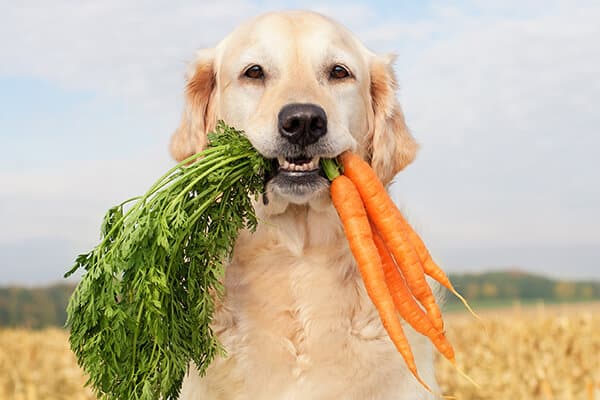
Dog with carrot pet medicine pharmacy

Which human foods can dogs eat?

Dogs have a different digestive system from humans. This means that some foods that are safe for people can be harmful or even very dangerous for dogs.

However, many human foods are also safe for dogs and can provide important nutrients and health benefits.

Here, we look at which people foods are safe for dogs and which not to feed them.

So, which human foods can dog eat?

While many people foods are safe for dogs, they should generally only eat in them moderation.

Human foods that are safe for dogs include:


Carrots

Carrots are a healthful food for dogs. Chewing on carrots can help remove plaque from their teeth and otherwise promote good dental health.

Carrots are also a good source of vitamin A, which is beneficial for a dog’s immune system, skin, and coat.

However, too much vitamin A can be toxic, so feed a dog carrots in moderation.


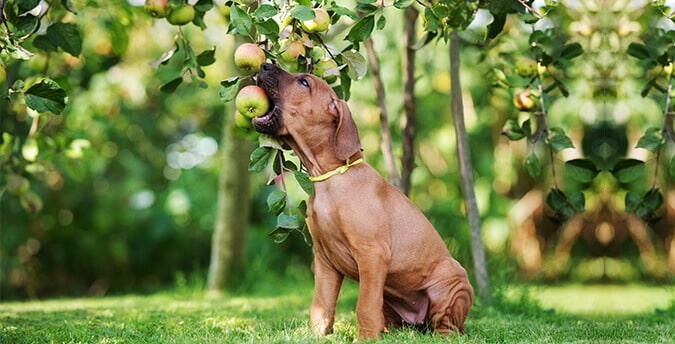
Applesdog eat apples

Apples provide many important vitamins for dogs, including vitamins A and C.

Apples are also a good source of fiber, which can help regulate a dog’s digestion. However, eating rotting apples can lead to alcohol poisoning in dogs.


White riceWhite rice

Cooked, plain white rice can be a good option for a dog with an upset stomach, as it is easy to digest and helps bind stool.

White rice can cause blood sugar levels to rise, however, so dogs with diabetes should only eat it in small amounts.


Dairy productsDairy products

Dairy products, such as milk, cheese, and plain yogurt, are safe for dogs to have in very small quantities.

Eating too much dairy can cause digestive problems. This is because dogs have low levels of lactase, a digestive enzyme that breaks down the sugars in milk.

Dogs with lactose intolerance should not eat dairy products. Signs of lactose intolerances include diarrhea or vomiting after consuming anything that contains dairy.


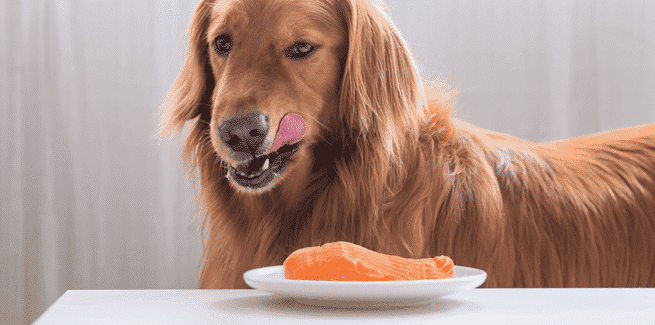
Fishdog eat fish

Salmon, shrimp, and tuna are all safe for dogs to eat and good sources of protein.

Salmon and tuna are rich sources of omega-3 fatty acids, which can help keep a dog’s immune system, coat, and skin healthy.

The B vitamins in shrimp can also help maintain a dog’s digestive system and promote healthy blood circulation.

It is important to cook fish before feeding it to a dog, as uncooked fish can contain harmful parasites.


Chicken

Plain, boiled chicken with no seasoning is a good option when a dog has an upset stomach.


Peanut butter

Unsalted peanut butter with no added sugar or sweeteners is safe for dogs to eat in moderation.

Peanut butter contains many beneficial elements, including vitamins E and B, niacin, healthful fats, and protein.

However, it is vital to check that the peanut butter does not contain a sweetener called xylitol, which is highly toxic to dogs.

Anyone who suspects that their dog has ingested xylitol should immediately contact a veterinarian or call an Animal Poison Control Center.


Plain popcornPlain popcorn

Plain popcorn, without salt, butter, or sugar, can be a nutritional treat for dogs.

Popcorn contains minerals such as magnesium, phosphorus, and zinc, which are all important for keeping dogs healthy.

Make sure dogs do not eat any unpopped popcorn kernels, as this could cause them to choke.


PorkPork

Unseasoned, cooked pork is safe for dogs to eat.

However, they should only consume small portions of pork, as the high fat content is hard for dogs to digest, and it can cause inflammation and pancreatitis.

Refrain from feeding dogs bacon or processed ham, due to the high salt contents.


Turkey

Cooked turkey is safe for dogs to eat, but it should be plain and unseasoned. Many commercial dog foods contain turkey, as it is a good source of protein.

Before giving cooked turkey to a dog, remove the fat first. Too much fat can cause pancreas issues in dogs.


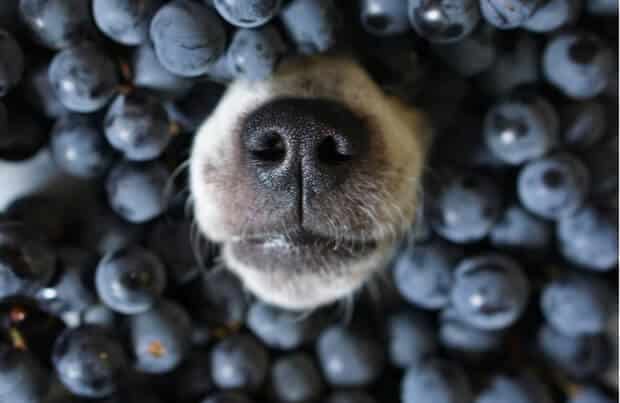
Blueberriesdogs-eat-blueberries

Blueberries are safe for dogs to eat and a rich source of fiber, antioxidants, and phytochemicals, which can provide a range of health benefits for dogs.

Research from 2012 suggests that antioxidants may help improve age-related issues in older dogs.


Bananas

Dogs can eat bananas in moderation. They are full of magnesium, which is important for good bone health.

Due to their high sugar content, bananas should only be an occasional treat for dogs.


Cucumbers

Cucumbers are a safe, low-calorie snack for dogs, and they can be a good option for those who are overweight.

Cucumbers also contain plenty of vitamins and minerals, such as vitamin K.


Green beans

Plain green beans are a good, healthful snack for dogs. They are a source of protein and also contain calcium, iron, and vitamin K.

Dogs can eat green beans cooked or raw. However, avoid seasoning and chop up the beans first to prevent choking.


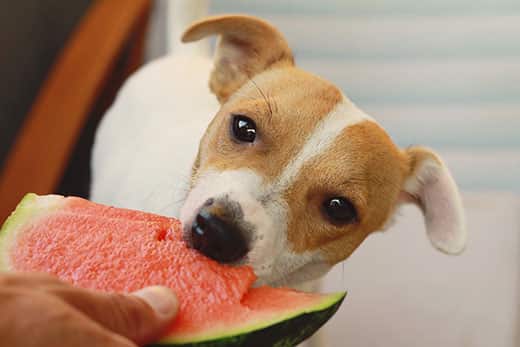
Watermelonjack-russell-terrier-eats-watermelon

Watermelon is safe for dogs to eat, but it is important to remove all the seeds first, as these can block the intestines.

Chewing on the rind can also cause an upset stomach, so remove this too before giving the watermelon to a dog.

Watermelon has a high water content, so it can help keep dogs hydrated. It is also a good source of vitamins A, C, and B-6.


Which foods can harm dogs?

Some foods that are perfectly safe for humans can cause problems or illness in dogs.

Anyone who suspects that their dog has eaten something toxic should call a veterinarian or Animal Poison Control Center immediately.

Avoid giving a dog:


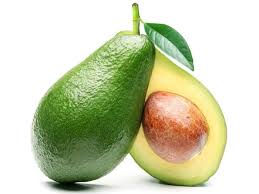
AvocadoAvocado

Avocados contain a substance called persin, which is toxic to dogs and can cause vomiting and diarrhea.


Cherries

Cherry pits contain cyanide, which is poisonous. They can also be a choking hazard or block the intestines if a dog swallows them.


Chocolate, coffee, and caffeine

Never give chocolate, coffee, or anything containing caffeine to dogs.

These products contain chemicals called methylxanthines, which are highly toxic to dogs. The chemicals can cause vomiting, an abnormal heart rate, seizures, and sometimes death.

Chocolate treats are available for dogs, but these contain a special chocolate substitute that is safe for them to eat.


Raisins and grapes

Grapes, raisins, sultanas, and currants are all highly toxic to dogs. Even small quantities can cause kidney failure and, in some cases, death.

Also, refrain from giving dogs any product that may contain these foods, such as fruit cake or malt loaf.


Citrus fruits

Citrus plants and their fruits, such as oranges and lemons, contain citric acid. While eating small amounts of the peeled fruit is okay for some dogs, it can cause an upset stomach.

In larger quantities, citric acid can lead to nervous system depression.


Cinnamon

Although not toxic, large amounts of cinnamon can cause vomiting, diarrhea, and liver disease in dogs.


Coconut products

Dogs should not drink coconut water, due to its high levels of potassium.

A person should also limit how much coconut oil or flesh they give their dog, as these foods can cause upset stomach or diarrhea.


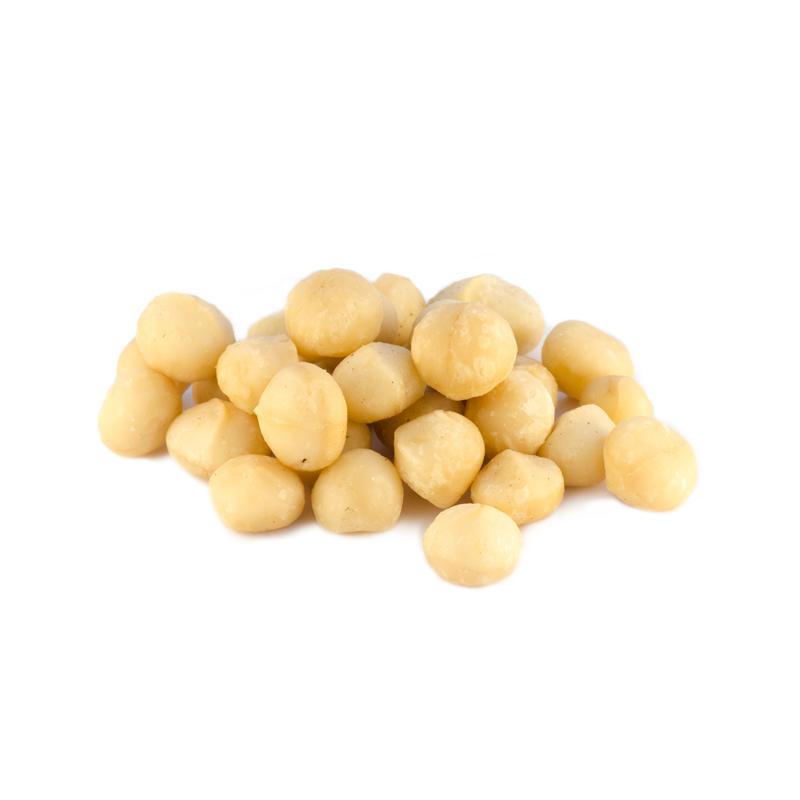
NutsMacadamia nuts

Avoid giving nuts to dogs.

Macadamia nuts are poisonous to dogs and can cause muscle weakness, vomiting, lethargy, and hyperthermia.

Other types of nuts can cause dogs to choke.


Ice cream

Dogs should not eat ice cream, due to its high sugar content. Also, some dogs are lactose intolerant.


Onions, garlic, and chives

Onions, garlic, and chives are all part of the Allium genus. They contain substances called organosulfoxides, which are toxic to dogs and may lead to vomiting, diarrhea, and stomach pain.

Organosulfoxides can also cause anemia in dogs.


Raw or undercooked meatRaw or undercooked meat

Raw meat can contain Escherichia coli and Salmonella, which are types of bacteria that can cause food poisoning in dogs and humans. Cooking the meat properly kills the bacteria.

In recent years, certain manufacturers have promoted the benefits of raw meat for dogs, and some boutique products contain it.

It is important to understand that raw meat diets pose health risks to dogs and may not provide a complete nutritional balance.


Raw eggs

Eating raw eggs can lead to biotin deficiency in dogs, which may affect the health of their skin and coat.


Salty foods

Too much salt can cause excessive thirst and urination in dogs, as well as sodium ion poisoning.

Symptoms of this poisoning can include:


  • vomiting
  • diarrhea
  • involuntary shaking, or tremors
  • high temperature
  • seizures


XylitolXylitol

Xylitol is a sugar substitute that manufacturers add to a variety of human foods.

However, xylitol is highly toxic to dogs. It can cause liver failure and dangerously low blood sugar levels.


Bread doughBread dough

While bread is generally safe for dogs, the dough can be very dangerous.

The yeast in dough can cause it to keep expanding inside the dog’s stomach, which can cause bloating and lead to dangerous complications. The yeast also produces ethanol, and this can cause alcohol poisoning.


Alcohol

Never give a dog alcohol or products containing it. Alcohol is very dangerous for dogs and can lead to a range of serious complications, including coma and death.


Summary

Many human foods are safe and nutritious for dogs. However, a person should generally feed dogs these foods in moderation, as larger quantities can lead to health issues.

Consult a veterinarian before giving human foods to dogs with:


  • diabetes
  • weight issues
  • food sensitivities
  • liver or kidney disease
  • other health concerns

It is crucial to keep any foods or substances that are dangerous for dogs out of their reach.

Foods that are especially harmful to dogs include:


  • anything containing alcohol
  • chocolate, coffee, and caffeine
  • products containing xylitol

If in doubt about a particular food, speak to a veterinarian before giving it to the dog.

Anyone who suspects that their dog has ingested something potentially harmful should immediately call a veterinarian or an Animal Poison Control Center for advice.

Posted on Leave a comment

Dogs can get heatstroke, too. Here’s which breeds are most at risk

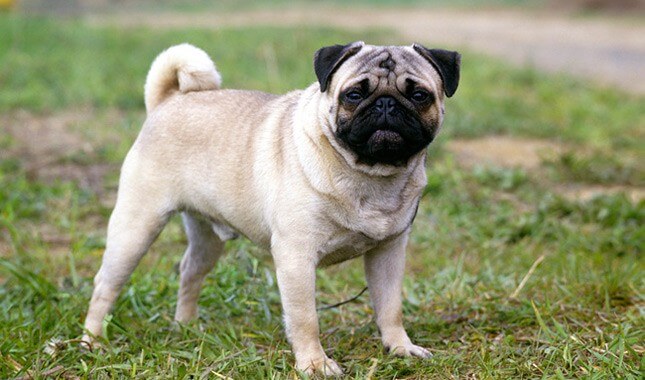
pug dog pet pharmacy

Dogs can get heatstroke, too

Excessive panting on hot, humid days is one warning sign.

dog heatstroke

As the days grow hotter, some dog owners may need to take extra precautions to protect their pets from potentially fatal heatstrokes, a study published Thursday suggests.

British researchers determined that certain breeds, as well as those that are older and/or overweight, may be more likely to suffer from the heat-related illness than others. In general, most at risk are dogs that weigh more than 110 pounds, and also breeds with flat faces — such as pugs and French bulldogs — according to the study in Scientific Reports.

The breeds identified at the highest risk of heatstroke were:

  • Chow chow
  • Bulldog
  • French bulldog
  • Dogue de Bordeaux
  • Greyhound
  • Cavalier King Charles spaniel
  • Pug
  • Golden retriever
  • Springer spaniel

Chow chows, for example, were 16 times more likely to develop heatstroke compared to Labradors.

“I would recommend all dog owners consider if your pet is at increased risk of heat stroke,” said Emily Hall, the lead author and a senior lecturer in veterinary nursing science at Nottingham Trent University in the United Kingdom. “Are they overweight? Are they a giant breed? Are they elderly? Are they one of the breeds identified as having a higher risk?”

If your dog is at higher risk, you should know the signs of overheating, she said in an email. That way “you can act promptly in an emergency [and also] really take care in warm weather to avoid putting any dog at risk of this potentially fatal condition.”

Signs that a dog is overheating include excessive panting, vomiting, excessive drooling, bloody diarrhea and if it collapses, said Dr. Kenneth Drobatz, a professor and the chief of the section of critical care in the department of clinical sciences and advanced medicine at the University of Pennsylvania School of Veterinary Medicine. Drobatz was not involved with the new research.

To take a closer look at the risk of heatstroke, Hall and her colleagues scoured records from veterinary care practices in the U.K. Out of a total of 905,543 dogs, 395 had confirmed heat-related illness events and 56 died.

Flat-faced breeds, such as bulldogs, are especially vulnerable because their breathing is compromised by the shape of their skulls, Hall explained.

“Dogs use panting to cool down, which works by passing air over the nasal passages allowing evaporative heat loss,” she said. “Dogs with shorter muzzles (brachycephalic breeds) have less area to allow heat loss.”

These dogs also tend to have narrowed airways, which means the dog has to work harder to pant, she said.

Prevention is key

Dog owners should pay careful attention on hot, humid days because dogs will keep going even as they are overheating, Drobatz said. “They will keep exercising till they drop.”

“Prevention is more important than anything else,” he said. “You need to recognize these dogs are at risk and should not go out in a hot humid environment.”

Sometimes dogs get into trouble because of their enthusiasm for play, said Dr. Daniel Fletcher, an associate professor of emergency and critical care at the Cornell University College of Veterinary Medicine.

“The ones with excited, active personalities will just go and chase the ball and chase the ball and chase the ball,” he said. “You don’t realize they are in trouble till it’s too late. They’re a little too good to us, to their own detriment sometimes.”

Dogs that are panting excessively should be taken to a cool area and ideally doused with water at room temperature, Fletcher said.

“If the dog is not back to normal breathing in 15 minutes it’s a good idea to get the dog to a vet,” he added. “If the dog’s temperature goes above 107 or 108, you can get damage to the organs and the dog’s ability to make blood clots.”

Even if the dog appears to have returned to normal, the owner should be watchful, Fletcher said. “Sometimes they may initially seem to go back to normal, but in a couple of hours or a day the dog might develop kidney failure or respiratory or heart issues,” he said.

Owners should be aware of signs including “lethargy, vomiting, diarrhea, blood in the stool, dark stool, or bruising or pinpoint red spots seen on the skin,” Fletcher said, adding that these symptoms necessitate a trip to an emergency vet. 

In our store you can buying dog vaccinations and buy dogs heart vaccines online. 

Posted on Leave a comment

Firefighters document the dramatic rescue of a puppy trapped in a drain

firefighters online pet pharmacy homelabvet

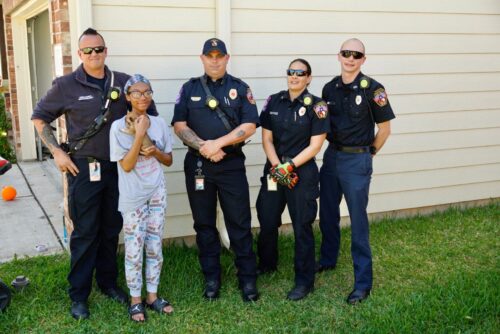
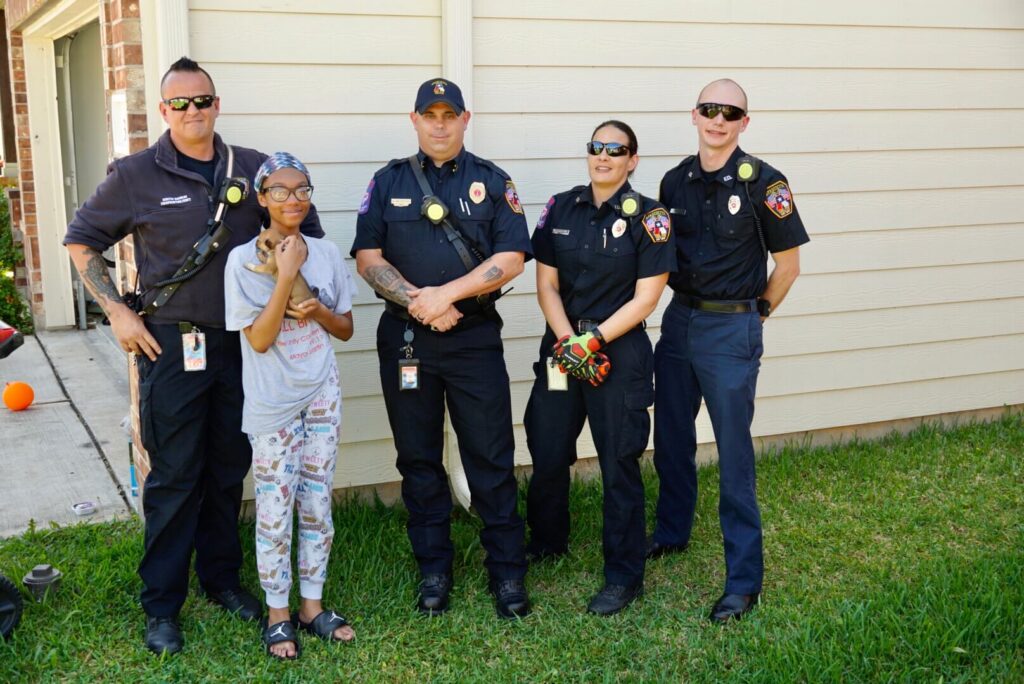
Firefighters in southeast Texaslassoed and rescued a wayward puppy

that had become trapped in a sewer pipe on Friday, authorities said.

firefighters

The hour-long animal emergency operation unfolded in Atascocita, about 25 miles outside of downtown Houston, where the pooch fell down the exposed pipe, officials said.

The line ran about seven feet deep before it curved, stopping the puppy’s fall and allowing firefighters the chance to painstakingly wrap rope around it, Battalion Chief Vincent Rodriguez told NBC News.

“It was a very small puppy and it was very scared,” said Rodriguez. “We were getting a little worried for a while, but those guys (firefighters) remained calm and got the job done.”

Firefighter Keith Sagray “lassoed” the pup, Rodriguez said, while Jennifer Hannon shined a light down the long, six-inch-wide pipe and rookie Colin Kuykendahl handed out all the tools during his first day on the job.

The department live tweeted the operation, commenting “so close” during near misses before finally declaring: “PUPPY RESCUED!!!”

Firefighters told the relieved puppy owners to place chicken wire over the hole, and then call the city to have the opening permanently filled.


Posted on Leave a comment

What information you need to know before bringing home your new pet ?

labrador my pet veterinary prescriptions online

Bringing home a new pet

In the past couple of months, pretty much everyone I know has chosen to foster or adopt a pet. Most were prompted by a gut need for unconditional love and companionship. So, it’s no wonder that dog and cat fostering and adoption levels are at an all-time high. Kelly DiCicco, manager of adoptions promotions at the ASPCA Adoption Centre, says “there’s no doubt that the response from people across the country willing to open their homes to animals in need during this challenging time has been enormous and unprecedented.”

But as tempting as it may sound to have a furry friend to comfort you these days, there is much to consider before you bring an animal into your home, not least of which is the fact that animals will forever be dependent on you; unlike kids, who eventually (you hope!) fend for themselves, you will always need to feed, discipline and clean up after your pet.

Pat Miller, a certified professional dog trainer and behaviour consultant and the director of Peaceable Paws Academies in Fairplay, Maryland, says she sees too many people getting pets without thinking through all that it entails – a phenomenon not unique to the pandemic. “Happens all the time. We are just seeing more of it now because so many people who are sitting at home with nothing to do are deciding it’s a good time to get a pet.”

Miller says that before you get a pet, you must make sure everyone in your home is on board. That doesn’t mean everyone in the house needs to be responsible for taking care of the pet, but there needs to be some level of universal agreement around having the pet.

“Animals do not need to come into an environment where there is conflict over their presence,” she says. She suggests setting clear guidelines and rules of what the pet is allowed to do – and not do – in advance. Questions to consider: is the animal allowed on the furniture? Where will the animal sleep? Who is going to clean up, walk and feed the animal? Who is the primary trainer? What happens when everyone goes back to school and back to work? “The more you think through ahead of time, the less conflict and confusion there is for the animal.”

Miller also suggests finding a vet, groomer, pet sitter (you’ll need one someday!) and trainer before bringing an animal home. Interview them about their methods and determine whether they are on the same philosophical page as you. For example, Miller is a force-free trainer; she is adamant about not using pain coercion in training, but there are others, she says, who are not.

Other prep work to do: purchase supplies in advance, and set everything up before the pet’s arrival. DiCicco’s must-have list for cats: a collar, litter and litter box (make sure you have a spot to put them), food, toys and bowls. For dogs: a leash, collar and harness, bed, food, toys, bowls and crate.

DiCicco says you also need to make sure that your home is safe before and after you bring your pet home. Remove all items from the floor that could be eaten or chewed, and keep electrical wires out of reach. Also, check that your house plants are safe. The ASPCA has compiled a list of plants that are toxic to animals that should be removed from your home or put out of reach (aspca.org). Other potential pet hazards: vertical blinds, curtains that pool on the floor, tassels and long cords.

If you are adopting/purchasing a cat, install high-quality metal screens on all windows. And keep in mind that cats are excellent climbers, so pet-proofing for a cat means more than just keeping the floor area safe; move plants and fragile objects to a protected area. For kittens, DiCicco says to block any small hideouts where the kitten could escape or get stuck, including around and underneath appliances.

Because scratching is a natural behaviour for cats, DiCicco recommends investing in a scratching post to prevent destruction of other objects. And just as cats need to be able to scratch, dogs need to be able to chew. Provide appropriate chew toys; Miller suggests Kong dog toys (kongcompany.com), which come in a variety of sizes and firmness, or Dog Tuff toys (dogtuff.com).

If you are getting a puppy or dog who is not yet house-trained, create a special area for the dog using baby gates or a collapsible pen, so any accidents don’t damage carpets. (You should roll up and store decorative rugs until your new dog is fully house-trained.) Miller prefers baby gates that are pressure-mounted (no need to screw them into door frames) and that are easy-open walk-through. And she suggests using a crate to help train your dog. “When properly used, a crate is the easiest way to house-train and manage a puppy, because dogs come with a natural inhibition against soiling their own den.” For the house-training process, Miller says to use a smaller crate, so the dog can’t soil one side and lie comfortably on the other. Once a dog is fully house-trained, switch to a more spacious crate.

When you bring your pet home, DiCicco says to give them some space to get acquainted with the sights, sounds and scents of their new home while keeping an eye on them as they settle in. “And remember to take things at their pace and follow their lead.”

Some cats are more sensitive than others, so they may settle in better if initially confined to one room, DiCicco says. Gradually give them more space to explore over time. This helps them adjust to their environment without feeling too overwhelmed.

If you already have pets, provide the new pet with a quiet area away from the other animals while they get acclimated, potentially for their first few days or weeks, and take initial introductions very slowly. DiCicco suggests trying scent swapping – giving one animal something that smells like the other – before introducing them. This improves your chances of having a successful first introduction.

Miller is not a fan of animal doors; she says it’s best that you control when your dog goes in and out. “It’s your responsibility to make sure that your dog gets out as often as he needs to, not only to go to the bathroom, but also to exercise.” She adds: “If your animal has an accident indoors, it’s your fault.”

Lastly, Miller says to opt for a physical fence and not an invisible underground shock fence (which she thinks should be illegal). “Invisible dog fences don’t keep things out, so they don’t protect your dog from something coming in and getting them, and they contribute to unwanted aggressive behaviour.”