Posted on Leave a comment

From ice cubes to sun cream. How to keep your dog cool in the hot weather

grooming a dog best online pet pharmacy homelabvet

How to keep your dog cool in the hot weather

The UK saw its hottest day of the year on Thursday but as Brits enjoy a week of glorious sunshine, those with pets have more to think about than just which factor SPF to apply. 

dog cool in the hot weather

Over-exposure to heat and sunshine can be harmful for animals as well as humans.

Vets Now, a provider of emergency veterinary care, warned that the average survival rate of a dog diagnosed with heatstroke was 50 percent.

The RSPCA said it had received 330 calls in regard to animal welfare and the hot weather since March 23, adding it was expecting “hundreds more” as temperatures increase this week.

Heatstroke, sunburn and dehydration are all things to consider when it comes to caring for your pet.

Here is a list of dos and don’ts to help you keep your dog cool, healthy and happy during the heatwave.

Remember water

If you go for a walk, take a bottle of water so your dog can drink from your hands every hour. If you plan to linger away from home, take a water bowl as well.

Provide ways to cool down

Even if you do not have enough space for a paddling pool or garden sprinklers (although these will go down well!), laying out a damp towel in the shade is a great way to give your pup a quick way to cool down. If you’re dog is looking very hot and bothered, hold an ice cube to the back of his neck.

Groom regularly
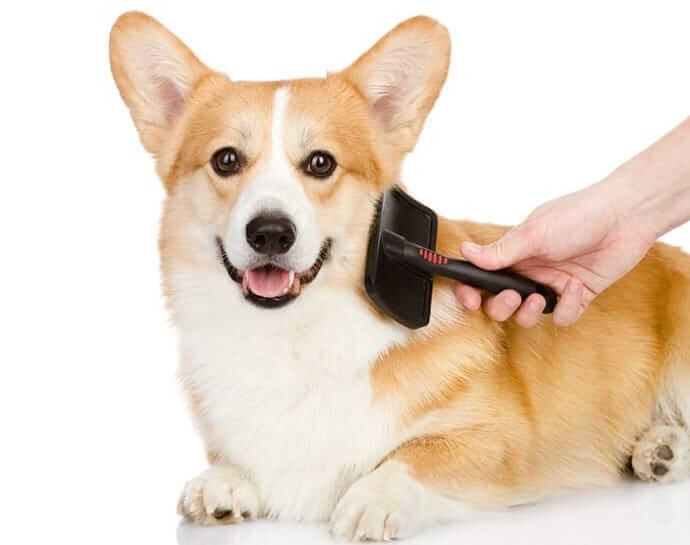
Grooming prevents knots building up in your dog’s coat. Matting like this can trap heat and be very uncomfortable during the summer.

Consider buying sun cream

Dogs with thin coats or lightly-coloured fur are the most vulnerable to burning. Speak to your vet about whether your animal needs sun cream. If so, you can pick up specialised creams at most pet shops.

Look out for symptoms of heat stroke

Heatstroke occurs when an animal is unable to reduce its body temperature. It can be fatal.

Battersea Dogs Home has listed the following as symptoms to watch out for:

  • Heavy panting
  • Glazed eyes
  • Rapid pulse
  • Excessive salivation
  • Lack of coordination
  • Vomiting or diarrhoea

If your dog is suffering from many of these symptoms, you need to act fast. Immediately take them out of the sun and help them to cool with wet towels, ice cubes and drinking water.

Don’t:

Leave your dog in a car

Like babies, dogs should not be left in cars. Under the sun’s glare, cars can rapidly reach dangerously hot temperatures with fatal consequences. If you see a dog in a hot car (even in the shade) call 999.

Play high-exertion games

Fetch might not be ideal for dogs who struggle with heat. If your dog seems to be one of them, play around with slow-paced games, like hiding treats for them to sniff out.

Go for a walk in the heat of the day

Avoid the hours around midday for your walk – if you feel the need to wear a hat, that is sure indication your dog will be uncomfortable walking under the glaring sun. Pick a route with a good amount of shade.

Expect your dog to walk on boiling surfaces

Again, if you are tiptoe-sprinting over a surface like hot coal, your dog’s paws are probably burning too. Tarmac and sand can be too much for a dog’s foot pads after a roasting in the sun, so help him or her find another way.

Over-cool your dog

If you do sense your dog is overheating – even if they have severe heatstroke symptoms – be wary over-cooling. Ice baths, for example, could send your pet into shock if its body temperature is very high. Stick to cool towels and single ice cubes. Give them small sips of water rather than enormous gulps.

In our store you can buying dog vaccinations and buy puppy vaccines online.

Posted on Leave a comment

Dog delivers food to quarantined neighbour

Dog delivers food to quarantined neighbour

A dog in Colorado has been helping its owner’s neighbour get through self-isolation by delivering food supplies to her home.

Dog delivers food during Covid-19

Renee Hellman has underlying respiratory issues and has been advised to quarantine herself completely due to the coronavirus outbreak, making her unable to go food shopping.

“She got the list, she gave it to Sunny, Sunny brought it to me,” Ms Evelth told KKTV. “I went to the store, got her groceries, and he delivered them all to her.”

Ms Hellman has said the visits from Sunny have not only helped her immensely, not just from a practical perspective, but from a companionship one too given that she is home alone.

“It’s been fun,” she said. “It’s been a real treat.

“Little things like Sunny coming over to visit is nice and it makes you feel good. It’s a way of communicating.”

Sunny has also been collecting the post for Ms Evelth, who hopes her story will inspire similar acts of kindness.

“Anybody can do something small, that can be so helpful,” she said.


Posted on Leave a comment

Monitoring environmental exposures in dogs could be early warning system for human health

Monitoring environmental exposures in dogs could be early warning system for human health

Man’s best friend may also be man’s best bet for figuring out how environmental chemicals could impact our health. Researchers from North Carolina State University and Duke University’s Nicholas School of the Environment used silicone dog tags as passive environmental samplers to collect information about everyday chemical exposures, and found that dogs could be an important sentinel species for the long term effects of environmental chemicals.

a man and the dog

“Silicone monitoring devices are still relatively new, but they represent an inexpensive and effective way to measure exposure to the chemicals we encounter in daily life — from pesticides to flame retardants,” says Catherine Wise, Ph.D. candidate at NC State and lead author of a paper describing the work. “And we know that many human diseases caused by environmental exposure are similar clinically and biologically to those found in dogs.”

Wise and researchers from NC State and Duke recruited 30 dogs and their owners to wear silicone monitors for a five-day period in July 2018. Humans wore wristbands, while the dogs wore tags on their collars.

The researchers analyzed the wristbands and tags for exposures to chemicals within three classes of environmental toxicants that are often found in human blood and urine: pesticides, flame retardants, and phthalates, which are found in plastic food packaging and personal care products. They found high correlations between exposure levels for owners and their pets. Urinalysis also revealed the presence of organophosphate esters (found in some flame retardants) in both owners and dogs.

“What was remarkable about these results were the similar patterns of exposure between people and their pets,” says Heather Stapleton, Ronie-Richelle Garcia-Johnson Distinguished Professor, director of the Duke Environmental Analysis Laboratory at the Nicholas School and co-author of the research. “It’s quite clear that the home environment contributes strongly to our daily exposure to chemical contaminants.”

However, while dogs and humans may share similar exposures, the health effects do not follow similar timelines — a fact that could aid researchers in teasing out relationships between chemical exposure and human health. “Dogs are special when it comes to linking exposures and disease outcomes because effects that may take decades to show up in humans can occur in one to two years in a dog,” Wise says.

“Humans spend incredible amounts of time with their dogs — that’s especially true right now,” says Matthew Breen, Oscar J. Fletcher Distinguished Professor of Comparative Oncology Genetics at NC State and corresponding author of the paper. “If we develop ways to correlate dog disease with their exposures over time, it may give human-health professionals the opportunity to mitigate these exposures for both species. Dogs are a powerful biological sentinel species for human disease.”

Materials provided by North Carolina State University. 

Posted on Leave a comment

The puppy has watery eyes: what to do?

The puppy has watery eyes: what to do?

One of the most “vulnerable” in all plans of organs in the animal’s body is the eyes. Any of their pathologies is fraught with very serious problems, up to complete / partial blindness. Consider a situation when a puppy’s eyes watery: what to do in this case.

  1. 1 Main causes of lacrimation in puppies
  2. 2 Optimization of conditions of detention
  3. 3 Simple Eye Wash Products
  4. 4 Tearing of allergic origin
  5. 4.1 Change feed
  6. 4.2 Antiparasitic treatment.

The main causes of lacrimation in puppies

However, seeing the puppy’s tears, you do not need to panic right away. It is possible that this phenomenon is caused by completely natural, harmless reasons:

  •  The indoor or outdoor air is dusty. Strictly speaking, this reason is not particularly harmless, since the ingress of dust into the conjunctival cavity is fraught with inflammation.
  •  Severe emotional stress.
  •  Heat and dry air.
  •  In bulldogs and other representatives of brachycephalic breeds, eyes are watery constantly. This, in connection with the features of their anatomical development, is considered the norm…

But still more often watery eyes with a variety of diseases. In the case of puppies, this is especially important, since lacrimation is a common symptom of viral pathologies. And they are critically dangerous for kids.

Content optimization

Since a frequent cause of lacrimation is dryness and dustiness of the air, it is necessary to exclude the influence of these negative factors:

  •  If possible, use a humidifier when turning on central heating.
  •  The room must be regularly ventilated, avoiding, however, the appearance of drafts.
  •  In the room you need to regularly do wet cleaning, avoiding extreme dust. This is especially important in the spring when the air contains a lot of pollen from trees and flowers. This will protect the health of both pets and the owners themselves. In addition, wet cleaning is especially important in urban areas, when there is a lot of dust in the street air, regardless of the season.

Simple Eye Wash

With lacrimation of the eyes, it will not hurt to rinse them. Washing will remove contaminants and allergens from the conjunctival cavity (if any). At home, you can use the funds from the assortment of a regular first-aid kit. They are inexpensive and quite effective with timely use:

  •  Normal saline. Yes, it does not have anti-inflammatory and antibacterial properties, but it perfectly flushes out contaminants from the conjunctival cavity. Before use, the solution is heated to 37 ° C.
  •  If there is no saline solution at hand, the use of distilled or boiled and settled water is permissible. It also needs to be heated.
  •  A solution of furatsilin. It is better to buy it in finished form at the pharmacy, warning the seller that it is required for washing the eyes (the concentration of furatsilin solutions for different purposes differs).
  •  Eyes can be washed with tea leaves (leafy, not from bags). This tool can be used no more than four times a day because increasing the frequency of treatments often causes dry eyes.
  •  A solution of chlorhexidine 0.05%. A drug in such a concentration is better to buy in a pharmacy; it is problematic to make it yourself. You can wash your eyes with a decoction of chamomile and oak (1: 1), up to three times a day. This composition has a good anti-inflammatory, bacteriostatic and healing effect.

Lacrimation of allergic origin

If the puppy’s eyes began to water suddenly and in the spring, or lacrimation appeared after the baby went outside, it makes sense to suspect an allergic reaction. Of course, it is better to consult a veterinarian right away, but if this is not possible, you can help your puppy yourself:

  •  Pets of small breeds are given ¼ tablets of diphenhydramine; larger puppies are allowed to give up to ½ tablets.
  •  In the same doses, Suprastin can be given. If within about one and a half hours from the moment the pill was delivered, there are no visible improvements, then lacrimation is probably not caused by allergies. Feeding a puppy with antihistamines is harmful and useless, you need to call a veterinarian.

If within about one and a half hours from the moment the pill was delivered, there are no visible improvements, then lacrimation is probably not caused by allergies. Feeding a puppy with antihistamines is harmful and useless, you need to call a veterinarian

Feed change

If the puppy’s eyes began to watery during accustoming to a new feed, or during the transition to adult food, we recommend immediately changing the diet. There is no need to immediately rush for special hypoallergenic food. It is enough to first change the brand or manufacturer. If this does not help, we recommend consulting your veterinarian nutritionist and allergist.

Antiparasitic treatment

It is very likely that chronic, sluggish allergic reactions are a consequence of the presence of parasites in the puppy’s body. They can manifest themselves not only in the form of lacrimation but also in a strange rash on the stomach and groin.
Again, we warn that sudden tearfulness can be a sign of dangerous viral pathologies, and therefore the puppy should be shown to the veterinarian anyway!

There are a lot of different quality medicines at homelabvet.com.