The method of storing food can greatly affect the freshness, nutrition, and taste of food. In addition, a fairly common cause of poisoning is a spoiled product. In order to store dry food properly, you must keep it in a cool, dry place and in an airtight container. Canned food should be stored in the refrigerator (not in the freezer!) in a closed container after opening and discard after a few days if not consumed.
The Council: buy as much food as you think your pet can eat at a certain time. Do not buy food by weight: you do not know how long the food is in the open state.
Food should not be sold in the open state! It loses its usefulness, nutrition, sometimes just dangerous for the pet!
Yes, you just don’t know if you’re buying exactly the food you want. If it is profitable for you to buy food by weight, then think about the possible consequences of using a spoiled product and possible financial losses in the treatment of your pet.
There is always a way out: you can buy food by cooperating with relatives, friends, and neighbors.
Food should not be sold in the open state! It loses its usefulness, nutrition, sometimes just dangerous for the pet!
Store food in a dry, cool, sun-protected environment that does not exceed 36 degrees Celsius. Higher temperatures lead to the destruction of nutritional properties, vitamins, makes food rancid.
Keep the food in its original packaging with a zip lock or a special container for food. Plastic bags or simple containers have a smell that can greatly change the taste of food. Always roll the top of the feed tightly (if stored in its original packaging) to better seal it. Tip: on the outside of the container, place information about the feed, including the expiration date, manufacturer and brand names, UPC code, and batch number. Make sure you change the label every time you open a new bag of food.
Do not store dry food on the ground, in a garage, or in a cold or wet basement (only wet food can be stored there). At normal temperatures in the apartment, it is better to store food in storerooms or kitchen cabinets without access to your Pets (and small children, of course).
Wet food should not be left in the bowl for more than four hours. If the pet has not eaten the entire portion, it should be thrown away and the bowl should be thoroughly washed. The best option would be to adjust the feeding rate at a time.
Place the remaining wet food in the refrigerator. The temperature of the refrigerator should be approximately 4.5-8 degrees Celsius. You can’t freeze food. Open cans can be stored in the refrigerator for a maximum of 3 days (preferably less). Any open canned food that has not been consumed during these days should be discarded.
In the refrigerator, it is better to store open canned food in closed quality (odorless) containers. It can be stored in cans when tightly closed with a plastic lid. Before serving, warm up the wet food to room temperature (you can use a microwave oven).
If you are going for a walk or on a trip, choose a convenient purse or bag for storing food or treats.
You can buy online some interesting things for your pet at Homelab Pet Store.
Dogs have a different digestive system from humans. This means that some foods that are safe for people can be harmful or even very dangerous for dogs.
However, many human foods are also safe for dogs and can provide important nutrients and health benefits.
Here, we look at which people foods are safe for dogs and which not to feed them.
So, which human foods can dog eat?
While many people foods are safe for dogs, they should generally only eat in them moderation.
Human foods that are safe for dogs include:
Carrots
Carrots are a healthful food for dogs. Chewing on carrots can help remove plaque from their teeth and otherwise promote good dental health.
Carrots are also a good source of vitamin A, which is beneficial for a dog’s immune system, skin, and coat.
However, too much vitamin A can be toxic, so feed a dog carrots in moderation.
Apples
Apples provide many important vitamins for dogs, including vitamins A and C.
Apples are also a good source of fiber, which can help regulate a dog’s digestion. However, eating rotting apples can lead to alcohol poisoning in dogs.
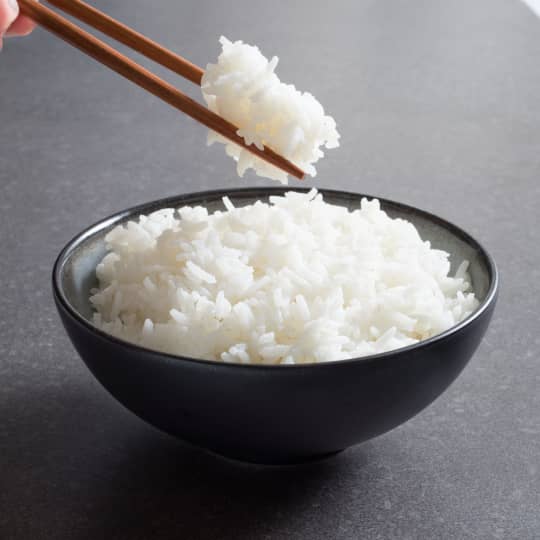
White rice
Cooked, plain white rice can be a good option for a dog with an upset stomach, as it is easy to digest and helps bind stool.
White rice can cause blood sugar levels to rise, however, so dogs with diabetes should only eat it in small amounts.
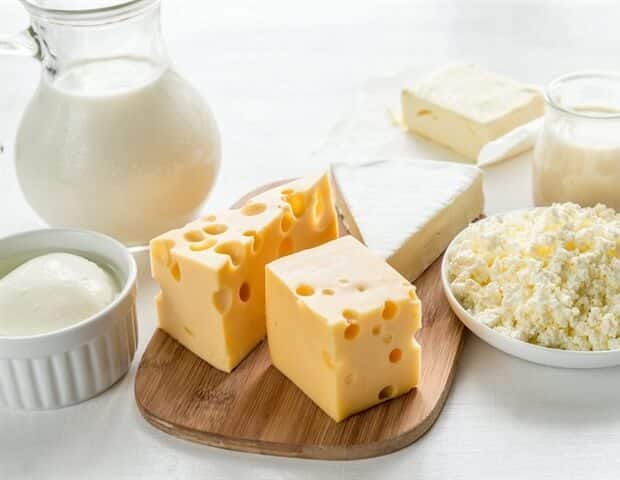
Dairy products
Dairy products, such as milk, cheese, and plain yogurt, are safe for dogs to have in very small quantities.
Eating too much dairy can cause digestive problems. This is because dogs have low levels of lactase, a digestive enzyme that breaks down the sugars in milk.
Dogs with lactose intolerance should not eat dairy products. Signs of lactose intolerances include diarrhea or vomiting after consuming anything that contains dairy.
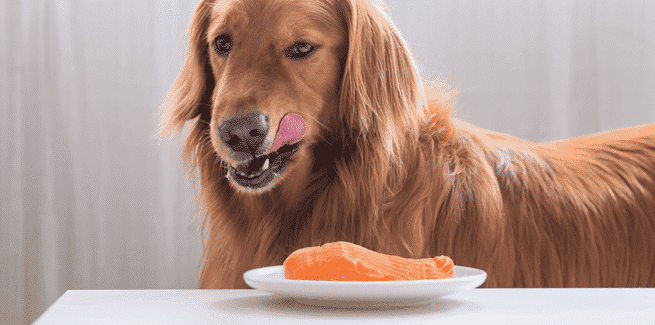
Fish
Salmon, shrimp, and tuna are all safe for dogs to eat and good sources of protein.
Salmon and tuna are rich sources of omega-3 fatty acids, which can help keep a dog’s immune system, coat, and skin healthy.
The B vitamins in shrimp can also help maintain a dog’s digestive system and promote healthy blood circulation.
It is important to cook fish before feeding it to a dog, as uncooked fish can contain harmful parasites.
Chicken
Plain, boiled chicken with no seasoning is a good option when a dog has an upset stomach.
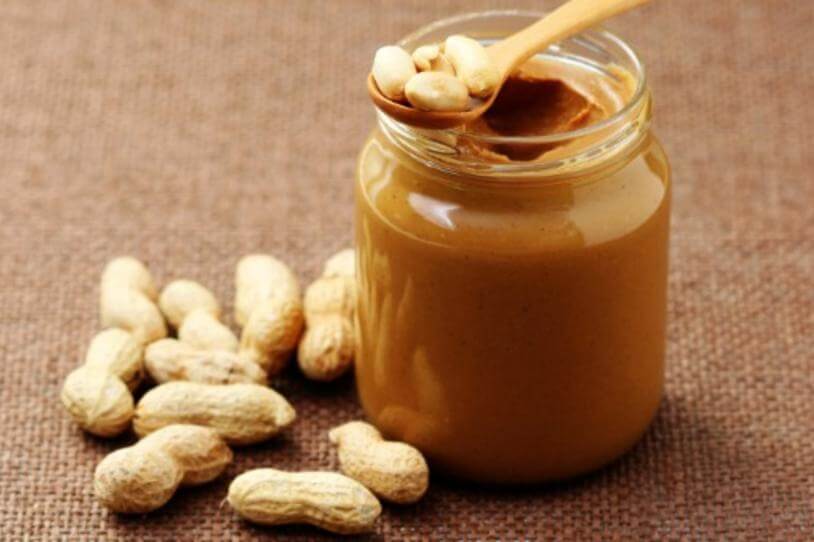
Peanut butter
Unsalted peanut butter with no added sugar or sweeteners is safe for dogs to eat in moderation.
Peanut butter contains many beneficial elements, including vitamins E and B, niacin, healthful fats, and protein.
However, it is vital to check that the peanut butter does not contain a sweetener called xylitol, which is highly toxic to dogs.
Anyone who suspects that their dog has ingested xylitol should immediately contact a veterinarian or call an Animal Poison Control Center.
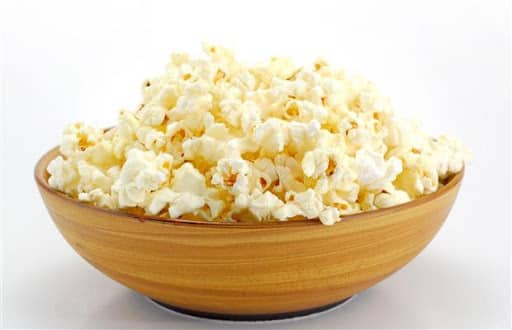
Plain popcorn
Plain popcorn, without salt, butter, or sugar, can be a nutritional treat for dogs.
Popcorn contains minerals such as magnesium, phosphorus, and zinc, which are all important for keeping dogs healthy.
Make sure dogs do not eat any unpopped popcorn kernels, as this could cause them to choke.
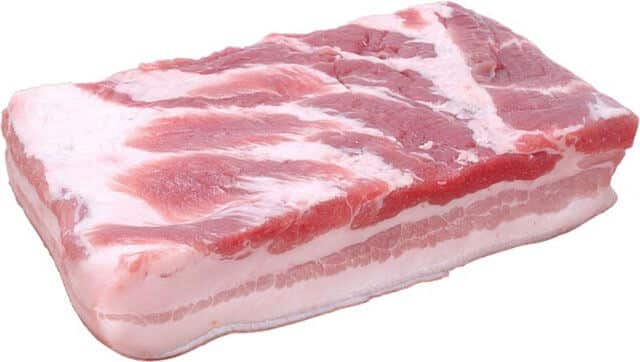
Pork
Unseasoned, cooked pork is safe for dogs to eat.
However, they should only consume small portions of pork, as the high fat content is hard for dogs to digest, and it can cause inflammation and pancreatitis.
Refrain from feeding dogs bacon or processed ham, due to the high salt contents.
Turkey
Cooked turkey is safe for dogs to eat, but it should be plain and unseasoned. Many commercial dog foods contain turkey, as it is a good source of protein.
Before giving cooked turkey to a dog, remove the fat first. Too much fat can cause pancreas issues in dogs.
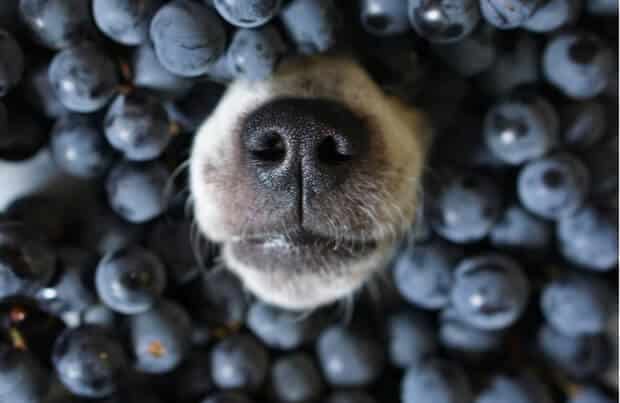
Blueberries
Blueberries are safe for dogs to eat and a rich source of fiber, antioxidants, and phytochemicals, which can provide a range of health benefits for dogs.
Research from 2012 suggests that antioxidants may help improve age-related issues in older dogs.
Bananas
Dogs can eat bananas in moderation. They are full of magnesium, which is important for good bone health.
Due to their high sugar content, bananas should only be an occasional treat for dogs.
Cucumbers
Cucumbers are a safe, low-calorie snack for dogs, and they can be a good option for those who are overweight.
Cucumbers also contain plenty of vitamins and minerals, such as vitamin K.
Green beans
Plain green beans are a good, healthful snack for dogs. They are a source of protein and also contain calcium, iron, and vitamin K.
Dogs can eat green beans cooked or raw. However, avoid seasoning and chop up the beans first to prevent choking.
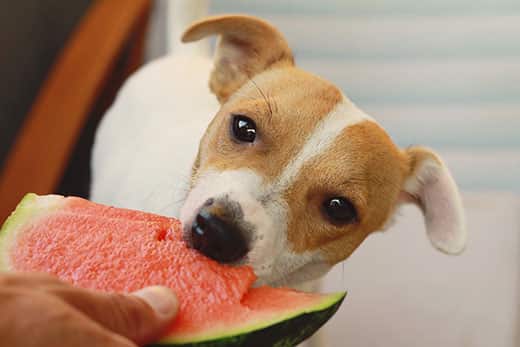
Watermelon
Watermelon is safe for dogs to eat, but it is important to remove all the seeds first, as these can block the intestines.
Chewing on the rind can also cause an upset stomach, so remove this too before giving the watermelon to a dog.
Watermelon has a high water content, so it can help keep dogs hydrated. It is also a good source of vitamins A, C, and B-6.
Which foods can harm dogs?
Some foods that are perfectly safe for humans can cause problems or illness in dogs.
Anyone who suspects that their dog has eaten something toxic should call a veterinarian or Animal Poison Control Center immediately.
Avoid giving a dog:
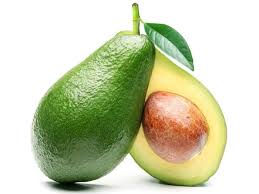
Avocado
Avocados contain a substance called persin, which is toxic to dogs and can cause vomiting and diarrhea.
Cherries
Cherry pits contain cyanide, which is poisonous. They can also be a choking hazard or block the intestines if a dog swallows them.
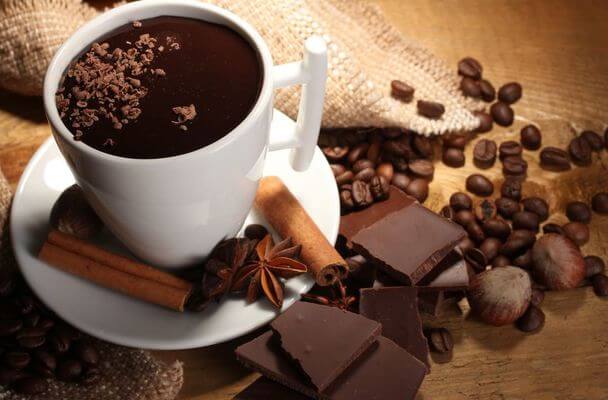
Never give chocolate, coffee, or anything containing caffeine to dogs.
These products contain chemicals called methylxanthines, which are highly toxic to dogs. The chemicals can cause vomiting, an abnormal heart rate, seizures, and sometimes death.
Chocolate treats are available for dogs, but these contain a special chocolate substitute that is safe for them to eat.
Raisins and grapes
Grapes, raisins, sultanas, and currants are all highly toxic to dogs. Even small quantities can cause kidney failure and, in some cases, death.
Also, refrain from giving dogs any product that may contain these foods, such as fruit cake or malt loaf.
Citrus fruits
Citrus plants and their fruits, such as oranges and lemons, contain citric acid. While eating small amounts of the peeled fruit is okay for some dogs, it can cause an upset stomach.
In larger quantities, citric acid can lead to nervous system depression.
Cinnamon
Although not toxic, large amounts of cinnamon can cause vomiting, diarrhea, and liver disease in dogs.
Coconut products
Dogs should not drink coconut water, due to its high levels of potassium.
A person should also limit how much coconut oil or flesh they give their dog, as these foods can cause upset stomach or diarrhea.
Nuts
Avoid giving nuts to dogs.
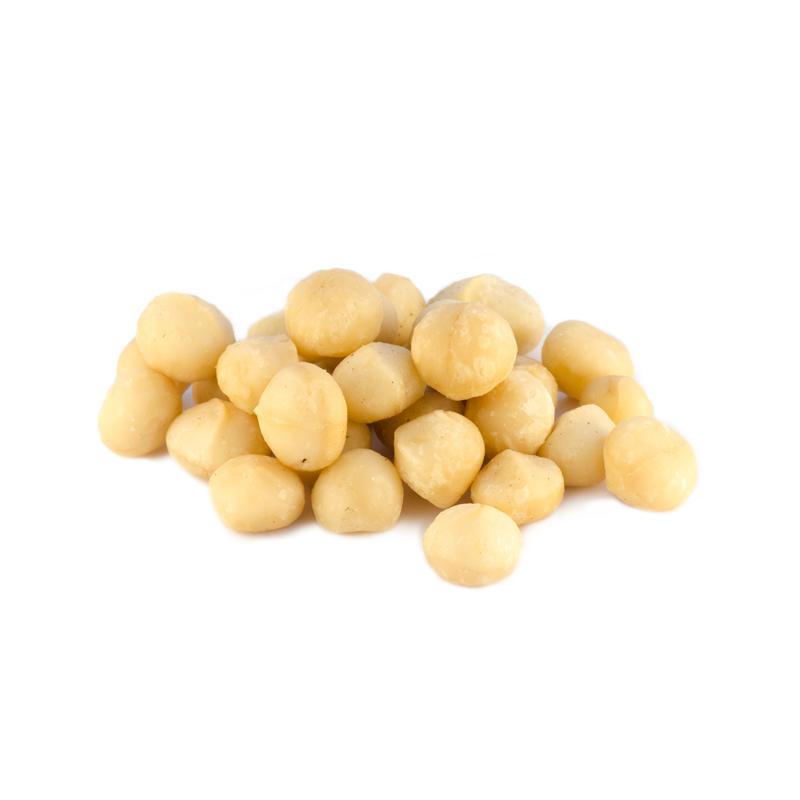
Macadamia nuts are poisonous to dogs and can cause muscle weakness, vomiting, lethargy, and hyperthermia.
Other types of nuts can cause dogs to choke.
Ice cream
Dogs should not eat ice cream, due to its high sugar content. Also, some dogs are lactose intolerant.
Onions, garlic, and chives
Onions, garlic, and chives are all part of the Allium genus. They contain substances called organosulfoxides, which are toxic to dogs and may lead to vomiting, diarrhea, and stomach pain.
Organosulfoxides can also cause anemia in dogs.
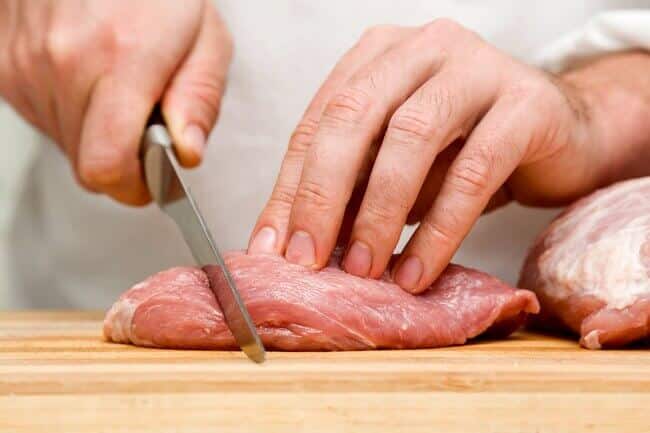
Raw or undercooked meat
Raw meat can contain Escherichia coli and Salmonella, which are types of bacteria that can cause food poisoning in dogs and humans. Cooking the meat properly kills the bacteria.
In recent years, certain manufacturers have promoted the benefits of raw meat for dogs, and some boutique products contain it.
It is important to understand that raw meat diets pose health risks to dogs and may not provide a complete nutritional balance.
Raw eggs
Eating raw eggs can lead to biotin deficiency in dogs, which may affect the health of their skin and coat.
Salty foods
Too much salt can cause excessive thirst and urination in dogs, as well as sodium ion poisoning.
Symptoms of this poisoning can include:
vomiting
diarrhea
involuntary shaking, or tremors
high temperature
seizures
Xylitol
Xylitol is a sugar substitute that manufacturers add to a variety of human foods.
However, xylitol is highly toxic to dogs. It can cause liver failure and dangerously low blood sugar levels.
Bread dough
While bread is generally safe for dogs, the dough can be very dangerous.
The yeast in dough can cause it to keep expanding inside the dog’s stomach, which can cause bloating and lead to dangerous complications. The yeast also produces ethanol, and this can cause alcohol poisoning.
Alcohol
Never give a dog alcohol or products containing it. Alcohol is very dangerous for dogs and can lead to a range of serious complications, including coma and death.
Summary
Many human foods are safe and nutritious for dogs. However, a person should generally feed dogs these foods in moderation, as larger quantities can lead to health issues.
Consult a veterinarian before giving human foods to dogs with:
diabetes
weight issues
food sensitivities
liver or kidney disease
other health concerns
It is crucial to keep any foods or substances that are dangerous for dogs out of their reach.
Foods that are especially harmful to dogs include:
anything containing alcohol
chocolate, coffee, and caffeine
products containing xylitol
If in doubt about a particular food, speak to a veterinarian before giving it to the dog.
Anyone who suspects that their dog has ingested something potentially harmful should immediately call a veterinarian or an Animal Poison Control Center for advice.
There are plenty of people foods we’d love to share with our dogs, but some are much healthier than others. In fact, some foods are even toxic to our dogs. But fear not, there are certain human snacks that can actually benefit our four-legged friends. To see what they are, check out this list of the healthiest human food dogs can eat:
(As always, practice moderation and check with your vet before making any dietary changes.)
Peanut Butter. Peanut Butter is one of the best treats to give to dogs because it lasts them so long! Plus, its packed full of protein, healthy fats, niacin, vitamin B and vitamin E. Unsalted peanut butter is the best, as too much salt is just as bad for dogs as it is for people. Make sure you check your peanut butter to make sure it DOES NOT contain sugar substitutes like Xylitol, which can be deadly for dogs.
Chicken. Chicken can be fed to our dogs a variety of ways. Cooked chicken meat is a perfectly suitable snack or meal additive, but cooked bones should never be fed to dogs. On the other hand, both raw chicken and raw chicken bones are healthy for our dogs to eat. Cooked bones splinter and can be dangerous, while raw bones are soft and chewy.
Cheese. (Note: some dogs are lactose intolerant, and any dairy products should be given in small amounts.) If your dog is not lactose intolerant, cheese is an excellent treat choice. Cottage cheese is fed often by many dog owners because it’s high in protein, calcium and is bland and easy to digest.
Carrots. Carrots are high in fiber and vitamin A while being low in calories, so they make a great snack for your pooch. Chewing raw carrots is also beneficial for your dog’s teeth. If you’ve got an overweight dog, carrots are a great choice for treats because of their low calorie content.
Yogurt. Yogurt is full of protein, calcium and digestive cultures and is an excellent way to improve your pup’s digestive health. Make sure the yogurt you choose includes live active cultures and is non-fat with no sweetener or flavor.
Pumpkin. Canned pumpkin or fresh, cooked pumpkin with no added sugars and spices is a great choice for dogs with a sensitive stomach. It’s also an excellent source of vitamin A and fiber.
Eggs. Eggs can be fed raw or cooked and both have great health benefits. Raw eggs should also be fed with a shell, giving the full amount of biotin, protein, riboflavin and selenium. Cooked eggs should be prepared plain with no salt, pepper or any other seasoning.
Green beans. Green beans are highly recommended by veterinarians for owners looking to help their dogs lose weight. They are very high in fiber but low in calories, making them a healthy treat alternative that’s filling but won’t add any weight.
Salmon. Salmon is very high in health omega-3 fatty acids and is typically the fish used to make fish oils for our pets. Whether you want to give your pooch unseasoned cooked salmon or some capsules, you’ll be providing healthy vitamins for them. Do not give your dog uncooked salmon for any reason.
Sweet potatoes. Sweet potatoes work similarly to pumpkin as they are high in vitamin A, fiber and other nutrients. They are easily digestible when steamed or baked, served unseasoned.
Apples. Sliced apples are a healthy and tasty treat for dogs that are full of phytonutrients, vitamin A and vitamin C. They can be given with the skin on, but avoid feeding the seeds as they naturally contain cyanide.
Oatmeal. Oatmeal is found in many dog foods and for those not sensitive to grains, it can be a healthy additive to your dog’s meal. Not only is it packed with vitamins and minerals, it’s an excellent source of dietary fiber.
You love your pet, so you want to feed him the best-quality food that you can find. But pet food nutrition labels aren’t the same as those for human food. It can be hard to tell if one product is better than another by simply reading the name on the label.
Keep your eyes open for a few signs that you’re buying the best food for your dog or cat.
Ingredients Aren’t Enough
When you shop for yourself, you might read the list of ingredients to see what’s in the food that you’re thinking about buying. So it makes sense if you look at ingredients on pet food packages as well.
“That’s where the pet parents’ eyes are drawn,” says Julie A. Churchill, DVM, PhD, associate professor of nutrition at the University of Minnesota College of Veterinary Medicine.
An ingredients label lists food by weight, with the heaviest item listed first and the lightest item last. Heavier foods that sound good (berries or carrots) may be higher up on the list than other foods that weigh less (dried meat), but that may not tell the whole story.
“Things that are water-rich — fruits and vegetables — that will push them to the top of the list,” Churchill says. “Meat and chicken are 70% water, so they’re heavier [and listed higher on the label]. Owners may mistakenly say: ‘It’s got more meat in it,’ but it may have less chicken in it than those foods that add chicken meal, which is a cooked, dry product.”
Read the Fine Print
Most companies that sell dog and cat food include a statement on the package based on the Association of American Feed Control Officials (AAFCO) Model Pet Food Regulations. It should say whether a food is designed for puppies or kittens, pregnant pets, or adults. It may have other details as well.
It’s not the most prominent part of the label,” Churchill says. “It’s usually in small print.”
Many AAFCO statements say that the food is “complete,” which means that it contains all of the nutrients that pets require. It may also say that the food is “balanced,” which means that those nutrients are there in the proper ratios for dogs or cats at that stage of life.
Research Is Key
The best thing that an AAFCO statement can say, experts say, is that the product was used in a feeding test using AAFCO guidelines.
“They fed their product to dogs or cats in different life stages, so it’s not just a formula on paper being sold,” says veterinary nutritionist Martha G. Cline, DVM, vice president of the American Academy of Veterinary Nutrition.
Products that have been tested are more likely to have the health benefits they promise than those that haven’t been tested.
“Some companies have very nice science behind them,” says Nolie Parnell, DVM, clinical associate professor at Purdue University College of Veterinary Medicine. “They spend time and resources, maximizing health in our pets. Other companies don’t even have a budget for research and aren’t putting that investigating time in.”
If you’re unsure about what’s best for your dog or cat, ask your vet for help.
“They should have the basic knowledge to make basic recommendations,” Parnell says. “They should have the skill set to see if the food company is reputable.”
Your vet may suggest certain food for your dog’s breed.
“There’s not one perfect dog food for every dog,” Cline says. “Every dog and cat is going to be a little bit different. There’s not one perfect diet out there that’s going to be the right diet for every single animal.”
Even if you’re happy with your pet’s food, ask your vet every now and then if your choice is still good.
“There isn’t one food that is ideal for your whole life,” Churchill says. “As your needs change, your veterinary team will make recommendations.”

 The method of storing food can greatly affect the freshness, nutrition, and taste of food. In addition, a fairly common cause of poisoning is a spoiled product. In order to store dry food properly, you must keep it in a cool, dry place and in an airtight container. Canned food should be stored in the refrigerator (not in the freezer!) in a closed container after opening and discard after a few days if not consumed.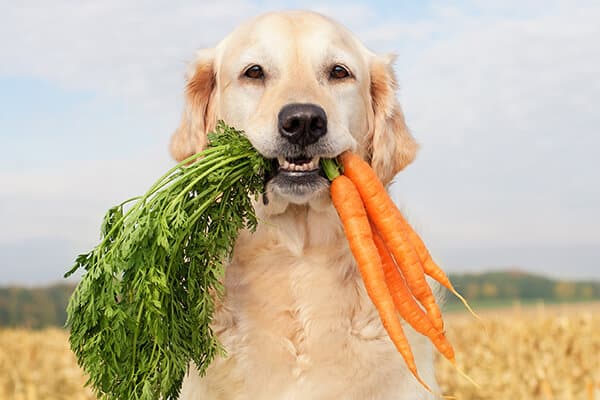

 Plain popcorn