Which human foods can dogs eat?
Dogs have a different digestive system from humans. This means that some foods that are safe for people can be harmful or even very dangerous for dogs.
However, many human foods are also safe for dogs and can provide important nutrients and health benefits.
Here, we look at which people foods are safe for dogs and which not to feed them.
So, which human foods can dog eat?
While many people foods are safe for dogs, they should generally only eat in them moderation.
Human foods that are safe for dogs include:
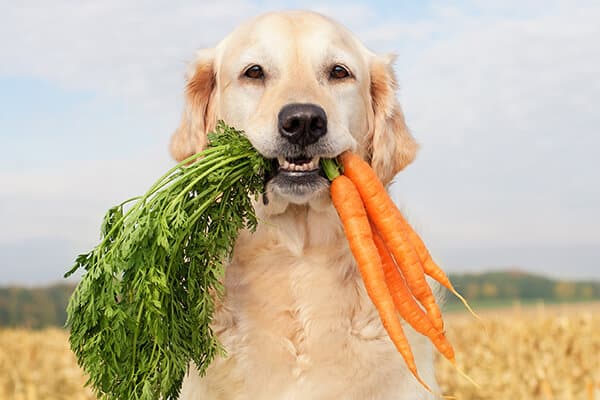
Carrots
Carrots are a healthful food for dogs. Chewing on carrots can help remove plaque from their teeth and otherwise promote good dental health.
Carrots are also a good source of vitamin A, which is beneficial for a dog’s immune system, skin, and coat.
However, too much vitamin A can be toxic, so feed a dog carrots in moderation.
Apples
Apples provide many important vitamins for dogs, including vitamins A and C.
Apples are also a good source of fiber, which can help regulate a dog’s digestion. However, eating rotting apples can lead to alcohol poisoning in dogs.
White rice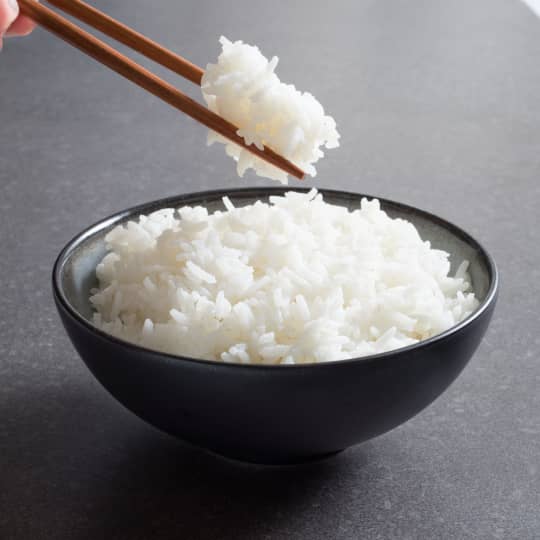
Cooked, plain white rice can be a good option for a dog with an upset stomach, as it is easy to digest and helps bind stool.
White rice can cause blood sugar levels to rise, however, so dogs with diabetes should only eat it in small amounts.
Dairy products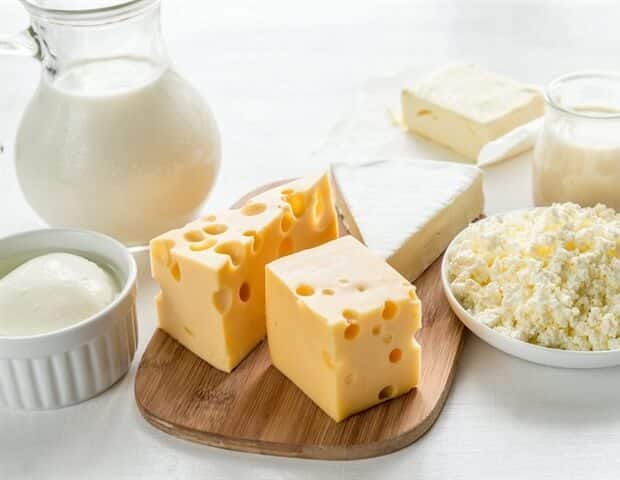
Dairy products, such as milk, cheese, and plain yogurt, are safe for dogs to have in very small quantities.
Eating too much dairy can cause digestive problems. This is because dogs have low levels of lactase, a digestive enzyme that breaks down the sugars in milk.
Dogs with lactose intolerance should not eat dairy products. Signs of lactose intolerances include diarrhea or vomiting after consuming anything that contains dairy.
Fish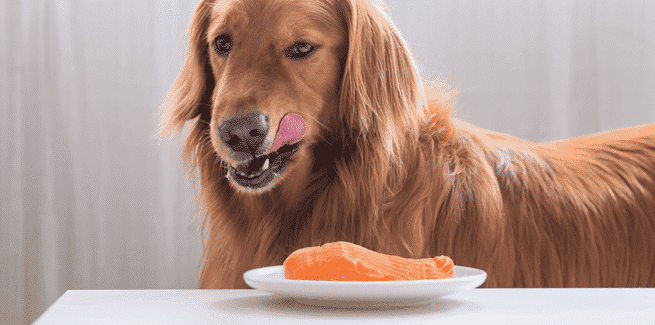
Salmon, shrimp, and tuna are all safe for dogs to eat and good sources of protein.
Salmon and tuna are rich sources of omega-3 fatty acids, which can help keep a dog’s immune system, coat, and skin healthy.
The B vitamins in shrimp can also help maintain a dog’s digestive system and promote healthy blood circulation.
It is important to cook fish before feeding it to a dog, as uncooked fish can contain harmful parasites.
Chicken
Plain, boiled chicken with no seasoning is a good option when a dog has an upset stomach.
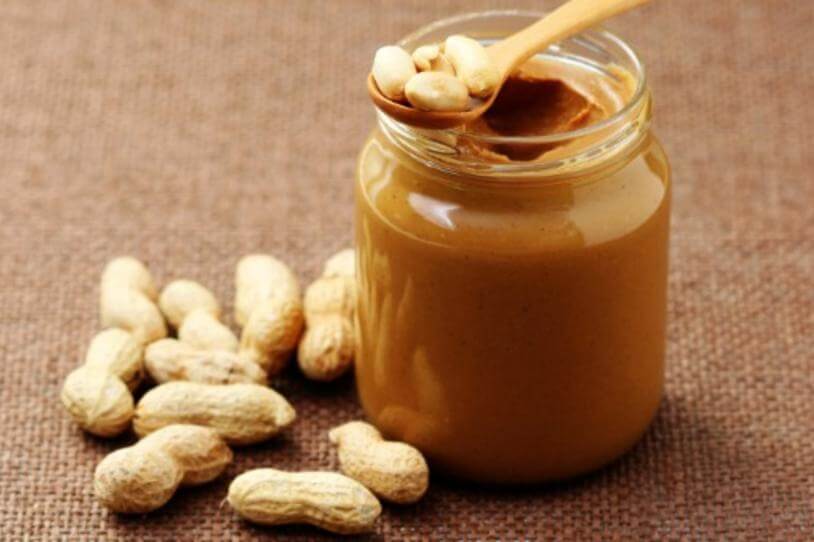
Peanut butter
Unsalted peanut butter with no added sugar or sweeteners is safe for dogs to eat in moderation.
Peanut butter contains many beneficial elements, including vitamins E and B, niacin, healthful fats, and protein.
However, it is vital to check that the peanut butter does not contain a sweetener called xylitol, which is highly toxic to dogs.
Anyone who suspects that their dog has ingested xylitol should immediately contact a veterinarian or call an Animal Poison Control Center.
 Plain popcorn
Plain popcorn, without salt, butter, or sugar, can be a nutritional treat for dogs.
Popcorn contains minerals such as magnesium, phosphorus, and zinc, which are all important for keeping dogs healthy.
Make sure dogs do not eat any unpopped popcorn kernels, as this could cause them to choke.
Pork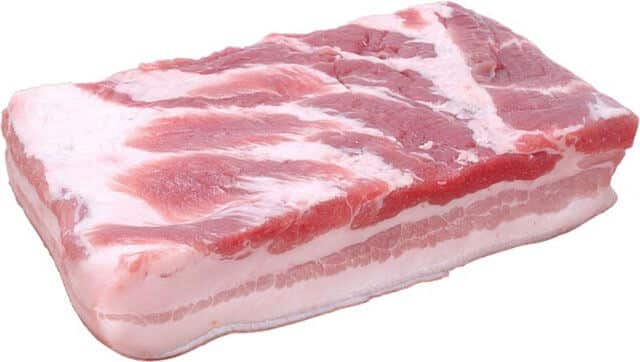
Unseasoned, cooked pork is safe for dogs to eat.
However, they should only consume small portions of pork, as the high fat content is hard for dogs to digest, and it can cause inflammation and pancreatitis.
Refrain from feeding dogs bacon or processed ham, due to the high salt contents.
Turkey
Cooked turkey is safe for dogs to eat, but it should be plain and unseasoned. Many commercial dog foods contain turkey, as it is a good source of protein.
Before giving cooked turkey to a dog, remove the fat first. Too much fat can cause pancreas issues in dogs.
Blueberries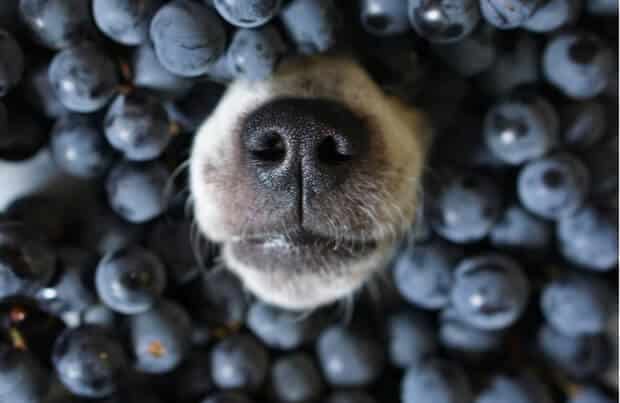
Blueberries are safe for dogs to eat and a rich source of fiber, antioxidants, and phytochemicals, which can provide a range of health benefits for dogs.
Research from 2012 suggests that antioxidants may help improve age-related issues in older dogs.
Bananas
Dogs can eat bananas in moderation. They are full of magnesium, which is important for good bone health.
Due to their high sugar content, bananas should only be an occasional treat for dogs.
Cucumbers
Cucumbers are a safe, low-calorie snack for dogs, and they can be a good option for those who are overweight.
Cucumbers also contain plenty of vitamins and minerals, such as vitamin K.
Green beans
Plain green beans are a good, healthful snack for dogs. They are a source of protein and also contain calcium, iron, and vitamin K.
Dogs can eat green beans cooked or raw. However, avoid seasoning and chop up the beans first to prevent choking.
Watermelon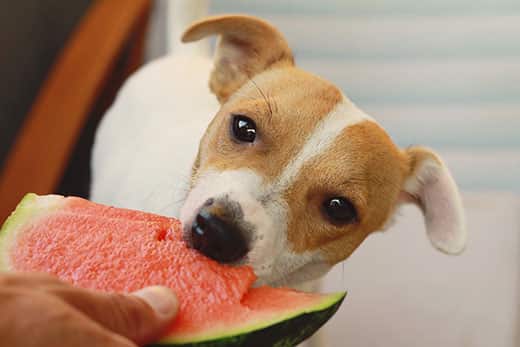
Watermelon is safe for dogs to eat, but it is important to remove all the seeds first, as these can block the intestines.
Chewing on the rind can also cause an upset stomach, so remove this too before giving the watermelon to a dog.
Watermelon has a high water content, so it can help keep dogs hydrated. It is also a good source of vitamins A, C, and B-6.
Which foods can harm dogs?
Some foods that are perfectly safe for humans can cause problems or illness in dogs.
Anyone who suspects that their dog has eaten something toxic should call a veterinarian or Animal Poison Control Center immediately.
Avoid giving a dog:
Avocado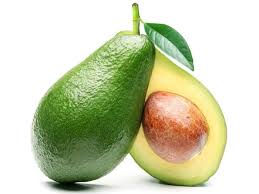
Avocados contain a substance called persin, which is toxic to dogs and can cause vomiting and diarrhea.
Cherries
Cherry pits contain cyanide, which is poisonous. They can also be a choking hazard or block the intestines if a dog swallows them.

Never give chocolate, coffee, or anything containing caffeine to dogs.
These products contain chemicals called methylxanthines, which are highly toxic to dogs. The chemicals can cause vomiting, an abnormal heart rate, seizures, and sometimes death.
Chocolate treats are available for dogs, but these contain a special chocolate substitute that is safe for them to eat.
Raisins and grapes
Grapes, raisins, sultanas, and currants are all highly toxic to dogs. Even small quantities can cause kidney failure and, in some cases, death.
Also, refrain from giving dogs any product that may contain these foods, such as fruit cake or malt loaf.
Citrus fruits
Citrus plants and their fruits, such as oranges and lemons, contain citric acid. While eating small amounts of the peeled fruit is okay for some dogs, it can cause an upset stomach.
In larger quantities, citric acid can lead to nervous system depression.
Cinnamon
Although not toxic, large amounts of cinnamon can cause vomiting, diarrhea, and liver disease in dogs.
Coconut products
Dogs should not drink coconut water, due to its high levels of potassium.
A person should also limit how much coconut oil or flesh they give their dog, as these foods can cause upset stomach or diarrhea.
Nuts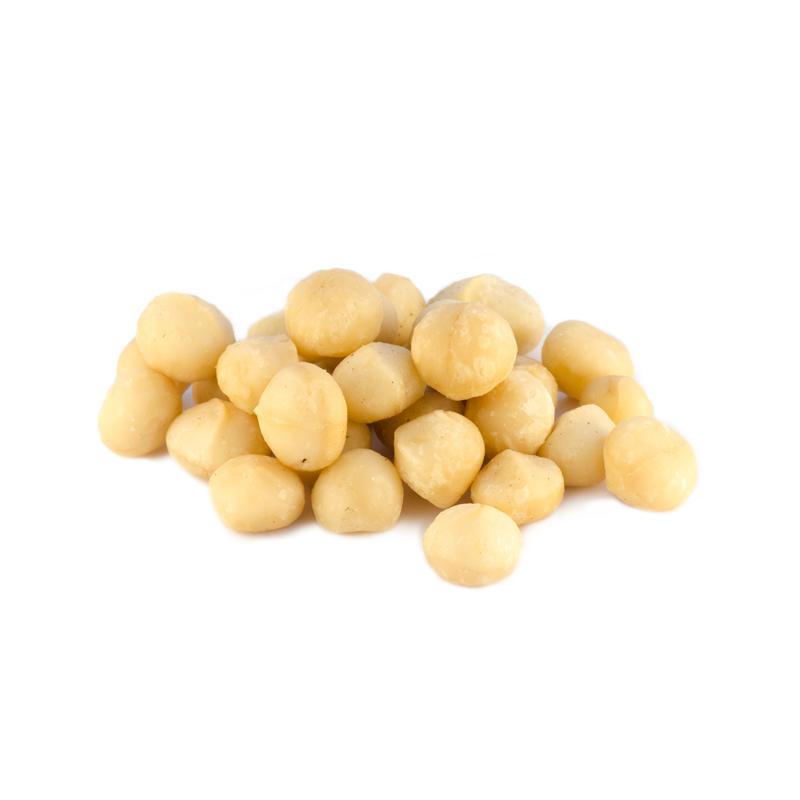
Avoid giving nuts to dogs.
Macadamia nuts are poisonous to dogs and can cause muscle weakness, vomiting, lethargy, and hyperthermia.
Other types of nuts can cause dogs to choke.
Ice cream
Dogs should not eat ice cream, due to its high sugar content. Also, some dogs are lactose intolerant.
Onions, garlic, and chives
Onions, garlic, and chives are all part of the Allium genus. They contain substances called organosulfoxides, which are toxic to dogs and may lead to vomiting, diarrhea, and stomach pain.
Organosulfoxides can also cause anemia in dogs.
Raw or undercooked meat
Raw meat can contain Escherichia coli and Salmonella, which are types of bacteria that can cause food poisoning in dogs and humans. Cooking the meat properly kills the bacteria.
In recent years, certain manufacturers have promoted the benefits of raw meat for dogs, and some boutique products contain it.
It is important to understand that raw meat diets pose health risks to dogs and may not provide a complete nutritional balance.
Raw eggs
Eating raw eggs can lead to biotin deficiency in dogs, which may affect the health of their skin and coat.
Salty foods
Too much salt can cause excessive thirst and urination in dogs, as well as sodium ion poisoning.
Symptoms of this poisoning can include:
- vomiting
- diarrhea
- involuntary shaking, or tremors
- high temperature
- seizures
Xylitol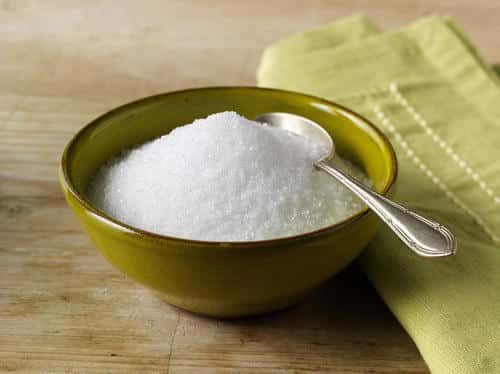
Xylitol is a sugar substitute that manufacturers add to a variety of human foods.
However, xylitol is highly toxic to dogs. It can cause liver failure and dangerously low blood sugar levels.
Bread dough
While bread is generally safe for dogs, the dough can be very dangerous.
The yeast in dough can cause it to keep expanding inside the dog’s stomach, which can cause bloating and lead to dangerous complications. The yeast also produces ethanol, and this can cause alcohol poisoning.
Alcohol
Never give a dog alcohol or products containing it. Alcohol is very dangerous for dogs and can lead to a range of serious complications, including coma and death.
Summary
Many human foods are safe and nutritious for dogs. However, a person should generally feed dogs these foods in moderation, as larger quantities can lead to health issues.
Consult a veterinarian before giving human foods to dogs with:
- diabetes
- weight issues
- food sensitivities
- liver or kidney disease
- other health concerns
It is crucial to keep any foods or substances that are dangerous for dogs out of their reach.
Foods that are especially harmful to dogs include:
- anything containing alcohol
- chocolate, coffee, and caffeine
- products containing xylitol
If in doubt about a particular food, speak to a veterinarian before giving it to the dog.
Anyone who suspects that their dog has ingested something potentially harmful should immediately call a veterinarian or an Animal Poison Control Center for advice.