Posted on Leave a comment

The 8 Best Flea and Tick Prevention Products for Dogs in 2021

k9 advantix dog price medications online homelabvet shop

Our editors independently research, test, and recommend the best products.

Our Top Picks

“These flea prevention soft chews are delivered through your dog’s bloodstream to kill ticks and fleas before they can lay eggs.”
“Offering up to 12 weeks of protection against fleas and ticks, this chew is available for both large and small breeds, 6 months and older.”
Just one application a month provides protection against fleas and heartworms.

 Flea and Tick Collars

These collars are treated with medication that releases slowly over the course of several months, meaning you only have to replace them a few times a year
Kills fleas, flea larvae, flea eggs, ticks, and mosquitoes on contact.
“Applied every 30 days, this topical kills fleas, flea eggs, flea larvae and ticks including the ones that carry lyme disease.”
“This waterproof topical treatment gives long-lasting protection for a full 30 days, killing fleas and ticks.”
“Working for up to 30 days to kill fleas, ticks, and mosquitoes on contact, this treatment can be used safely on dogs as young as seven weeks.”

Particularly if your pup spends a lot of time outdoors, it’s important to make sure that they’re protected from fleas and ticks (and the various diseases that they carry). But flea and tick prevention products aren’t just important for your dog’s comfort and health—they can also prevent you and your family from getting Lyme disease or another tick-borne illness.

From pills and chews to ointments and shampoos, there are plenty of options to choose from to keep your dog healthy. However, regardless of which tick prevention product you choose, you should still check your dog for ticks after time outdoors.

Read on for the most effective options on the market today.

nexgard chewebles afoxolaner

Your pup will like NexGard as much as you do because each month he’ll get his medicine as a tasty beef-flavored treat. From there, the main ingredient afoxolaner kicks in to kill fleas before they’ve had a chance to lay eggs, and ticks, including the Lone Star, black-legged, American dog, and brown dog varieties. Nexgard is also FDA-approved to help prevent infections that cause Lyme disease. In addition to effectiveness, because the drug is delivered through your pup’s bloodstream, other benefits include that your dog can get wet immediately and it’s safe for other pets and young children in your household.

You can buy it HERE.

bravecto

An oral chew is a particularly good option for breeds with thick or long coats (including collies and Shih Tzus), where topicals are harder to apply correctly and collars may not be as effective. Each of Bravecto’s prescription-only chews provides up to 12 weeks of protection against fleas and ticks, and starts to kill fleas in just two hours. They control four tick species: black-legged ticks, American dog ticks, brown dog ticks, and Lone Star ticks. If Lone Star ticks are a concern where you live, you may want to give your pet a chew every eight weeks.

The one downside to chews is that they don’t kill parasites on contact, rather your dog must get bitten first. If Lyme disease is prevalent in your area, you should talk to your vet about having your dog vaccinated.

You can buy it HERE.

Americans choice: Revolution (Stronghold) by Zoetis

revolution-plus stronghold

No matter how big or small, our dogs need our help to protect them from parasites. REVOLUTION (selamectin) provides that help. Just one application a month provides protection against fleas and heartworms, treats and controls ear mites and sarcoptic mange, and controls ticks infestations due to American dog ticks. REVOLUTION can treat puppies as young as 6 weeks, and is available in sizes to treat dogs up to 130 lbs with one simple monthly dose.

You can buy it HERE.

Flea and Tick Collars – Seresto/Foresto by Bayer

seresto by bayer

If you’re looking for a way to keep fleas off your dog, flea collars are a popular choice, as they’re extremely convenient to use. These collars are treated with medication that releases slowly over the course of several months, meaning you only have to replace them a few times a year, and they’re also less messy to apply than topical flea and tick treatments.

Most flea collars for dogs contain insecticides, which can pose risks to your family and other pets, so it’s important to carefully research the ingredients of these products before buying.

You can buy it HERE.

 Vet’s Best Flea & Tick Pet & Home Spray 
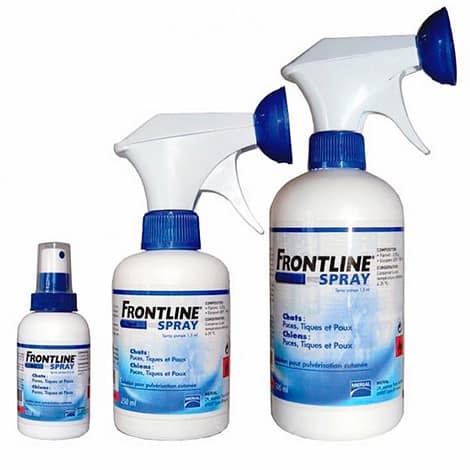
frontline-spray fipronil

Kills fleas, flea larvae, flea eggs, ticks, and mosquitoes on contact. When spraying your dog, be sure not to miss their armpits and in between their toes, two favorite hiding spots of parasites. It takes some trial and error to figure out how often you should spray your dog—some owners report spraying dogs daily at the start and then paring it back to weekly. You’ll also need to reapply if your dog gets wet.

You can buy it HERE.

Best for Small Dogs: Fipren (Sentry Fiproguard Plus analog)

Sentry Fiproguard Plus analog fipronil

Fipren is a fast-acting, long-lasting squeeze-on formula made to help protect your canine companion against dangerous pests. It’s formulated to kill fleas, flea eggs, flea larvae, ticks and chewing lice for up to 30 days. By killing flea eggs and larvae, this treatment helps break the flea life cycle. It also helps kill ticks that may transmit Lyme disease, providing your pup with even greater protection! This squeeze-on solution is waterproof, long lasting, fast acting and is intended to be used on dogs who are 8 weeks of age and older, weighing 5 to 22 pounds.

You can buy it HERE.

Fypryst FIPRONIL Frontline Plus Drops Treatment for Dogs 88 lbs image

This topical flea and tick treatment contains fipronil, which kills adult fleas and ticks, and (S)-methoprene to flea eggs and larvae. After you snap open the tube and apply the formula to your dog’s shoulder blades and back, it’s stored in the oil glands to give long-lasting protection for a full 30 days. Your dog should stay dry for at least 48 hours, but after that it’s waterproof and safe around young children. Frontline has been around for 20+ years and is recommended by many vets. The large variety is intended for dogs 45 to 88 pounds.

You can buy it HERE.

k9 advantix dog price medications online homelabvet shop

Not all flea and tick treatments are recommended for puppies, so it’s important to check with your vet first before purchasing one. K9 Advantix can be safely used on dogs as young as seven weeks and the small dog variety is made for dogs that weigh between 4 to 10 pounds. The topical works for 30 days and kills on contact, which means fleas, ticks, and mosquitoes don’t have to bite your pup for it to be effective. It starts killing fleas in 12 hours after application.

You can buy it HERE.

Final Verdict

Our best overall pick is the NexGard Soft Chew for Dogs (Homelabvet.com), which is as tasty as your pup’s favorite treat and works well to kill fleas before they’ve had a chance to spread infection.

Posted on Leave a comment

Tick Removal and Prevention for Dogs

tick in dog

How to Remove Ticks from Dogs and Keep Them From Coming Back

What should you do if you find a tick on your dog? Ticks are not just disgusting; they pose a health risk to your dog. It’s important to remove ticks and prevent more from affecting your dog.

tick in dog

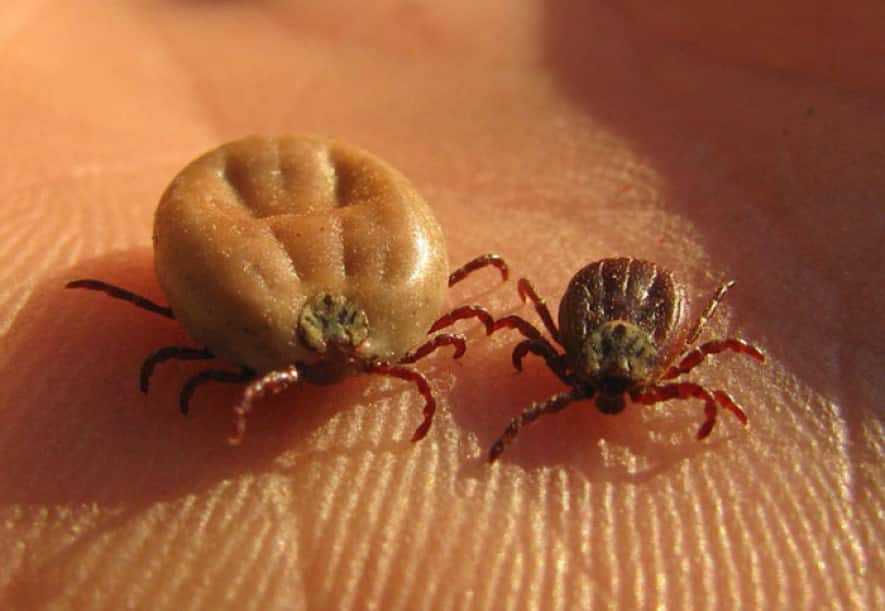
Ticks are parasitic arthropods that feed on the blood of their hosts. They can carry a variety of diseases that can affect dogs as well as humans. The best way to keep yourself and your dog safe is to prevent ticks from attaching to your dog in the first place. It is also important to look for ticks on your dog and safely remove them. This is essential if you live in a region known for ticks. Wooded areas are favorite spots for ticks, but they can live anywhere.

ticks

Finding and Removing Ticks from Your Dog

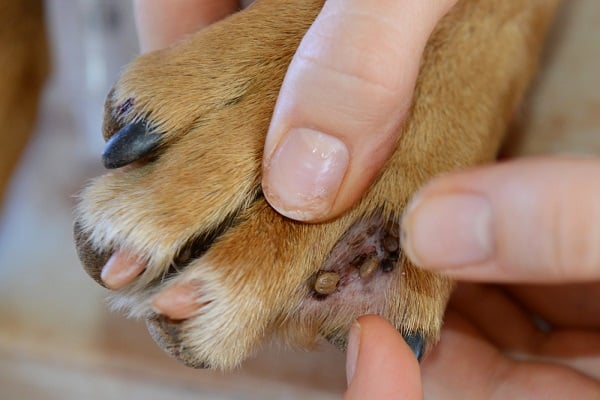
To search for ticks on your dog, run your hands all over the body, paying close attention to the ears neck, skin folds, and other crevices. Closely examine any raised areas closely by parting the hair, making sure you are in a very well-lit area (you can even use a flashlight). You may prefer to wear gloves for your own safety.

Depending on the species and life stage, a tick may be as small as a pencil point or as large as a lima bean (when engorged). If you live in an area where ticks are prevalent, or your dog spends a lot of time in high grasses or wooded areas, you should check for ticks daily. If you find an embedded tick, be sure to remove it promptly.

tick in dog

How to Remove a Tick From Your Dog

    1. Wear latex or nitrile gloves to protect yourself. Use a pair of tweezers or a specially-designed tick removal tool to grasp the tick at the point where its mouth attaches to the skin. This should be done as close to the skin as possible. You may wish to use a tick removal product like the Tick Twister.
    2. Be very careful NOT to squeeze the body of the tick, as this may cause pathogens to be injected into the site.
    3. Pull the tick straight out from the skin slowly and steadily (without twisting or turning). Some top layers of your dog’s skin may come off with the tick, but this is normal. If bleeding occurs, apply light pressure to the area.
    4. Once removed, the tick should be handled carefully. While some people prefer to flush ticks down the toilet, saving the tick for further identification is a good idea. Place the tick in a small airtight container (like a pill vial or jar). You may wish to add some rubbing alcohol to the container. Label the container with the date and store in case future illness occurs, as identification may become necessary.
  1. If part of the tick’s head still appears to be embedded, use the tweezers to gently pull it out. If some of the head cannot be removed, do not become alarmed. This should fall off eventually and rarely causes complications.
  2. After tick removal, gently clean your dog’s skin at the bite area with mild soap and water or a solution of iodine and water (dilute the iodine to the color of weak tea). Watch this spot for several days in case of further irritation or infection. If the area does not clear up in a few days, contact your veterinarian.

It’s important to understand that there are really no shortcuts that can make a tick release itself from its host. A tick will not voluntarily detach until its meal is complete. DO NOT apply hot matches, nail polish, petroleum jelly, alcohol, or other chemicals to the site. These methods are not effective and can actually cause harm to your dog. Doing something that agitates the tick might make it harder to remove.

The symptoms of tick-borne diseases may take weeks to months to appear. Be sure to contact your vet if you notice any signs of illness in your dog.

Tick Prevention for Dogs

The best way to protect your dog from the hazards of ticks is to keep them from attaching in the first place. Routine checks should be done to search for ticks on your dog. Finding them before they attach is helpful, but this is not the most accurate method of prevention.

One of the most effective ways to keep ticks off your dog is to directly apply a tick prevention product specifically designed for dogs. Tick prevention may be oral or topical. Oral treatments may be given every one to three months depending on the drug. Topical products are typically designed to be applied monthly to prevent ticks. Another topical option is a tick collar. Some products are available over-the-counter while others require a prescription. Be aware that not all products are created equally. Ask your vet for recommendations so you can choose the most effective method for your pet.

Though approved for use on dogs, be aware that some tick preventive products contain toxins and should ALWAYS be used according to the directions. Do not use extra amounts of a product or apply more than one at the same time. In addition, many topical products are highly toxic to cats.

To reduce the number of ticks hiding out in your yard, keep your grass mowed and plants neatly trimmed. You may also choose to treat outdoor areas with pesticides, but be sure to use a substance that is safe for dogs and preferably environmentally friendly.

With the proper knowledge, you can help defeat the dreaded tick and protect your dog, your family, and yourself from the dangers of tick-borne diseases.

flea and tick

Tick Prevention for Dogs

The best way to protect your dog from the hazards of ticks is to keep them from attaching in the first place. Routine checks should be done to search for ticks on your dog. Finding them before they attach is helpful, but this is not the most accurate method of prevention.

One of the most effective ways to keep ticks off your dog is to directly apply a tick prevention product specifically designed for dogs. Tick prevention may be oral or topical. Oral treatments may be given every one to three months depending on the drug. Topical products are typically designed to be applied monthly to prevent ticks. Another topical option is a tick collar. Some products are available over-the-counter while others require a prescription. Be aware that not all products are created equally. Ask your vet for recommendations so you can choose the most effective method for your pet.

Though approved for use on dogs, be aware that some tick preventive products contain toxins and should ALWAYS be used according to the directions. Do not use extra amounts of a product or apply more than one at the same time. In addition, many topical products are highly toxic to cats.

To reduce the number of ticks hiding out in your yard, keep your grass mowed and plants neatly trimmed. You may also choose to treat outdoor areas with pesticides, but be sure to use a substance that is safe for dogs and preferably environmentally friendly.

With the proper knowledge, you can help defeat the dreaded tick and protect your dog, your family, and yourself from the dangers of tick-borne diseases.

Posted on Leave a comment

Hookworms. What’s to know about hookworm infection?

hookworm lifecycle dog

Hookworm is a parasite that causes infection in people of all ages. It enters the body through the skin and can lead to a number of complications.

Hookworm is most likely to occur in a moist, hot climate. However, they occur in many locations around the world, including the United States.

According to the Centers for Disease Control and Prevention (CDC) Trusted Source, between 576 and 740 million people worldwide have hookworm infections. It was once common in the southeastern parts of the U.S., but improvements in living conditions have reduced its occurrence.

However, wherever humans and animals live together, including pets, infection is possible.

There are different species of hookworm. The ones that infect humans include the Ancylostoma duodenale and Necator americanus.

Transmission

Hookworm can spread when a person who has the infection defecates in the soil or when people use human feces on soil as a fertilizer.

hookworm lifecycle dog
Hookworms can enter the skin when a person comes into contact with contaminated soil.

If eggs are present in the feces, they can hatch after 1 to 2 days under the right conditions.

After hatching, the larvae can survive for 3 to 4 weeks in the soil, according to the Merck Manuals. They take 5 to 10 days to mature in the soil.

When a person comes into contact with this soil, hookworm larvae can pass through their skin.

This can happen if the person:

  • walks barefoot on soil that contains the larvae
  • swallows soil particles, for example on unwashed salad leaves

After entering the body, the hookworm larvae make their way into the body’s bloodstream and lymphatic vessels. These systems carry the larvae to the lungs. From there, the person can cough them up and swallow them.

If a person digests mature hookworms, the worms attach to the small intestine and gain nutrients through human blood. In some cases, the person may develop anemia as they lose blood to the hookworms. Worms may live for over 2 years.

Mating also occurs in the small intestine. From here, thousands of eggs can enter the human feces.

Hookworms cannot pass to another individual through personal contact. Infection can only happen when the eggs mature into larvae in soil.

Risk factors

Certain groups of people have a higher risk of contracting the parasite.

These include:

  • those who live in warm, tropical, or subtropical areas
  • people who spend time in areas where there is poor sanitation management and hygiene, especially if walking barefoot or with skin-to-soil contact
  • those who are pregnant or of childbearing age
  • young children who have contact with contaminated soil or sandboxes
  • workers who have contact with contaminated soil, especially farmers, plumbers, electricians, and exterminators
  • people who sunbathe on contaminated sand

The risk increases in areas where people use “night soil” or fertilizer made from human feces.

Symptoms

People with a hookworm infection may show some of the following symptoms:

  • a skin rash in one area that is typically red, raised, and itchy
  • weight loss
  • loss of appetite
  • breathing complications, such as wheezing and a cough
  • fever
  • stomach pain
  • diarrhea
  • extreme tiredness and weakness
  • iron-deficiency anemia or malnutrition
  • physical and thought development problems in children due to severe anemia
  • heart failure and widespread tissue swelling as a result of severe anemia

Diagnosis

A number of tests can help diagnose a hookworm infection and its effects.

These include:

  • a stool sample to check for hookworm eggs
  • blood samples to check for the presence of anemia or a lack of certain nutrients

Treatment

A doctor will normally recommend taking certain medications — albendazole, mebendazole, or pyrantel pamoate — for 1 to 3 days trusted Source to treat the parasitic infection, according to the CDC. These drugs are antihelminthics or anti-parasitic drugs.

Those with severe anemia may need iron supplementation.

The drugs listed above have pregnancy warnings. People should tell their healthcare provider if they are or may be pregnant so that they can have the right treatment.

In places where hookworm is common, those who are at risk may receive preventive drug treatment to protect them from an infection.

Prevention

Some preventive measures can help a person avoid contracting a hookworm infection.

These include:

  • wearing shoes, especially in soiled areas with a high risk of contamination
  • using a barrier to prevent the skin from touching the soil when sitting on the ground
  • avoiding consuming soil or unwashed foods that may be contaminated with hookworm
  • not passing stool in the soil or outdoors
  • not using fertilizer made from human feces
  • covering children’s sandboxes
  • taking safety precautions, such as wearing gloves and shoes when gardening
  • treating pet dogs and cats for hookworm

The risk of hookworm is low in the U.S., but people should take care when travelling to holiday destinations where it is common.

Hookworm and pets

hookworms and pets

Hookworms can be present in household pets, including dogs and cats. The animal strain can spread to humans in some cases.

For this reason, the Companion Animal Parasite Council (CAPC) recommend fecal testing in cats and dogs, with more frequent testing in the kitten and puppy age groups.

The CAPC recommend at least four intestinal parasite tests in the first year and a minimum of two a year afterward. As with any preventive testing, the animals’ health and certain risk factors will guide how often testing is needed.

To prevent parasitic infection, the CAPC recommend year-round broad-spectrum parasite control and also recommend promptly removing animal stool from litter boxes and yards.

Other public safety measures that people can take to reduce hookworm transmission include:

  • following leash laws when in public
  • preventing dogs from wandering neighborhoods or scavenging
  • following a vet’s advice about deworming

For additional information on cat and dog hookworm infections, visit the CAPC’s website.

People should speak to a doctor if they:

  • think they may be at risk for contracting hookworm
  • are experiencing symptoms of infection after travelling or coming into contact with soil used by pets

A veterinarian can offer advice on screening and treatment of a dog or cat.

W:

I live in Illinois and I have pets. Do I need to worry about hookworm?

D:

Unfortunately, yes.

According to the Illinois state website, hookworm may be present statewide in Illinois.

This is due, in large part, to the moist, hot climate found in many of the woodland, aquatic, and prairie regions in Illinois. However, hookworms can be present wherever people and animals live.

Following some of the habits mentioned above will help avoid ever having to deal with them.

These include avoiding contact with human stool, washing produce, and working with your veterinarian to determine the best parasite prevention plan for your pets.

* Answers represent the opinions of medical experts. All content is strictly informational and should not be considered medical advice.

Posted on Leave a comment

Diagnosing of congestive heart failure (CHF) in dogs

Early detection and treatment are key

Unfortunately, common clinical signs of congestive heart failure (CHF), such as coughing and difficulty breathing, are nonspecific and may mimic respiratory disease, making diagnosis difficult.

Following a series of key steps and using some of the latest diagnostic tools recommended by the Cardiac Education Group (CEG) and other cardiologists can help you identify and treat CHF earlier in canine patients.  The CEG recommends the following diagnostic tools as essential for diagnosing CHF:

Clinical history

Signalment is an important consideration when diagnosing congestive heart failure (CHF) in dogs. In particular, it is important to assess the following factors:

History: To obtain the most complete clinical history about a dog, ask the pet owner specific questions about the following factors:

  • Changes in attitude, behavior, and activity level: Exercise intolerance, depression, and fatigue are all signs associated with CHF.
  • Changes in breathing: Labored breathing or an increased resting respiratory rate can indicate CHF.
  • Changes in appetite and weight: These factors can also signal a heart problem.
  • Coughing: Include evaluation of onset and type of cough. Dogs with pulmonary edema have acute cough. Dogs with chronic heart disease have mild, intermittent cough.
  • Sleeping habits: Restlessness at night is commonly associated with CHF.
  • Previous evidence of heart disease: Heart murmurs or radiographic changes, such as an enlarged heart, can indicate heart disease.
  • Therapy: Consider any preceding treatments, including compliance with heartworm prevention programs.

Physical examination

Performing a thorough annual physical examination on your canine patients provides an excellent opportunity to evaluate dogs for the presence of heart disease. The following factors provide important clues to cardiac status and can help detect congestive heart failure (CHF) in dogs:

  • Weight and body condition: When cardiac disease occurs, cachexia (weight loss) is more likely to indicate CHF.
  • Respiration: Evaluate rate and effort of respiration. Although normal respiratory rates vary depending on breed, temperature, and weight, a presentation at the 2009 ACVIM forum indicated that a resting respiratory rate higher than 35/minute in a dog (at home) is highly suggestive of heart failure. Accuracy can be further improved by determining a baseline respiration rate and watching for subsequent increases in individual dogs. When the resting respiratory rate increases by 25% to 50% or is above 35/minute, a diagnosis of CHF should be considered.
  • Heart rate: CHF causes cardiac output to decrease, which in turn results in an increased heart rate. So, animals with relatively slow or normal heart rates (80 to 120 beats per minute) are less likely to have CHF than those with higher heart rates.
  • Jugular distension: Include examination of the jugular veins. The presence of abnormal jugular pulses (extending more than one-third of the way up the neck) can indicate CHF in dogs.
  • Mucous membranes and skin turgor: Evaluating mucous membranes in a dog provides an indicator of hydration status, peripheral perfusion, and tissue oxygenation.
  • Abdominal distension: Palpate the abdomen to check for abdominal distension, which can be caused by hepatomegaly or ascites.
  • Pulse abnormalities: Identifying arterial pulse abnormalities, such as hypokinetic (small stroke volume), hyperkinetic (large pulse pressure), and pulse deficits (arrhythmias) can help determine if a dog has CHF. Pulse deficits found in the femoral artery while simultaneously auscultating the heartbeat can be indicative of an arrhythmia.

Cardiac and pulmonary auscultation

Auscultation of the heart is used to detect abnormalities such as:

  • Cardiac arrhythmias—irregular heartbeat, tachycardia, or bradycardia
  • Heart murmurs—consider intensity
  • Extra heart sounds—gallops, clicks

Areas of auscultation in the heart should include the mitral, pulmonic, and aortic valves on the left thoracic wall and the tricuspid valves on the right thorax. A heart murmur often is the first detectable sign of heart disease. If a heart murmur is detected, thoracic radiographs (including calculation of a Vertebral Heart Score) should be done to determine if the dog’s heart is enlarged.

Auscultation of the lungs is used to detect the presence of normal bronchovesicular sounds or abnormal lung sounds, such as crackles and wheezes.

Thoracic radiographs

Thoracic radiographs provide information about heart size, status of pulmonary vasculature, and changes in the lungs to help differentiate left-sided congestive heart failure (CHF) from primary pulmonary disease.

Evaluating the size and shape of the heart silhouette on radiographs is a key step in diagnosing and assessing severity of cardiac disease in dogs.  Radiographic results should be used along with clinical signs and physical exam to determine if CHF treatment is indicated.

How to calculate Vertebral Heart Score (VHS)

Calculating a VHS for dogs from radiographic silhouettes can help veterinarians make cardiac assessments.

Additional diagnostic tests

Serologic tests

Serum biochemistries, PCV/TS or complete blood count (CBC) panels, and urinalysis should be completed in all dogs prior to initiating any treatment for congestive heart failure (CHF).

NT-proBNP is a new blood test for cardiac disease in veterinary patients. NT-proBNP is released in proportion to stretch and stress in the heart and is used to assess the severity of heart disease. Patients in heart failure have significant elevations of NT-proBNP, adding useful diagnostic information in the evaluation of patients with compatible clinical signs. Studies have also shown that elevated NT-proBNP levels are seen in patients with impending heart failure and in those with a poorer prognosis.

Echocardiography and electrocardiograms

Echocardiography is useful in determining a definitive diagnosis of the underlying structural disease as it provides a quantitative evaluation of heart chamber size, wall thickness, and the dynamic changes that occur during the cardiac cycle.

In addition, the electrocardiogram (ECG) is the only diagnostic method that provides specific information about the etiology of an arrhythmia. The ECG is a good follow-up test when a cardiac arrhythmia is discovered during a routine physical exam.

Posted on Leave a comment

Dilated cardiomyopathy (DCM) in dogs

dcm normal heart

DCM is the second most common cause of canine congestive heart failure (CHF), following atrioventricular valvular insufficiency (AVVI). DCM is a disease of the heart muscle that causes loss of myocardial contractility. The heart becomes weakened and enlarged and cannot pump blood efficiently, resulting in decreased cardiac output and tissue perfusion.

dcm normal heart

DCM can have a quick onset and progresses rapidly in dogs. The preclinical disease phase can vary from months to years, but the disease progresses more quickly than AVVI. Treatment with pharmaceuticals is the most effective intervention and focuses on controlling preload, afterload, and contractility.

NormalHeart DCMheart in dogs

Breeds at risk for DCM

Breeds at risk for DCM

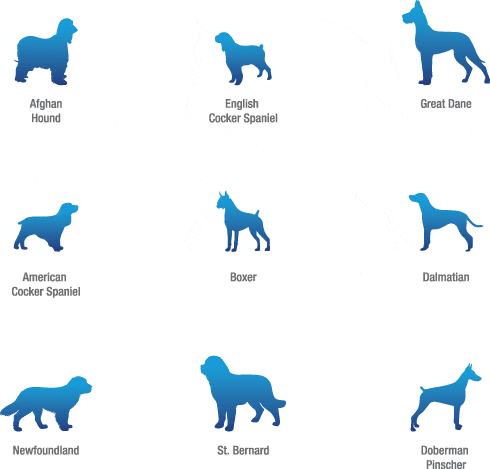
DCM primarily affects middle-aged, and large- or giant-breed dogs. Breeds most susceptible to DCM include Afghan Hound, American Cocker Spaniel, Boxer, Dalmatian, Doberman Pinscher, English Cocker Spaniel, Great Dane, Newfoundland and St. Bernard.

You can buy Vetmedin for heart treatment here:

Vetmedin 10 mg (30 tabs)

Vetmedin 10 mg (50 tabs)

Vetmedin 10 mg (100 tabs)


Vetmedin 5 mg


Vetmedin 1.25 mg (30 tabs)

Vetmedin 1.25 mg (50 tabs)

Vetmedin 1.25 mg (100 tabs)


You can buy another product with the same active ingredient (Pimobendan) – PimoPet

PimoPet 2.5 mg (30 tabs)

PimoPet 2.5 mg (100 tabs)


PimoPet 5 mg (30 tabs)

PimoPet 5 mg (100 tabs)

Posted on Leave a comment

Signs of congestive heart failure (CHF) in dogs

Vetmedin pimobendan for dogs

In the early stages, signs of atrioventricular valvular insufficiency (AVVI) or dilated cardiomyopathy (DCM) are most likely to be subclinical. This preclinical phase can last for months or years. However, as the heart deteriorates and cardiac output decreases over time, AVVI and DCM ultimately lead to congestive heart failure (CHF) in dogs.

Vetmedin pimobendan for dogs

Common clinical signs of CHF that may appear as AVVI or DCM progresses include:

  • Coughing
  • Changes in breathing
    • Difficulty breathing
    • Shortness of breath
    • Increased respiratory rate
  • Changes in behavior
    • Lack of energy
    • Depressed or withdrawn
  • Exercise intolerance
    • Reluctance to go for walks
    • Tires easily
  • Poor appetite and weight loss
  •  and fainting
  • Restlessness, especially at night

As soon as clinical signs of CHF appear, therapeutic intervention is indicated. No cure for CHF exists and surgical intervention is rarely practical in canine patients, so therapeutic goals focus on improving clinical signs and prolonging life.

You can buy Vetmedin here:

Vetmedin 10 mg (30 tabs)

Vetmedin 10 mg (50 tabs)

Vetmedin 10 mg (100 tabs)


Vetmedin 5 mg


Vetmedin 1.25 mg (30 tabs)

Vetmedin 1.25 mg (50 tabs)

Vetmedin 1.25 mg (100 tabs)


You can buy another product with the same active ingredient (Pimobendan) – PimoPet

PimoPet 2.5 mg (30 tabs)

PimoPet 2.5 mg (100 tabs)


PimoPet 5 mg (30 tabs)

PimoPet 5 mg (100 tabs)

Posted on Leave a comment

Atrioventricular valvular insufficiency (AVVI) in dogs

avvi normal in dogs

Overview

AVVI is a degenerative disease that damages heart valve leaflets as it progresses. This damage prevents heart valves from closing properly, allowing blood to leak backward into the atrium. This leakage eventually results in a heart murmur detectable via auscultation. Valve leakage impairs cardiac function and circulation, ultimately leading to congestive heart failure (CHF).

AVVI in action

Progression of AVVI

AVVI, the most frequent cause of CHF in dogs, is a slowly progressing disease. The prevalence of this disease gradually increases with age. AVVI affects:

  • 10% of dogs 5 to 8 years of age
  • 20% to 25% of dogs 9 to 12 years of age
  • 30% to 35% of dogs over age 13 years

This increase is especially dramatic in small breeds, with up to 85% showing evidence of valvular lesions at necropsy by 13 years of age.

Breeds at risk for AVVI

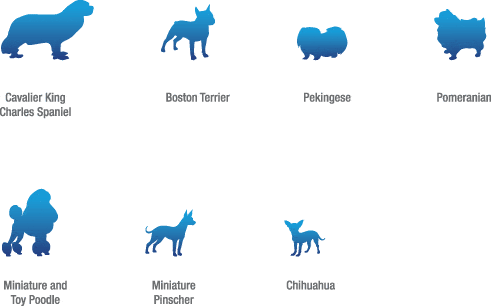
AVVI occurs most often in small- to medium-sized breeds of dogs. Breeds most susceptible to AVVI include the Boston Terrier, Cavalier King Charles Spaniel, Chihuahua, Miniature Pinscher, Miniature and Toy Poodle, Pekingese, and Pomeranian. Ultimately, all small breed dogs are at risk for CHF due to AVVI.

You can buy Vetmedin for heart treatment here:

Vetmedin 10 mg (30 tabs)

Vetmedin 10 mg (50 tabs)

Vetmedin 10 mg (100 tabs)


Vetmedin 5 mg


Vetmedin 1.25 mg (30 tabs)

Vetmedin 1.25 mg (50 tabs)

Vetmedin 1.25 mg (100 tabs)


You can buy another product with the same active ingredient (Pimobendan) – PimoPet

PimoPet 2.5 mg (30 tabs)

PimoPet 2.5 mg (100 tabs)


PimoPet 5 mg (30 tabs)

PimoPet 5 mg (100 tabs)

Posted on Leave a comment

Terrier Dog Breed Information + Photo

Russian black Terrier

Terrier

Terrier dogs: what are the varieties and their features (with photo)

Terriers are a whole group, which includes a large list of dogs.  Today, about 30 species are known.  Most of the dogs are small to medium in size and intended for burrowing.  But there is also a whole subgroup of fighting dogs among them.  Translated from French “terrier” is “earthen dog”.  Nowadays, these dogs are most often used not only for hunting but also as decoration.  But when starting them, it is worth remembering that dogs have their own needs and characteristics.  Almost all of the terrier breeds known today were bred in the British Isles.  The first mentions of them date back to the 16th century.  They differ in size and color, but they also have similar features.  Almost all representatives of the species are active dogs that love to hunt.  They also make good watchmen.  Even the smallest representatives of the breed can warn of danger with a sonorous bark.  Most terriers are very successful in hunting small game.  This is a fox, hare, beaver, badger, etc.  But some dogs, like the bull terrier, are good at hunting wild boar.  Agility and an excellent sense of smell are very helpful for pets in this trade.

Terrier species: list of breeds with descriptions

Australian Terrier

Australian Terrier
Australian Terrier

A companionable doggie of small size.  used for hunting small animals.  Also perfectly protects the house and property.  Very hardy and courageous.  They can attack snakes and monitor lizards, perfectly guard cattle.

Australian Silky Terrier

Australian Silky Terrier

Funny, sociable, and companionable dogs.  They adore children and love to play active games with them.  Very obedient and level-headed.  They retain hunting instincts from their ancestors, but they are rarely used for hunting.

American Hairless Terrier

American Hairless Terrier

They have an unusual appearance.  Smart, quick-witted, and friendly.  Their advantage is that they have no hair, so the dogs are free of parasites and fleas.  Also, you will not encounter the problem of hair clumps all over the house.

Bedlington Terrier

Bedlington Terrier
Bedlington Terrier

Despite their pretty appearance and small size, these are real predators.  But in the family circle, this is a loving and gentle pet who loves attention and hugs.

Border Terrier

Border Terrier
Border Terrier

Demands a lot of attention and constant training.  But it’s worth it because they make loyal and loving pets.  They have a calm and balanced character.

Boston Terrier

Boston Terrier
Boston Terrier

Are considered gentlemen among terriers.  They are very flexible.  Excellent companions will be loyal to all family members.

Welsh Terrier

Welsh Terrier
Welsh Terrier

Welsh, has an inexhaustible supply of energy.  It seems that they are ready to endlessly play, frolic, and run.  Because of this, they get along well with children.  They are also very quick-witted and learn quickly.

Glen of Imaal Terrier

Glen of Imaal Terrier

Glen of Imaal Terrier Houses are very calm, but in the open air, they transform, turning into energetic dogs.  They love to be with their families.  They cannot be left alone for a long time.

Dandy Dinmont Terrier

Dandy Dinmont Terrier

Cheerful and will love every family member.  Despite their small size, they are distinguished by masculinity.  Can be a little stubborn at an early age.

Cairn Terrier

Cairn Terrier
Cairn Terrier

Due to their good looks, these dogs have often become a movie star.  Despite the cute little face, they have very powerful hunting instincts.  Great watchdogs.  They are well trained and capable of performing even the most difficult tricks.

Carrie Blue Terrier

Carrie Blue Terrier
Carrie Blue Terrier

Once in a family, they form a very strong relationship with each member of it.  They are ready to follow the owner everywhere.  Very loyal and loving pets.

Lakeland Terrier

Lakeland Terrier
Lakeland Terrier

Resolute and energetic dogs.  Lovers of running, jumping, swimming, and playing.  Very brave, get along well with other pets.

Manchester Terrier

Manchester Terrier
Manchester Terrier                                                                                                                                                                   

An excellent companion with a cheerful disposition.  He is ready to accompany his owners everywhere.  The owners should be careful, as these crumbs can be easily injured.

Jagd Terrier

Jagd Terrier
Jagd Terrier

A working breed, it is considered one of the best hunters in the world.  Unlike most terriers, it was not bred in Great Britain, but Germany.

Norwich Terrier

Norwich Terrier
Norwich Terrier

Sociable dog.  Incredibly loyal.  They make very good watchmen.  An affectionate pet that gets along well with both people and other animals.

Norfolk Terrier

Norfolk Terrier
Norfolk Terrier

One of the smallest working terriers.  Very attached to their owners.  At home, he is incredibly affectionate and sociable.

Sealyham Terrier

Sealyham Terrier
Sealyham Terrier

Although small in size, very strong and hardy dogs.  Super devotees.  They are distinguished by their energy and cheerfulness.

Skye Terrier

Skye Terrier
Skye Terrier

Adorable pets.  They have good hunting and working qualities.  Form strong bonds with owners.

Staffordshire Terrier

Staffordshire Terrier

Have a calm and balanced disposition.  They will be happy to share with you cozy evenings on the couch while watching a movie.  Faithful, loving, and reliable dogs.

Tibetan Terrier

Tibetan Terrier
Tibetan Terrier

Loyal and good-natured dogs.  They are distinguished by a well-expressed protective instinct.  Curious, they like long walks and outdoor games.

Fox Terrier

Fox Terrier
Fox Terrier

Energetic, curious, and incredibly loyal dogs.  They love to take part in all family affairs.  They love to frolic in the fresh air and play with the owners.

Yorkshire Terrier

Yorkshire Terrier
Yorkshire Terrier

Many consider these dogs to be a simple indoor dog or toy that should decorate the interior or act as an accessory for the owner.  But in fact, these are smart and loyal dogs, excellent defenders.  Hosts should remember that they need care and attention.

Scottish Terrier

Scottish Terrier
Scottish Terrier

This energetic dog is suitable for people with an active lifestyle.  Funny and adorable.  By buying such a dog, you will get a real friend who will be loyal to every family member.

Jack Russell Terrier

Jack Russell Terrier

Real Screen Stars.  Excellent sportsmen, active and energetic, good hunters.  They are considered one of the best dogs for the family.

Bull Terrier

Bull Terrier
Bull Terrier

Despite the rather formidable appearance and not a very good reputation, bull terriers are very good-natured and loyal dogs.  If you pay attention to them and educate them well, they will become affectionate and friendly.

American Pit Bull Terrier

American Pit Bull Terrier

Banned in many European countries and some states of America due to its bad reputation.  But with the right upbringing, friendly and affectionate pets grow out of these dogs.  They are excellent defenders and are very loyal to the owner.

Russian Toy Terrier

Russian Toy Terrier
Russian Toy Terrier

A charming miniature dog.  There are smooth and long-haired.  Belong to the group of decorative dogs.  Affectionate and devoted to the owner.

West Highland White Terrier

West Highland White Terrier

Dogs with a cute face that love active games and fun.  Loyal pets.  They love hunting and are incredibly transferred to the owner.

Russian black Terrier

Russian black Terrier

Possesses excellent watchdog and security qualities.  Very easy to learn thanks to a sharp mind and quick wit.  Incredibly loyal and cute dogs.

Terriers: features of maintenance and care

Most of the breed has a hard coat.  But among the varieties, there are also long-haired and smooth-haired with soft fur.  Dogs of all categories should be brushed periodically – some more often, others less often.

Basic rules for caring for all terriers: bathe and trim the nails as needed, check the ears, eyes, and teeth, sometimes clean with special means, make up the correct diet, if you prepare food for the dog yourself, then do not forget about vitamin complexes, you need to raise a puppy from an early age, find daily time for training, then the pet will grow up as obedient terrier – these are not the dogs that you can only walk occasionally.  They are active and need constant training, long walks several times a day.  Many of them are excellent swimmers, you should also take the dogs out from time to time to hunt, pay attention to your pet, do not leave one for a long time, otherwise he will start to yearn, do not forget to vaccinate on time and visit the veterinarian on time.  You can read more about the different breeds of terriers, as well as about the peculiarities of their care, on our website. Some sources of information say about terrier cancer cases. All these cases are rare and treatable by meds for dogs. They could be bought in Online Veterinary Pharmacy.

Here you can find a lot of Online Veterinary Supplies for your pet. There are not only toys and sports requisites in Online Pet Pharmacy, but also many other things.

Posted on Leave a comment

Beagle Dog Breed Information + Photo

beagle dog playing

Beagle

beagleBeagle is one of the most ancient dog breeds, which was bred by the British, back in the days when the aristocracy was born.  In that era, even the wealthiest people did not have a large selection of interesting entertainment, and hunting became one of the most exciting ways to spend their leisure time.

Description of the breed

They began to use these dogs, of course, much earlier, even in ancient civilizations.  But only later the active selection of small-sized dogs intended for specific purposes was begun.  They could easily fit in the hand of a rider and served as excellent assistants in hunting, for example, hares.

Along with them went hounds, slightly larger.  All these types of dogs are the ancestors of the modern beagle.  Small representatives of this breed were carried in bags, women, and children especially loved them.  In the future, the Bigley became an even more popular breed, which was available not only for the nobility.  And even now they are used for hunting, as well as for various important tasks – for example, searching for explosives at customs and airports.  But, of course, the beagle is most popular today as a pet, as well as a companion dog.  They like to spend a lot of time with their owners, take part in active games and long walks with pleasure.  For more than a century, this breed has been included in the list of the most prestigious, and interest in it is only growing.  But before starting such a dog, it is important to learn as much as possible about its character and habits, study the description, reviews of the owners. Some sources of information say about beagle cancer cases. All these cases are rare and treatable by meds for dogs. They could be bought in Online Veterinary Pharmacy.

Beagle character

beagle dog playingEven by the very name of the breed, you can feel the lively and cheerful disposition of a Beagle dog.  They are good-natured animals, always cheerful and very active.  Such a dog will become a real entertainer, especially for families with children.  Beagles are very fond of babies and allow them almost everything.  A beagle dog tends to become very attached to its owner, but it does not tend to dominate, so a child can become an authority for her, and sometimes he even becomes a full-fledged owner for a dog.  Although even an adult beagle is small in stature, it is distinguished by its strength, therefore it gladly takes part in active games and sports.  Since their ancestors were kept in packs, beagle dogs retained a sense of community with them and are always happy to communicate with their relatives.  The main characteristics of this breed include good nature, activity, determination, and courage.  Only small animals (cats, ferrets, chinchillas, etc.) can show aggression, since the hunting instinct wakes up, and the beagle dog perceives them as prey.  Theoretically, you can try to make friends with a cat, but practice shows that in most cases this does not end with success.  The Beagle is known as an intelligent and quick-witted dog that loves the attention of its owner.  At the same time, they do not lend themselves to training as easily as we would like.  Due to its energy, the dog wants to drive around the house, and not get used to sleeping in a specific place.  If you leave the beagle alone in the apartment, he will certainly scout out what can be found in various secret places, and sometimes his curiosity can bring harm to the owners.  You should not leave a beagle alone with yourself, not only because of the safety issue but also for the sake of the dog’s well-being.  This breed is used to spending a lot of time with people, so loneliness is unbearable for it.

The standard of the breed, size, and color of the beagle.

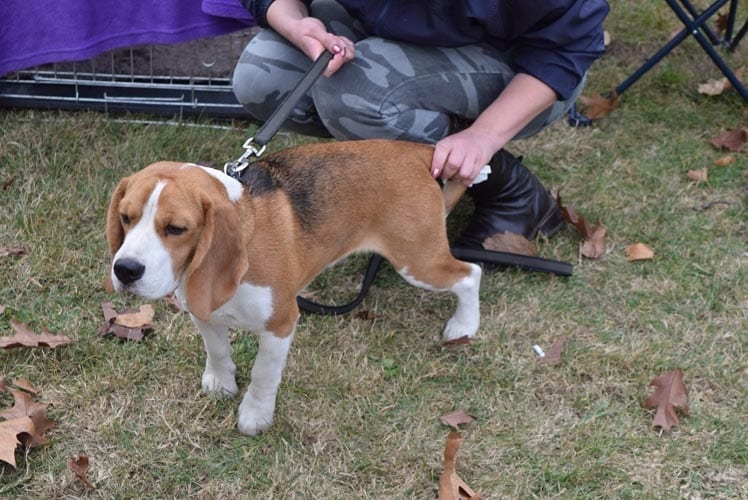
english beagle dog breedThe Beagle is a dog, although strong, but not distinguished by a rough physique.  The growth of an adult can be 33-40 cm, depending on gender.  In combination with its low weight, the dimensions are quite enough to keep such a dog in an apartment, where he will have enough space.

This breed has a relatively long and powerful head, without folds or wrinkles.  The occipital protuberance can be seen in the skull.  According to the standards, the nose of a beagle dog should be black, but light pigmentation is also allowed if the main color of the dog is light.  Even in the photo, you can see that basically, these dogs look quite harmonious.  The eyes of these animals are usually large, but not protruding, hazel or dark brown.  The ears are rounded and if straightened they can reach the tip of the nose.  The length of the beagle dog’s neck makes it comfortable to follow the trail while hunting.  The body is compact, with muscular thighs on the hind legs.  When the beagle moves, they serve as strong support for the step and help the dog to move freely. The coat is short and dense, its length is the same on any part of the body.  The standard color option for a beagle dog is a combination of three colors – black, red, and white.  They can be presented in different combinations, for example, when all three colors are in the same proportions, or some of them prevail.  Also, there are beagle dogs with a combination of only white and various shades of red.  Spotted, black and white, or pure white are very rare.  The life expectancy of this breed is 12-15 years, which makes it possible to spend long happy years with this little and restless friend.  Beagle is considered long-lived, but it is still necessary to monitor their health, in particular nutrition.

How to feed a beagle

beagle dog feeding

One of the problematic characteristics of a beagle is its tendency to obesity.  These animals love to eat well and try not to miss such an opportunity, even if food needs to be stolen from the table.  A well-fed beagle is probably an incredible picture.  He knows how to skillfully pretend to be hungry so that the owner could not stand it and increased his diet.  If the beagle dog gets fat, even if it receives a sufficient amount of physical activity, then the owner still overfeeds it.  Most often this happens if the dog’s menu includes cereals, which, ideally, should be no more than 30%.  Everything else is vegetables, sub-, and meat products.  From time to time it is worth giving the beagle boiled fish without bones.  Also, the dog needs dairy products – fermented baked milk, milk, cottage cheese, and it is better to teach the beagle to them as a puppy, otherwise digestive upset may occur.  Dry food can be used as an alternative to feeding.  This is very convenient since it becomes possible to calculate the optimal amount of serving, taking into account the weight of the beagle, which means that the dog will not be overfed.  It will also provide a balanced menu.

How to educate a beagle

beagle puppyEveryone who has decided to get a beagle should remember that this breed is, first of all, a hound.  Therefore, caring for even domestic dogs should include constant physical activity, in particular long runs.  Such a dog will tirelessly run several tens of kilometers.  Active walks affect not only the health of the beagle dog but also the property of its owners.  If the dog runs around to its fullest during the day, then he will not have the strength to destroy your apartment, and after returning home, he will peacefully fall asleep.  Cosmetic procedures for a beagle dog are no different from caring for other breeds.  They need to be bathed, the dead wool must be combed out.  Too frequent water treatments can wash off the natural grease, which interferes with the skin’s protective barrier against germs and bacteria.  If the beagle is not dirty, then you can wash it two or three times a year.  A couple of times a month you need to clean the dog’s ears with the help of special products, and you should also pay great attention to the eyes.  If discharge appears from them, you should consult a doctor.  Caring for this breed is simple, it is enough to regularly monitor the condition of the dog and periodically consult a veterinarian.  Since this breed is stubborn, it is necessary to start training the beagle while it is still a puppy.  Treats can be used as a reward, but you should be extremely careful with punishments.  The dog perceives any aggression as a subsequent negative to training.  It is better to walk with a beagle dog on a leash, as it can run away, smelling a pleasant smell, even at a great distance, because hunting dogs have an incredible sense of smell.  As with any other breed, the beagle has its difficulties, and they are unlikely to suit phlegmatic and calm people who have not previously studied the description of this variety and are not ready for its eccentricities.  On the other hand, this little lump of energy can dilute any atmosphere, and many people just make such a friend plunge into the atmosphere of carefree and fun.  In any case, only by competently approaching training, and not letting the beagle’s pranks on their own, you will get an adult educated and obedient dog.  Beagle is a very interesting and peculiar breed, with its character traits.  And if you find a common language with him, you will find a great friend for many years!

Here you can find a lot of Online Veterinary Supplies for your pet. There are not only toys and sports requisites in Online Pet Pharmacy, but also many other things.

Posted on Leave a comment

Chihuahua Dog Breed Information + Photo

Chihuahua dog

Chihuahua dogChihuahua dog breed: description from the photo

These dogs are listed in the Guinness Book of Records as the smallest dogs on the planet.  If we talk about the history of their origin, then there is a version that they appeared in Mexico during the time of the Aztecs and the Mayan Indian tribes in the 5th century BC.  It is believed that in ancient times, doggies were larger and were considered by the Aztecs as almost sacred animals.  This is evidenced by many figures found during excavations and drawings on the walls of temples.  At that time they were called “chichi” and were considered living talismans of good luck.  But only at the end of the 19th-century cynologists became interested in representatives of this breed.  And the first Chihuahua nursery was created in America.  They got their name in honor of Chihuahua – one of the regions of Mexico.

The character of the Chihuahua

Nature has endowed these crumbs with a rather difficult character.  They can be difficult at times, but if you find the right approach, the dog will become a great companion for you.  They are very loyal to their owner, ready to be with him every minute, share their hobbies, and give a lot of positive emotions.  The Chihuahua dog is considered the most mentally balanced and calm among the representatives of all decorative breeds.  These crumbs perfectly adapt to your rhythm of life.  Even if you are a fairly busy person, often absent, and work a lot, the dog will feel quite comfortable with you.  But nevertheless, this should not be used too much, since by remaining alone for a long time, dogs can become restless and very sad.  You can also travel with a Chihuahua without any problems.  They are not afraid of the road, they are not afraid to be in any transport, in hotels.  A loved one will never create problems for you, even on public transport.  Dogs are also distinguished by a rather sharp mind, they are also called creative natures because they constantly invent all sorts of funny ways to attract the attention of the owner.  Also among their distinguishing features is courage.  Despite its tiny size, the pet is a good guard.  Chihuahua has a sufficiently clear voice, so if necessary, it will be able to defend its territory.  They are also known for their dignity, so they can easily challenge a big dog – you should be careful with this because babies always lose to such a rival.  Boundless devotion to their master sometimes results in excessive jealousy of other animals or people.  If you have any other pets, then it will be difficult for the dog to get along with them.  Dogs of this breed do not get along very well with children, they are rather capricious and do not like being pulled, making too much noise nearby.  The Chihuahua dog is also distinguished by attentiveness and vigilance.  He is wary of strangers, carefully monitors their actions.  Some representatives of the breed love to bask in the sun.  But the owners should make sure that the dog does not receive a sunstroke.  They love to sleep with their master, in warmth.  They are considered an excellent breed for an apartment.  They feel comfortable enough even in small apartments.  The main thing is that your favorite toys and their owner are nearby.

Chihuahua dogs

Maintenance and care

Another advantage of representatives of this breed is the ease of care.  You will need to put in a minimum of effort when compared to large dogs.  These babies are by nature quite clean.  They rarely get dirty and do not have the so-called dog smell.  During walks, mud and puddles will be avoided.  A Chihuahua dog of any kind needs constant grooming.  It is enough to comb it out at least once a week.  If you have a long coat, then he needs a haircut from time to time.  Bathing your pet too often is not worth it – this can dry out the skin, make the coat dull.  Give them a bath day only when necessary.  It is not recommended to bathe more than once a month, since then the natural fat layer of the animal is washed out with shampoos.  It is enough to rinse the feet under running water after each walk.  Dogs grow claws quickly enough, this is worth watching.

How to care: it is necessary to keep them short-cropped, it is enough to trim them once every 2-3 weeks.  Remember to check your pet’s ears and eyes as they are prone to infections.  Experts advise regularly wipe the eyes and hair under them with saline or chamomile broth, especially if they are watery.  Also, check your baby’s teeth periodically.  Chihuahuas are quite susceptible to cold.  Therefore, in cool seasons, they need to be insulated and taken out for walks only in specially designed clothes.  In stores, you can now find a lot of funny miniature sweaters, jackets, raincoats, pants, and even four-legged shoes.  As for walks, these pets do not need long walks and constant physical activity. A leisurely walk 1-2 times a day and outdoor games with toys, including at home, are enough.  Training and how to educate

Some dog handlers call this breed lazy.  After all, they can be quite easily taught to go to the toilet in the tray, thereby saving yourself from the need for early and late walks.  It is important to pay attention to training from an early age, otherwise, the pet may grow up aggressive.  Chihuahuas are smart enough and quick-witted, easy to train.  They are able to quickly memorize various gestures, facial expressions of their master.  They also capture your mood well.  Quite obedient, won’t bother if you’re busy or out of sorts.  During training, you cannot raise your voice, you will need to stock up on treats.  And then you will see the results of your efforts pretty quickly.  It’s not too hard to teach a dog to memorize and execute basic commands.

Chihuahua puppies

How long do Chihuahuas live?

Representatives of this breed are considered centenarians.  On average, they live 12 to 15 years.  But there were also cases when these four-legged lived to be 20 years old.  The key to a healthy and long life is proper care, balanced nutrition, and a good attitude towards your pet.  It is believed that mini Chihuahuas live less.  Active and healthy individuals can live 15 years or more.  It all depends on the conditions in which the breeders kept the puppy.

All about Chihuahua: colors There is a huge number of colors in this breed.  There are such: white, black, blue, chocolate, lilac, sable, red, blue-fawn, black-backed, tan, tiger. Varieties of the Chihuahua dog breed are long-haired – the hair on the coat is not curly, soft, and fluffy.  The hair is longer on the caudal process, on the back of the legs, on the ears, and on the neck.  There is a medium-density undercoat;  smooth-haired – have short and dense hair.  The coat is longer on the caudal process and neck, slightly shorter on the ears and head;  cobby – have a stocky build and more expressive eyes.  A distinctive feature is a large distance between the ears and eyes.  Their coat is thick and with a well-defined undercoat;  dir – they are called that because they look like a fawn.  They have an elongated muzzle, a small head with large ears.  Their paws are thinner.  The coat is not thick and practically without an undercoat.  Also, among the varieties, the so-called false types are distinguished.  These include English, Classic, Extreme, Exotic, and Aboriginal.  They don’t fit the breed standard.  This is a supermini or, on the contrary, large dogs.

Chihuahua types

Some sources of information say about Chihuahuas cancer cases. All these cases are rare and treatable by meds for dogs. They could be bought in Online Veterinary Pharmacy.

Breed standard: what it looks like

The first breed standard for Chihuahua dogs was developed in 1923.  At the beginning of the 20th century, dogs began to actively participate in various exhibitions and gradually won the hearts of dog lovers around the world.  Many celebrities contributed to the emergence of the fashion for the breed since miniature dogs can be easily taken with you, so they often flashed in celebrities’ photos.  They have an apple-like head without angularities.  The eyes are large, but not too prominent – dark in color.  The ears are large and should be upright when the dog is alert.  Chihuahua’s legs are small and graceful, hind legs are muscular.  The tail is sickle-shaped and rather long.  Straight or scissor bite.  The nose is slightly upturned.  There are many species of the breed – Chihuahua mini and standard in size.  Their height is most often not taken into account, in contrast to their weight.  The ideal weight is 1.5-3 kg.  But dogs weighing from 0.5 to 1.5 kg are also permissible, but over 3 kg are considered a deviation from the norm.  Up to how many months puppies grow: usually up to 6-7 months.

Chihuahua dog breed

What to feed Chihuahuas

These dwarf dogs do not need a lot of meat.  But small portions are still worth adding to the diet.  They can be fed with any meat except poultry.  You cannot constantly feed homemade food; you need to buy specialized food at a pet store.  You can give any bones, except for lamb and chicken.  It is not recommended to feed on the table, especially sausage.  An exception might be cheese.  Milk is contraindicated in adult dogs.  It is recommended not to cook porridge but to steam it.  You can’t give rice.  All necessary vitamins and micro (macro) elements should also be included in the diet.

Chihuahua dog: mating

Experts note that the first mating should be done for bitches no earlier than 15 months, for males – after 1 year.  The optimal age for childbirth is called 2 years.  The optimal days for the process are 9-14 days from the start of estrus.  It is not recommended to knit between gray-blue Chihuahuas or gray-blue dogs with black.  Other variations are acceptable.  Mating usually takes place on the territory of the male.

Here you can find a lot of Online Veterinary Supplies for your pet. There are not only toys and sports requisites in Online Pet Pharmacy, but also many other things.