Posted on Leave a comment

Scientists planning first ever complete list of all animals and plants

Scientists planning first ever complete list of all animals and plants on Earth, in effort to halt extinctions

As worsening trends reveal plight of various flora and fauna, a comprehensive directory of all known life could help authorities and researchers understand and protect natural world, writes Harry Cockburn.

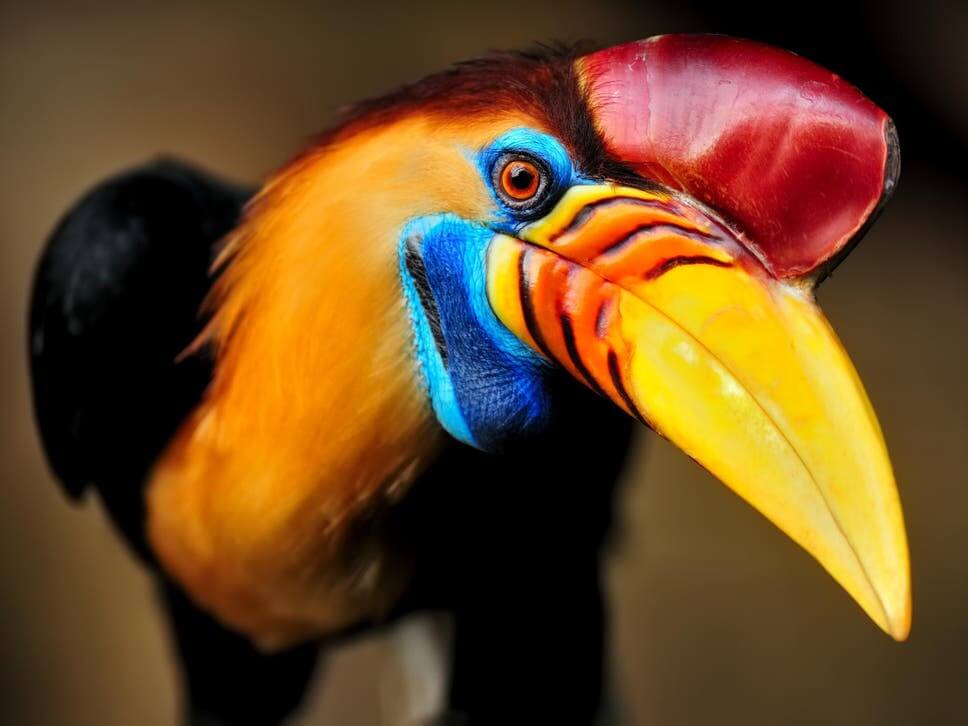
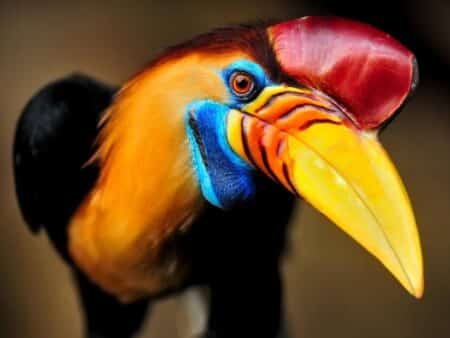
knobbed-hornbill

A new effort is underway to create an overarching list of all the world’s plant and animal species.

Currently there is no single compendium of all of our planet’s species, with some types, such as mammals, the focus of numerous indexes, while other groups are not represented on lists at all.

A comprehensive catalogue of every species will help conservationists, scientists, governments and other organisations understand and protect the biodiversity on Earth.

“Listing all species may sound routine, but is a difficult and complex task,” said Professor Stephen Garnett of Charles Darwin University, who is spearheading the initiative. 

“Currently no single, agreed list of species is available.”

A paper published in the open access journal PLOS Biology outlines a roadmap for creating, for the first time, an agreed list of all the world’s species, from mammals and birds to plants, fungi and microbes.

The authors said organisations and governments need reliable, agreed, scientifically defensible and accurate lists for the purposes of conservation, international treaties, biosecurity, and regulation of trade in endangered species.

There are numerous difficulties which must be overcome in order to create a coherent document which usefully details the planet’s vast array of life.

The paper outlines a potential means of streamlining some classification processes. This is in the form of a set of ten principles for creating and governing lists of the world’s species, and a proposed governance mechanism for ensuring that the lists are well-managed and broadly acceptable.

“Importantly, it clearly defines the roles of taxonomists – the scientists who discover, name and classify species – and stakeholders such as conservationists and government and international agencies,” said Dr Kevin Thiele, the director of Taxonomy Australia and a co-author of the paper. 

“While taxonomists would have the final say on how to recognise and name species, the process ensures that stakeholders’ needs are considered when deciding between differing taxonomic opinions.”

The natural world is facing numerous unprecedented threats, with scientists warning we are accelerating into the midst of a sixth mass extinction event.

The increasing burden of human activities, which are driving the climate crisis, causing pollution, land clearing, disease and over utilisation, are combining and resulting in a rapidly worsening extinction crisis. 

“Developing a single, agreed list of species won’t halt extinction,” said Professor Garnett, “but it’s an important step in managing and conserving all the world’s species, great and small, for this and future generations.”

Posted on Leave a comment

China bans wildlife trade due to coronavirus outbreak

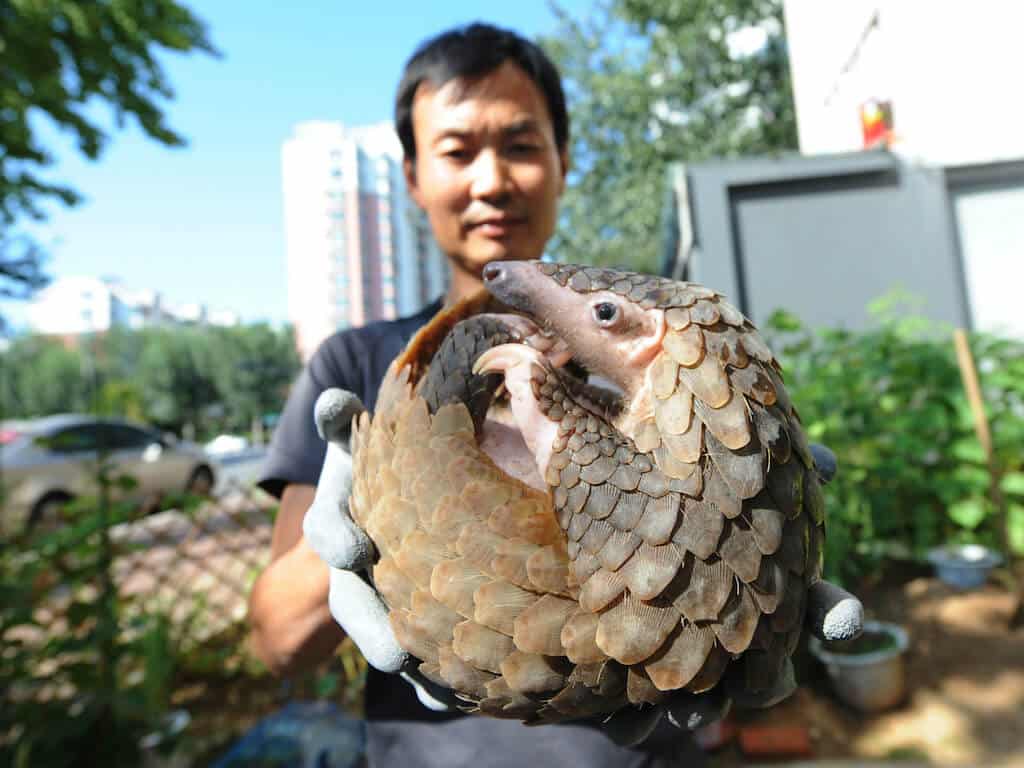
vet meds pangolin china coronavirus alamy
China bans wildlife trade

Kate Nustedt, our global wildlife director, said: “We commend China’s decision to impose a nationwide ban on wildlife trade in response to the deadly coronavirus outbreak. This ban will prevent the terrible suffering endured by millions upon millions of wild animals across the country.  

Crucially, it will also put a stop to the horrific conditions that serve as such a lethal hotbed of disease. We hope that this courageous step is made permanent and extended to all wildlife imports and exports, to help prevent any future crises of this nature.

Wild animals belong in the wild. This wildlife trade ban by China will help keep them there.”

Protecting wild animals and people

The deadly coronavirus is believed to be the result of the transmission of the virus from snakes to humans. Captive reptiles are well-documented as carriers of pathogens, such as bacteria, parasites, and viruses, that can be transferred to humans.

Snakes that are sold at markets, like those reported in Wuhan province, have suffered horrendous conditions before they get there. They’ve either been captured in the wild, stuffed together in bags or small cages for transportation to the market, or intensively bred in ranches and farms where they are kept in overcrowded containers.

Either way, these conditions are incubators for the transmission of disease and the evolution of more virulent pathogens.

Posted on Leave a comment

A Review of COVID-19 and its implication on animal health

 What role do animals play in the coronavirus pandemic?

As the death toll of COVID-19 keeps rising, scientists now are still uncertain about the origin of the novel SARS-CoV-2 virus. This virus is the youngest in the family of coronaviruses known to infect humans and animals alike. It is believed that the pangolins and bats [Rhinolophus] that were sold in the wet market of china are the most likely candidates. One study indicated that a coronavirus [BetaCoV/RaTG13/2013] found in bats [bed reservoir] shared 96% of its genetic material with the virus [SARS-CoV-2] responsible for the current pandemic, COVID-19. But this particular bat virus is unlikely to have infected human cells directly, suggesting that the virus jumped to humans via another animal, the pangolin. Due to mutations, the same virus developed the ability to infect humans. All coronaviruses are lethal but there are always the ones that are more harmful because of how easily they can be transmitted. When a virus jumps from animal to humans it is called a zoonotic virus. But the infection is not just limited to humans as there are reports of it spreading to other animals. 

SARS-CoV-2 Infection in pets.

Studies and risk factors:

A tiger at the Bronx Zoo, New York City has tested positive for COVID-19 after developing a dry cough. A small number of lions at the same zoo also showed signs of infection.

There are several reports from countries like Hong Kong where dogs have tested positive without manifesting any of the usual symptoms. Scientists also believe that cats are very susceptible to the SARS-CoV-2 virus. Such circumstances have caused panic among pet owners as they wonder what this means for them and their pets. 

Caretakers and their vets are curious about how the virus can affect the livestock. Although, pigs, chicken and ducks are not likely to get infected according to the research papers released from china and the Republic of Korea. There are clear hints that pets can contract the infection from their SARS-CoV-2 infected owners, but the claims are more obscure due to lack of research. 

Precautions and quarantine:

The current events are shocking enough to rattle pet owners. Following the statistics, it will not be surprising to see many reports of such cases shortly. Studies have hinted that the transmission is of a reverse zoonosis type, where pets are at the risk of getting infected from positive SARS-CoV-2 owners and not the other way around. It is thus safe to conclude that both human and animal species are facing a greater risk. Therefore, during the quarantine phase, you should consider the needs of your pets and prepare accordingly. 

Exposure and care

The first symptoms that appear after a possible SARS-CoV-2 infection are dry cough and fever. If your pet develops the following symptoms or seems more lethargic than usual it is important to take the advice of your veterinarian. The period for which the virus can survive on the surface of your pet’s body depends on factors such as humidity, temperature, and nature of the surface. But the current understanding denies the possibility of transmission of the infection from pets to their owners. Comparing the larger number of cases of positive COVID-19 humans and the small number of pet infection. It is improbable that your pet will be infected or can transmit the disease to others. 

Should your pet exhibit symptoms of SARS-CoV-2 infection, contact your veterinarian immediately for further advice. According to the data gathered from the few animal cases, it is seen that the symptoms are mild. Therefore, all COVID-19 positive animals need is rest and recovery. In case of a more severe incident, your veterinarian will consult with the animal and public health officials on the course of action. 

SARS-CoV-2 infection in farm animals.

Studies and risk factors:

The SARS-CoV-2 has shown an adequate ability to evolve and adapt in an intermediate host before reaching humans. The receptor sequence binding to SARS-CoV-2 in animals and humans is remarkably similar, suggesting that there is a weak species barrier for the virus to transmit to farm animals. The members of Coronaviridae cause respiratory and intestinal infections in animals. Introductory data shows that the spike protein of SARS-CoV-2 is cleaved by the enzyme Furin during its biosynthesis. This is similar to the avian influenza viruses, which acquire a polybasic structure if introduces in poultry farms and yet again cause a deadly outbreak of a highly pathogenic virus. 

ANGIOTENSIN CONVERTING ENZYME-2 commonly known as ACE-2 is a single-pass type 1, an integral membrane protein that covers the entirety of a cellular membrane [transmembrane protein]. It has a key expression in vascular endothelial cells, renal cells and Leydig cells of the testis. Analysis via Polymerase chain reaction [PCR] revealed it is also expressed in cells of the lung and gastrointestinal tract. Angiotensin II is the major substrate of ACE-2, meaning it negatively regulates the Renin-Angiotensin System.

ACE-2 and SARS-CoV-2 

Evidence reveals that the SARS-CoV-2 virus also uses ACE-2 as a receptor for entering the cells. There are similarities between the mechanism of viral entry into different cells between humans and animals. This creates a better foundation to the factorize a higher probability of the same virus infecting humans due to contact residues that have been found between Spike protein and ACE-2. 

The ACE-2 in humans is glycosylated at following binding sites – N53, N90, N322N53 did not give similarities in any animal species. N90 was not the site for glycosylation in ACE-2 in the following animals – mouse, pig, racoon, civet, fox, and chicken. N322 was not the site in mouse, rat, cattle, sheep, and pangolin.

But the big risk arises after it was found that some species have additional glycosylation sites in the same region. In chicken residue, L79 is a potential site with M82 being the sites in pangolin and rat. Drawing from the results, the most interesting is the ACE-2 proteins in farm animals and pet cats, as they are the next plausible reservoirs of SARS-CoV-2. Until now, there are chances of minimal exchange and therefore does not pose an intermediate threat of infection.

It should be reflected that for generations cattle producers have been dealing with infections in farm animals from different strains of coronaviruses. Animals caretakers and veterinarians have come across coronavirus infections in swine – porcine epidemic diarrhoea [PED] virus and Transmissible Gastroenteritis [TGE] virus and in companion animals – Feline INFECTIOUS peritonitis [FIP] virus. As discussed above, the difference in protein structure and varying sites, show that there is a lack of consistency in the types of vaccines used in animals, which means the evidence of its usefulness in humans is even more variable. 

Precautions and quarantine:

Practising precautionary measures during the pandemic will guarantee that there is a secure, safe, and stable food supply. Preparing well in advance for plausible viral interactions in livestock should include maintaining a proper source for feeding and medications. In case, any abnormal behaviour is detected, or if any unit of the livestock shows the usual symptoms of COVID-19 disease, it is best to inform your veterinarian as a better effort towards disaster management. 

Drugs and SARS-CoV-2 VIRUS

The present fight against the pandemic caused by the SARS-CoV-2 virus has been solely dependent on prevention and containment. But there is hope as more and more existing drugs are showing positive results towards inhibition of the SARS-CoV-2 virus. One such drug that surfaced quite recently is Ivermectin. It is an FDA- approved drug used for parasitic infections. It was originally known to be an inhibitor of the interaction between the HIV-1[Human Immunodeficiency Virus-1] protein and the importer protein [IMP ɑ? 1]. Its inclusion on the WHO model list of essential medicines makes Ivermectin widely available across the globe. 

Ivermectin is responsible for opening the glutamate sensitive chloride channel currents in helminths, which is believed to be the reason why it shows such anti-parasitic activity. It is the drug of choice for the treatment of Onchocerciasis and Strongyloidiasis, both of which are parasitic infections. It is also effective against several intestinal nematodes including Ascariasis, Trichuriasis, Cutaneous Larva Migrans, Wucheria bancrofti, Brugia malayi, Masonella ozzardi and Loa loa. It is also used for the treatment of scabies and head lice. 

The reason why ivermectin might be effective against the SARS-CoV-2 infection.

Once the SARs-CoV-2 virus enters the cells of a body using the H2 receptor, it releases its messenger RNA into the same cells. The infected cell then starts to translate the messenger RNA from the virus which leads to the production of viral proteins responsible for the formation of new viral cells. New viral proteins then enter the nucleus, impairing the ability of the host cell to fight the infection. Scientists believe that the viral proteins enter the nucleus of a cell through specific channels made up of Importin [Protein]. There are various forms of Importin proteins namely, Importin Type alpha [imp alpha] and Type beta [Imp Beta]. It is in this process of nuclear entry of the virus where Ivermectin has an inhibitory role. It inhibits the passage of the viral protein into the nucleus. It does so by binding to the protein channels, effectively blocking the passage of the SARS-CoV-2 viral proteins from the cytoplasm into the nucleus of the cells, in vitro. Scientist at Monash University, Melbourne, were able to demonstrate that Ivermectin killed COVID-19 virus growing in cells of primates in a culture dish. A single dose of ivermectin had a 5000-fold reduction in virus levels at 48 hours in cell cultures. Justifying that this drug has a significant impact on SARS-CoV-2, in vitro. 

The drug Ivermectin, therefore, shows ample basis for further investigation for use to cure COVID-19 patients. Other drugs that have been investigated in clinical trials against SARS-CoV-2 virus are Remdesivir, Chloroquine and Hydroxychloroquine

Although, Ivermectin is shown to be effective in a laboratory environment, is still cannot be used in humans who have tested positive for COVID-19. The potential operation of the drug to combat COVID-19 needs funding to conduct clinical trials to confirm the effectiveness of the drugs at levels that are safe for human dosing. 

Based on what is already known, the most common adverse reaction of ivermectin is the Mazzoti reaction. The compromise takes place only when ivermectin is used for the treatment of Onchocerciasis, a parasitic infection.

 The Mazzoti reaction was first described in 1948, it is a symptoms complex seen in patients after the treatment of Nematode infestation. This was seen to occur particularly with the medication diethylcarbamazine [DEC] and the same symptoms occurred with Ivermectin. Mazzoti reactions are known to be life-threatening, characterized by symptoms such as fever, hives, generalized swelling, swollen lymph nodes, tachycardia [fast heart rate], hypertension [low blood pressure], joint pain and abdominal pain. Whilst using Ivermectin to treat onchocerciasis particularly, there is a 25% chance of Mazzoti reactions and 2% chance of diarrhoea. Treating COVID-19 with the same drug it is unlikely that Mazzoti reaction should surface. Ivermectin should not be administered to pregnant or lactating women and to children weighing less than 15 kilograms. 

Conclusion

The emergence of SARS-CoV-2 is definitive of the firm relationship existing between animal and human health, conditions in the ecosystem and human habits. It is strongly agreed that many viruses have existed in their natural reservoirs for a great deal of time. The constant jumping of the same viruses from their natural hosts to human species and other animals is mainly due to factors such as modern agricultural practices and urbanizations. Therefore, it is safe to say that the most constructive method of preventing viral zoonosis and reverse zoonosis is to maintain these barriers between human society and natural reservoirs. Despite the probable animal origin, the SARS-CoV-2 virus causing COVID-19 has not yet infected many animals including companion animals and farm animals, although human cases are now quite common. But there is a need to observe and investigate all animal species that are in close contact with humans for signs of infection. The current situation is saturated with vulnerabilities if new evidence emerges in terms of the virus behaving differently than what is expected. 
 
Posted on Leave a comment

Homosexual and bisexual activity between animals may play key role in evolution

homelabvet for dogs for sale buy online

Homosexual and bisexual activity between animals may play key role in evolution

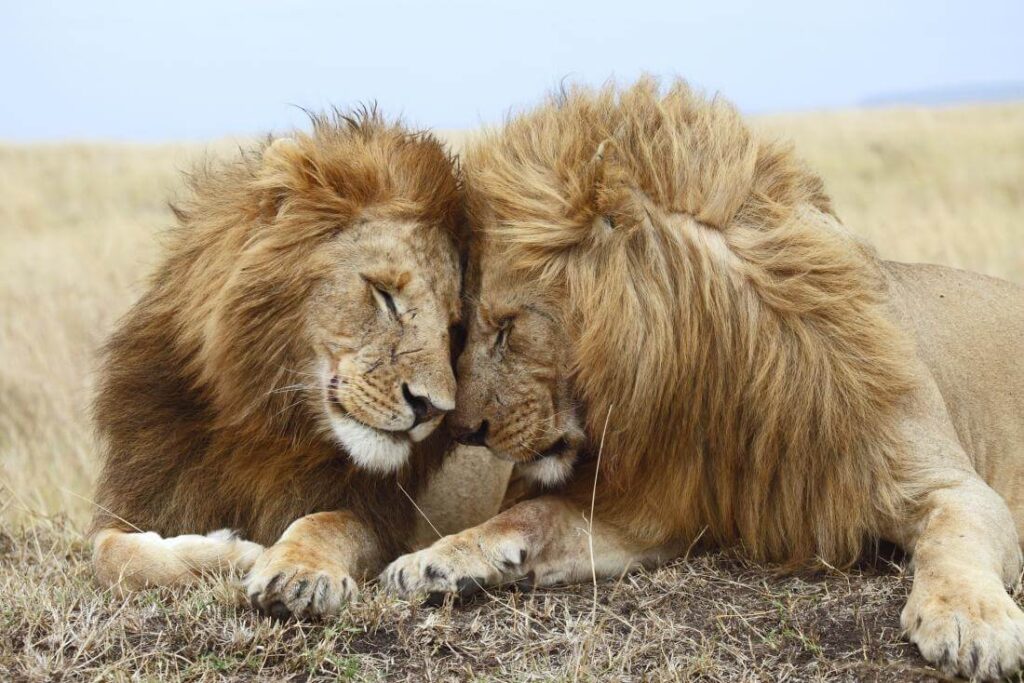
Homosexual and bisexual activity between animals has been well documented, with more than 1,500 species recorded in engaging in same-sex sexual behaviour.

But despite the large body of evidence, evolutionary biologists have struggled to explain what has become known as the “Darwin Paradox” – why are these behaviours so common when they result in no opportunity for species to reproduce.

And why, when animals have evolved over millennia, has same-sex sexual behaviour repeatedly evolved and persisted?

Researchers from the Yale School of Forestry & Environmental Studies suggest instead of examining the issue as a conundrum in need of a solution, the question ought to be reframed from “why do animals engage in same sex behaviour” to “why not?” 

Writing in the journal Nature Ecology & Evolution, the authors suggest that these behaviours may actually have been part of the original, ancestral condition in animals and have persisted because they have few — if any — costs and perhaps some important benefits.

“We argue that the frequently implicit assumption of [different-sex sexual behaviour] as ancestral has not been rigorously examined, and instead hypothesise an ancestral condition of indiscriminate sexual behaviours directed towards all sexes. By shifting the lens through which we study animal sexual behaviour, we can more fruitfully examine the evolutionary history of diverse sexual strategies.” 

Lead author and F&ES doctoral candidate Julia Monk said: “We propose a shift in our thinking on the sexual behaviours of animals.

“We’re excited to see how relaxing traditional constraints on evolutionary theory of these behaviours will allow for a more complete understanding of the complexity of animal sexual behaviours.”  

In the past, the researchers say research into species’ sexual behaviours has rested on two assumptions. 

The first is that same-sex behaviour has high costs because individuals spend time and energy on activities offering no potential for reproductive success. 

And the other assumption has been that same-sex behaviours emerged independently in different animal species and evolutionary lineages.

“If any trait other than homosexuality had been observed in such a diverse array of species it would be widely accepted as being part of our ancestral DNA rather than something that evolved later,” said Ms Monk.

“Put simply,” the authors write, “we are proposing a shift from asking ‘Why engage in SSB?’ to ‘Why not?’”

They argue a combination of same-sex sexual behaviours (SSBs) and different-sex sexual behaviours (DSBs) is an original condition for all sexually producing animals — and that these tendencies likely evolved in the earliest forms of sexual behaviour. 

The authors suggest not only that same-sex behaviours are often “not costly”, but can in fact be advantageous from a natural selection perspective because individuals are more likely to mate with more partners. 

Many species aren’t inherently monogamous but instead try to mate with more than one individual. In many species it can be difficult for individuals to even discern between different sexes. 

“So, if you’re too picky in targeting what you think is the opposite sex, you just mate with fewer individuals. On the other hand, if you’re less picky and engage in both SSB and DSB, you can mate with more individuals in general, including individuals of a different sex,” said co-author Max Lambert, a postdoctoral fellow at the University of California-Berkeley’s Departmental of Environmental Science, Policy, and Management.

He added: “So far, most biologists have considered SSB as extremely costly and, consequently, something that is aberrant.” 

“This strong assumption has stopped us as a community from actively studying how often and under what conditions SSB is happening. Given our casual observations suggest that SSB seems to happen pretty commonly across thousands of species, imagine what we would have learned if we had assumed this was something interesting and not just a rampant accident.”

By: Harry Cockburn

 
Posted on Leave a comment

Do Horses Like Humans?

Horses, fenbendazole, helmintazole, homelab

Do Horses Like Humans?

If you have ever owned or spent a lot of time riding with one particular horse, chances are good that you’ve felt some sort of special connection with them — and wondered if horses even like humans. Maybe you’ve felt like they were actually your friend, or a small part of your family, and wanted to know if the feeling was reciprocal. Research is now confirming that that connection isn’t all in your head — and anyone who has ever had a pet before, horse or not, definitely won’t be surprised at some of these recent findings. A new study shows that horses can actually understand and remember human emotions, which is something that makes them seem even more magical than they already did.

This is not the first time scientists have discovered something like this about these animals — previous studies have found that horses can recognize expressions. This new research, though, has found that the animals can not only recognize expressions but can also remember them and link them to a specific face. In other words, horses can recognize human faces and their emotional expressions, something that they then use to discern whether the person is a threat or not. 

This latest study was done by researchers at the universities of Sussex and Portsmouth and was published in the journal Current Biology. While it’s certainly not the first study down on horse behavior, it is the first one to find something like this. 

“We know that horses are socially intelligent animals, but this is the first time any mammal has been shown to have this particular ability,” Portsmouth research Leanne Proops said. “What’s very striking is that this happened after just briefly viewing a photograph of the person with a particular emotional expression — they did not have a strongly positive or negative experience with this person.”

The researchers came to this conclusion after a series of experiments where they showed domestic horses photographs of humans with either a happy or angry facial expression. Later, they showed the horses the people in the photographs, making neutral expressions. During the real life meeting, researchers watched the eye movements of the horses. They found that the horses saw those who had been photographed with angry faces to be more threatening (previous research has shown that horses look at negative or threatening things with their left eye). It’s important to note that the humans did not know which photographs the horses had seen before, which was done to eliminate the risk of the humans behaving differently.

Karen McComb, a professor at the University of Sussex, said in a news release, “What we’ve found is that horses can not only read human facial expressions, but they can also remember a person’s previous emotional state when they meet them later that day — and, crucially, that they adapt their behavior accordingly.”

This research is incredibly interesting for so many reasons. For one thing, it proves exactly how intelligent and emotional horses really are — that connection that you might feel with one of these magnificent mammals is a real thing. For another, it’s an important step toward learning more about these important animals, and maybe even animals in general. We still know so little about what goes on in the minds of some of our favorite animals, and this is one way to understand a little bit more about at least one of them.

In fact, this is more proof that horses may have more human-like behavior than you thought. Previous research has found that horses can deal with chronic stress, experience allergies, and even get the flu. Anyone who has spent a lot of time around horses may not find this type of research particularly surprising.

Posted on Leave a comment

Animal cancer facts

Animal cancer

Some animals never get cancer, while others can catch it from the sea. Find out more in our list of things you never knew about cancer in the wild.

Cancer is widespread in the animal kingdom; it affects molluscs, fish, reptiles, birds and mammals. Some species develop cancers very similar to humans, while others are affected by a rare, contagious form of the disease. At the other end of the spectrum, some species rarely get cancer. Genomic analysis holds the key to understanding these differences, and if we can harness that knowledge, it could help treat cancer in all its forms.

1. Clams and cockles get contagious cancer

Termed neoplasia, it has similarities to human leukaemia. It’s been found in clams, cockles, mussels and other bivalve molluscs across the world.[ The disease causes molluscs’ circulatory fluid to thicken and turn cloudy as large, cancerous cells accumulate. The cells clog up their tissues and eventually will kill the animal. Unlike leukaemia, neoplasia is not caused by changes in the DNA of an individuals’ own cells, which then divide and multiply in the body. Genomic analysis in 2016 found that the neoplasia cells taken from different molluscs are related to each other, not the individual they reside in. 

Bivalves are filter feeders and so it is likely that the cells spread from one individual to another through the seawater. The cells settle in a new host, divide and multiply. How the cells survive remains unknown. The cancer can wipe out whole populations of shellfish, though the communities do usually recover. 

Sanger Institute researcher Dr Daniel Garcia Souto is working with collaborators in Spain at the University of Santiago de Compostela and the University of Vigo to sequence the genomes of neoplasia cells from bivalves across Europe. They want to understand the similarities and differences with other contagious cancers and human leukaemia. The creatures could eventually help researchers test or develop new treatments that benefit people.

2. Tasmanian devils and dogs can catch cancer too

Researchers have discovered eight different transmissible cancers so far. Two in Tasmanian devils, one in dogs, and the rest in bivalve molluscs.

The Tasmanian devil cancers are facial tumours, passed between the devils when they bite each other, which they do frequently. Like the clam cancer, it hasn’t evolved from the mutated cells of the individuals it lives in. It’s deadly, and has pushed the creatures towards extinction, though scientists have recently discovered that the devil’s immune system is fighting back, and their numbers are stabilising.

A form of contagious cancer also affects stray dog populations – canine transmissible venereal tumours (CTVT). This cancer is thought to have arisen from an individual dog 11,000 years ago, termed the ‘founder dog’. The tumours are sexually transmitted, and are seen in stray dog populations in all corners of the world, though curiously not in dogs living in the exclusion zone around the Chernobyl nuclear power plant.

These transmissible cancers have been likened to parasites, life-forms in their own right, spreading from host to host.

Cancer has never been passed from animals to people, but there have been extremely rare cases of person-to-person transmission of cancer. It has only been reported a handful of times – during an organ transplantation, experimental treatment and a surgical accident.

It remains a mystery how transmissible cancers form and exist at all.

3. Bowhead whales can live to 200 and they don’t get cancer

At the other end of the scale, there are animals that very rarely get cancer. Bowhead whales are the longest living mammals. In May 2007, a bowhead whale caught off the Alaskan coast was found to have the head of a harpoon buried in its blubber. The harpoon was manufactured between 1879 and 1885, making the whale somewhere between 115 and 130 years old. Scientists have since estimated that the creatures can live to over 200.

Bowhead whales are also among the largest mammals, with some growing to 20 meters and weighing in at 100,000 kilograms. Their massive size means they have an estimated 3.7 quadrillion cells, 1,000 times the amount we do. 

With so many cells, each containing a copy of the whale’s genome and the propensity for genetic typos, you might predict that cancer would be 1,000 times more common in whales than in humans. But the animals are seemingly resistant. This phenomenon is termed ‘Peto’s paradox’ after the Oxford-based scientist who first described it.[

Scientists are fascinated by how these animals can live so long, unaffected by a range of diseases. The bowhead whale genome was sequenced in 2016 and researchers hope it will give them clues into healthy aging.

Bowhead whales aren’t the only large mammals resistant to cancer….

4. Elephants have 20 copies of a tumour-suppression gene, humans only have one

Scientists have a theory as to why elephants are resistant to cancer. They have 20 copies of a tumour suppressor gene called tp53 a.k.a. the “guardian of the genome”. Humans have just one copy.[

In most human cancers tp53 is mutated, meaning it can’t carry out its normal tumour busting tasks. With spare copies of the gene, it may be that elephants’ cells can handle many more mutations before a cell is transformed into a cancer cell. Scientists are investigating how this knowledge could help develop new cancer treatments for people.

5. Naked-mole rats are resistant to cancer

There are small creatures that are resistant to cancer too. Naked mole rats are possibly the most famous ones (if you are a cancer researcher at least. They aren’t popular pets). They can live to 30 years old; a similar-sized mouse only lives to four. Cancer has only been seen a few times in a naked mole rat. 

Their cancer resistance is thought to have a completely different mechanism to the one in elephants though. One theory is that it is due to the large, viscous molecule secreted by their skin cells. The molecule is much longer than the equivalent molecule in mice or humans. It’s thought to have evolved to allow their skin to easily stretch as they squeeze through small underground tunnels. It could also be making them cancer resistant, by making it harder for cancer cells to divide and spread within the body.

6. Skin cancer in humans, dogs and horses has the same genetic changes

Mucosal melanoma is a rare and poorly understood type of skin cancer. Usually skin cancer is caused by exposure to UV light, but the cause of mucosal melanoma is unknown. It can occur on mucosal linings of the sinuses, nose, mouth, vagina and anus. It’s seen across mammal species including humans, dogs and horses. By studying the genomes of the cancer cells in the different animals, Sanger Institute researchers have discovered a handful of genes that are mutated in this form of cancer across all three species. These genes are likely to be what is driving the cancers to mutate and grow, and so represent potential targets for new drugs.

It’s all about the DNA

Whatever form cancer takes, it is caused by changes to DNA. Those changes lead to cells dividing uncontrollably and eventually may form tumours. If researchers can understand the DNA changes that lead to cancer, they can understand how to stop, or reverse them to prevent and treat the disease.

Posted on Leave a comment

Facts about animal homelessness

panacur for dogs homelabvet

Facts about animal homelessness

Welcome to our blog , we want to tell 10 facts of animal homelessness! The 10 facts you want are below, and the sources for the facts are at the very bottom of the page.

  1. Only 1 out of every 10 dogs born will find a permanent home.
  2. The main reasons animals are in shelters: owners give them up, or animal control finds them on the street.
  3. Each year, approximately 2.7 million dogs and cats are killed every year because shelters are too full and there aren’t enough adoptive homes. Act as a publicist for your local shelter so pets can find homes.
  4. Approximately 7.6 million companion animals enter animal shelters nationwide every year. Of those, approximately 3.9 million are dogs and 3.4 million are cats.
  5. According to the National Council on Pet Population Study and Policy (NCPPSP), less than 2% of cats and only 15 to 20% of dogs are returned to their owners.
  6. 25% of dogs that enter local shelters are purebred.
  7. About twice as many animals enter shelters as strays compared to the number that are relinquished by their owners.
  8. It’s impossible to determine how many stray dogs and cats live in the United States. Estimates for cats alone range up to 70 million.
  9. Only 10% of the animals received by shelters have been spayed or neutered. Overpopulation, due to owners letting their pets accidentally or intentionally reproduce, sees millions of these “excess” animals killed annually.
  10. Many strays are lost pets that were not kept properly indoors or provided with identification.
Posted on Leave a comment

History of animal cancer

Animal cancer

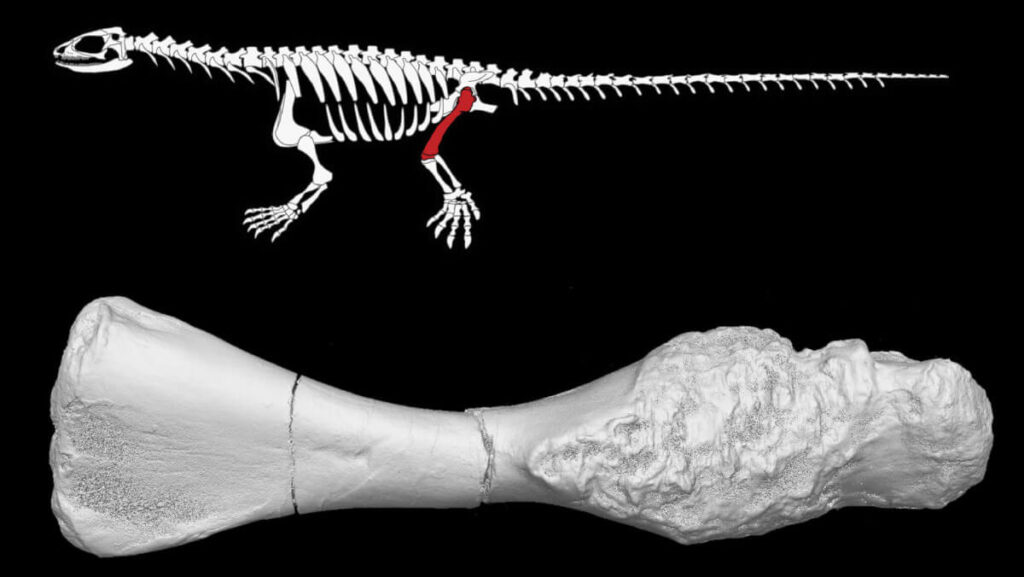
is not a new disease. In fact, cancer in animals has been around since the era of the dinosaurs. Using a portable X-ray machine, Bruce Rothschild of the Northeastern Ohio Universities College of Medicine scanned 10,000 dinosaur vertebrae from more than 700 museum specimens and found evidence of cancer in duck-billed dinosaurs that roamed the earth seven million years ago.1

Ancient civilizations, dating back thousands of years, identified and documented cancer in both people and animals, including written recognition of cancer in animals in Egypt in 1600 B.C. In 400 B.C., Hippocrates, the father of medicine, applied the term karkinos, meaning crab, to describe tumors and is the origin of the word cancer.2

Since the earliest days, discoveries in veterinary oncology have generally paralleled human findings. A major breakthrough in cancer study came with the development of the microscope in 1590. Using this tool, pathologists could describe specific cancers and start to document relative frequencies. Even then, progress in treating cancer remained slow.

Evolution of Treatment Options

Surgery, the earliest and still most common treatment, dates back to ancient periods. For hundreds of year, practitioners understood that cancer would generally return after surgery and had to outweigh the risks, including bleeding and infection, over the benefits. The discovery of anesthesia in 1846 propelled surgery in the modern times.3

The next treatment to emerge was radiation. A German physician and veterinarian named Richard Eberlein, was likely the first to use radiation to treat animals and reported his results in 1906.4Advances in treating both people and animals were slow for more than twenty years. With funding from the Rockefeller Foundation in 1927, Alois Pommer of the Vienna Veterinary High School, began an extensive study of radiation therapy in animals which led to a publication in 1958 that greatly influenced radiation therapy in veterinary medicine.

During the Second World War, the US Army discovered that nitrogen mustard was effective in treating cancer of the lymph nodes (lymphoma).5 The compound was the prototype for a series of drugs developed to kill cancer cells by damaging their DNA. These findings led to the use of drugs as a common cancer therapy.

Over the last 20 years in both veterinary and human medicine, immunotherapy, a strategy to boost the body’s natural mechanisms to fight cancer, has established itself as a major player in cancer treatment.

Origins of Veterinary Oncology

Starting in the mid-20th Century, the acceptance of “pets as family” and the human animal bond prompted veterinarians to push the boundaries of clinical diagnosis and treatment for companion animals. In the 1960s a handful of veterinarians led the way in developing the field of clinical veterinary oncology. As specialties emerged at the University of Pennsylvania School of Veterinary Medicine, Dr. Robert Brodey advanced the study of veterinary oncology.6 At the same time, Dr. Gordon Theilen at University of California Davis wrote the first veterinary clinical oncology textbook. In 1961, Dr. Ed Gillette assumed leadership of the radiology training program at Colorado State University and through vision and dedication emerged as the father of veterinary radiation oncology. Another contemporary, Dr. E. Gregory MacEwen of the University of Wisconsin, led discovery of more effective cancer therapies for both pets and people. 

In 1976, the Veterinary Cancer Society provided a space for like-minded clinicians and scientists to share ideas around the discipline of oncology. Soon after, board certifications in medical oncology, radiation oncology, and surgical oncology brought standardized training to the forefront. Oncology training in the almost 40 professional veterinary medical school curricula is now routine.

As the field of veterinary oncology has grown over the last 40 years. Veterinary oncology has come of age with robust education, research and wide-ranging clinical service offering curing and caring to our pet animals and their caretakers. Cancer in pet animals is now recognized by various funding agencies and the human oncology community as not only a relevant, but powerful model to study cancer in all creatures’ great and small.

Advances in genetic, molecular, and cell pathway strategies offer hope to achieve the Holy Grail of prevention for a disease that has plagued us since the beginning of time.  

Posted on Leave a comment

What is the animal welfare?

Animal welfare 

means how an animal is coping with the conditions in which it lives. An animal is in a good state of welfare if (as indicated by scientific evidence) it is healthy, comfortable, well-nourished, safe, able to express innate behavior, and if it is not suffering from unpleasant states such as pain, fear, and distress. Good animal welfare requires disease prevention and veterinary treatment, appropriate shelter, management, nutrition, humane handling, and humane slaughter. Animal welfare refers to the state of the animal; the treatment that an animal receives is covered by other terms such as animal care, animal husbandry, and humane treatment.1 Protecting an animal’s welfare means providing for its physical and mental needs.

Ensuring animal welfare is a human responsibility that includes consideration for all aspects of animal well-being, including proper housing, management, nutrition, disease prevention and treatment, responsible care, humane handling, and, when necessary, humane euthanasia.

There are numerous perspectives on animal welfare that are influenced by a person’s values and experiences. There are also various means of measuring animal welfare, including (but not limited to) health, productivity, behavior, and physiological responses.

The American Veterinary Medical Association has defined its commitment to animal welfare through the adoption of the following Animal Welfare Principles that serves as guidance when the Association develops policies and takes action to ensure the welfare of animals:

The AVMA, as a medical authority for the health and welfare of animals, offers the following eight integrated principles for developing and evaluating animal welfare policies, resolutions, and actions.

  • The responsible use of animals for human purposes, such as companionship, food, fiber, recreation, work, education, exhibition, and research conducted for the benefit of both humans and animals, is consistent with the Veterinarian’s Oath.
  • Decisions regarding animal care, use, and welfare shall be made by balancing scientific knowledge and professional judgment with consideration of ethical and societal values.
  • Animals must be provided water, food, proper handling, health care, and an environment appropriate to their care and use, with thoughtful consideration for their species-typical biology and behavior.
  • Animals should be cared for in ways that minimize fear, pain, stress, and suffering.
  • Procedures related to animal housing, management, care, and use should be continuously evaluated, and when indicated, refined or replaced.
  • Conservation and management of animal populations should be humane, socially responsible, and scientifically prudent.
  • Animals shall be treated with respect and dignity throughout their lives and, when necessary, provided a humane death.
  • The veterinary profession shall continually strive to improve animal health and welfare through scientific research, education, collaboration, advocacy, and the development of legislation and regulations.

If you want your animal never had a worm you should give them anthelmintic treatment – one of the best is Fenbendazole, Helmintazole.

If you want to buy Fenbendazole (Helmintazole…) online, you can buy it at Homelabvet.com, there are a lot of different types of Fenbendazole with different dosages.