Posted on Leave a comment

What about Tylosin for dogs?
What about Tylosin for dogs?

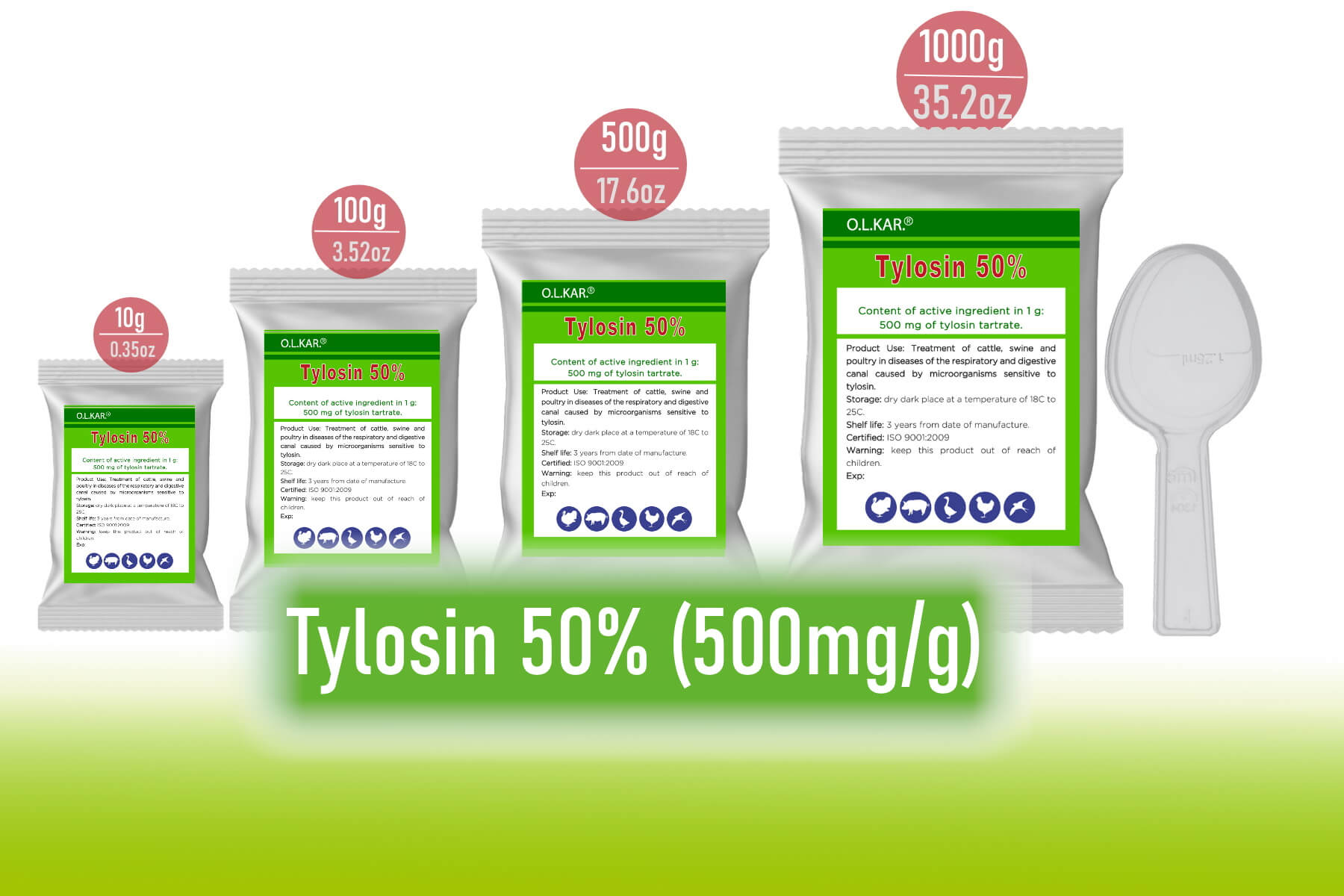
Tylosin 500mg powder tylan for dogs

Tylosin-responsive diarrhea (TRD) is a syndrome that includes all cases in which tylosin antibiotic treatment has had a positive effect on treating dogs with intermittent or chronic diarrhea. Antibiotic treatment often leads to resolution of clinical gastrointestinal (GI) signs, and thus the term antibiotic-responsive diarrhea (ARD) was coined. Recently, trials have been published in which tylosin proved to be particularly effective in treating dogs with chronic or intermittent diarrhea, with the effect of tylosin differing from that of other antibiotics, thus indicating that the more newly established term TRD is more appropriate than ARD.

Tylosin antibiotic

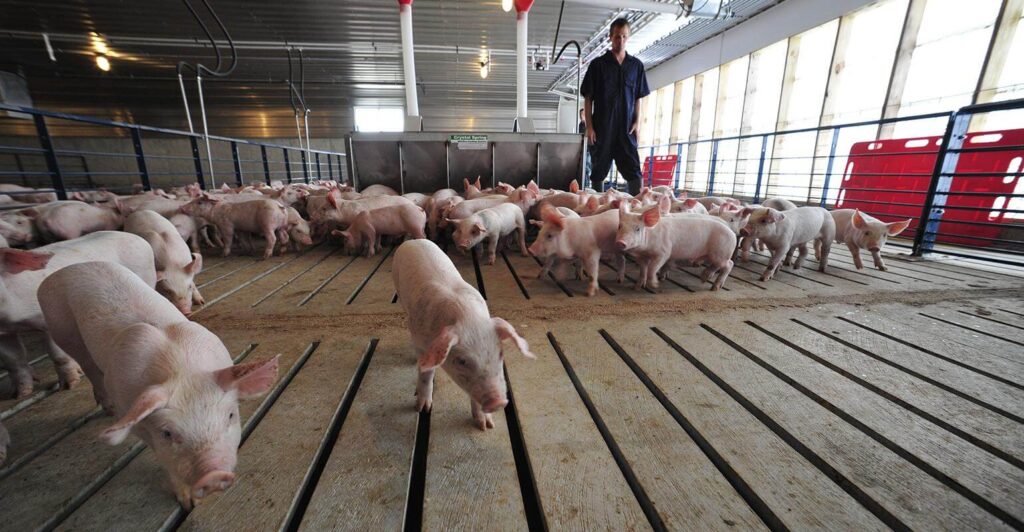
Tylosin is a macrolid, bacteriostatic antibiotic that has activity against most Gram-positive and Gram-negative cocci, Gram-positive rods and Mycoplasma. However, the Gram-negative bacteria Escherichia coli and Salmonella spp. are intrinsically tylosin-resistant. Tylosin is used only in veterinary medicine, and its most common indications are treating pigs with diarrhea or poultry with chronic respiratory diseases. Tylosin has also been used as a feed additive in food animal production, and it has been shown to increase gain and feed efficiency, especially in pigs. Debate about the mechanisms underlying tylosin-mediated growth enhancement is ongoing.

Tylosin is usually used in powder form for pigs and poultry. In Finland and in some other countries, tylosin is also available in tablet form, facilitating its use in dogs.

Experiences of tylosin in treating diarrhea

Our experience with tylosin is derived from numerous studies with dogs suffering from exocrine pancreatic insufficiency (EPI).These studies have clearly shown that tylosin has a favorable effect as a supportive therapy on dogs with EPI.

In Finland, tylosin has for years been the most common drug in the treatment of unspecific intermittent or chronic diarrhea in dogs. Anecdotal reports by veterinarians and dog owners reveal that many dogs with diarrhea respond well and quickly to tylosin treatment, generally within a few days of initiation of treatment. When treatment is discontinued, however, diarrhea reappears in many dogs within a matter of weeks or months. Some dogs need a treatment over very long period. Even so, the effect of controlling diarrheal signs does not appear to diminish with time, and thus there is no need to increase the dosage of the medication. No apparent tylosin-associated adverse effects have been reported.

TRD can affect dogs from all breeds and ages but is most often seen in middle-aged, large-breed dogs. The diarrea signs appear often as intermittent but progressivly become more frequent and end as persistent diarrhea. Abnormal loose fecal consistency is the predominant sign. The majority of the owners describe their dogs’ feces as watery and/or mucoid indicating that TRD affects both the small and large bowel. Increased frequency of borborygmus and flatulence are also typically seen. Vomiting is occasionally seen during the diarrheal outbreaks.

In dogs with TRD the blood parameters are usually normal. Also the abnormal findings in diagnostic imaging studies and histological examination of intestinal biopsies, are only mild or completely absent.

Clinical studies with tylosin

Only a few studies on treating diarrheal signs in dogs with tylosin have been published. Van Kruiningen, (1976) reported more than 30 years ago that tylosin had a good effect in treatment of unspecific canine diarrhea. Recently, our study group performed two clinical trials to obtain more information on TRD. The first study included 14 adult pet dogs of 12 different breeds. Each dog’s diet remained unchanged throughout the study. The dogs had shown chronic or intermittent diarrheal signs for a period of more than one year. Diarrhea had been successfully treated with tylosin for at least six months, and the treatment had been discontinued at least twice but the signs had always occured. When the study commenced, all dogs had been on tylosin for at least one month and were otherwise healthy. Thereafter, tylosin was discontinued and the dogs were monitored for a period of up to one month to determine whether signs of diarrhea would reappear, as suggested by the clinical history. Diarrhea reappeared in 12/14 dogs (85.7%) within 30 days. During the treatment trial diarrhea ceased with tylosin in all dogs within three days and in most dogs within 24 hours. In contrast, prednisone did not completely resolve diarrheal signs, and the probiotic Lactobacillus rhamnosus GG did not prevent the relapse of diarrhea in any of the dogs.

In the second study in an experimental dog colony, seven beagles showed signs of chronic diarrhea for at least one month. The dogs were treated with tylosin for ten days. During the treatment period the feces became significantly firmer, although they remained unacceptably loose. When the treatment was discontinued, diarrhea reappeared within three weeks. Treatment with other antibiotics (metronidazole, trimethoprim-sulfadiazine, or doxycycline) or with prednisone had almost no effect on fecal consistency, the feces remaining abnormally loose in all dogs. The diet was then changed for a ten-day period from a highly digestible moist pet food to a dry food developed for normal adult dogs. The feces again became significantly firmer, although they remained loose in some dogs. The dry food period was then extended to three months, but the fecal consistency continued to fluctuate from ideal to diarrhea. Since the consistency was not satisfactory, the dogs were treated a second time with tylosin for ten days. The feces then became normal in consistency and remained so throughout the entire three-month follow-up time. The study revealed that in the experimental dogs with chronic diarrhea the fecal consistency became significantly firmer both with tylosin treatment and with dietary modification. Neither of the treatments alone was sufficient to obtain ideal fecal consistency, but when the dogs were treated simultaneously with both regimes, permanent ideal fecal consistency was attained. The study thus indicated that tylosin and feeding regimes have synergic effects.

Pathophysiology

The etiology of TRD remains obscure. Since tylosin is an antimicrobial agent, it has been speculated that some pathogenic bacteria are likely responsible for the diarrheal signs. Based on negative culture results and ELISA tests, we have excluded such common enteropathogenic bacteria as Clostridium perfringens, Clostridium difficle, Salmonella spp., Campylobacter spp. , and Yersinia spp. as causative factors for the diarrheal signs occurring in TRD. Less well-defined species causing diarrhea in dogs, such as Plesiomonas shigelloides, Lawsoni intracellularis, and Brachyspira spp., have also been excluded.

Our ongoing studies have revealed that administration of tylosin leads to significant but transient changes in the composition of the small intestinal microflora. The results support the hypothesis that tylosin promotes the growth of beneficial commensal bacteria, while suppressing deleterious bacteria.

Besides antibacterial properties, tylosin may possess anti-inflammatory properties, contributing to its effectiveness in treating canine diarrhea. The mode of action must differ, however, from the immunomodulatory effect of prednisone because prednisone treatment did not completely resolve diarrheal signs in the same dogs that responded to tylosin.

Diagnostic protocol for dogs with chronic diarrhea

The diagnostic protocol used for dogs with chronic diarrhea by the Faculty of Veterinary Medicine, University of Helsinki, is represented in Figure 1. In patients with chronic diarrhea, every effort should be made to achieve a diagnosis to enable a specific therapy. Unfortunately, this is not always possible in which case empirical therapeutic trials are used in the workup of these patients. There are conflicting opinions about how long an empirical therapy should be attempted. We recommend ten days if a dog has chronic diarrhea or if the interval between intermittent diarrheal episodes is only a few days. If signs of diarrhea disappear or are relieved during this period, the treatment should be continued another 2-6 weeks. When the interval between episodes of intermittent diarrhea is long, i.e. more than one week, the length of the empirical treatment period should be prolonged. The workup protocol displayed in Figure 1 for patients with chronic or intermittent diarrhea is applicable to most veterinary practices. It is also useful regardless of whether the clinical signs are typical of large- or small-intestine disease. The prevalence of diseases that can simultaneously affect the small and large intestines is high.

The initial evaluation (A) comprises obtaining a thorough case history (A1), conducting a physical examination (A2), and taking the basic laboratory tests, including a complete blood count, a serum chemistry profile, and measurement of serum concentrations of trypsin-like immunoreactivity (TLI) (A3). According to the initial examination, the patients are then divided into two groups. The first group includes patients showing clinical abnormalities in addition to diarrhea (Group B), while the second group shows no obvious abnormalities other than diarrhea (Group C).
Patients with obvious abnormalities (B) suffering from systemic disorders with secondary diarrhea (B1a), such as hepatic failure, renal failure, hypoadrenocorticism, and EPI (B1b), should be identified before starting trial therapies. Also if hypoproteinemia (B1c), melena and/or anemia (B1d), or abnormal palpation findings (B1e) are found, the reason for these abnormalities should be examined.
Dogs with diarrhea but no other abnormalities (C) are treated orally with fenbendazol 50 mg/kg for three days (C1) to rule out endoparasites as the causative factor for GI signs.

Food is probably the most common cause of diarrhea (C2), and adverse food reaction should always be excluded before empirical treatment trials with different drugs are initiated. Opinions vary widely about how the diet should be changed for a dietary treatment trial. Unfortunately, current recommendations are largely based on anecdotal evidence rather than on controlled trials. The most common recommendation is to use a diet with novel protein and carbohydrate sources, with the former restricted to a single animal source.

If modifying the feeding regime fails to produce a satisfactory fecal consistency, the next step is to treat the dog with tylosin 25 mg/kg BW q24h (C3). Dogs responding to tylosin treatment will usually do so within 3-5 days, and diarrhea will remain absent as long as treatment continues. In many dogs, diarrhea will reappear within some weeks upon discontinuation of treatment. If diarrheal signs reappear, the dog owner should change the dog’s diet once again to make sure that the feeding regime is not involved in the etiology of the signs. If diarrheal signs continue, tylosin treatment is re-initiated. The effect of tylosin does not appear to diminish even in dogs that have been treated for years. The dose of tylosin for long-term use should be tapered to the lowest possible dose that controls clinical signs. Many dogs need only half of the recommended dose.

Although no adverse effects during tylosin treatment have been reported, efforts should be made to reduce the use of tylosin. This is because our recently conducted studies have indicated that tylosin causes wide resistance to antibiotics in the intestine (unpublished results). Certain probiotic lactic acid bacteria (LAB) have been shown to be effective in the prevention and treatment of a variety of diarrheal disorders in humans and in experimental mouse models. Hopefully in the future a probiotic LAB can be used instead of tylosin to treat or prevent chronic diarrhea in dogs with TRD.

Posted on Leave a comment

How to Feed Pigs

vietnamese pigs feeding

How to Feed Pigs

Knowing what, when, and how to feed your pigs will help them grow big and healthy. A well-balanced diet is also essential for producing high-quality meat if they’re destined for the market. Start young piglets off with a fortified dry food that meets their complex nutritional needs. As they get older, you can begin giving them a mixture of grains, fruits and vegetables, distilling mash, and even leftovers from your own table.

1.Start piglets off with a well-balanced pellet feed. Pellet feeds, such as creep feed, come in small, digestible pieces that are the perfect size for young pigs to munch on. These feeds are specially formulated to meet growing pigs’ unique nutritional needs, and typically contain a well-balanced blend of protein, carbohydrates, and essential vitamins and minerals.

  • You can find creep feed and other dietary supplements for newborn pigs at farm supply stores.
  • Each of your piglets should get about 20g of creep feed per day over one or two feedings.

2. Feed mature pigs a variety of wholesome grains. As your pigs get older and larger, you can wean them off pellet feed and switch them to natural grains, which will make up the bulk of their diet. Wheat, barley, rice, and corn (both on and off the cob) are among a few of the grains that backyard farmers commonly feed to their pigs.

  • Most whole grains are high in carbohydrates, which can cause your pigs to put on fat rather than lean, healthy muscle. For this reason, it’s a good idea to supplement regular grains with protein-rich offerings like alfalfa and soybeans.[
  • For ease of digestion, the grains you supply to your pigs should be cracked, rolled, soaked, or otherwise processed.

3.Give your pigs a selection of fresh fruits and vegetables. Like humans, pigs need to eat their fruits and veggies in order to grow. For the most part, it’s safe for them to have just about any kind of produce you yourself would eat. However, they’re especially partial to leafy vegetables like lettuce, cabbage, spinach, and sweet potato vine, as well as apples, bananas, pears, melons, and other fruits.

  • You can also feed your pigs root crops. Pigs can’t get enough of the hearty crunch of veggies like potatoes, carrots, sugar beets, and parsnips.
  • Sweet, colorful produce not only tends to be the tastiest to pigs, it also contains the highest concentrations of beneficial vitamins and minerals.
  • Fruits and veggies are more nutrient-rich than other types of foods, so it’s okay for your pigs to have as much as they can hold on top of their regular grain-based diet.

4.Keep your pigs full with distilling residue. If you brew your own beer or liquor, allow your pigs to feast on the spent mash rather than simply throwing it out. Alcohol is made by fermenting the same types of grains that pigs love to eat. Since these materials have already been softened by the distilling process, they’ll be easy for your pigs to chew and digest.

  • In some places, you can purchase spent grains from distilleries for a low price to use for feed.
  • Avoid giving mash to pregnant sows or young piglets. Even though it has a low alcohol content, it still isn’t good for them.

5. Supplement your pig’s diet with table scraps. Gather up any leftover fruits, vegetables, and grains from your kitchen and combine them in a large container. You can then divide the mixture up between your pigs in place of one of their regular feedings, or serve it up as an extra treat at the end of the day. Giving your pigs your leftovers is a good way to reduce household food waste while cutting down on feed costs.

  • Pigs will eat just about anything, but that doesn’t mean that they should. Never feed your pigs processed meat or cheese products, or overly sugary baked goods.
  • Keep in mind that what you feed your pigs affects their health and body composition. A diet full of fattening foods will therefore produce pigs with more lard and less lean meat.

Determine how much food your pigs need to grow. A good rule of thumb is to feed your pigs roughly 7 pounds of food for every 30 pounds of body weight. Piglets, for instance, may only need about 1-2.5 lbs (0.5-1 kg) of creep feed per day, while a full-sized hog might eat anywhere from 15-50 lbs (6.8-23 kg)!

  • Pregnant and lactating sows typically need an extra 0.5kg of feed per day to be able to nourish their unborn litter or produce milk for their young.
  • It’s generally better to give your pigs too much food than not enough. As mentioned, they’ll stop eating when they’re no longer hungry.
  • Do some research on the specific nutritional needs of the pigs you’re raising to get a better idea of exactly how much of what to feed them.

Invest in an automatic feeder for hassle-free feeding. Automatic feeders refill themselves continually as their contents are depleted. This can make feeding less of a chore for busy or forgetful farmers. And since pigs instinctively know when to stop eating, you won’t have to worry about overfeeding them accidentally.

  • Automatic feeders can be used to dispense grains, pellets, meal, or any type of dry feed.
  • Look for feeders with separate troughs to make sure your pigs are getting enough to eat and aren’t being forced to fight over food.

Use a trough to serve table scraps and distilling grains. Whenever you feed your pigs something that comes out of the still or stove, portion it out into individual servings in a large trough. That way, you can make sure they’re only eating a predetermined amount. Using a separate trough will also eliminate the need to dirty up or risk contaminating your main feeder.

  • Only serve as much leftover table food as your pigs can eat at one time. Anything left behind will quickly spoil and become a health risk.

Feed your pigs once or twice a day. It’s important to make sure your pig’s feeder or trough stays well-stocked when they’re young and their growth is most rapid. Once they reach their full size, a single large, balanced feeding a day should be enough to keep them healthy and satisfied.

  • If possible, provide your pigs with a fenced-in field or pasture where they can graze between feedings.
  • If it’s not possible for your pigs to graze, stick to feeding them once in the morning and once in the evening and reduce the amount given with each feeding.

Secure your feeder to prevent it from being knocked over. Anchor your feeder or trough firmly to the floor or the lower part of the fence so that it doesn’t budge. Hungry pigs can easily overturn a container that’s not strapped down, resulting in wasted feed.

  • Some farmers even resort to using sturdy makeshift feeders like converted bathtubs and sinks that are too heavy to topple!
  • Feeding pigs is expensive enough on its own, so it’s important to ensure that as little food as possible goes to waste.

Stop feeding your pigs a few hours before transporting them. Put your regularly scheduled feedings on hold on days when you’ll be busing your pigs to another location. If you load them up while their stomachs are full, there’s a good chance they’ll vomit or defecate and you’ll be left with a big mess on your hands.

  • Pigs are known to roll in their filth, which means you’ll be stuck hosing them down along with your truck if they happen to get sick.
  • In some cases, feeding pigs prior to transporting them can cause excess gas to build up inside their chest cavities, leading to complications like heart failure.

Discontinue feeding 12-18 hours before taking your pigs to the butcher. This should give anything they’ve eaten recently plenty of time to make its way out. Cleaning a pig is much harder (and less sanitary) work when there’s partially digested food remaining inside its digestive tract.

  • If you use an automatic feeder, pay close attention to your pigs’ feeding habits so you’ll have an idea of when they last ate.

If you want your pigs always being in healthy mood treat them well, give them antibiotics and other treatments…

Posted on Leave a comment

Most common pig diseases worldwide

Most common pig diseases worldwide

Symptoms, treatments and preventative measures for the six most common diseases in pre-weaning, post-weaning and in breeding animals worldwide

In order for pig producers to be successful, keeping their animals healthy is key. To do that, it is essential to know about diseases that may occur in the herd. All staff working with the pigs should be able to spot the symptoms of common diseases and alert the manager or veterinarian, as appropriate. Treating pigs quickly with suitable medication is the next step. Prevention is obviously better than cure, and having a herd health plan will help to minimize disease incidence. Information on two common diseases, in each of three stages of production (pre-weaning, growing-finishing, breeding), is provided below.

Pre-weaning period

1. Exudative dermatitis (greasy pig)

The symptoms of this disease are skin lesions, caused by an infection of the bacteria Staphlococcus hyicus. In severe cases, mortality can occur, as the bacteria damage the liver and kidneys. Lesions first present as dark areas of skin, which spread and become flaky with a greasy feel. Antibiotics are used to treat the infection, along with skin protectants; autogenous vaccines have also been used with success. Improving hygiene in piglet housing is key to preventing this condition, along with teat dipping of sows pre- and post-farrowing. It is also important to reduce the potential for skin abrasions, as this is how the infection enters the body. Abrasions are caused by rough floors, jagged teeth, sharp equipment or even mange mites bites.

2. Coccidiosis

This disease is very common in suckling piglets and is caused by three types of the intracellular parasite coccidia. It causes diarrhea, which can be bloody, often between 10 and 21 days of age and up to 15 weeks of age. Acute cases are treated with fluid therapy and coccidiostats. Secondary infections can result from damage to the intestinal wall. Depending on the level of occurrence on the farm, preventative treatment of sows with coccidiostats may be appropriate. Hygiene should be improved to end the cycle of infection; sow feces are a major source, and flies can spread infection. Providing a warm, dry, clean creep area will help to reduce the parasite load and the likelihood of coccidial infection.

Post-weaning period

3. Respiratory diseases

Coughing, sneezing, abdominal breathing, reduced growth rates and potentially mortality are all signs of respiratory disease. Depending on the cause, antibiotics may be given in feed, water or as an injectable. Poor ventilation or environmental conditions can exacerbate respiratory conditions. For example, high levels of ammonia can damage the respiratory tract, making pigs more susceptible to infection. Infective agents include Streptococcus suis and Pasteurella. Vaccines are available for some forms of pneumonia, although the strain affecting a farm should be identified to ensure a successful outcome. Pleuropneumonia, caused by Actinobacillus pleuropneumoniae, can result in significant mortality, and those that do recover have impaired growth rates and lung damage. Overcrowded and dusty housing are predisposing factors for respiratory disease, along with the presence of PRRS virus.

4. Swine dysentery

Animals with this disease suffer from diarrhea, with or without the presence of blood. It is caused by the bacteria Brachyspira hyodsenteriae. Growth rates of post-weaning pigs are reduced, and, in some cases, sudden death can occur. Antibiotics are used to treat the disease, either in feed, water or as an injectable. Reducing stocking density can be an effective way of reducing infection pressure and stress in the herd. As well as improving hygiene levels, rodent control is a high priority; rodents are a vector for this disease. The strategy for buying and introducing replacement stock should be reviewed, as this a major route of disease introduction.

Breeding stock

5. Mastitis

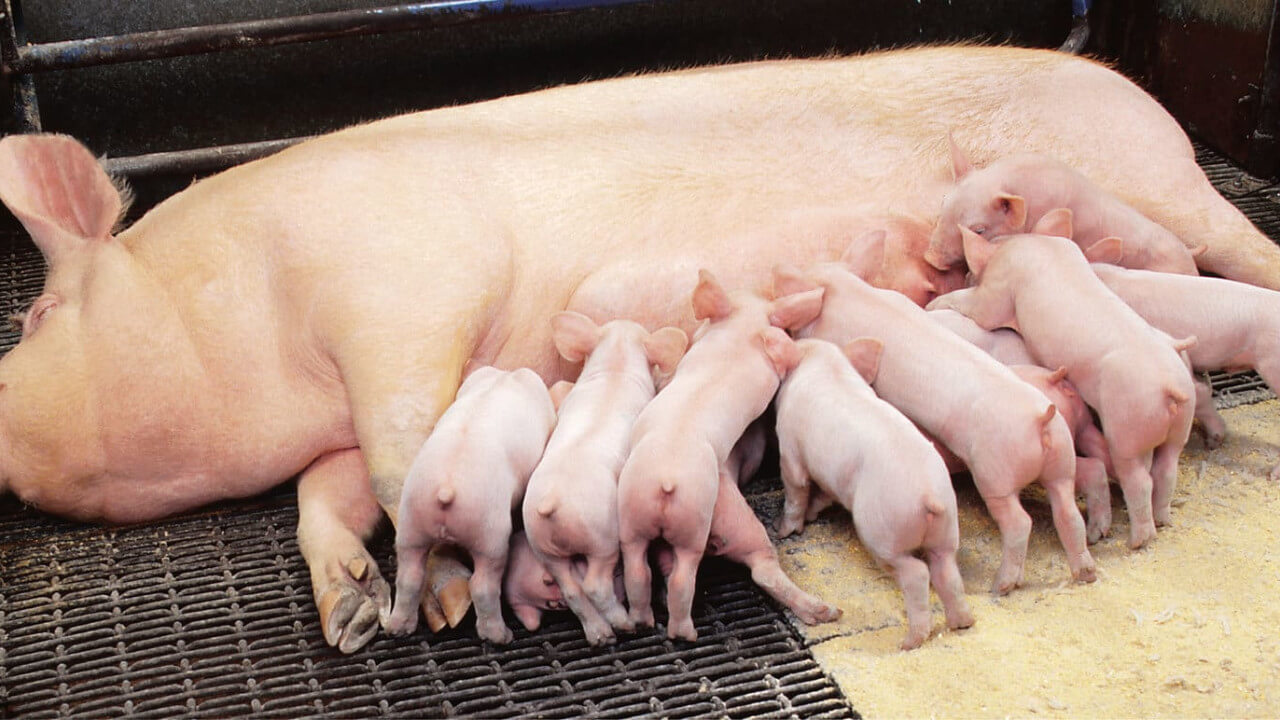
Reduced milk production, loss of appetite and a higher body temperature are symptoms of mastitis in sows. It is caused by a bacterial infection of the mammary glands, where skin discoloration can be seen. Antibiotics, along with anti-inflammatory drugs are effective treatments. Oxytocin may be used to encourage let down of milk and corticosteroids can be prescribed. Hygiene in farrowing housing is important, along with nutrition during late pregnancy to promote immunity. Stress can also be a factor, and it is important to make sure that teats are not being damaged by sow housing facilities. This disease has a significant effect on productivity because of the potential effect of reducing the number of piglets weaned by sows.

6. Porcine parvovirus

If pregnant sows become infected with parvovirus (PPV), reproductive disease can occur, but not in all cases. If it does, most commonly in gilts, reproductive performance is significantly affected. Mummification and stillbirths occur, resulting in small litter sizes. Other reproductive diseases have the same symptoms so accurate diagnosis is essential. Unusually, the virus can survive outside the host for several months, making it endemic in most herds. Although it is only during pregnancy that PPV is a problem, other pigs can spread the virus. There are no treatments available; in order to prevent this disease routine vaccination of gilts is advisable.

Conclusions

In terms of disease prevention, re-occurring themes include hygiene, ventilation and reducing stress. Pig producers need to provide an environment that is optimal for the animal and inhospitable for disease-causing agents. As well as reducing infection pressure, immunity must be promoted by measures such as optimal nutrition and good husbandry.

Prevention is obviously better than cure, and having a herd health plan will help to minimize disease incidence.

If your pigs need antibiotics, one of the very good treatment is Tylosin (Tyclosin), it can help in different situations… There are 2 different types of Tylosin: in powder and injection type.

Posted on Leave a comment

Why Do Chickens Stop Laying Eggs? Reasons Hens Stop Laying Eggs

why chickens stop laying eggs

It can be quite alarming when a poultry owner gets a consistent five eggs, daily, from five hens, only to find just one egg for a few days. This sudden drop in egg-laying takes us all into detective mode – are they hiding the eggs? Are they sick? 

Below you’ll find some of the most common reasons for decreased egg production to put your mind at ease and hopefully get your girls laying consistently again.

Why do hens stop laying eggs?

  1. Molt. At 15-18 months of age, and every year thereafter, chickens will replace their feathers. Feathers will fall out to make room for new feather growth. During this time, hens will stop laying eggs. 
  2. Lighting. Chickens need about 15-16 hours of light per day to produce eggs. The first year, most laying breeds will lay through the winter without artificial lighting.
  3. Too many goodies. Think of kids, if you unleashed your kids at a buffet, and told them they could get whatever they want, most would load up at the dessert table. Your girls will do the same thing, filling up on bread, table scraps etc. they may not be getting what they need to produce eggs. This is usually a slowdown, more than a stoppage.
  4. Too much lovin’. One rooster can easily handle 12-18 hens. If this ratio is too low, he will overmount the girls and bare patches will appear on their backs and the backs of their heads. This stress can drop them out of production.
  5. Dehydration. It doesn’t take much water deprivation, especially in hot weather, to take your hens right out of production. Many times alpha hens will not allow submissive hens (bottom of the pecking order) to drink. They are attempting to “vote them off the island”, but the first thing that will happen is an egg stoppage. We recommend adding water stations during warm weather. 
  6. Any undue stress. Maybe the coop is secure, but they are still being harassed by raccoons, neighbor’s dogs, or other predators.
  7. Egg eating by the hens, or theft by 2 or 4 legged scoundrels! They may be laying, but the wrong critter is getting the eggs. Believe it or not, human egg-stealing is more common than people think – I’ve even seen it on a game camera.
  8. Change in the pecking order. Adding new hens, a new rooster or removing a hen can cause a power void and/or drama. Drama=stress=egg production drop
  9. Illnesses/parasites. The reasons above may likely be the cause but parasites or illness can also cause stress on a hen.

If the reason is parasites or worms, you should buy a dewormer such as Helmintazole or Panacur with active ingredient Fenbendazole, also you can buy a Tylosin or Tyclosin – this treatment is very good for chicken treatment.