Posted on Leave a comment

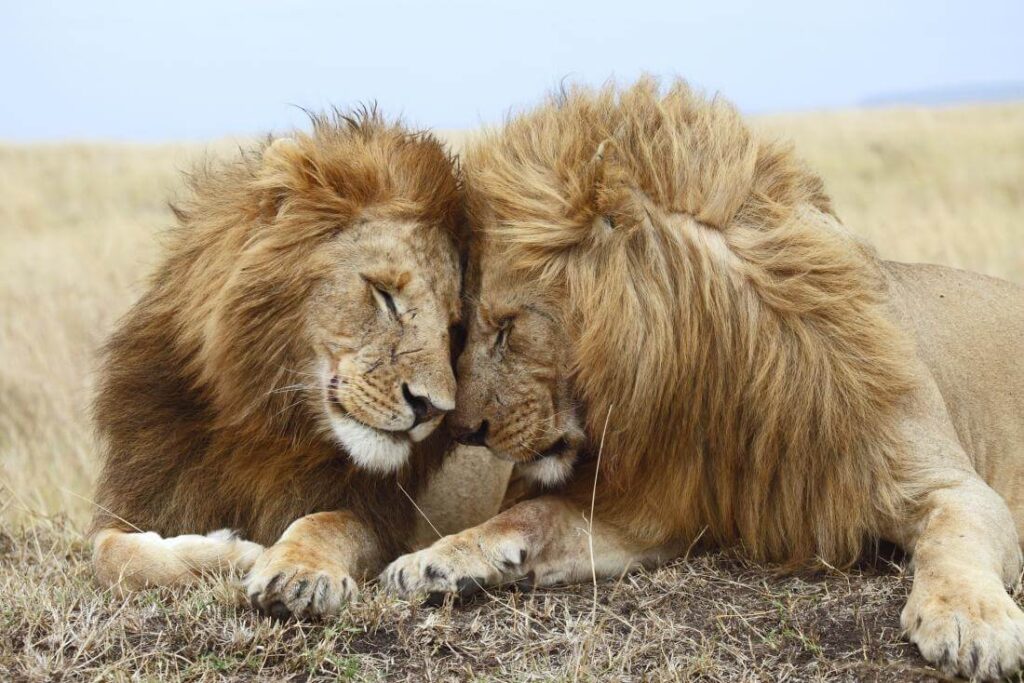
Homosexual and bisexual activity between animals may play key role in evolution

homelabvet for dogs for sale buy online

Homosexual and bisexual activity between animals may play key role in evolution

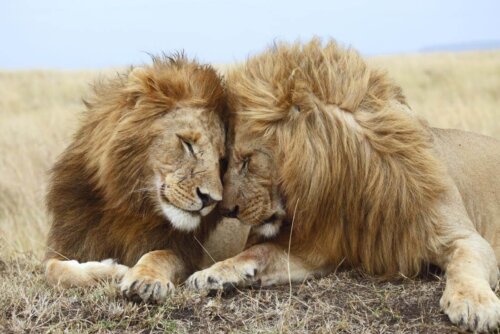
Homosexual and bisexual activity between animals has been well documented, with more than 1,500 species recorded in engaging in same-sex sexual behaviour.

But despite the large body of evidence, evolutionary biologists have struggled to explain what has become known as the “Darwin Paradox” – why are these behaviours so common when they result in no opportunity for species to reproduce.

And why, when animals have evolved over millennia, has same-sex sexual behaviour repeatedly evolved and persisted?

Researchers from the Yale School of Forestry & Environmental Studies suggest instead of examining the issue as a conundrum in need of a solution, the question ought to be reframed from “why do animals engage in same sex behaviour” to “why not?” 

Writing in the journal Nature Ecology & Evolution, the authors suggest that these behaviours may actually have been part of the original, ancestral condition in animals and have persisted because they have few — if any — costs and perhaps some important benefits.

“We argue that the frequently implicit assumption of [different-sex sexual behaviour] as ancestral has not been rigorously examined, and instead hypothesise an ancestral condition of indiscriminate sexual behaviours directed towards all sexes. By shifting the lens through which we study animal sexual behaviour, we can more fruitfully examine the evolutionary history of diverse sexual strategies.” 

Lead author and F&ES doctoral candidate Julia Monk said: “We propose a shift in our thinking on the sexual behaviours of animals.

“We’re excited to see how relaxing traditional constraints on evolutionary theory of these behaviours will allow for a more complete understanding of the complexity of animal sexual behaviours.”  

In the past, the researchers say research into species’ sexual behaviours has rested on two assumptions. 

The first is that same-sex behaviour has high costs because individuals spend time and energy on activities offering no potential for reproductive success. 

And the other assumption has been that same-sex behaviours emerged independently in different animal species and evolutionary lineages.

“If any trait other than homosexuality had been observed in such a diverse array of species it would be widely accepted as being part of our ancestral DNA rather than something that evolved later,” said Ms Monk.

“Put simply,” the authors write, “we are proposing a shift from asking ‘Why engage in SSB?’ to ‘Why not?’”

They argue a combination of same-sex sexual behaviours (SSBs) and different-sex sexual behaviours (DSBs) is an original condition for all sexually producing animals — and that these tendencies likely evolved in the earliest forms of sexual behaviour. 

The authors suggest not only that same-sex behaviours are often “not costly”, but can in fact be advantageous from a natural selection perspective because individuals are more likely to mate with more partners. 

Many species aren’t inherently monogamous but instead try to mate with more than one individual. In many species it can be difficult for individuals to even discern between different sexes. 

“So, if you’re too picky in targeting what you think is the opposite sex, you just mate with fewer individuals. On the other hand, if you’re less picky and engage in both SSB and DSB, you can mate with more individuals in general, including individuals of a different sex,” said co-author Max Lambert, a postdoctoral fellow at the University of California-Berkeley’s Departmental of Environmental Science, Policy, and Management.

He added: “So far, most biologists have considered SSB as extremely costly and, consequently, something that is aberrant.” 

“This strong assumption has stopped us as a community from actively studying how often and under what conditions SSB is happening. Given our casual observations suggest that SSB seems to happen pretty commonly across thousands of species, imagine what we would have learned if we had assumed this was something interesting and not just a rampant accident.”

By: Harry Cockburn

 
Posted on Leave a comment

Practice advice for flukicide resistance

Practice advice for flukicide resistance

WITH INCREASING FINANCIAL CONSTRAINTS and demands on the farming industry, historical attempts to reduce parasitic burdens have seen an increasing reliance on anthelmintics. These pressures, coupled with the intensification of farming, mean that maximising returns from farm to fork has never been so imperative. 

But increasing reliance on anthelmintics has also led to the development of resistance. There is already Group 1 (BZ) resistance widespread on sheep farms, with Group 2 (LEV) and Group 3 (MLs) following. This is primarily due to over-usage of flock anthelmintic treatments, which has been very costly to the sheep industry. Flukicide resistance needs to be addressed – and comprehensive measures put in place – to prevent it following suit. Fasciola hepatica, or liver fluke, is now considered to be endemic in certain areas of the UK, especially in the wetter regions, such as Wales and northwest England.

1. However, there have been widespread reports of fluke infestation. F. hepatica is influenced by climate, with wetter summers and milder winters producing an increased risk year on year due to an increase in survival of the intermediate host, Galba truncatula (mud snail). The adult snail can produce 100,000 eggs in just three to four months.

2. The trematode can multiply up to 500 times within one adult, potentially resulting in an explosive multiplication of fluke. This has led to a rise in reported cases over the last 10 years. Other contributing factors which must not be forgotten include increased livestock movement, intensification of farming, and exponential reports of triclabendazole resistance. It is commonly known within the farming industry that triclabendazole resistance is on the rise; therefore, many experts advise restrictions on its use in cattle, in order to preserve its efficacy in sheep, where it is most needed to treat acute fluke disease.

3. In cattle, the most common manifestation of disease is chronic liver disease, which is caused by the adult stages of liver fluke. To combat this, it is advisable to involve rotation of flukicide actives in strategic anthelmintic herd health plans, prior to the correct risk period. correct quarantine anthelmintic treatments can pose a risk, especially in bought-in stock that can bring with them triclabendazole-resistant fluke. COWS (Control of Worms Sustainably) recommends avoiding triclabendazole for quarantine, but caution must be taken as other products will not kill early immature fluke, and therefore a second treatment will be required to remove residual fluke. SCOPS (Sustainable Control of Parasites in Sheep) advises that treatment with more than one product with active molecules against immature flukes (closantel, nitroxynil, triclabendazole) will reduce the risk of introducing fluke with resistance to any one product.

If you want to have a quality treatment or you need a Triclaben (active ingredient: triclabendazole and albendazole), you can buy it HERE.

Posted on Leave a comment

Signs You’re Allergic To Cats & Don’t Know It

Signs You’re Allergic

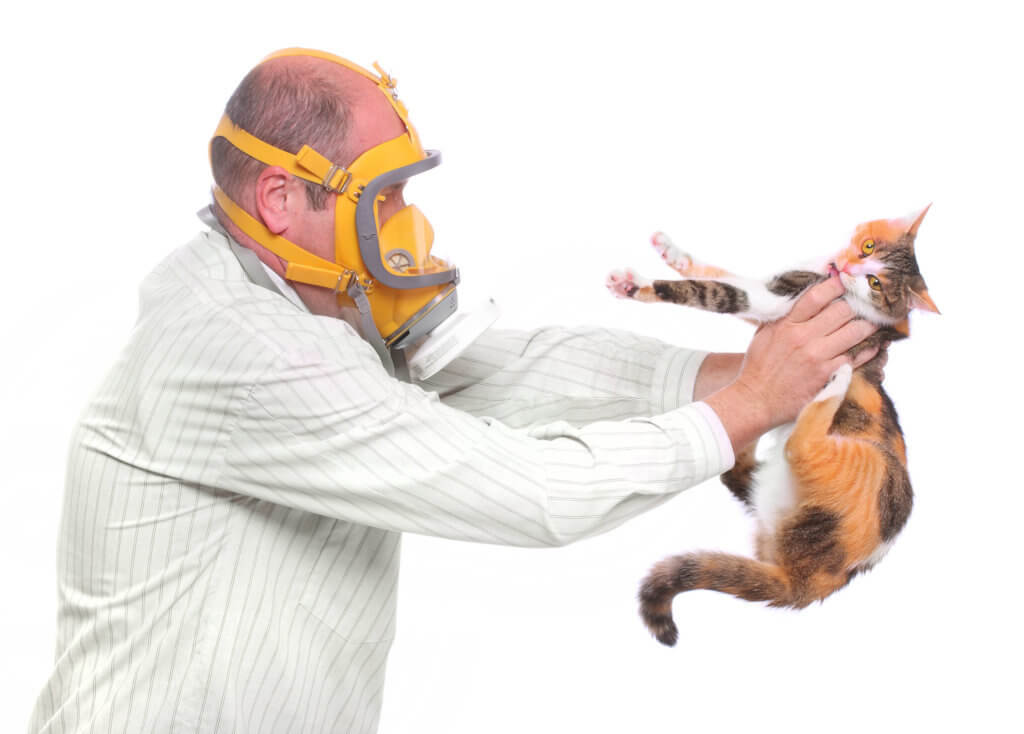
Owning a cat is truly wonderful. Sure, they can be a little moody and tend to do whatever they want, but they are also super cuddly, sweet, and adorable companions that will always make you smile. Unless, of course, you’re allergic to them. In that case, you’ll still be smiling, you’ll just also be sniffling a whole lot. The thing is, though, many people don’t even realize they’re allergic to their cats, which is not ideal: you need to know the signs of a cat allergy for the sake of your own health. 

Pet allergies are very common: in fact, a third of Americans are allergic to cats and dogs. And, again, many people don’t even realize they’re suffering from this. When you think of someone who is allergic to cats, you might assume that they start sneezing the moment a cat goes near them. Maybe you think of someone who breaks out in hives right after petting a cute kitten. These are symptoms of pet allergies, but they certainly aren’t the only ones. 

It’s easy to overlook some of the symptoms that could easily be explained by something else, especially if you don’t want to admit you’re allergic to your cat. But having an allergy to pets doesn’t mean you can’t own one. There are tons of ways to make the experience better, from over-the-country allergy medications to weekly shots from a doctor. 

It’s also important to note that you can develop cat allergies at any time, even if you’ve never been allergic to anything else before. I developed my cat and dog allergies after college, and for a long time I thought I was just sick all the time because I never even thought I might be allergic to my pets. I had never been allergic to anything before! 

So, even if you think it’s unlikely that you’re allergic or developing allergies to cats, you should know the signs and symptoms. If you do start feeling these things, it’s worth a trip to the doctor! 

Allergic To Cats:

1. You Feel Exhausted All The Time

When you think of allergies, you probably think of sneezing, wheezing, and rashes. Those are very common symptoms, but they aren’t the only ones! Cat allergies can also cause fatigue, leaving you feeling exhausted all the time. This is an easy symptom to overlook, as fatigue can have a tremendous amount of causes, but if it’s combined with some of the below symptoms, it could be a sign of allergies.

2. It Feels Like You Have A Constant Sore Throat

Pet allergies will generally make you feel like you’re living with a cold that won’t go away, and can result in sneezing and coughing. Cat allergies can also lead to a post-nasal drip, which can make you feel like you have a constant sore throat. You might also notice that it comes and goes. It could be worse in the morning and at night, or only really bad whenever you’re home. If you always feel like you have a cold, but no fever or any other symptoms, see an allergist. 

3. Your Face Feels Swollen And Slightly Painful

Another sign of allergies that you might overlook is your face feeling kind of swollen, puffy, and sightly painful. This can happen when you’re very congested. Sometimes that congestion doesn’t come out as a sniffly nose; instead it just causes head congestion that leaves you feeling swollen, foggy, and kind of odd. 

4. Your Eyes Are Red And Itchy

Watery eyes are a common symptom of allergies, especially pet allergies. You should also be on the lookout for red, dry, itchy eyes, which is another common symptom. A lot of people think this is just a result of general allergies from being outside and being exposed to pollen, but that itchy feeling in your eyes can also happen after you’re around your cat, especially if you pet them or hold them and then touch your eyes.

5. You Experience Shortness Of Breath

Another annoying symptom of cat allergies is feeling like you just can’t catch your breath. The Asthma and Allergy Foundation of America (AAFA) says, “Many airborne particles are small enough to get into the lungs. For some, this exposure can cause severe breathing problems. Highly sensitive people can begin coughing, wheezing and have shortness of breath within 15 to 30 minutes of inhaling allergens.” 

6. You Have An Asthma Attack

Most of the time, pet allergies are just annoying. Sometimes, though, they can get a little more serious. The AAFA says that being around a cat can trigger a severe asthma attack in up to three in 10 people with asthma. So, if you have asthma, and you have an asthma attack, it could be because of the cats. 

Also important: cat allergies, when left untreated, can actually lead to chronic asthma. That’s why you need to go to a doctor!

7. You Notice Redness On Your Skin

Cat allergies can definitely cause an obvious rash, and even hives that leave your skin super itchy and inflamed. But you should also look out for general redness on the skin, especially on areas of your skin that have had contact with your cat.

Posted on Leave a comment

How Long Will Dogs, Cats, and Other Creatures Live?

Do You Want a Pet That Lives a Long Time?

This is a question you should consider seriously before you adopt any animal. Getting a pet is not a light decision to make, so you’ll need to be very realistic about how much time you can commit. 

When choosing a pet, it’s smart to consider how long it will likely live. Look at the list below to see the average lifespans of common pets.

How Long Do Pets Live?

Type of Pet Average Life Expectancy (In Captivity) Additional Info
Small Dog (under 20 lbs) 13 years Chihuahuas often live 12-20 years. 
Medium Dog (20-89 lbs) 11 years An Australian cattle dog holds the record of oldest dog at 29 years.
Large Dog (over 90 lbs) 8 years Spayed or neutered dogs live longer.
Indoor-Only Cat 12-18 years The oldest recorded cat lived to be 28 years old!
Cat Who Lives Outside All the Time 2-5 years Outdoor cats are more exposed to illness and accident.
Goldfish 5-10 years The oldest captive goldfish lived 43 years!
Betta Fish 2 years The world’s oldest specimen is 10 years old.
Neon Tetra 5 years A ten-year-old tetra is not uncommon. In general, larger types of fish have longer life expectancies than smaller types.
Koi 25-35 years The oldest koi on record lived 226 years!
Budgie/Parakeet 5-8 years Budgies are prone to tumors. The oldest lived 29 years.
Cockatiel 16-25 years The oldest recorded cockatiel lived 36 years.
Large Parrot Macaws: 50 years Cockatoos: 65 years One cockatoo lived 82 years. Charlie, a blue macaw born in 1899, is still alive!
Hamster 2-3 years The oldest hamster on record lived 4.5 years.
Guinea Pig 4-8 years 14 years is the longest recorded lifespan.
Rabbit or Bunny 7-10 years Oldest rabbit lived 14 years. Larger breeds tend to have shorter lifespans than smaller ones, and those that live outside die sooner.
Rat 2 years Wild and store-bought “feeder” rats tend to die sooner than “fancy” types. Oldest lived 7 years.
Mouse 1-2 years Mice are social and live longer with other mice. The oldest specimen lived almost 5 years!
Ferret 5-9 years Oldest ferrets live from 14 to 15 years. If you wait until the ferret is mature to spay/neuter, the animal may live longer.
Snake 9 years average. Largest types can live up to 40 years. Some snakes fare better in the wild than in captivity. One ball python lived 48 years.
Lizard Smallest live 3-5 years; Largest live up to 20. Many lizards live longer in the wild. Oldest bearded dragon lived 14 years; the oldest tuarara lived over 100 years.
Gecko 6-10 years Males tend to outlive females. The oldest captive leopard gecko lived to 27. Geckos may live longer in the wild.
Turtle/Tortoise 40-50 years Many captive turtles don’t get the care they need to live full lives. Oldest tortoise on record lived 225 years.
Chicken 8-10 years Chickens thrive in groups, but pecking order may influence lifespan. Oldest recorded lived to 15.
Horse or Pony 25-33 years Ponies tend to live longer than horses. The oldest horse ever recorded was 52 years old.

Choosing a Pet for Life

There are several factors to consider when choosing a type of pet.

  • Kids. If you have children, lifespan is an important consideration. It might be difficult for them to get attached to a pet only to lose it after a short time. On the other hand, maybe you want to choose a pet that only lasts until the kids go off to college!
  • Attention span. If you are the faithful, tenacious, dogged type, making a 30 year commitment won’t be hard. But if you know that you tend to get distracted or lose interest quickly, you should avoid adopting a long-lived pet.
  • Lifestyle. Pets need consistency. If you travel often or can’t be pinned down to a steady schedule, then many of these pets are not for you.
  • Housing considerations. Most animals’ lives depend on specific environmental requirements (a yard, a pen, an open window…). You might not be able to ensure consistency if you rent or move often.
  • Financial considerations. When you take a pet on, you commit to taking care of them financially for life. The longer a pet lives, the larger financial burden it will be.
  • The last years can be the hardest. Old age brings complications and visits to the vet, so you should expect your pet’s last years to be the most challenging.
Posted on Leave a comment

How to Feed Pigs

vietnamese pigs feeding

How to Feed Pigs

Knowing what, when, and how to feed your pigs will help them grow big and healthy. A well-balanced diet is also essential for producing high-quality meat if they’re destined for the market. Start young piglets off with a fortified dry food that meets their complex nutritional needs. As they get older, you can begin giving them a mixture of grains, fruits and vegetables, distilling mash, and even leftovers from your own table.

1.Start piglets off with a well-balanced pellet feed. Pellet feeds, such as creep feed, come in small, digestible pieces that are the perfect size for young pigs to munch on. These feeds are specially formulated to meet growing pigs’ unique nutritional needs, and typically contain a well-balanced blend of protein, carbohydrates, and essential vitamins and minerals.

  • You can find creep feed and other dietary supplements for newborn pigs at farm supply stores.
  • Each of your piglets should get about 20g of creep feed per day over one or two feedings.

2. Feed mature pigs a variety of wholesome grains. As your pigs get older and larger, you can wean them off pellet feed and switch them to natural grains, which will make up the bulk of their diet. Wheat, barley, rice, and corn (both on and off the cob) are among a few of the grains that backyard farmers commonly feed to their pigs.

  • Most whole grains are high in carbohydrates, which can cause your pigs to put on fat rather than lean, healthy muscle. For this reason, it’s a good idea to supplement regular grains with protein-rich offerings like alfalfa and soybeans.[
  • For ease of digestion, the grains you supply to your pigs should be cracked, rolled, soaked, or otherwise processed.

3.Give your pigs a selection of fresh fruits and vegetables. Like humans, pigs need to eat their fruits and veggies in order to grow. For the most part, it’s safe for them to have just about any kind of produce you yourself would eat. However, they’re especially partial to leafy vegetables like lettuce, cabbage, spinach, and sweet potato vine, as well as apples, bananas, pears, melons, and other fruits.

  • You can also feed your pigs root crops. Pigs can’t get enough of the hearty crunch of veggies like potatoes, carrots, sugar beets, and parsnips.
  • Sweet, colorful produce not only tends to be the tastiest to pigs, it also contains the highest concentrations of beneficial vitamins and minerals.
  • Fruits and veggies are more nutrient-rich than other types of foods, so it’s okay for your pigs to have as much as they can hold on top of their regular grain-based diet.

4.Keep your pigs full with distilling residue. If you brew your own beer or liquor, allow your pigs to feast on the spent mash rather than simply throwing it out. Alcohol is made by fermenting the same types of grains that pigs love to eat. Since these materials have already been softened by the distilling process, they’ll be easy for your pigs to chew and digest.

  • In some places, you can purchase spent grains from distilleries for a low price to use for feed.
  • Avoid giving mash to pregnant sows or young piglets. Even though it has a low alcohol content, it still isn’t good for them.

5. Supplement your pig’s diet with table scraps. Gather up any leftover fruits, vegetables, and grains from your kitchen and combine them in a large container. You can then divide the mixture up between your pigs in place of one of their regular feedings, or serve it up as an extra treat at the end of the day. Giving your pigs your leftovers is a good way to reduce household food waste while cutting down on feed costs.

  • Pigs will eat just about anything, but that doesn’t mean that they should. Never feed your pigs processed meat or cheese products, or overly sugary baked goods.
  • Keep in mind that what you feed your pigs affects their health and body composition. A diet full of fattening foods will therefore produce pigs with more lard and less lean meat.

Determine how much food your pigs need to grow. A good rule of thumb is to feed your pigs roughly 7 pounds of food for every 30 pounds of body weight. Piglets, for instance, may only need about 1-2.5 lbs (0.5-1 kg) of creep feed per day, while a full-sized hog might eat anywhere from 15-50 lbs (6.8-23 kg)!

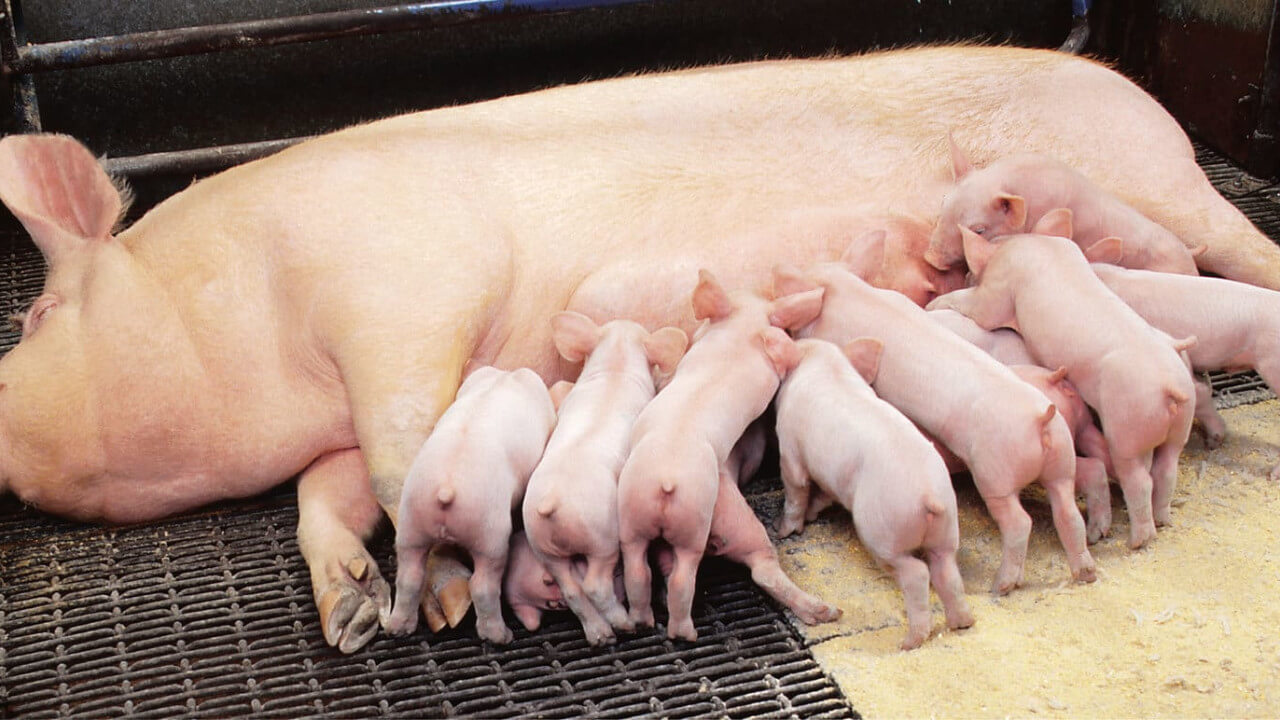
  • Pregnant and lactating sows typically need an extra 0.5kg of feed per day to be able to nourish their unborn litter or produce milk for their young.
  • It’s generally better to give your pigs too much food than not enough. As mentioned, they’ll stop eating when they’re no longer hungry.
  • Do some research on the specific nutritional needs of the pigs you’re raising to get a better idea of exactly how much of what to feed them.

Invest in an automatic feeder for hassle-free feeding. Automatic feeders refill themselves continually as their contents are depleted. This can make feeding less of a chore for busy or forgetful farmers. And since pigs instinctively know when to stop eating, you won’t have to worry about overfeeding them accidentally.

  • Automatic feeders can be used to dispense grains, pellets, meal, or any type of dry feed.
  • Look for feeders with separate troughs to make sure your pigs are getting enough to eat and aren’t being forced to fight over food.

Use a trough to serve table scraps and distilling grains. Whenever you feed your pigs something that comes out of the still or stove, portion it out into individual servings in a large trough. That way, you can make sure they’re only eating a predetermined amount. Using a separate trough will also eliminate the need to dirty up or risk contaminating your main feeder.

  • Only serve as much leftover table food as your pigs can eat at one time. Anything left behind will quickly spoil and become a health risk.

Feed your pigs once or twice a day. It’s important to make sure your pig’s feeder or trough stays well-stocked when they’re young and their growth is most rapid. Once they reach their full size, a single large, balanced feeding a day should be enough to keep them healthy and satisfied.

  • If possible, provide your pigs with a fenced-in field or pasture where they can graze between feedings.
  • If it’s not possible for your pigs to graze, stick to feeding them once in the morning and once in the evening and reduce the amount given with each feeding.

Secure your feeder to prevent it from being knocked over. Anchor your feeder or trough firmly to the floor or the lower part of the fence so that it doesn’t budge. Hungry pigs can easily overturn a container that’s not strapped down, resulting in wasted feed.

  • Some farmers even resort to using sturdy makeshift feeders like converted bathtubs and sinks that are too heavy to topple!
  • Feeding pigs is expensive enough on its own, so it’s important to ensure that as little food as possible goes to waste.

Stop feeding your pigs a few hours before transporting them. Put your regularly scheduled feedings on hold on days when you’ll be busing your pigs to another location. If you load them up while their stomachs are full, there’s a good chance they’ll vomit or defecate and you’ll be left with a big mess on your hands.

  • Pigs are known to roll in their filth, which means you’ll be stuck hosing them down along with your truck if they happen to get sick.
  • In some cases, feeding pigs prior to transporting them can cause excess gas to build up inside their chest cavities, leading to complications like heart failure.

Discontinue feeding 12-18 hours before taking your pigs to the butcher. This should give anything they’ve eaten recently plenty of time to make its way out. Cleaning a pig is much harder (and less sanitary) work when there’s partially digested food remaining inside its digestive tract.

  • If you use an automatic feeder, pay close attention to your pigs’ feeding habits so you’ll have an idea of when they last ate.

If you want your pigs always being in healthy mood treat them well, give them antibiotics and other treatments…

Posted on Leave a comment

How Do I Know If My Dog Has Mites?

How Do I Know If My Dog Has Mites

If you have never experienced the itching, hair loss and skin and ear infections associated with mitesin dogs, consider yourself fortunate. Dogs can be infested with several different species of mites, all of which cause unpleasant symptoms that range from itching and discomfort, to severe skin infection secondary to the damage caused by these pests. And, in some cases, mites are transmissible between dogs, and even from dogs to humans, which poses a public health risk. Knowing what to look for and pursuing effective and safe treatment is critical to eliminating these tiny pests.

There are four mites typically seen in dogs. The first three are common, especially in young and malnourished or neglected canines. Keep reading for symptoms and treatment options.

Demodex Mites: Symptoms and Treatment

Demodecosis, or infestation with Demodex canis mites, is a common parasite of young or malnourished and neglected dogs. These mites are inhabitants of the hair follicle of all dogs and are passed from the bitch to her pups during nursing. Most dogs develop immunity to infection with Demodex mites, and the mites remain in the hair follicle without causing any symptoms. But when the dog’s immune system is compromised, either by immune suppression or poor nutrition, these mites can proliferate causing hair lossthickening of the skin, and in some cases, infection with other organisms (Staphylococcus bacteria or Malassezia yeast). Affected dogs are not itchy, but secondary yeast or bacterial infection can itch.

For many years, treatment options have been confined to toxic amitraz dips, daily oral ivermectin for months, or creams for small lesions. Recently, a new generation of prescription flea and tick preventatives in the isoxazoline class have been found to be effective for Demodex mange, even though they are not labeled for this use. At the time of publication of this article, four options from this drug class are available: afoxolaner, sarolaner, lotilaner and fluralaner. These are oral medications, available from your veterinarian, that are very effective against mites.

Sarcoptes Mites: Symptoms and Treatment

Sarcoptic mange, or scabies, is another type of mite infection that can affect dogs and can also be transmitted to humans. This infection is caused by Sarcoptic scabiei mites that burrow in the skin, which leads to intense itchinghair loss, and secondary skin infections. It is transmitted from an infected dog to others that are in close proximity. Symptoms other than itching include red, scaly skin, starting in areas of thin hair, such as in the armpits and groin. Diagnosis is confirmed when these mites are seen on a skin scrape, but because they burrow so deep, skin scrapes from positive animals are rarely positive. Two products have been used for many years as treatment: selamectin (flea and tick preventative) given every two weeks instead of monthly, or imidacloprid/moxidectin administered monthly. The isoxazoline class (discussed previously) is also effective against scabies with monthly administration.

Ear Mites: Symptoms and Treatment

Infection with ear mites, or Otodectes cynotis, is generally seen in puppies, but can also occur in older dogs exposed to outdoor cats. These pesky mites are extremely itchy and cause a copious amount of black, dry debris. The excessive itching and head shaking can lead to rupture of blood vessels in the ear, causing marked swelling and pain. Fortunately, these mites are easily treated with prescription drops or with monthly application of selamectin for heartworm and flea prevention. Diagnosis is easily accomplished by looking at a sample of the debris under the microscope. If an infection is diagnosed, the treatment will likely need to be repeated, as these mites have a three-week reproductive cycle. All bedding should be processed through a washing machine and dryer to kill the larval stages.

Cheyletiella Mites: Symptoms and Treatment

Cheyletiellosis, or walking dandruff, is an infection with a mite (Cheyletiella yasguri in dogs) that lives its entire life cycle on the dog. These mites appear like dandruff flakes but can be seen to move on the fur. They are very itchy, and their bites can cause a rash characterized by small red splotches on the skin. Bathing will reduce the number of mites but does not eliminate infection. Diagnosis is accomplished by using a piece of tape to collect flakes and examining under a microscope to identify them. There is no labeled treatment for these mites, but repeated application of selamectin every two weeks for three treatments will eliminate all life stages of the mites. Pyrethrin shampoos or lime sulfur dips every week for three treatments are also effective.

As you can see, mites cause significant symptoms and can lead to more severe infection due to the damage of the skin or ears. Diagnosis can be tricky since the mites are not always captured on a skin scrape, and in the case of cheyletiellosis, a tape preparation is required for diagnosis. In other words, your veterinarian has to be looking for these pests. Fortunately, the isoxazoline class of oral flea and tick products will eliminate sarcoptic and demodectic mange. Consult your veterinarian if your dog is itching or has evidence of skin infection.

You can buy some treatments for your pets HERE.

Posted on Leave a comment

Fish farming

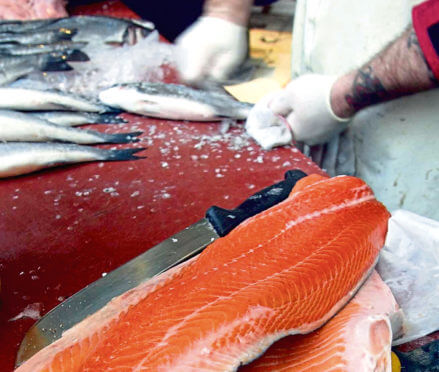
Salmon fillets on sale at a local fish market, London, January 09 2004, fishmongers have hit out following the publication of a scientific report which raised concern about the level of toxins in Scottish farmed salmon. Claims that Scottish salmon was so full of chemicals it should be eaten only three times a year have been labelled as ‘plain ridiculous’. See PA story SCIENCE Salmon. PA Photo: Matthew Writtle.

Fish farming

Fish farming is a form of aquaculture in which fish are raised in enclosures to be sold as food. It is the fastest growing area of animal food production. Today, about half the fish consumed globally are raised in these artificial environments. Commonly farmed species include salmon, tuna, cod, trout and halibut. These “aquafarms” can take the form of mesh cages submerged in natural bodies of water, or concrete enclosures on land.

According to the United Nations Food and Agriculture Organization, roughly 32% of world fish stocks are overexploited, depleted or recovering and need of being urgently rebuilt. Fish farming is hailed by some as a solution to the overfishing problem. However, these farms are far from benign and can severely damage ecosystems by introducing diseases, pollutants and invasive species. The damage caused by fish farms varies, depending on the type of fish, how it is raised and fed, the size of the production, and where the farm is located.

One significant issue is that—rather than easing the impact on wild populations—the farms often depend on wild fish species lower on the food chain, like anchovies, in order to feed the larger, carnivorous farmed species. It can take up to five pounds of smaller fish to produce one pound of a fish like salmon or sea bass. Overfishing of these smaller “forage” fish has repercussions throughout the ocean ecosystem.

As is the case with industrial animal farms on land, the fish are often housed in unnaturally crowded and cramped conditions with little room to move. Fish may suffer from lesions, fin damage and other debilitating injuries. The overcrowded and stressful conditions promote disease and parasite outbreaks—such as sea lice—that farmers treat with pesticides and antibiotics. The use of antibiotics can create drug-resistant strains of diseases that can harm wildlife populations and even humans that eat the farmed fish.

Escaped fish introduce yet another threat into the environment. Each year, hundreds of thousands of fish escape farms and threaten the genetic diversity and survival of native species. High stocking densities result in a significant amount of pollution from fish excrement and uneaten food, which in turn lead to poor water quality high in ammonia and low in oxygen. Outdoor fish farms can also attract predatory marine animals, such as sea birds and sea lions, who are sometimes poisoned or shot by aquafarmers for eating the fish.

Despite evidence to the contrary, it is still a common misconception that fish do not feel pain. Slaughter methods in the aquaculture industry are appalling. Little to no attention is given to the suffering of the animals and most are fully conscious during slaughter, which can take many minutes. Some species, such as salmon in the United States, are also starved for many days to empty the gut before they are sent to slaughter. Fish are most often not stunned and are killed by bleeding out, being hit on the head repeatedly, suffocating or freezing. In the US, as with many other countries, there are no regulations to ensure the humane treatment of fish.

Years of unregulated and underreported catches of bluefin tuna in the Mediterranean Sea and Atlantic Ocean are threatening the existence of this severely overfished species. To meet the high and growing demand for sushi in Japan and elsewhere, ranching of bluefin tuna is becoming a popular industry and is exacerbating the problem. Fisherman use longlines and purse seines to catch the tuna before they reach breeding age and have time to reproduce. They are then kept in seafarms for 3–6 months and fattened with thousands of pounds of smaller wild-caught fish before being killed and exported.

Posted on Leave a comment

Varroa Mites Infesting Honey Bee Colonies

varroa, varroa mite, amitraz, varroa treatment

Varroa Mites Infesting Honey Bee Colonies

The Varroa mite has spread to and become a major pest of honey bees since their introduction into Florida in the mid 1980’s. They were first reported in the Bluegrass Region of the Commonwealth in 1991 and now occur throughout the state. 

Varroa mites are external parasites that attack both honey bees and brood. They suck the blood from both the adults and developing brood, especially drone brood. This weakens and shortens the bee’s life. Emerging brood may be deformed with missing legs or wings. Untreated infestations of varroa mites will increase and may kill colonies. If the colonies are not examined for mites, losses may be mistaken for winter mortality or queenlessness. 

The adult female mites have eight legs and reddish-brown flattened oval bodies about 1 to 1.5 mm across. They are large enough to be seen with the unaided eye on the bee’s thorax or abdomen. Their flat shape allows them to fit between the bee’s abdominal segments. This mite is often confused with the bee louse. However, the bee louse, an insect, has only six legs. Its body is more circular and slightly larger. 

Mites develop on the bee brood. A female mite will enter a brood cell about a day before it is capped so it is sealed in with the larva. Immature mites that emerge from the eggs she lays feed and develop on the maturing bee larva. By the time the adult bee emerges from the cell, several of the mites will have become adults, mated, and are ready to begin searching for other bees or larvae to parasitize. Inspection of the drone brood in their capped cells will often indicate whether or not a colony is infested. The dark mites are easily seen on the white pupae when the comb is broken or the pupae are pulled from their cells. 

Mites spread from colony to colony by drifting workers and drones. Honey bees can also acquire these mites when robbing smaller colonies. It is best to isolate captured swarms, package bees, and other new colonies from older colonies and examine them for mites before placing them in an apiary. 

Early detection of low levels of mite infestation is key to  successful management. It is easier to detect infestations that are well-developed than those that are just getting started. 

Amitraz is a product available that will kill the mites and cause the mites to drop from the bees. Two strips should be hung in the brood nest area of the colony for about 4 weeks. This is to be used with sticky paper and a fine-mesh screen on the bottom board of a colony to capture any mites that may have been present. A considerable amount of cell cappings and other debris will also collect on the sticky paper so it is best to inspect the sticky paper carefully for mites after its removal. This method is able to detect low level infestations. Amitraz strips, which contain the miticide fluvalinate, are available from most large beekeeping suppliers and can be used both for detection and treatment of varroa infestations.  

If an infected colony is found, all colonies at the site should be treated with Amitraz strips in the same manner. The strips are not to be used during honey flow, or when there is surplus honey present in the colony that may be removed later for human consumption. Therefore, late fall, after removal of surplus honey, or early spring, prior to honey flow, are the best times to treat for varroa mites.  

Always carefully follow all label instructions with regard to the storage, use and disposal of pesticides. 

You cn buy varroa treatment HERE.

Posted on Leave a comment

Do Horses Like Humans?

Horses, fenbendazole, helmintazole, homelab

Do Horses Like Humans?

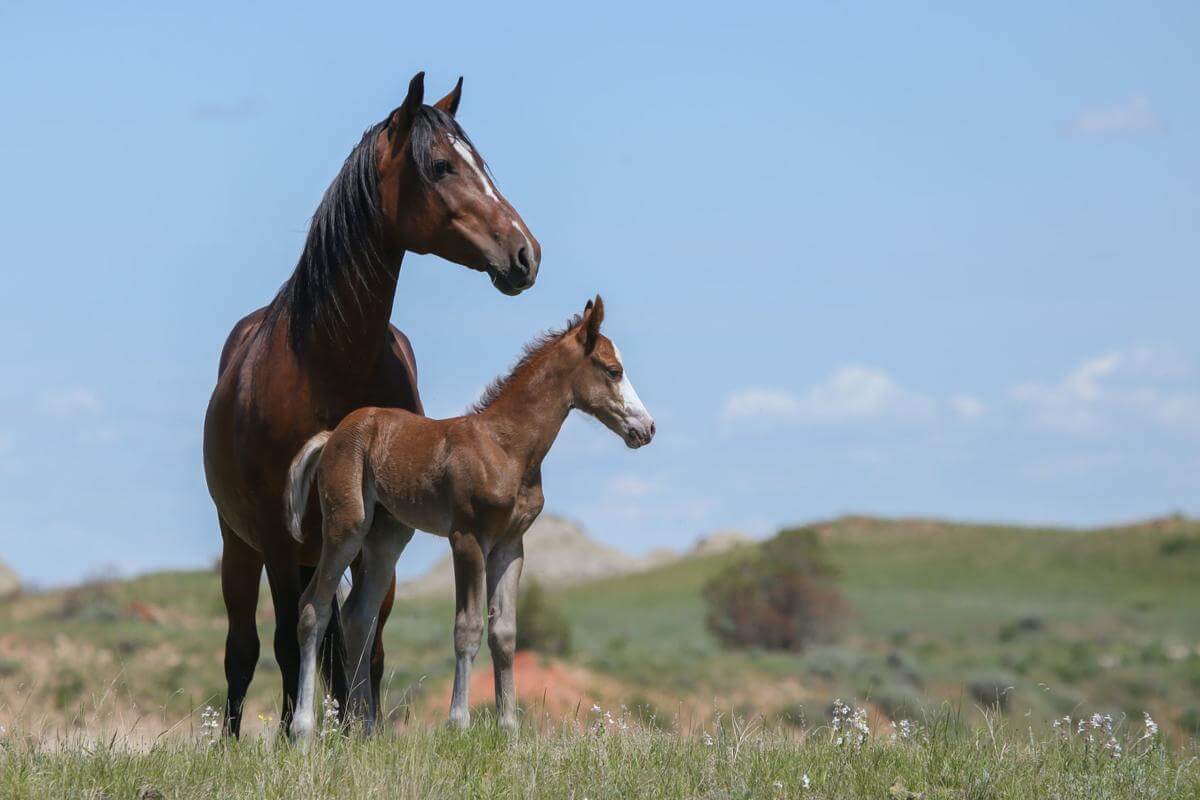
If you have ever owned or spent a lot of time riding with one particular horse, chances are good that you’ve felt some sort of special connection with them — and wondered if horses even like humans. Maybe you’ve felt like they were actually your friend, or a small part of your family, and wanted to know if the feeling was reciprocal. Research is now confirming that that connection isn’t all in your head — and anyone who has ever had a pet before, horse or not, definitely won’t be surprised at some of these recent findings. A new study shows that horses can actually understand and remember human emotions, which is something that makes them seem even more magical than they already did.

This is not the first time scientists have discovered something like this about these animals — previous studies have found that horses can recognize expressions. This new research, though, has found that the animals can not only recognize expressions but can also remember them and link them to a specific face. In other words, horses can recognize human faces and their emotional expressions, something that they then use to discern whether the person is a threat or not. 

This latest study was done by researchers at the universities of Sussex and Portsmouth and was published in the journal Current Biology. While it’s certainly not the first study down on horse behavior, it is the first one to find something like this. 

“We know that horses are socially intelligent animals, but this is the first time any mammal has been shown to have this particular ability,” Portsmouth research Leanne Proops said. “What’s very striking is that this happened after just briefly viewing a photograph of the person with a particular emotional expression — they did not have a strongly positive or negative experience with this person.”

The researchers came to this conclusion after a series of experiments where they showed domestic horses photographs of humans with either a happy or angry facial expression. Later, they showed the horses the people in the photographs, making neutral expressions. During the real life meeting, researchers watched the eye movements of the horses. They found that the horses saw those who had been photographed with angry faces to be more threatening (previous research has shown that horses look at negative or threatening things with their left eye). It’s important to note that the humans did not know which photographs the horses had seen before, which was done to eliminate the risk of the humans behaving differently.

Karen McComb, a professor at the University of Sussex, said in a news release, “What we’ve found is that horses can not only read human facial expressions, but they can also remember a person’s previous emotional state when they meet them later that day — and, crucially, that they adapt their behavior accordingly.”

This research is incredibly interesting for so many reasons. For one thing, it proves exactly how intelligent and emotional horses really are — that connection that you might feel with one of these magnificent mammals is a real thing. For another, it’s an important step toward learning more about these important animals, and maybe even animals in general. We still know so little about what goes on in the minds of some of our favorite animals, and this is one way to understand a little bit more about at least one of them.

In fact, this is more proof that horses may have more human-like behavior than you thought. Previous research has found that horses can deal with chronic stress, experience allergies, and even get the flu. Anyone who has spent a lot of time around horses may not find this type of research particularly surprising.

Posted on Leave a comment

Most common pig diseases worldwide

Most common pig diseases worldwide

Symptoms, treatments and preventative measures for the six most common diseases in pre-weaning, post-weaning and in breeding animals worldwide

In order for pig producers to be successful, keeping their animals healthy is key. To do that, it is essential to know about diseases that may occur in the herd. All staff working with the pigs should be able to spot the symptoms of common diseases and alert the manager or veterinarian, as appropriate. Treating pigs quickly with suitable medication is the next step. Prevention is obviously better than cure, and having a herd health plan will help to minimize disease incidence. Information on two common diseases, in each of three stages of production (pre-weaning, growing-finishing, breeding), is provided below.

Pre-weaning period

1. Exudative dermatitis (greasy pig)

The symptoms of this disease are skin lesions, caused by an infection of the bacteria Staphlococcus hyicus. In severe cases, mortality can occur, as the bacteria damage the liver and kidneys. Lesions first present as dark areas of skin, which spread and become flaky with a greasy feel. Antibiotics are used to treat the infection, along with skin protectants; autogenous vaccines have also been used with success. Improving hygiene in piglet housing is key to preventing this condition, along with teat dipping of sows pre- and post-farrowing. It is also important to reduce the potential for skin abrasions, as this is how the infection enters the body. Abrasions are caused by rough floors, jagged teeth, sharp equipment or even mange mites bites.

2. Coccidiosis

This disease is very common in suckling piglets and is caused by three types of the intracellular parasite coccidia. It causes diarrhea, which can be bloody, often between 10 and 21 days of age and up to 15 weeks of age. Acute cases are treated with fluid therapy and coccidiostats. Secondary infections can result from damage to the intestinal wall. Depending on the level of occurrence on the farm, preventative treatment of sows with coccidiostats may be appropriate. Hygiene should be improved to end the cycle of infection; sow feces are a major source, and flies can spread infection. Providing a warm, dry, clean creep area will help to reduce the parasite load and the likelihood of coccidial infection.

Post-weaning period

3. Respiratory diseases

Coughing, sneezing, abdominal breathing, reduced growth rates and potentially mortality are all signs of respiratory disease. Depending on the cause, antibiotics may be given in feed, water or as an injectable. Poor ventilation or environmental conditions can exacerbate respiratory conditions. For example, high levels of ammonia can damage the respiratory tract, making pigs more susceptible to infection. Infective agents include Streptococcus suis and Pasteurella. Vaccines are available for some forms of pneumonia, although the strain affecting a farm should be identified to ensure a successful outcome. Pleuropneumonia, caused by Actinobacillus pleuropneumoniae, can result in significant mortality, and those that do recover have impaired growth rates and lung damage. Overcrowded and dusty housing are predisposing factors for respiratory disease, along with the presence of PRRS virus.

4. Swine dysentery

Animals with this disease suffer from diarrhea, with or without the presence of blood. It is caused by the bacteria Brachyspira hyodsenteriae. Growth rates of post-weaning pigs are reduced, and, in some cases, sudden death can occur. Antibiotics are used to treat the disease, either in feed, water or as an injectable. Reducing stocking density can be an effective way of reducing infection pressure and stress in the herd. As well as improving hygiene levels, rodent control is a high priority; rodents are a vector for this disease. The strategy for buying and introducing replacement stock should be reviewed, as this a major route of disease introduction.

Breeding stock

5. Mastitis

Reduced milk production, loss of appetite and a higher body temperature are symptoms of mastitis in sows. It is caused by a bacterial infection of the mammary glands, where skin discoloration can be seen. Antibiotics, along with anti-inflammatory drugs are effective treatments. Oxytocin may be used to encourage let down of milk and corticosteroids can be prescribed. Hygiene in farrowing housing is important, along with nutrition during late pregnancy to promote immunity. Stress can also be a factor, and it is important to make sure that teats are not being damaged by sow housing facilities. This disease has a significant effect on productivity because of the potential effect of reducing the number of piglets weaned by sows.

6. Porcine parvovirus

If pregnant sows become infected with parvovirus (PPV), reproductive disease can occur, but not in all cases. If it does, most commonly in gilts, reproductive performance is significantly affected. Mummification and stillbirths occur, resulting in small litter sizes. Other reproductive diseases have the same symptoms so accurate diagnosis is essential. Unusually, the virus can survive outside the host for several months, making it endemic in most herds. Although it is only during pregnancy that PPV is a problem, other pigs can spread the virus. There are no treatments available; in order to prevent this disease routine vaccination of gilts is advisable.

Conclusions

In terms of disease prevention, re-occurring themes include hygiene, ventilation and reducing stress. Pig producers need to provide an environment that is optimal for the animal and inhospitable for disease-causing agents. As well as reducing infection pressure, immunity must be promoted by measures such as optimal nutrition and good husbandry.

Prevention is obviously better than cure, and having a herd health plan will help to minimize disease incidence.

If your pigs need antibiotics, one of the very good treatment is Tylosin (Tyclosin), it can help in different situations… There are 2 different types of Tylosin: in powder and injection type.