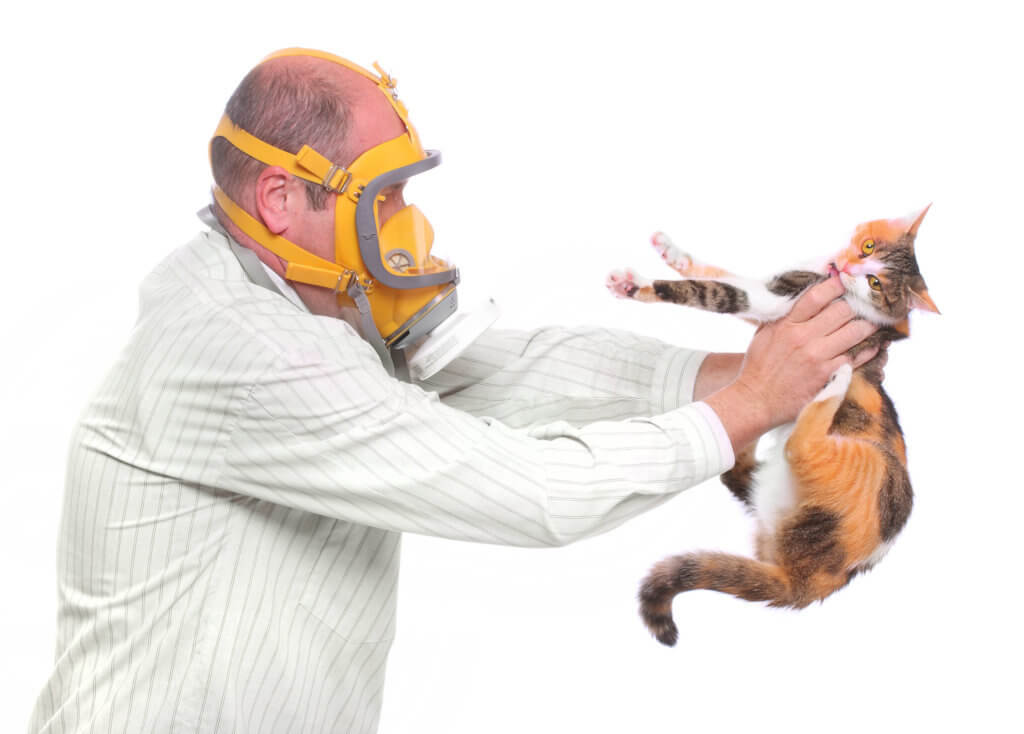
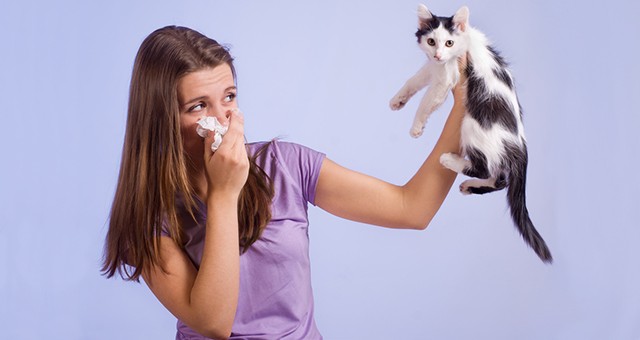
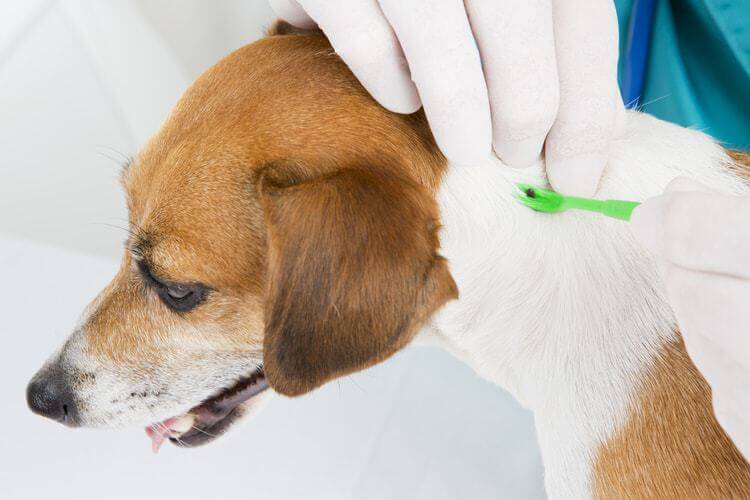
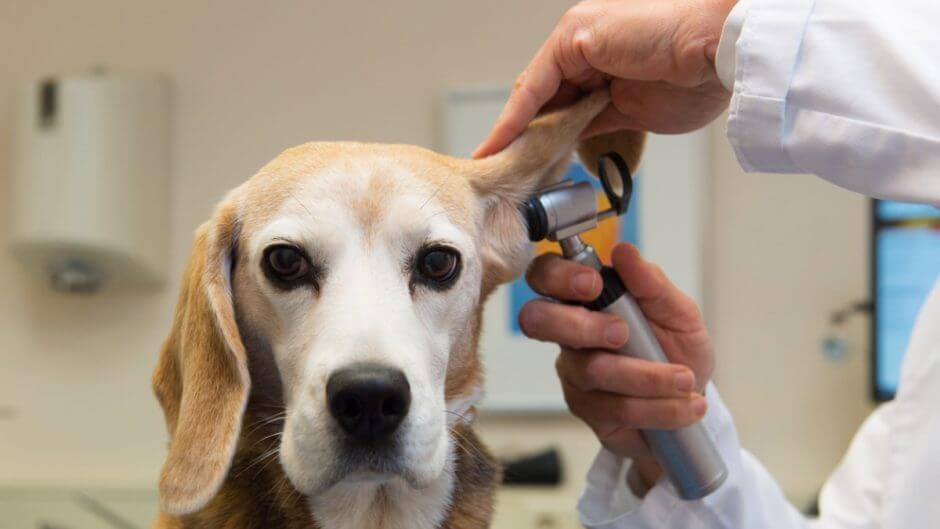
Owning a cat is truly wonderful. Sure, they can be a little moody and tend to do whatever they want, but they are also super cuddly, sweet, and adorable companions that will always make you smile. Unless, of course, you’re allergic to them. In that case, you’ll still be smiling, you’ll just also be sniffling a whole lot. The thing is, though, many people don’t even realize they’re allergic to their cats, which is not ideal: you need to know the signs of a cat allergy for the sake of your own health.
Pet allergies are very common: in fact, a third of Americans are allergic to cats and dogs. And, again, many people don’t even realize they’re suffering from this. When you think of someone who is allergic to cats, you might assume that they start sneezing the moment a cat goes near them. Maybe you think of someone who breaks out in hives right after petting a cute kitten. These are symptoms of pet allergies, but they certainly aren’t the only ones.
It’s easy to overlook some of the symptoms that could easily be explained by something else, especially if you don’t want to admit you’re allergic to your cat. But having an allergy to pets doesn’t mean you can’t own one. There are tons of ways to make the experience better, from over-the-country allergy medications to weekly shots from a doctor.
It’s also important to note that you can develop cat allergies at any time, even if you’ve never been allergic to anything else before. I developed my cat and dog allergies after college, and for a long time I thought I was just sick all the time because I never even thought I might be allergic to my pets. I had never been allergic to anything before!
So, even if you think it’s unlikely that you’re allergic or developing allergies to cats, you should know the signs and symptoms. If you do start feeling these things, it’s worth a trip to the doctor!
Allergic To Cats:
1. You Feel Exhausted All The Time
When you think of allergies, you probably think of sneezing, wheezing, and rashes. Those are very common symptoms, but they aren’t the only ones! Cat allergies can also cause fatigue, leaving you feeling exhausted all the time. This is an easy symptom to overlook, as fatigue can have a tremendous amount of causes, but if it’s combined with some of the below symptoms, it could be a sign of allergies.
2. It Feels Like You Have A Constant Sore Throat
Pet allergies will generally make you feel like you’re living with a cold that won’t go away, and can result in sneezing and coughing. Cat allergies can also lead to a post-nasal drip, which can make you feel like you have a constant sore throat. You might also notice that it comes and goes. It could be worse in the morning and at night, or only really bad whenever you’re home. If you always feel like you have a cold, but no fever or any other symptoms, see an allergist.
3. Your Face Feels Swollen And Slightly Painful
Another sign of allergies that you might overlook is your face feeling kind of swollen, puffy, and sightly painful. This can happen when you’re very congested. Sometimes that congestion doesn’t come out as a sniffly nose; instead it just causes head congestion that leaves you feeling swollen, foggy, and kind of odd.
4. Your Eyes Are Red And Itchy
Watery eyes are a common symptom of allergies, especially pet allergies. You should also be on the lookout for red, dry, itchy eyes, which is another common symptom. A lot of people think this is just a result of general allergies from being outside and being exposed to pollen, but that itchy feeling in your eyes can also happen after you’re around your cat, especially if you pet them or hold them and then touch your eyes.
5. You Experience Shortness Of Breath
Another annoying symptom of cat allergies is feeling like you just can’t catch your breath. The Asthma and Allergy Foundation of America (AAFA) says, “Many airborne particles are small enough to get into the lungs. For some, this exposure can cause severe breathing problems. Highly sensitive people can begin coughing, wheezing and have shortness of breath within 15 to 30 minutes of inhaling allergens.”
6. You Have An Asthma Attack
Most of the time, pet allergies are just annoying. Sometimes, though, they can get a little more serious. The AAFA says that being around a cat can trigger a severe asthma attack in up to three in 10 people with asthma. So, if you have asthma, and you have an asthma attack, it could be because of the cats.
Also important: cat allergies, when left untreated, can actually lead to chronic asthma. That’s why you need to go to a doctor!
7. You Notice Redness On Your Skin
Cat allergies can definitely cause an obvious rash, and even hives that leave your skin super itchy and inflamed. But you should also look out for general redness on the skin, especially on areas of your skin that have had contact with your cat.
This is a question you should consider seriously before you adopt any animal. Getting a pet is not a light decision to make, so you’ll need to be very realistic about how much time you can commit.
When choosing a pet, it’s smart to consider how long it will likely live. Look at the list below to see the average lifespans of common pets.
How Long Do Pets Live?
Type of Pet
Average Life Expectancy (In Captivity)
Additional Info
Small Dog (under 20 lbs)
13 years
Chihuahuas often live 12-20 years.
Medium Dog (20-89 lbs)
11 years
An Australian cattle dog holds the record of oldest dog at 29 years.
Large Dog (over 90 lbs)
8 years
Spayed or neutered dogs live longer.
Indoor-Only Cat
12-18 years
The oldest recorded cat lived to be 28 years old!
Cat Who Lives Outside All the Time
2-5 years
Outdoor cats are more exposed to illness and accident.
Goldfish
5-10 years
The oldest captive goldfish lived 43 years!
Betta Fish
2 years
The world’s oldest specimen is 10 years old.
Neon Tetra
5 years
A ten-year-old tetra is not uncommon. In general, larger types of fish have longer life expectancies than smaller types.
Koi
25-35 years
The oldest koi on record lived 226 years!
Budgie/Parakeet
5-8 years
Budgies are prone to tumors. The oldest lived 29 years.
Cockatiel
16-25 years
The oldest recorded cockatiel lived 36 years.
Large Parrot
Macaws: 50 years Cockatoos: 65 years
One cockatoo lived 82 years. Charlie, a blue macaw born in 1899, is still alive!
Hamster
2-3 years
The oldest hamster on record lived 4.5 years.
Guinea Pig
4-8 years
14 years is the longest recorded lifespan.
Rabbit or Bunny
7-10 years
Oldest rabbit lived 14 years. Larger breeds tend to have shorter lifespans than smaller ones, and those that live outside die sooner.
Rat
2 years
Wild and store-bought “feeder” rats tend to die sooner than “fancy” types. Oldest lived 7 years.
Mouse
1-2 years
Mice are social and live longer with other mice. The oldest specimen lived almost 5 years!
Ferret
5-9 years
Oldest ferrets live from 14 to 15 years. If you wait until the ferret is mature to spay/neuter, the animal may live longer.
Snake
9 years average. Largest types can live up to 40 years.
Some snakes fare better in the wild than in captivity. One ball python lived 48 years.
Lizard
Smallest live 3-5 years; Largest live up to 20.
Many lizards live longer in the wild. Oldest bearded dragon lived 14 years; the oldest tuarara lived over 100 years.
Gecko
6-10 years
Males tend to outlive females. The oldest captive leopard gecko lived to 27. Geckos may live longer in the wild.
Turtle/Tortoise
40-50 years
Many captive turtles don’t get the care they need to live full lives. Oldest tortoise on record lived 225 years.
Chicken
8-10 years
Chickens thrive in groups, but pecking order may influence lifespan. Oldest recorded lived to 15.
Horse or Pony
25-33 years
Ponies tend to live longer than horses. The oldest horse ever recorded was 52 years old.
Choosing a Pet for Life
There are several factors to consider when choosing a type of pet.
Kids. If you have children, lifespan is an important consideration. It might be difficult for them to get attached to a pet only to lose it after a short time. On the other hand, maybe you want to choose a pet that only lasts until the kids go off to college!
Attention span. If you are the faithful, tenacious, dogged type, making a 30 year commitment won’t be hard. But if you know that you tend to get distracted or lose interest quickly, you should avoid adopting a long-lived pet.
Lifestyle. Pets need consistency. If you travel often or can’t be pinned down to a steady schedule, then many of these pets are not for you.
Housing considerations. Most animals’ lives depend on specific environmental requirements (a yard, a pen, an open window…). You might not be able to ensure consistency if you rent or move often.
Financial considerations. When you take a pet on, you commit to taking care of them financially for life. The longer a pet lives, the larger financial burden it will be.
The last years can be the hardest. Old age brings complications and visits to the vet, so you should expect your pet’s last years to be the most challenging.
If you have never experienced the itching, hair loss and skin and ear infections associated with mitesin dogs, consider yourself fortunate. Dogs can be infested with several different species of mites, all of which cause unpleasant symptoms that range from itching and discomfort, to severe skin infection secondary to the damage caused by these pests. And, in some cases, mites are transmissible between dogs, and even from dogs to humans, which poses a public health risk. Knowing what to look for and pursuing effective and safe treatment is critical to eliminating these tiny pests.
There are four mites typically seen in dogs. The first three are common, especially in young and malnourished or neglected canines. Keep reading for symptoms and treatment options.
Demodex Mites: Symptoms and Treatment
Demodecosis, or infestation with Demodex canis mites, is a common parasite of young or malnourished and neglected dogs. These mites are inhabitants of the hair follicle of all dogs and are passed from the bitch to her pups during nursing. Most dogs develop immunity to infection with Demodex mites, and the mites remain in the hair follicle without causing any symptoms. But when the dog’s immune system is compromised, either by immune suppression or poor nutrition, these mites can proliferate causing hair loss, thickening of the skin, and in some cases, infection with other organisms (Staphylococcus bacteria or Malassezia yeast). Affected dogs are not itchy, but secondary yeast or bacterial infection can itch.
For many years, treatment options have been confined to toxic amitraz dips, daily oral ivermectin for months, or creams for small lesions. Recently, a new generation of prescriptionflea and tick preventatives in the isoxazoline class have been found to be effective for Demodex mange, even though they are not labeled for this use. At the time of publication of this article, four options from this drug class are available: afoxolaner, sarolaner, lotilaner and fluralaner. These are oral medications, available from your veterinarian, that are very effective against mites.
Sarcoptes Mites: Symptoms and Treatment
Sarcoptic mange, or scabies, is another type of mite infection that can affect dogs and can also be transmitted to humans. This infection is caused by Sarcoptic scabiei mites that burrow in the skin, which leads to intense itching, hair loss, and secondary skin infections. It is transmitted from an infected dog to others that are in close proximity. Symptoms other than itching include red, scaly skin, starting in areas of thin hair, such as in the armpits and groin. Diagnosis is confirmed when these mites are seen on a skin scrape, but because they burrow so deep, skin scrapes from positive animals are rarely positive. Two products have been used for many years as treatment: selamectin (flea and tick preventative) given every two weeks instead of monthly, or imidacloprid/moxidectin administered monthly. The isoxazoline class (discussed previously) is also effective against scabies with monthly administration.
Ear Mites: Symptoms and Treatment
Infection with ear mites, or Otodectes cynotis, is generally seen in puppies, but can also occur in older dogs exposed to outdoor cats. These pesky mites are extremely itchy and cause a copious amount of black, dry debris. The excessive itching and head shaking can lead to rupture of blood vessels in the ear, causing marked swelling and pain. Fortunately, these mites are easily treated with prescription drops or with monthly application of selamectin for heartworm and flea prevention. Diagnosis is easily accomplished by looking at a sample of the debris under the microscope. If an infection is diagnosed, the treatment will likely need to be repeated, as these mites have a three-week reproductive cycle. All bedding should be processed through a washing machine and dryer to kill the larval stages.
Cheyletiella Mites: Symptoms and Treatment
Cheyletiellosis, or walking dandruff, is an infection with a mite (Cheyletiella yasguri in dogs) that lives its entire life cycle on the dog. These mites appear like dandruff flakes but can be seen to move on the fur. They are very itchy, and their bites can cause a rash characterized by small red splotches on the skin. Bathing will reduce the number of mites but does not eliminate infection. Diagnosis is accomplished by using a piece of tape to collect flakes and examining under a microscope to identify them. There is no labeled treatment for these mites, but repeated application of selamectin every two weeks for three treatments will eliminate all life stages of the mites. Pyrethrin shampoos or lime sulfur dips every week for three treatments are also effective.
As you can see, mites cause significant symptoms and can lead to more severe infection due to the damage of the skin or ears. Diagnosis can be tricky since the mites are not always captured on a skin scrape, and in the case of cheyletiellosis, a tape preparation is required for diagnosis. In other words, your veterinarian has to be looking for these pests. Fortunately, the isoxazoline class of oral flea and tick products will eliminate sarcoptic and demodectic mange. Consult your veterinarian if your dog is itching or has evidence of skin infection.
There are plenty of people foods we’d love to share with our dogs, but some are much healthier than others. In fact, some foods are even toxic to our dogs. But fear not, there are certain human snacks that can actually benefit our four-legged friends. To see what they are, check out this list of the healthiest human food dogs can eat:
(As always, practice moderation and check with your vet before making any dietary changes.)
Peanut Butter. Peanut Butter is one of the best treats to give to dogs because it lasts them so long! Plus, its packed full of protein, healthy fats, niacin, vitamin B and vitamin E. Unsalted peanut butter is the best, as too much salt is just as bad for dogs as it is for people. Make sure you check your peanut butter to make sure it DOES NOT contain sugar substitutes like Xylitol, which can be deadly for dogs.
Chicken. Chicken can be fed to our dogs a variety of ways. Cooked chicken meat is a perfectly suitable snack or meal additive, but cooked bones should never be fed to dogs. On the other hand, both raw chicken and raw chicken bones are healthy for our dogs to eat. Cooked bones splinter and can be dangerous, while raw bones are soft and chewy.
Cheese. (Note: some dogs are lactose intolerant, and any dairy products should be given in small amounts.) If your dog is not lactose intolerant, cheese is an excellent treat choice. Cottage cheese is fed often by many dog owners because it’s high in protein, calcium and is bland and easy to digest.
Carrots. Carrots are high in fiber and vitamin A while being low in calories, so they make a great snack for your pooch. Chewing raw carrots is also beneficial for your dog’s teeth. If you’ve got an overweight dog, carrots are a great choice for treats because of their low calorie content.
Yogurt. Yogurt is full of protein, calcium and digestive cultures and is an excellent way to improve your pup’s digestive health. Make sure the yogurt you choose includes live active cultures and is non-fat with no sweetener or flavor.
Pumpkin. Canned pumpkin or fresh, cooked pumpkin with no added sugars and spices is a great choice for dogs with a sensitive stomach. It’s also an excellent source of vitamin A and fiber.
Eggs. Eggs can be fed raw or cooked and both have great health benefits. Raw eggs should also be fed with a shell, giving the full amount of biotin, protein, riboflavin and selenium. Cooked eggs should be prepared plain with no salt, pepper or any other seasoning.
Green beans. Green beans are highly recommended by veterinarians for owners looking to help their dogs lose weight. They are very high in fiber but low in calories, making them a healthy treat alternative that’s filling but won’t add any weight.
Salmon. Salmon is very high in health omega-3 fatty acids and is typically the fish used to make fish oils for our pets. Whether you want to give your pooch unseasoned cooked salmon or some capsules, you’ll be providing healthy vitamins for them. Do not give your dog uncooked salmon for any reason.
Sweet potatoes. Sweet potatoes work similarly to pumpkin as they are high in vitamin A, fiber and other nutrients. They are easily digestible when steamed or baked, served unseasoned.
Apples. Sliced apples are a healthy and tasty treat for dogs that are full of phytonutrients, vitamin A and vitamin C. They can be given with the skin on, but avoid feeding the seeds as they naturally contain cyanide.
Oatmeal. Oatmeal is found in many dog foods and for those not sensitive to grains, it can be a healthy additive to your dog’s meal. Not only is it packed with vitamins and minerals, it’s an excellent source of dietary fiber.
You love your pet, so you want to feed him the best-quality food that you can find. But pet food nutrition labels aren’t the same as those for human food. It can be hard to tell if one product is better than another by simply reading the name on the label.
Keep your eyes open for a few signs that you’re buying the best food for your dog or cat.
Ingredients Aren’t Enough
When you shop for yourself, you might read the list of ingredients to see what’s in the food that you’re thinking about buying. So it makes sense if you look at ingredients on pet food packages as well.
“That’s where the pet parents’ eyes are drawn,” says Julie A. Churchill, DVM, PhD, associate professor of nutrition at the University of Minnesota College of Veterinary Medicine.
An ingredients label lists food by weight, with the heaviest item listed first and the lightest item last. Heavier foods that sound good (berries or carrots) may be higher up on the list than other foods that weigh less (dried meat), but that may not tell the whole story.
“Things that are water-rich — fruits and vegetables — that will push them to the top of the list,” Churchill says. “Meat and chicken are 70% water, so they’re heavier [and listed higher on the label]. Owners may mistakenly say: ‘It’s got more meat in it,’ but it may have less chicken in it than those foods that add chicken meal, which is a cooked, dry product.”
Read the Fine Print
Most companies that sell dog and cat food include a statement on the package based on the Association of American Feed Control Officials (AAFCO) Model Pet Food Regulations. It should say whether a food is designed for puppies or kittens, pregnant pets, or adults. It may have other details as well.
It’s not the most prominent part of the label,” Churchill says. “It’s usually in small print.”
Many AAFCO statements say that the food is “complete,” which means that it contains all of the nutrients that pets require. It may also say that the food is “balanced,” which means that those nutrients are there in the proper ratios for dogs or cats at that stage of life.
Research Is Key
The best thing that an AAFCO statement can say, experts say, is that the product was used in a feeding test using AAFCO guidelines.
“They fed their product to dogs or cats in different life stages, so it’s not just a formula on paper being sold,” says veterinary nutritionist Martha G. Cline, DVM, vice president of the American Academy of Veterinary Nutrition.
Products that have been tested are more likely to have the health benefits they promise than those that haven’t been tested.
“Some companies have very nice science behind them,” says Nolie Parnell, DVM, clinical associate professor at Purdue University College of Veterinary Medicine. “They spend time and resources, maximizing health in our pets. Other companies don’t even have a budget for research and aren’t putting that investigating time in.”
If you’re unsure about what’s best for your dog or cat, ask your vet for help.
“They should have the basic knowledge to make basic recommendations,” Parnell says. “They should have the skill set to see if the food company is reputable.”
Your vet may suggest certain food for your dog’s breed.
“There’s not one perfect dog food for every dog,” Cline says. “Every dog and cat is going to be a little bit different. There’s not one perfect diet out there that’s going to be the right diet for every single animal.”
Even if you’re happy with your pet’s food, ask your vet every now and then if your choice is still good.
“There isn’t one food that is ideal for your whole life,” Churchill says. “As your needs change, your veterinary team will make recommendations.”
Your veterinarian has several options for treating pets with cancer. There are 3 common treatment options for animal cancers: surgery, chemotherapy, and radiation therapy (also called radiotherapy). Each of these options can be used alone or in combination with other treatments. The specific treatment program your veterinarian will recommend will depend on the specifics of your pet’s condition. In selecting the treatment, your veterinarian will consider the type of cancer, how quickly it grows and spreads (the stage or grade of the cancer), and the location of the cancer.
The goal of any cancer treatment program is to completely and permanently eradicate the cancer. Sadly, a complete cure is often not possible. For pets whose cancer cannot be cured, the veterinary team can provide treatment to minimize the animal’s pain and discomfort and enhance its quality of life.
Oncology is the medical specialty that deals with all aspects of cancer in both humans and animals. Veterinary oncologists are veterinarians who study cancer in animals, including prevention, development, diagnosis, and treatment. A veterinary oncologist may be a part of the medical team treating your pet or the treatment may be conducted by your regular veterinarian and veterinary clinic staff.
Surgery
Surgery is considered the cornerstone for treating most cancers in animals. It is one of the oldest forms of cancer treatment and frequently the most effective one. Today, surgery may be combined with radiation therapy and/or chemotherapy, depending on the characteristics of the case.
When cancer surgery is performed, the main goal is usually to remove all the cancerous cells in the animal’s body. Sometimes, if the cancer is detected early (before it grows too large or spreads to other parts of the body), surgery can completely cure the animal. Other goals of cancer surgery can include removing an unsightly tumor to improve the animal’s appearance or comfort or removal of a tumor that is interfering with the animal’s normal body functions. These goals can improve the quality of life for the animal.
Surgery is most successful when the cancer involves a tumor that has not spread beyond its original location. Unfortunately, however, not all tumors can be surgically removed. Some are in inaccessible sites. And, there are times when the costs to the animal might outweigh the benefits. For example, removing a large tumor might require removing a vital organ or may cause a pet to lose a vital body function. If the cancer is in more than one location or has spread (metastasized), then surgery is not as likely to be an effective treatment.
A biopsy is a surgical procedure in which a piece of a tumor is removed for study and analysis by a pathologist. The pathologist’s report will provide important information such as the type of cancer and its characteristics. Combined with information about the size and location of the cancer, your veterinarian can develop the best treatment program for your pet.
Even if surgery cannot be used to completely remove a tumor, it can be used to remove part of a tumor, a process known as debulking. There are several possible benefits to debulking. First, partially removing a tumor can reduce the signs of cancer and make the animal more comfortable through improved mobility or reduced pain. Debulking can also be used to improve the effectiveness of radiation therapy or chemotherapy. These cancer treatments have the greatest chance for success when fewer cancer cells are present.
Surgery may also be prescribed by your veterinarian to manage or reduce the side effects of other treatments. During radiation therapy, for example, normal, healthy tissue may be damaged. Removal of the damaged tissue will encourage more rapid healing. In other cases, the surgical placement of a feeding tube may be necessary when either the cancer or its treatment makes normal eating physically impossible or very painful.
Pain management is an important part of surgical treatment . After the surgery, medication is usually provided to reduce pain and make the animal more comfortable.
Radiation Therapy
One of the most common treatments for cancer in both humans and animals is radiation therapy. This treatment is sometimes also called x-ray therapy, radioisotope irradiation, or cobalt therapy.
Cancer cells divide more frequently than normal cells. Cancer cells also have a weakness; they do not recover from radiation damage as quickly or completely as normal cells. Radiation works as a treatment for cancer because it kills cells that divide rapidly or, in other cases, because it damages the cancer cells so severely that they cannot divide and grow. Radiation therapists work to deliver just enough radiation to the cancer cells to destroy or injure them and prevent them from reproducing.
Radiation therapy is often used in addition to treatment with surgery or chemotherapy or both. The therapy or combination of therapies prescribed for a particular animal will be selected by your veterinarian based on which options offer the best chance of controlling or eradicating your pet’s cancer. For brain tumors, nasal tumors, and other tumors in the head and neck, radiation therapy may be the treatment of choice. For cancers of the spine or pelvis, it may be the only practical treatment option.
Great strides have been made in recent years in radiation therapy. There has been a dramatic improvement in the sophistication of radiation therapy equipment and methods and a parallel rise in its success in eradicating cancer. Pet owners have also increased their requests for this treatment for their pets. However, radiation therapy is not a cure-all for cancer. Not all cancers are easily killed by radiation. Some cancers are highly resistant to radiation therapy and cancers of these types cannot be treated effectively with radiation. Thus, whether or not radiation therapy will be prescribed will depend, to a great extent, on the type of cancer to be treated.
Often, radiation therapy is used to either help make chemotherapy more effective or to decrease the size of a tumor in order to make surgical removal possible or more likely to succeed. Thus, radiation therapy is frequently used as a part of a combination treatment program.
Radiation therapy is not administered in a single “zap.” It is delivered in a series of doses over an extended period. By administering the radiation in this way, the killing effect on the cancer cells is maximized while the toxic effects on healthy cells are minimized. This schedule allows healthy cells to repair themselves after radiation exposure. The exact dose and the schedule for delivery will be carefully set based on the type of cancer being treated, how advanced the cancer is, the animal’s response to radiation therapy, and the goal of the treatment. For example, if the treatment goal is to reduce the size of a tumor prior to surgery, the treatment dose and schedule will be different than if the goal is to completely eradicate a tumor. Overall, a radiation therapy program will typically involve 5 doses per week for a period of 4 to 6 weeks.
A cancer cure is not the only possible goal for radiation therapy. In some cases, the radiation therapy goal is to provide some relief from the impact of a tumor or from the spread of cancer to other parts of the body. These steps may allow the animal to feel better even if its life is not lengthened by the treatment.
Great accuracy is required to target the radiation to destroy cancer cells while protecting healthy cells. However, even with great care and accuracy, radiation can damage normal cells close to the cancer. The cells most likely to be damaged are those that normally divide rapidly. These include the lining of the mouth, esophagus, and intestines; hair follicles; bone marrow; and the skin. Radiation can also damage the ovaries or testes.
There are some recognized adverse effects from radiation therapy. The extent and severity of these effects will depend on the size of the area being treated, the dose administered, and the location being radiated. When the radiation site is near sensitive tissues, the effects are likely to be more severe and prolonged. For example, treatment for tumors on the head or neck often causes damage to the overlying skin. Treatment of head tumors may cause inflammation or irritation of the lining of the mouth. For animals with this condition, a feeding tube may be recommended to reduce the discomfort of eating with a sore mouth. Dry eye is another side effect associated with radiation to the head. It is caused by a decrease in tear production due to the impact of radiation on the eyelids. This can sometimes be a permanent condition. Eye drops and other medications are available to help prevent sores from developing and relieve eye irritation. Radiation to any portion of the digestive tract may cause irritation resulting in nausea, lack of appetite, or diarrhea. For these animals, a change in diet may help control the signs.
Chemotherapy
Certain drugs destroy cancer cells. This type of treatment is called chemotherapy. It can be used to manage and treat several types of cancer. When it is used, the most common treatment goal is to shrink, stop the growth of, or destroy the cancer without longterm negative effects on the quality of life for the animal. Veterinarians will prescribe chemotherapy based on the type of cancer to be treated, the stage of the cancer, the overall condition of the animal to be treated, and any financial constraints that may be present.
In an ideal situation, a chemotherapy drug would kill cancer cells in an animal’s body without harming normal healthy cells. Few such drugs have been found. Today, the drugs selected for chemotherapy have been designed to be more damaging to cancer cells than to normal cells. They specifically target cells that divide and grow rapidly. Normal cells will be affected to some extent by chemotherapy drugs; sometimes the drugs can have adverse effects.
Chemotherapy drugs are delivered either through the mouth or by injection. If injection is used, it can be into a vein (intravenous), muscle (intramuscular), or under the skin (subcutaneous). The delivery method will be selected with the comfort and quality of life for the pet in mind balanced against the goal of effective delivery of the drugs.
Some cancers do not respond to chemotherapy. How a cancer responds to a particular drug will depend on the type, size, rate of growth and spread, and location of the cancer. These factors are some of the most important ones in the selection of chemotherapy drugs, their combination, and their dosage. As is the case with other cancer treatments, chemotherapy is most effective when the tumor is small, is at an early stage in development, and has not spread to other parts of the body. When these conditions exist, most cancer cells divide quickly and the chemotherapy drugs are able to kill a larger number of the cancer cells.
Chemotherapy alone usually cannot cure cancer in pets. It is used most often to control cancer and its spread. Thus, chemotherapy is often used to treat cancers that affect the whole body, such as cancer of the lymphatic system (lymphoma). In other cases, chemotherapy is used to fight the remaining cancer cells when a tumor cannot be completely removed with surgery. Chemotherapy is also used to fight types of cancer that spread around the body early in their development.
Many of the chemotherapy drugs used to control cancer in people are used for the same purpose in pets. However, animals require dosages that are adjusted for their size and body type. In most cases, a combination of drugs will be used. Your veterinarian will evaluate the individual cancer and the particular needs of your pet when selecting the drug combination, dosage, and administration schedule. Quality of life issues, medical and nutritional support concerns, and pain control are other considerations that the prescribing veterinarian must evaluate when selecting a chemotherapy program. In all cases, your veterinarian must weigh the expected benefits of the drugs with possible adverse effects to select the most appropriate treatment for your pet. The veterinarian will carefully monitor your pet’s physical and behavioral response to the treatment and adjust the dosage to maximize the effect on the cancer while reducing the side effects.
While improvements have been made in chemotherapy for humans—many of the well-known side effects such as nausea, vomiting, hair loss, and fatigue have been reduced in recent years—people still regard chemotherapy as a distinctly unpleasant experience. Animals generally appear able to tolerate chemotherapy better than people, but treatment with some chemotherapy drugs may lead to vomiting or a lack of interest in food. This side effect can be treated with anti-nausea medicine. Intravenous fluids can be used to control such side effects as vomiting, diarrhea, and dehydration. Some chemotherapy drugs may cause a reduction in the number of red blood cells (anemia), white blood cells (leukopenia), or the cells that clot blood (platelets). The loss of white blood cells is probably the most significant of these effects because white blood cell loss lowers your pet’s ability to fight off infections. Your veterinarian will monitor your pet’s condition by taking blood samples. If the white blood cell count becomes too low, antibiotics may be prescribed to prevent infections. For animals with a low platelet count, there is an increased risk of bleeding.
Hair loss is a common side effect of chemotherapy among people. This is less common in pets, though it varies among breeds.
Dogs and cats receiving chemotherapy usually have good to excellent quality of life throughout the treatment program. Side effects, if any, are usually mild. The risk of life-threatening adverse effects is estimated at less than 5% for most types of chemotherapy. The most risky side effects can often be anticipated and either controlled or prevented entirely. If your pet will be undergoing chemotherapy, you should discuss the treatment program with your veterinarian in advance. You need to come to a mutual understanding about what can be expected for your pet and the level of risk that can be accepted.
Chemotherapy may be stopped before the end of the scheduled treatment program if the cancer being treated is not affected by the drugs or starts regrowing following a period of remission. A prescribed chemotherapy program may also be stopped when the animal has received the maximum acceptable total dose for a particular drug or if there are unacceptable adverse effects.
Combination Therapy
The term combination therapy refers to the use of 2 or more treatment options in the fight against cancer. Today, combination therapy is the most frequently used approach to treat cancer in pets. It offers the best opportunity to cure the cancer while maintaining the best possible quality of life for the animal.
Combination chemotherapy offers many advantages over single drug treatment programs. For example, when multiple chemotherapy drugs are used, and each one uses a different mechanism to kill cancer cells, it is less likely that the cancer will become drug resistant. This improves the chances that the treatment will be successful. Also, a combination of drugs can target different cancerous sites, increasing the likelihood of controlling any spread of the cancer. When using drugs with different side effects in combination, the probability is high that any side effects will be no worse than with a single drug given separately. These benefits combine to make a combination therapy program the best choice in many cases.
There is no single best treatment for all cancers. For some cancers, the best approach is one that combines surgery, radiation therapy, and chemotherapy. Tumors and other cancers that are confined to a localized area are often best treated with surgery or radiation therapy. Chemotherapy has the advantage of treating cancer cells that have spread from their original location. In other cases, radiation or chemotherapy is used to shrink a tumor to a size that makes surgical removal possible or more likely to succeed. Radiation or chemotherapy may be used following surgery to kill any cancer cells that may remain.
The stage of cancer development is a factor in selecting the treatment, whether a single treatment mode or a combination of treatment methods. For animals with advanced cancers that cannot be treated with surgery or radiation therapy, combination chemotherapy can be used to reduce the signs of the disease and prolong life.
Prospects for a Cure
During the past century, researchers have made enormous strides toward finding a cure for cancer. But we are not there yet. There is no single and complete cure for cancer in either humans or animals. However, much has been learned about managing and treating this ancient disease. Veterinarians have been successful in using surgery, chemotherapy, and radiation therapy to cure many animal cancers. Meanwhile, research is continuing and the prospects for better cancer treatments are strong.
You have decided you want to share your life with a kitten and be responsible for it all through cat-hood. Your commitment could last for the next 14 to 15 years or even longer. This is a serious undertaking and you want to get it as right as you can. There are lots of places to go and get a kitten but once you have made this decision, you have to choose one individual.
More often than not it is looks that we go for – a particular favourite colour or marking. However, there is much more to it than that – what do you ask and what do you look for? You want to know about the kitten’s personality, the kitten’s needs and the kitten’s health.
What shapes a kitten’s personality?
Think of the different cats you have met in your life. Some have been extra friendly, some nervous or fearful, some bold, some even perhaps aggressive. The cats we come across in our lives can vary from pet cats to community cats to wild living or feral cats. How they have come to be those cats depends on their parents, where they were born, how much handling they have had, and what experiences they had both at an early age and later in life. All of these things can have a profound effect.
A pet cat could be defined as one that’s happy to be around people and to interact with them – just what most of us want. However, at the other end of the spectrum is the feral cat, an amazing creature which, although it looks exactly the same as a pet cat and is of the same species, can behave very differently – in fact, more like a cat belonging to a wild species (more of this later).
Cats have a wide range of personalities. How confident or fearful a cat is in adulthood will be affected by what happens in kittenhood. Much of this ‘personality’ development has already taken place before we get our kitten. For the cat, learning to enjoy the company of people takes place pretty early in its life – somewhere from about three weeks to seven or eight weeks old. During this time the kitten hasn’t yet learned to fear everything, and its mind is open to forming bonds with other animals or people and learning how to deal with new experiences without being overwhelmed by them. Think about human children when they’re toddlers, and how fearless they often are – running off without a care, touching and tasting everything, falling over and getting up again. But as they get older they begin to worry and look for reassurance when they do things.
If kittens don’t experience people or human things during the early weeks of their lives they may never be able to see them as part of ‘normal’ life. Whatever happens in the feline mind as it matures in the first couple of months, it learns to avoid and fear things that aren’t familiar to it and this then seems to be fairly fixed thereafter. So a kitten which hasn’t been handled by people, met dogs or experienced everyday things such as vacuum cleaners, doorbells, children laughing and screaming and so on, may automatically find them very threatening and react accordingly. The cat may try to avoid any interaction with things it fears, perhaps hiding away or being aggressive if it’s pursued to be stroked. This often happens with kittens born to stray or feral cats which don’t meet people at an early age. People think that they are being kind in trying to nurture or ‘tame’ such cats, but often they are causing great stress. The cat’s mind doesn’t really have the ability to respond because the pathways weren’t created when it was young enough. Cats do continue to learn beyond eight weeks of age, but if the fundamentals are missing there may be little or nothing to build upon. So a fearful kitten is likely to be a fearful cat and no amount of love from an owner may have a great effect on this.
The point of this discussion about cat personality is to try and help new owners to understand what shapes the potential personality of a cat in relation to being a pet cat and living closely with people. Most owners want a cat that enjoys being with them and their family and friends. If you choose a fearful kitten because you feel sorry for it, and think that just by being kind you’ll bring it around, you may have a long and disappointing relationship. The kitten may actually develop into a very stressed adult because you’re asking it to live in a household that holds many fearful challenges for it. On the other hand, if you live a very quiet life and want a cat that’s not too demanding and will gradually get used to you and won’t be challenged by noisy teenagers or loud music, banging doors or lots of visitors, a rather less robust character may suit perfectly. If you want a cat that lives outdoors most of the time and simply want to respect it as a cat, appreciate its mousing activities and feed and care for it at a distance it’s comfortable with, then there are some less people-orientated kittens that will grow into cats which will be very happy to live this type of life.
Armed with this understanding you can approach a rehoming/rescue organisation, or a breeder or answer an advert in a newspaper and ask questions to ascertain if the kitten has had the right early experiences to fit in with your needs and lifestyle. Choosing a kitten should involve your brain as well as your heart; selecting a kitten because you feel sorry for it or want to rescue it from a squalid environment may result in many years of heartache and inadvertently encourage bad breeding practice (by rewarding the breeder because you have bought a kitten). So, research the litter just by asking questions over the telephone before you view. If you are not satisfied with any of the answers to your questions then it may be better to look elsewhere for another kitten – it may also save a lot of time travelling.
What questions should I ask over the telephone?
1. What have the kittens experienced in their first 8 weeks of life?
As explained above, this is a sensitive time in kitten learning. The best scenario is that kittens have been kept in a home environment (or moved into the home environment well within the first 8 weeks of life) and are used to all those things associated with human living – people, noises, smells, visitors, children, dogs etc. The worst scenario is that the kittens have been isolated from all the things associated with normal living so that when they do experience it in a new home it is frightening and they never really get to grips with it. This can happen in rehoming/rescue facilities if kittens are kept in a pen and not handled or exposed to everyday living – many good rehoming/rescues organisations expose their kittens to these things and make sure they are handled by different people. This can also happen in the pedigree breeder situation where too many cats are being bred, often in outside pens, and each litter is not getting the handling and exposure it needs to make good confident pet cats. It is also a risk with kittens born to free-living or feral cats, such as on a farm, where again they gain no exposure to humans until it is too late.
2. What is the temperament of the mother cat (and the father if known?)
‘Friendliness’ can be influenced by genes and, like people, cats will have a genetic component as to how they react to the world. Some will be bold, some naturally nervous or shy. For moggies or non-pedigree cats, the combination of genes from each parent is not usually controlled by people and frequently the father of the kittens is never seen. A friendly mother will pass on friendly genes as well as being relaxed and interactive with people as an example to her kittens. For pedigree cat breeders who control the matings of their cats, there is a chance to breed from friendly cats to incorporate this into the next generation. It should always be possible to view the other kittens should you decide to visit.
3. If I decide on a pedigree breed, is there a breed disposition for a certain type of behaviour?
Cats in general have very individual personalities – some are noisy, some are active, others are very laid back. However, there are some breeds where some aspects of personality are likely to come through – Siamese cats, for example, are known for their talkative nature and some breeds are quite demanding of attention. So it is best to ascertain what you might be taking on or what you want your cat to do – there is no guarantee it will happen, but it is more likely where this behaviour is seen among this group or breed of cats.
4. Ask about your particular requirements
If you have a dog at home, it is a lot easier to integrate the kitten if it has already met a dog or dogs and is not frightened. Likewise, if you have children, ask if the kitten has met children – those that have will take the high pitched voices and somewhat erratic or sudden movements of children in their stride. If the kitten has just been around women and not met men it may be fearful of loud deep voices, so again ask the question.
The answers to these questions will give you an idea of the quality of care the kittens are receiving. The next step is to visit and view the kittens.
Looking for clues about the kitten’s health
When choosing a kitten, you should check the animal for signs of ill-health, such as runny eyes or nose, dirty ears, a dirty or sore area under the tail which may indicate the cat is suffering from diarrhoea. The kitten should look well, with bright eyes, a good coat and be able to move easily.
Ask to see the other kittens in the litter and the mother to make sure that they are healthy too.
Follow your instincts and don’t be taken in by stories of how that runny eye had just happened etc. Many people come away with a kitten which is not 100% because they are told it will all be fine by the breeder or rescue.
If you have arrived to find that the rescue/breeder/pet shop or whatever facility is homing the kittens is dirty, smelly and has lots of other cats and kittens then be very wary. Good hygiene is essential to keeping kittens healthy and they can be very vulnerable.
What questions should I ask to ascertain a kitten’s needs?
1. May I handle the kittens?
Ask to handle the kitten to assess how relaxed it is with people. Is it well socialised and friendly or is it scared? Spend a bit of time with it in case it is just initially a little wary of new people but soon adapts, or whether it just tries to hide away. Ask to see the whole litter to see how they react to you, each other and the environment. Ideally, you should be looking for a kitten that responds in equal measures to all of these!
2. What sex is the kitten and how old is it?
Ask about the cat’s sex and how old it is. Pedigree kittens are usually over 12 weeks old when they are rehomed but non-pedigree or moggies may be around 8 weeks old.
3. What type of coat will the kitten have?
It can be hard to tell if a moggie kitten is going to be long haired unless its mother has a long coat (often the father is never seen). However, if you are taking on a pedigree cat then you will know how it is going to turn out. A Persian will need daily grooming and other breeds with slightly less undercoat will need regular grooming as well. However, lack of a coat does not mean the kitten will be easy to care for – some of the Rex breeds (with a sparse wavy coat) and the hairless breeds such as the Sphynx need a lot of time and effort spent on keeping the skin clean. Some will leave greasy marks on furniture and will need regular bathing (click here for information on breed health).
4. What other care will the kitten need, both now and as an adult?
Some breeds, such as Persians and Exotics, have very flat faces. In making the face this flat the natural drainage of tears from the eye may be blocked and the tears overflow over the face. This must be very uncomfortable for the cats and can cause staining or skin problems. Owners must be able to clean the eyes and face on a regular basis. Other breeds with more pointed skulls may have more inset eyes which may also need care.
Ask about vaccination – most pedigree kittens will have had their vaccinations before they can be homed, but it is worth checking. Many kittens from rescue may also have had at least one vaccination, depending on the age at which they are homed. Make sure you get the vaccination certificate if you take on the kitten.
Have the kittens has been wormed and treated for fleas? If so, what with?
Have any of the kittens got ongoing health issues requiring medication? (If this is the case and you still wish to take on the kitten, ask for advice on how to give the tablets, eye-drops or ear-drops so that you know what you have to do. )
If the kitten is a pedigree, ask about any tests for inherited diseases (click here to look at individual breeds and what they can be tested for).
5. How much attention will the kitten need, both now and as an adult?
Some breeds are more needy of attention and company than others, others will be much more independent. Again decide what suits you.
6. What food, litter etc is currently being used?
Ask what the kitten is currently eating, what type of litter it is used to etc. Check up on whether the information you have been given is correct as sometimes people have not been feeding the best diet for a growing kitten. However, if you are changing food, do it gradually so as to avoid stomach upsets.
7. Ask if the kitten is insured
In countries where it is available, such as in the UK, many breeders, rescue organisations and even individuals who have bred an ‘accidental’ litter will provide new owners with insurance cover for the kitten which lasts for the first 6 weeks in its new home. This covers health issues and other benefits. The insurance company will then contact the new owner to see if they wish to continue with the insurance. Insurance to cover vet fees (and other things) is a great idea and gives peace of mind about payment should problems occur – the first year of a kitten’s life can be its most hazardous because kittens and young cats can get themselves into all sorts of trouble – the saying ‘curiosity killed the cat’ is based on some truth. Kittens must learn fast as they grow and this means being inquisitive; it can however get them into trouble. To decide whether you want to keep the insurance cover check what it actually does.
Be prepared to walk away
Potential owners must be prepared to walk away and not purchase a kitten out of pity because it’s ill or scared, just in order to ‘save’ it from its current environment. Although this sounds very hard, you don’t want to be left with a kitten that may have health or attitude problems for years to come and is likely to be difficult and disappointing to live with.
Do your homework
Do your homework first, and then go and visit. Most breeders will ask you to come along for a first viewing when the kittens are still a bit too young to rehome (the breeding organisations require them to keep kittens until they’re about 12 weeks old and have had at least their first vaccinations in order to protect them). Don’t go from one breeder to another and handle the kittens – you could carry viruses on your hands and clothes which could be passed on to vulnerable kittens, so breeders may be quite strict about asking you not to do this in order to protect the health of their cats. A good breeder or rescue centre will want to find out if you’ll care for the kitten properly and will give you lots of advice. They should be able to provide help or advice if you need it and will want to hear from you if you have any problems. They should also be willing to take the kitten back should serious problems arise but this does not always happen and often new owners have fallen in love with the new kitten and can’t bear to give it back. Knowledge and information is the key, and ignorance is no excuse for either producing or buying a kitten that’s ill or poorly socialised.
to a household can be quite stressful, to all concerned.
Indeed, it can be easier to introduce a dog to a cat than a cat to a cat. This is because a cat won’t view a dog as competition for resources – it might have to get used to its excited behaviour and learn to stand up to it to avoid being chased, but this usually happens very quickly and much more easily than we imagine. The cat-cat thing is much more difficult.
It’s usually easier to introduce a new kitten than an adult cat – this tends to be less challenging for the resident cat. Kitten body language and movements are less threatening and they have yet to adopt the concept of territory and competing with others.
A little bit of extra effort at the beginning can make the difference between a good or bad relationship in the future.
Plan ahead
Your existing cat (or cats) will have established territory and the introduction of another, albeit a little kitten, is not necessarily going to be well received. It’s important to ensure that the resident cat is not given the impression that it is under siege. When choosing your new kitten, have your cat’s personality in mind. For example, don’t acquire a very confident and outgoing kitten if your existing cat is timid or shy.
Arrange to collect your kitten on a day when you know you will have plenty of time to devote to settling it in, for example, a couple of days over a weekend or during a time when you are not at work and the household is relatively peaceful. Some planning is necessary to prepare the home for the new arrival and the introduction process so, before the kitten arrives, purchase or hire a kitten pen (or large dog ‘crate’ of similar construction) and position it in a room that your existing cat doesn’t particularly favour, for example, a spare bedroom. A kitten pen is a large metal cage with a solid floor that is normally used for kittening queens or cats after surgery that need to be confined. It is quite large with plenty of room for a bed, toys, food, water and a litter tray. They are easily collapsible to enable the pen to be moved from room to room.
Think cat!
Domestic cats eat pet food on the floor from bowls
Think cat once your new kitten arrives and think scent first. Your home will have a scent ‘profile’ which is familiar and reassuring to your resident cat. It will consist of all those things that go on there, the dogs, the children, the hobby equipment, the cleaning materials, the food you like and so on, all mixed in with your cat’s own scent. All the corners of your furniture will have been wiped by your cat’s chin and face, the doorposts have been brushed by its coat and the carpet will often bear the marks of claw sharpening and the scent from its paws. Your home is well and truly possessed by your cat.
What you have to try to do is work in the scent of the new kitten so that it, too, is incorporated into the accepted household aroma. This comes down, initially, to you. You have to try to spread and mix the scents of the cats. You’re working with the invisible, but have faith that there’s actually something there! Stroking your cat and the kitten regularly and swapping bedding will enable the kitten’s smell to become familiar and incorporated into the communal, household scent.
The first meeting
The door to the kitten’s room should remain closed initially, allowing the kitten to exercise within that space when your other cat is not around. The kitten’s food, water, toys and bed can be positioned outside the pen but the litter tray should remain within it. When the initial contact between kitten and cat takes place it may be helpful to distract the kitten with food.
The door to the room can be opened while the kitten is eating in the cage (with the cage door shut). It may be helpful, to allow the kitten to feel secure, if there is a covered box within the cage so that the kitten can hide from any unwanted attention as your other cat explores. If you wish, a small bowl of your cat’s favourite food can be located a comfortable distance away to encourage eating in safety (bearing in mind that cats are solitary feeders) without being deterred by the sight of the kitten. Your cat should be allowed to explore the cage without intervention.
It is important to provide attention to the existing cat during this transitional period but not to exceed the amount normally accepted and enjoyed. Existing routines should be maintained to demonstrate that the kitten represents no loss of resources or enjoyment.
Once kitten and cat appear calm when in close proximity to each other (with the kitten inside and the resident cat outside the cage), the pen can be moved to other rooms (of increasing importance to the resident cat), leaving out those particularly favoured areas where the adult cat spends the majority of its time. Depending on progress, several weeks of this regime may be needed before opening the cage and letting the cats get to know each other, some introductions can take considerably less time and the kitten accepted fairly quickly. When the cage door is left open and the kitten is allowed to mix freely the contact between adult and kitten should still be closely supervised. It may be advisable to separate the kitten and adult cat when supervision is not possible, at least until their relationship is firmly established.
Both kitten and adult, in the long-term, should be provided with their own resources (bed, litter tray, food bowls, water bowls etc) positioned in separate locations and their own private areas where they can rest undisturbed by the other.
Having a cat can mean different things to different people. Some want a cat to cuddle and sit on their laps; others are happy to live with a very independent cat which spends most of its time outside and doesn’t want too much human interaction.
What is important is that you try to find a cat that will interact with you if you want it to. All cats are not the same and how each individual cat behaves with you can depend on its inherent personality and early experiences (or lack of experiences), which can make it fearful or confident with people and life in general.
The environment in which you keep a cat is also extremely significant – for example if it lives with many other cats which do not get on, then it will be stressed and will react differently than if it was on its own.
While there is no guaranteed way to choose the perfect cat for you and your lifestyle, understanding your expectations as well as what makes cats tick will help you to bring home a cat that should be able to cope with its new environment and be the pet that you want too.
To care for a cat you will need to:
Provide plenty of human companionship
Provide regular, suitable meals with a constant supply of fresh water
Provide a clean and comfortable bed
Provide the cat with outdoor access or be prepared to empty and clean a litter tray on a daily basis
Provide it with a stimulating and safe environment
Groom it regularly. Longhaired cats require daily grooming
Have it neutered between 4 and 6 months old
Vaccinate against the major feline diseases regularly
Worm regularly and provide treatment for fleas
Take the cat to the vet when it shows any sign of illness
Insure your cat or make sure you can afford the cost of any veterinary treatment it may need
How much care and attention does a cat need?
As pets go, cats are relatively low maintenance compared to dogs which need companionship, walking, training etc. However, like any pet, they do need care, and some cats need more care than others. Do you want to spend a lot of time with your cat, do you want it to be demanding, or do you have limited time? Cats can fit into busy, modern lifestyles more easily than dogs, as they are pretty independent, can be left alone much more easily and are more suitable for smaller flats or houses. Cats are often chosen by people who have busy and stressful lifestyles and who want some companionship when they go home to relax.
What do you want from your relationship with a cat? If you’re the kind of person who really needs to have a close relationship with your cat and to be able to handle it and have it interact with you, then you’ll be disappointed if you take on a nervous cat that hides every time you come into the room. You may want to think about one of the pedigree breeds which can be more interactive and perhaps more needy of human company than some moggies. This may however become a problem for the cat if you are out at work all day and only available to give attention on evenings or weekends.
Some cats need to know exactly what’s going to happen when, in order to feel relaxed. Such cats would be quite happy living with an old lady who rarely has visitors and leads a very quiet life, but would probably find it quite stressful living in a home full of kids and other animals with lots of visitors and activity. Other cats, however, might thrive on different interactions with lots of people and fit in perfectly well in a busy household.
If you’re not likely to have the time or inclination to groom a cat on a daily basis, don’t even think of getting a Persian or a cat with a long coat. In pedigree jargon, any cat with a longer coat, aside from a Persian, is called semi-longhaired because the coat is not as full as the Persian’s and does not have such a thick undercoat; however, it is still long and requires grooming. In addition, if you are extremely house-proud, you may not want lots of hair everywhere.
A shorthaired cat is a much easier option, as most cats are fanatical about their coats and keep them in immaculate condition. That’s not to say that they don’t leave hairs around – bear this in mind if you’re thinking of getting a white cat but have dark furniture, or vice versa. Likewise, a cat is quite likely to sharpen its claws indoors, often on the stair carpet, sometimes on the furniture or even on the wallpaper. Whether your cat does this can depend on the cat itself and also the environment you provide for it; however there are things you can do to try and deal with this, but it is best to acknowledge from the outset that your cat is an animal with free will and natural behaviour that may not suit someone who needs to have an immaculate house.
Can I keep a cat on vegetarian food?
Are you a vegetarian and want your cat to be one too? If you want a vegetarian pet that won’t challenge your beliefs, then it would be better to get a rabbit – a cat is a carnivore first and foremost, and looks and behaves as it does for just this reason. A cat is what is called an obligate carnivore – it has an absolute need for some of the nutrients found in meat and all of its senses of smell and taste are atuned to being a carnivore – it would be unfair and very dangerous to health to even attempt keeping it as a vegetarian.
Is there a type of cat which doesn’t hunt?
You may have a great aversion to your cat hunting outside. Perhaps you are a bird lover, or are simply unable to deal with small carcases on the floor. Hunting is normal behaviour for cats. Keeping a cat indoors may prevent it actually killing anything, but it will still need an outlet for this, its most instinctive behaviour, and not all cats will be happy with an indoor lifestyle. Likewise, if you’re simply getting a cat to keep vermin at bay, you won’t want to find yourself with one which isn’t especially interested in huntin’, shootin’ and fishin’ and prefers being a couch potato! Older cats are likely to hunt much less than younger ones and some cats don’t bother at all, but there is no easy way to know how a cat will behave.
Can I keep a cat indoors?
If you think about the lifestyle of a cat which has access outdoors you will realise that being outdoors brings a huge variety to its life and allows it to use all of its hunting behaviours if it wants to. Of course, there are risks outside for cats, but you need to balance these with the very positive aspects of physical and mental stimulation and an outlet for natural behaviour.
Can I have a cat with a baby or young children?
There is no reason not to have a cat or kitten if you have children. It is up to parents to teach their children from the very beginning how to approach, stroke and handle cats and to treat them kindly. Many children have fantastic relationships with their cats and learn about respecting other creatures and being gentle – it is done successfully all the time, but it is up to parents to lay down the rules. Perhaps taking on a new kitten when you have a new baby or a toddler might be a lot to handle at once, so ensuring you have time for all the parties is part of a successful relationship. Likewise, if you are pregnant there is no need to get rid of the cat. Simple and basic hygiene precautions and common sense management of the cat, while the baby is small, can ensure all cohabit happily and safely.
Should I get an adult cat or a kitten?
A kitten gives you the opportunity to take on an animal right from the beginning and treat it and care for it so that it gets the best start in life. You will also be able to get some idea of its character. However, kittens require a lot of attention and some forethought to prevent them from getting into trouble. If you leave them alone you have to make sure they will be safe while you are away. You may also have to organise neutering, initial vaccinations and so on, depending on where you get your kitten from.
While kittens have a huge ‘cute’ factor, it is worth remembering that they don’t stay kittens for very long – just six months out of a potential 14 years or more.
With adult cats, it is at least clear if they are long or short haired. You should be able to get a good idea of a cat’s personality, although if it is being kept in less than ideal circumstances and is stressed or frightened it may act very differently compared to when it is relaxed. A confident adult cat is likely to move in and settle down quite quickly; a nervous one may take more time. It will be much easier to leave an older cat alone in the knowledge that it is not going to get itself into trouble, and it will generally be much less hard work and worry than a kitten. An adult cat will probably already be neutered and vaccinated.
What sex of cat should I get?
The sex of a kitten doesn’t really matter, as long as you neuter your kitten before it reaches puberty (at about four months of age) when the influence of sex hormones kick in. Un-neutered cats may exhibit unwelcome reproductive behaviours. For example, un-neutered male cats will mark their territory with strong smelling urine while un-neutered female cats can come into season every two weeks if they do not become pregnant.
If you are getting just one cat or kitten, it doesn’t matter which sex you choose. Equally, if you want two kittens and you are getting two from the same litter, the sex of either cat is probably not important. However, if you have a resident cat and are getting just one kitten or another cat, it may be worth considering going for one of the opposite sex to try and remove some of the competition factor. A kitten may be a better option than another adult cat in such cases as the young cat’s immaturity seems to remove this competition factor – for a while anyway during which time you hope they will get to like each other! Neutering also removes the need for so much competition and makes the choice of sex much less important.
Should I choose a specific breed or moggie?
The majority of cats kept as pets are what we call moggies or domestic short or long haired cats – that is they are a random mixture of lots of different cats, we have often have little idea about their parentage (well the father anyway). This means we have no control over the colour, body shape, coat length or anything else that the kittens can inherit from their parents. So, for example, if your kitten is from a moggie mum but its father is unknown, it may develop a longer coat than you desire if the father was indeed longhaired.
There is more to choosing a pedigree cat than just liking a certain coat colour or length – there are ethical considerations with some breeds if you really want to consider the cat’s welfare. There are also health issues which you need to check with the breeder and things you need to ask. Good breeders aim to breed healthy, people-friendly cats and avoid (or seek to deal with) inherited disorders which arise.
What breed of cat should I choose?
There are many different breeds, some of which will require extra care and attention, for example if they have a very long coat or even no coat at all. Some pedigree cats are more people orientated and may not like to be left alone for long periods. If you are out all day at work it may be worth getting two kittens together for company – do your research about the breed you are interested in. Always make sure that health comes first, no matter what the ‘look’.
Can I have a cat if I have a dog?
If you have other pets there should not be a problem in getting a cat, but you just need to make sure that you take everything into consideration. If you have a dog you just need to make sure that you make introductions carefully so that your new cat is not chased or injured while the dog gets used to it. Not all dog types make good companions for cats.
How many cats can I have together?
It’s very easy to ‘collect’ cats – they’re addictively beautiful, they’re small and they’re quite easy to care for. Even if they don’t get on, they tend to remove themselves from the situation rather than fight. However, there may be a great deal of tension between cats which owners just don’t pick up on. Cats originate from a largely solitary species and although they can live in groups these are usually related individuals or are self-selected so that cats are not sharing space with cats that they don’t get on with. Cats may start to spray or soil in the house because they’re trying to deal with a situation where they feel under stress because of other cats, and this might be all that owners notice.
If you have two cats living together very successfully then think very carefully before you add more. If you have three cats living well together then thank your stars and quit while you’re ahead! The trouble with adding more is that it might not be just the relationship between the resident cats and the new one that causes problems; it may upset the whole equilibrium of the resident cats’ relationship and introduce difficulties even between the original cats as tension and stress levels rise. Any new cat needs careful introduction.
The best way to have two compatible cats is to choose siblings. These will have grown up together, and this usually bodes well for a good future relationship (although never guaranteed!).
What does it cost to keep a cat?
If you are buying a pedigree cat then there will be associated costs and these may be quite large. Pedigree kittens usually come vaccinated and in some cases already neutered. If you are getting a cat from a rescue organisation then they may ask for a donation or a fee and again it will probably come already neutered and vaccinated. Kittens or cats from friends or neighbours don’t usually come neutered or vaccinated, wormed, treated for fleas or anything else and it will be up to you to register with a vet and get these things done. Neutering is obviously a one-off cost, but several vaccinations will be required to make sure that a kitten is protected from infectious diseases; thereafter a regular booster vaccination will help to protect it during its life (requirements depend on the cat’s lifestyle and risks associated with that – your vet can advise you). Then there is food, preventive health care regarding treatment for fleas and ticks and worms, cat litter if you want or need an indoor litter tray, beds and grooming equipment if you take on a longhaired cat. Microchipping is also recommended in case your cat goes missing. We recommend that you also insure your cat so that if an accident or illness happens then you do not have to worry about the costs. Choose your insurance carefully to make sure you get what you expect or need.
I am allergic to cats – is there any breed which is better than others?
Many people think it’s a cat’s hair that causes us to react to them by sneezing, wheezing or itching. In fact it’s a protein or allergen called Fd1, present in feline saliva, which causes the allergy. Because cats groom themselves regularly they have saliva all over their coat. This dries on the coat and when the cat scratches, moves or brushes past objects the dust or dander and the hairs which contain the allergen are spread about. Cat-lovers who really want to have a cat but are allergic sometimes think that by choosing a breed with less, little or no coat they can avoid the problem. However, as it is saliva that causes the problem, this is unlikely to help, and although longhaired cats do seem to cause more allergic reactions that’s probably only because, having more hair, they’re also covered with more allergen.
It’s worth trying out different cats by visiting friends with cats to see if they elicit less of an allergic reaction. Unfortunately it’s a very difficult problem to get around for people who react or who have family members who are allergic.
What should I do with my cat when I go on holiday?
If you go away on holiday you also need to consider who is going to look after your cat. If you are only away for a day or two you can ask a neighbour to pop in and feed it and check it is OK. If you are away for more than this you may want to consider a boarding cattery, as many cats may wander looking for company. If you have a nervous cat it may hide when the feeder comes and he or she may not be able to be sure that everything is all right. A good boarding cattery will keep your cat safe and you can relax while you are away. There are bad boarding catteries however.
When should I get a new cat?
If you are considering getting a new cat or kitten, choose a time when it is quiet in your house (not in the middle of a family celebration etc) and perhaps when you have a day or two when you can help it to settle in and be there while it finds its way around, not just before you go on holiday etc.
Where do I get a cat from and how do I choose it?
Once you have thought about the responsibilities and costs of keeping a cat and what type you want, then consider where you are going to get it and how you are going to choose your cat or kitten.
Every once in awhile, your veterinarian gives you unpleasant news. Sometimes, that news sounds like this:
“Your dog has worms.”
Nobody wants to hear that her dog has internal parasites, but worms in dogs are more common than you might think. They are also usually treatable. One of the medications veterinarians frequently prescribe for dogs with worms is Panacur, a deworming medication used to treat several species of canine parasites.
What Is Panacur?
Panacur is the brand name of an oral deworming medication with the active ingredient fenbendazole. It is used to treat internal parasites in domestic animals, including dogs, cats, horses, and livestock. In dogs, Panacur is most often used to treat hookworm, roundworm, tapeworm (Taenia), and whipworm infections, although it is important to note that Panacur is not effective against Dipylidium tapeworms.
In addition to these worms, Panacur (fenbendazole) is approved in Europe to treat Giardia in dogs and is sometimes used off-label in the U.S. to deal with Giardia infections. It is also occasionally used off-label to combat lungworm infections.
How Does Panacur Work?
Deworming medications work in different ways to eliminate parasites. Some target specific life stages, while others attack the biological processes of the parasite. Fenbendazole kills parasites by binding to tubulin (a type of protein), which interferes with the parasites’ ability to form microtubules, which combine to form the structure of the worm cells.
So how do you introduce this parasite eliminator into your dog’s system? Panacur is given orally, either in granules, a suspension, or a paste. Talk to your veterinarian about the best formulation for your dog and for tips about how to properly administer a dewormer.
Side Effects of Panacur for Dogs
Panacur is generally considered a very safe medication and is one of the safest dewormers on the market. Its active ingredient has a selective affinity for parasitic tissue, which means it usually ignores your dog’s body tissues unless given in very high doses, and even then dogs can tolerate doses up to 100 times higher than recommended. Manufacturers list vomiting as a possible side effect, and some formulations, like Panacur Plus, contain other medications, such as ivermectin and praziquantel, which can have more serious side effects.
Even though the drug is generally safe, you still need to exercise caution. Some dogs may have an allergic reaction to the dying parasites themselves. Watch out for symptoms of an allergic reaction in dogs, which include facial swelling, itchiness, hives, diarrhea, vomiting, seizures, shock, pale gums, cold limbs, and coma. You should also talk to your vet about giving Panacur to pregnant dogs. Your veterinarian may have to adjust the dosage, and Panacur is not recommended for puppies under six weeks old.
How Much Panacur Should I Give My Dog?
When it comes to the dosage and duration of Panacur or any other medication, talk to your veterinarian. While the Internet is a great source of initial information about drug dosages, your veterinarian may have his or her own reasons for adjusting your dog’s dose and duration. These changes are based on your dog’s medical history or condition, and an inaccurate dosage and duration estimate could harm your dog and lead to parasite resistance.
The dosage and duration of the drug also depends on the intended use. Your veterinarian might prescribe a different dosage for Giardia than he would for roundworms, for instance, so make sure you follow his instructions to ensure that your dog receives the full benefit of the medication.
For more information about Panacur for dogs, you can always consult your veterinarian.