
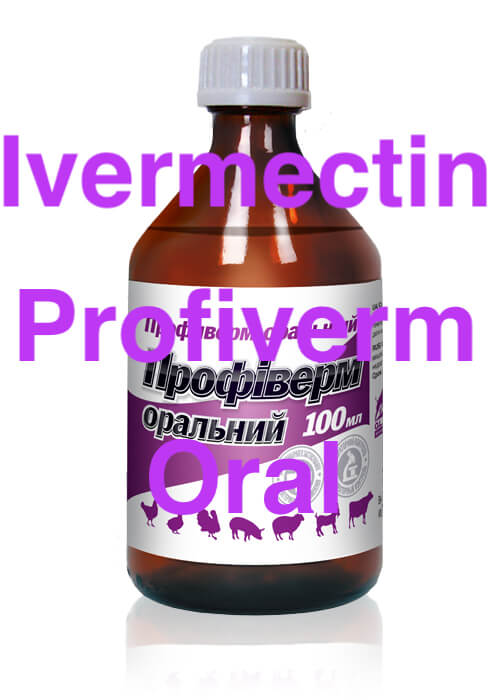
Ivermectin (Iverhelm)
Characteristics of the substance Ivermectin
Refers to avermectins.

Pharmacology
Pharmacological action – local anti-inflammatory.
Pharmacodynamics
It has an anti-inflammatory effect by suppressing the production of inflammatory cytokines induced by lipopolysaccharides. The anti-inflammatory properties of ivermectin have been observed in animal models of skin inflammatory processes. Ivermectin also causes the death of parasites, mainly through selective binding and high affinity for glutamate-regulated chlorine channels found in the nerve and muscle cells of invertebrates. The mechanism of action of ivermectin in the treatment of inflammatory skin lesions in rosacea is not fully understood, but it may be associated with both anti-inflammatory effects and the ability to cause the death of Demodex mites, which, in turn, can be a factor causing skin inflammation.

Pharmacokinetics
Suction. The absorption of ivermectin was assessed in a clinical study involving adult patients with severe papulopustular rosacea, using the maximum tolerated dose. In equilibrium (after 2 weeks of treatment), the highest mean (± standard deviation) plasma concentrations of ivermectin were observed within (10 ± 8) h after application (Cmax – (2.1 ± 1) ng / ml, range – 0 , 7-4 ng / ml), and the highest mean (± standard deviation) AUC0-24 was (36 ± 16) ng · h / ml, range – 14-75 ng · h / ml). Systemic exposure to ivermectin reached a plateau by the end of the second week of treatment under steady state conditions. With longer treatment in phase III studies, the systemic exposure to ivermectin remained the same as after 2 weeks of treatment. Under Css conditions, the levels of systemic exposure of ivermectin (AUC0-24 (36 ± 16) ng · h / ml) were lower than after a single oral intake of 6 mg ivermectin in healthy volunteers (AUC0-24 (134 ± 66) ng · h / ml) …
Distribution. An in vitro study has shown that the binding of ivermectin to blood plasma proteins (mainly albumin) is more than 99%. No significant binding of ivermectin to erythrocytes was observed.
Metabolism. In in vitro studies using human liver microsomes and recombinant CYP450 enzymes, it has been noted that ivermectin is metabolized primarily by CYP3A4.
In vitro studies have shown that ivermectin does not inhibit the isoenzymes CYP1A2, CYP2A6, CYP2B6, CYP2C8, CYP2C9, CYP2C19, CYP2D6, CYP3A4, CYP4A11 or CYP2E1. Ivermectin does not induce the expression of isoenzymes CYP1A2, CYP2B6, CYP2C9 or CYP3A4) in cultured human hepatocytes. The two main metabolites of ivermectin (3′-O-demethylivermectin and 4a-hydroxyivermectin) were identified in a clinical pharmacokinetic study using the maximum allowable dose of this agent and were studied in phase II clinical trials. Like the parent compound, the metabolites reached equilibrium by the end of the second weeks of treatment, no signs of accumulation were observed in the period up to 12 weeks In addition, the systemic exposure of metabolites (assessed using Cmax and AUC), obtained at steady state, was much lower than for ivermectin after oral administration.

Excretion. The final T1 / 2 averaged 6 days (approximately 145 hours, range 92-238 hours) in patients who applied ivermectin to the skin 1 time per day for 28 days in a clinical pharmacokinetic study using the maximum allowable dose. Excretion from the body depends on the degree of absorption after topical application. The pharmacokinetics of ivermectin have not been studied in patients with impaired liver and kidney function.
Application of the substance Ivermectin
Inflammatory skin lesions in rosacea (papulopustular form) in adult patients.
Contraindications
Hypersensitivity; pregnancy; period of breastfeeding; age up to 18 years (safety and efficacy for this age category has not been studied).
Restrictions on use
Liver dysfunction.
Application during pregnancy and lactation
Data on the use of ivermectin in pregnant women are limited. Reproductive toxicity studies when taking ivermectin orally have shown that it has teratogenic potential in rats and rabbits, however, due to the low systemic exposure when applied externally at the recommended dosage, the risk of fetotoxicity in humans is low. The use of ivermectin during pregnancy is contraindicated.
After oral administration, low concentrations of ivermectin are excreted into breast milk. When applied topically, the release of ivermectin into breast milk has not been studied. Pharmacokinetic and toxicological data from animal studies also indicate the excretion of ivermectin in breast milk. The risk to the nursing infant cannot be excluded. If necessary, the use of ivermectin should stop breastfeeding.
Side effects of the substance Ivermectin
The most common adverse reactions, such as burning sensation, skin irritation, itching and dry skin, were noted in less than 1% of patients treated with ivermectin in clinical trials.
On the part of the skin and subcutaneous tissues: often (≥1 / 10) – burning sensation of the skin; infrequently (≥1 / 1000, <1/100) – skin irritation, itching, dry skin; frequency unknown – contact dermatitis, allergic reactions.
Typically, these reactions are mild to moderate and usually diminish with continued therapy.
There were no significant differences in the safety profile among patients aged 18 to 65 years and older.
Interaction
Studies on the interaction of ivermectin with other drugs have not been conducted. Concomitant use with other agents for external and systemic use for the treatment of rosacea has not been studied. Caution should be exercised when used simultaneously with strong inhibitors of CYP3A4, since the concentration of ivermectin in the blood plasma can increase significantly.
Overdose
There have been no reported cases of ivermectin overdose.
Symptoms: In case of accidental or significant exposure of a person to unknown amounts of veterinary forms of ivermectin (ingestion, inhalation, parenteral administration or contact with the body surface), skin rash, facial edema, eyelid edema, headache, dizziness, asthenia, nausea, vomiting, etc. diarrhea. Other reported adverse reactions include seizures, ataxia, shortness of breath, abdominal pain, paresthesia, urticaria, and contact dermatitis.
Treatment: in case of accidental ingestion, symptomatic therapy is carried out, including parenteral administration of fluids and electrolytes, respiratory support (providing oxygen and, if necessary, mechanical ventilation) and vasopressors (in the presence of a pronounced decrease in blood pressure). To prevent the absorption of ingested ivermectin, provoking vomiting and / or urgent gastric lavage followed by the use of laxatives and other measures to eliminate intoxication may be indicated.

Route of administration
Outwardly.
Precautions for the substance Ivermectin
The components of the finished dosage form of ivermectin can cause local skin reactions (eg contact dermatitis), allergic reactions (including delayed-type reactions), skin irritation.
Wash your hands after use.
After drying, you can apply cosmetics.
Influence on the ability to drive vehicles and work with mechanisms. Ivermectin does not affect or slightly affects the ability to drive vehicles and operate machinery.

