Posted on Leave a comment

What is fenbendazole? How does fenbendazole work?

panacur fenbendazole

The best broad spectrum benzimidazole anthelmintic for Dogs, for Cats, for Fish and Chickens is Fenbendazole

Fenbendazole is a broad spectrum benzimidazole anthelmintic used against gastrointestinal parasites including: giardia, roundworms, hookworms, whipworms, the tapeworm genus Taenia (but not effective against Dipylidium caninum, a common dog tapeworm), pinworms, aelurostrongylus, paragonimiasis, strongyles, and strongyloides that can be administered to sheep, cattle, horses, fish, dogs, cats, rabbits, and seals.

In this article, we would like to tell you a little about such an affordable and at the same time very effective veterinary remedy as Fenbendezole. To begin with, we would like to say a few words about its pharmacological properties.

Pharmacological (biological) properties and effects of Fenbendazole (Panacur)

panacur fenbendazole
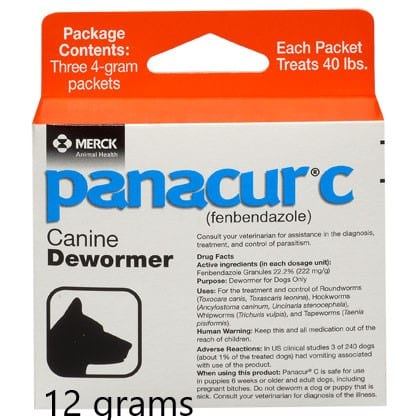
Panacur C (fenbendazole)


Fenbendezole is an anthelmintic of the benzimidazole group. Fenbendazole (5-phenyl-thio-2-benzimidazole carbamate) has a wide spectrum of nematodocidal and cestodocidal action, is active against adult forms, larvae and eggs of gastrointestinal and lung nematodes, as well as cestodes that are parasitic in animals.

The mechanism of action of fenbendazole is the destruction of microtubules in the intestinal cells of helminths and disruption of energy processes, which leads to the death of parasites.

When administered orally, fenbendazole is easily absorbed in the intestine and distributed in the organs and tissues of the animal; it is excreted from the body in unchanged form and as metabolites, mainly with bile and partially with urine, in lactating animals also with milk.

In the recommended doses, it is very well tolerated by animals without any side effects.

Indications for use of the drug FENBENDAZOLE

This drug is prescribed to young cattle, sheep, goats, foals, piglets, dogs and cats for therapeutic and preventive purposes.:

— nematodes;

— cestodoses.

Application procedure

Fenbendezole is administered to animals according to the type and dosage of Fenbendazole (powder, tablets, capsules …), in the following doses. Young cattle with moniesiasis – 150 mg per 15 kg of animal weight; with dictyocaulosis, haemonhoses, bunostomiasis, esophagostomiasis, nematodyrosis, ostertagiasis, habertiosis, cooperiosis and strongyloidiasis – 150 mg per 20 kg of animal weight.

Sheep and goats with moniesiosis – 150 mg per 15 kg of animal weight; with dictyocaulosis, hemonchosis, bunostomosis, esophagostomosis, nematodirosis, ostertagiosis, trichostrongyloidosis, habertiosis, cooperiosis, strongyloidosis – 150 mg per 30 kg of animal weight.

Foals with paraskaridosis and strongylatosis – 150 mg per 15 kg of animal weight.

Piglets with ascariasis, esophagostomosis, strongyloidosis, trichocephalosis, metastrongyloidosis – 150 mg per 30 kg of animal weight.

Adult dogs and cats with toxocarosis, toxascaridosis, hookworm, uncinariosis, dipilidiosis, teniidosis – 150 mg per 1.5 kg of animal weight.

Puppies and kittens (aged over 3 weeks) with toxocarosis, toxascaridosis, hookworm, uncinariosis, dipilidiosis and teniidosis 1 time/day for 3 consecutive days in a single dose of 150 mg per 3 kg of animal weight.

Special diets and laxatives are not required before deworming.

Side effect

Side effects and complications when using fenbendazole in accordance with the indications and dosage regimen, as a rule, are not observed.

With increased individual sensitivity of the animal to fenbendazole and the appearance of allergic reactions, the use of the drug is discontinued.

Symptoms of overdose in animals were not detected.

Contraindications to the use of the drug FENBENDAZOLE

— individual hypersensitivity of the animal to fenbendazole.

Do not use the drug:

— emaciated and sick with infectious diseases animals;

— puppies and kittens younger than 3 weeks of age.

Special instructions and personal prevention measures

Slaughter of animals for meat is allowed no earlier than 14 days after deworming. In case of forced slaughter before the deadline, the meat can be used as food for carnivores or for the production of meat and bone meal.

Milk from dairy animals should not be used for food purposes within 3 days after deworming. Milk obtained earlier than the deadline can be used after heat treatment in animal feed.

It is forbidden to smoke drink or eat while working with the medicine. At the end of work, wash your hands with warm water and soap.

If you decide to deworm your animal with Fenbendezole, you can safely recommend the following products, but please note that fenebendazole exists in different forms (powder, tablets, capsules, liquid), first decide in what form it will be more convenient for you to give it. From myself, I would like to make a small note that Fenbendezole in the form of capsules is very convenient to use, except for the smallest animals.


Posted on Leave a comment

Parasites in Fish ? Bendazole (Fenbendazole) ? Panacur

Parasites in Fish

Most of the drugs listed below are anthelmintic (antihelminthic) drugs. These are chemical preparations that effectively destroy various parasitic helminths (“worms”). With regard to fish parasites, this group includes trematodes, nematodes and cestodes (tapeworms). These medicines are given to the fish by mouth with food, although some are also effective in the form of baths. Anthelmintics used for bath treatments have been shown to be effective against non-helminth ectoparasites such as Argulus or Argulus carp lice. If the dosage for a specific drug is not listed, you should consult your veterinarian.

Many of the anthelmintic drugs used to treat fish are also used in humans, so in some countries they can only be obtained through a veterinarian. Other such agents, for example trichlorfon, are organophosphorus compounds. These are extremely toxic chemicals, and their sale is highly regulated.

It is important to remember that the life cycle of ectoparasites is quite complex and includes many stages. Some stages are resistant to chemicals, others are more vulnerable. Since resistant stages can remain viable for a long time, re-treatment is often necessary to completely eradicate the parasites.

In addition to the chemicals listed below, there are a number of specialty aquarium medicines on the market for some of the larger ectoparasites. They should be used in accordance with the manufacturer’s instructions. It is very important to follow through with the recommended course of treatment. Allow enough time for the eggs or cysts that are resistant to chemicals to hatch into larvae.

Bendazole Fenbendazole (Panacur)


Fenbendazole is used primarily to treat worms in horses. In addition, it is useful in the fight against fish nematodes such as Camallanus. It can be purchased as an equine anthelmintic. In the aquarium hobby, this medicine is used as a powder or granule, not a dough. A three-week course of treatment is carried out by the method of long baths with a dose of 2 – 3 mg/liter, and on the 7th and 14th days, the procedure is repeated.

Fenbendazole (PANACUR) aquarium dosage

Also be aware that fenbendazole seems to soak into the porous live rock and be absorbed indefinitely. I know one hobbyist who transferred a small piece of live rock that had been treated with fenbendazole (Panacur) months earlier into a reef tank, where it killed the resident starfish and Astrea snails. So enough of the medication may be retained within treated live rock to impact sensitive animals months after the fenbendazole was administered. Don’t treat live rock intended for reef systems with fenbendazole (Panacur)!

At the lower dosage recommended for nursery tanks (1/16 tsp. Per 10 gallons), fenbendazole normally does not harm cleaner shrimp and decorative shrimp. With the exception of Astrids (Astrea), Coit and Worden have found it does not usually affect the types of snails typically used as cleanup crews (e.g., Nassarius, Ceriths, and Nerites). It will kill starfish but copepods, hermit crabs, and shrimp are normally not affected.

Macroalgae such as the feathery or long-bladed varieties of Caulerpa or Hawaiian Ogo (Gracilaria) are not harmed by exposure to fenbendazole at even triple the normal dose. In fact, if you will be using Caulerpa in your nursery tanks to provide hitching posts for the fry and serve as a form of natural filtration, it’s a very wise precaution indeed to treat them with a regimen of fenbendazole beforehand.

fenbendazole panacur suspension safe guard dog pharmacyFenbendazole 10% fish bendazole Liquid SUSPENSION PANACUR

So fenbendazole (FBZ) or Panacur is primarily useful for ridding bare-bottomed nursery tanks and dwarf seahorses setups of hydroids and Aiptasia anemones, ridding Caulerpa and other macroalge of hydroids or Aiptasia before its goes into the aquarium, and cleansing live rock of bristle worms, hydroids, and Aiptasia rock anemones before it is introduced to the aquarium.  If you are serious about raising seahorse fry, fenbendazole is must-have med for keeping your nurseries hydroid free.

It can also be used to eradicate bristle worms, hydroids, an Aiptasia from an established aquarium if it does not house sensitive animals such as live corals and gorgonians, starfish, Astrea snails, or tubeworms and other desirable worms that may be harmed by FBZ, providing you monitor the ammonia levels closely and are prepared to deal with the ammonia spike that may result from the sudden death of the worm population.

Caution: For aquarium and ornamental fish only. not for human use. keep out of the reach of children. keep the container tightly closed and in a cool dry place. not to be given to fish intended for food use.

 
Posted on Leave a comment

Fenbendazole – a reliable vet assistant

Fenbendazole
Fenbendazole

Fenbendazole for cats and Dogs

Most shelter workers have heard of the magic known as fenbendazole – is one of my favorite antiparasitic-and is a great drug for many reasons. It is generally considered a safe drug, toxicity occurs only in overdose 100x and exotic species. Fenbendazole is not systemically absorbed and more than 50% out of the animal feces. It should be administered for at least 3 days to kill parasites, as it has to stop cell division for some time before it becomes fatal to the parasite. 

Fenbendazole is labeled for use in cows, horses, pigs and dogs; but it has also been used in cats, sheep, birds, reptiles and fish. It is marked to kill roundworms, hookworms, whipworms and tapeworms some, but is not effective against the most common tapeworms, and therefore should not be relied upon to kill the tapes. increased use of fenbendazole in shelters is to kill whipworms, Giardia, and lungworms.

Fun fact: In the treatment of whipworm (Trichuris Vulpis) You may have heard of the rule of 3, try for three days, then repeat a course of three days in three weeks and again at three months. It is an easy treatment regimen and commonly recited, but did you know there is actually a scientific reason not to try this way know? Whipworm takes 3 months to mature from an egg to an adult. If you kill adults on day 1, then three weeks later there will be some immature adults who have matured, but you still have eggs and larvae of worms present. Wait up to 3 months and then try again, and do not bother with the treatment of three weeks.

Fenbendazole (carbamate 5-phenyl-thio-2-benzimidazole) has a broad spectrum of effects and cestocidal nematocides, is active against adult forms, larvae and eggs of gastrointestinal and lung and cestode parasites in animals. 
The mechanism of action of fenbendazole is the destruction of microtubules in cells of intestinal worms and disruption of energy processes, leading to the death of the parasites. 
When administered orally, fenbendazole is easily absorbed in the intestine and is distributed in organs and tissues of the animal; excreted from the body in unaltered form and as metabolites, mainly in the bile and urine partially in animals also varnished milk.

Young cattle, sheep, goats, horses, pigs, dogs and cats are prescribed for therapeutic and prophylactic purposes in the case of: 
– nematodes; 
– cestodoses.

Enter the animals once, by force to the root of the tongue in the following doses. 
Young cattle monieziosis – 150 mg per 15 kg of animal body weight; with dictyocaulosis, hemonkhoze, Bunostomiasis, esophagostomosis, nematodirosis, ostertagiasis, habertiosis, cooperiosis and strongyloidiasis – 150 mg per 20 kg of animal weight. 
Sheep and goats with moniesiosis – 150 mg per 15 kg of animal body weight; if dictyocaulosis, hemonhose, bunostomiasis, esophagostomiasis, nematodirosis, ostertagiasis, trichostrongiloidosis, habertiosis, cooperiosis, strongyloidiasis – 150 mg per 30 kg of animal weight. 
Foals with parascariasis strongyles and – 150 mg per 15 kg of animal weight.
Piglet with ascariasis, esophagostomiasis, strongyloidiasis, trichocephalosis, metastrongyloidosis – 150 mg per 30 kg of animal weight. 
Adult dogs and cats toxocariasis, Toxascaris, ankilostomiasis, Uncinaria, dipilidiosis, taeniasis – 150 mg per 1.5 kg of animal weight. 
Puppies and kittens (more than 3 weeks old) with toxocariasis toxascaridoz, ancylostomiasis, uncinariosis, dipilidiosis and taeniasis 1 time/day for 3 days in a row in a single dose of 150 mg per 3 kg animal weight. 
A special diet and use laxatives before deworming is required.

Fenbendazole 222 Helmintazole

Side effects

Side effects and complications in the use of fenbendazole in accordance with the indications and dosing regimen generally not observed. 
With increased individual sensitivity of the animal to fenbendazole and allergic reactions, drug use stops. 
Overdose symptoms in animals have not been identified.


Contraindications to the use of drug Fenbendazole

– Individual animal hypersensitivity to fenbendazole. 
Do not use the medicine: 
– animals exhausted and suffering from infectious diseases; 
– Puppies and kittens under 3 weeks of age.

Simultaneous use with bromsalanflucicides is not recommended, as in cattle with this interaction, there were cases of abortion and death in sheep. 
Slaughter of animals for meat is permitted no earlier than 14 days after deworming. In the case of the forced slaughter of a predetermined period, the meat can be used as food for carnivores or for the production of meat and bone. 
Milk of dairy animals to be used for food purposes within 3 days after worming is prohibited. The milk obtained earlier than the prescribed period may be used after heat treatment as animal feed. 
No smoking, drinking or eating food while working with the drug. At the end of the work, wash hands with soap and warm water.

You can buy a lot of different quality products with an active ingredient Fenbendazole at Homelabvet site.

The most popular products are Helmintazole 200, Helmintazole 250 Pro, Helmintazole 500, Helmintazole 222, Panacur, and many other products that you can check at the site.

Sincerely, Your Homelabvet.

Posted on Leave a comment

Introducing a Kitten to your Cat

Cat-sniffing-kitten-fenbendazole
fenbendazole

Introducing a new cat or kitten

to a household can be quite stressful, to all concerned.

Indeed, it can be easier to introduce a dog to a cat than a cat to a cat. This is because a cat won’t view a dog as competition for resources – it might have to get used to its excited behaviour and learn to stand up to it to avoid being chased, but this usually happens very quickly and much more easily than we imagine. The cat-cat thing is much more difficult.

It’s usually easier to introduce a new kitten than an adult cat – this tends to be less challenging for the resident cat. Kitten body language and movements are less threatening and they have yet to adopt the concept of territory and competing with others.

A little bit of extra effort at the beginning can make the difference between a good or bad relationship in the future.  

Plan ahead

Your existing cat (or cats) will have established territory and the introduction of another, albeit a little kitten, is not necessarily going to be well received. It’s important to ensure that the resident cat is not given the impression that it is under siege. When choosing your new kitten, have your cat’s personality in mind. For example, don’t acquire a very confident and outgoing kitten if your existing cat is timid or shy.

Arrange to collect your kitten on a day when you know you will have plenty of time to devote to settling it in, for example, a couple of days over a weekend or during a time when you are not at work and the household is relatively peaceful. Some planning is necessary to prepare the home for the new arrival and the introduction process so, before the kitten arrives, purchase or hire a kitten pen (or large dog ‘crate’ of similar construction) and position it in a room that your existing cat doesn’t particularly favour, for example, a spare bedroom. A kitten pen is a large metal cage with a solid floor that is normally used for kittening queens or cats after surgery that need to be confined. It is quite large with plenty of room for a bed, toys, food, water and a litter tray. They are easily collapsible to enable the pen to be moved from room to room.

Think cat!

fenbendazole, helmintazole
Domestic cats eat pet food on the floor from bowls

Think cat once your new kitten arrives and think scent first. Your home will have a scent ‘profile’ which is familiar and reassuring to your resident cat. It will consist of all those things that go on there, the dogs, the children, the hobby equipment, the cleaning materials, the food you like and so on, all mixed in with your cat’s own scent. All the corners of your furniture will have been wiped by your cat’s chin and face, the doorposts have been brushed by its coat and the carpet will often bear the marks of claw sharpening and the scent from its paws. Your home is well and truly possessed by your cat.

What you have to try to do is work in the scent of the new kitten so that it, too, is incorporated into the accepted household aroma. This comes down, initially, to you. You have to try to spread and mix the scents of the cats. You’re working with the invisible, but have faith that there’s actually something there! Stroking your cat and the kitten regularly and swapping bedding will enable the kitten’s smell to become familiar and incorporated into the communal, household scent.

The first meeting

fenbendazole

The door to the kitten’s room should remain closed initially, allowing the kitten to exercise within that space when your other cat is not around. The kitten’s food, water, toys and bed can be positioned outside the pen but the litter tray should remain within it. When the initial contact between kitten and cat takes place it may be helpful to distract the kitten with food.

The door to the room can be opened while the kitten is eating in the cage (with the cage door shut). It may be helpful, to allow the kitten to feel secure, if there is a covered box within the cage so that the kitten can hide from any unwanted attention as your other cat explores. If you wish, a small bowl of your cat’s favourite food can be located a comfortable distance away to encourage eating in safety (bearing in mind that cats are solitary feeders) without being deterred by the sight of the kitten. Your cat should be allowed to explore the cage without intervention.

It is important to provide attention to the existing cat during this transitional period but not to exceed the amount normally accepted and enjoyed. Existing routines should be maintained to demonstrate that the kitten represents no loss of resources or enjoyment.

Once kitten and cat appear calm when in close proximity to each other (with the kitten inside and the resident cat outside the cage), the pen can be moved to other rooms (of increasing importance to the resident cat), leaving out those particularly favoured areas where the adult cat spends the majority of its time. Depending on progress, several weeks of this regime may be needed before opening the cage and letting the cats get to know each other, some introductions can take considerably less time and the kitten accepted fairly quickly. When the cage door is left open and the kitten is allowed to mix freely the contact between adult and kitten should still be closely supervised. It may be advisable to separate the kitten and adult cat when supervision is not possible, at least until their relationship is firmly established.

Both kitten and adult, in the long-term, should be provided with their own resources (bed, litter tray, food bowls, water bowls etc) positioned in separate locations and their own private areas where they can rest undisturbed by the other.

Posted on Leave a comment

What is Safe Guard dewormer?

Safe guard panacur helmintazole fenbendazole best wormer
Fenbendazole, Helmintazole, Panacur C, Safe Guard, dewormers

What is Safe Guard dewormer?

Safeguard 4 Canine De-Wormer provides safe and effective treatment and control of tapeworms, roundworms, hookworms, and whipworms in easy to feed granules that can be mixed into food. This product is safe for young puppies over the age of 6 weeks, pregnant female dogs, and heartworm infected dogs. Key Benefits

  • Treats and controls tapeworms, roundworms, hookworms, and whipworms.
  • Convenient, highly palatable granules that you can mix right into your pup’s food for hassle-free de-worming treatment.
  • Safe for any breed of young puppies over the age of 6 weeks and pregnant dogs.
  • Each pouch treats 40 lbs. Each package comes with three easy to use 4-gram pouches which should be administered for 3 consecutive days and are completely effective for up to 6 months.
  • A highly effective formula contains fenbendazole which is the same active ingredient found in prescription canine dewormers.

Also, there are a lot of different types of SafeGuard for different animals and pets, but in all types of SafeGuard, the main ingredient is Fenbendazole.

For more information about SafeGuard for dogs, you can always consult your veterinarian.

Drugs that are analogous to SafeGuard: Panacur C, Helmintazole, Helmintazole 222.

You can buy it at homelab shop.

Posted on Leave a comment

What is Panacur?

Every once in awhile, your veterinarian gives you unpleasant news. Sometimes, that news sounds like this:

“Your dog has worms.”

Nobody wants to hear that her dog has internal parasites, but worms in dogs are more common than you might think. They are also usually treatable. One of the medications veterinarians frequently prescribe for dogs with worms is Panacur, a deworming medication used to treat several species of canine parasites.

What Is Panacur?

Panacur is the brand name of an oral deworming medication with the active ingredient fenbendazole. It is used to treat internal parasites in domestic animals, including dogs, cats, horses, and livestock. In dogs, Panacur is most often used to treat hookworm, roundworm, tapeworm (Taenia), and whipworm infections, although it is important to note that Panacur is not effective against Dipylidium tapeworms.

In addition to these worms, Panacur (fenbendazole) is approved in Europe to treat Giardia in dogs and is sometimes used off-label in the U.S. to deal with Giardia infections. It is also occasionally used off-label to combat lungworm infections.

How Does Panacur Work?

Deworming medications work in different ways to eliminate parasites. Some target specific life stages, while others attack the biological processes of the parasite. Fenbendazole kills parasites by binding to tubulin (a type of protein), which interferes with the parasites’ ability to form microtubules, which combine to form the structure of the worm cells.

So how do you introduce this parasite eliminator into your dog’s system? Panacur is given orally, either in granules, a suspension, or a paste. Talk to your veterinarian about the best formulation for your dog and for tips about how to properly administer a dewormer.

Side Effects of Panacur for Dogs

Panacur is generally considered a very safe medication and is one of the safest dewormers on the market. Its active ingredient has a selective affinity for parasitic tissue, which means it usually ignores your dog’s body tissues unless given in very high doses, and even then dogs can tolerate doses up to 100 times higher than recommended. Manufacturers list vomiting as a possible side effect, and some formulations, like Panacur Plus, contain other medications, such as ivermectin and praziquantel, which can have more serious side effects.

Even though the drug is generally safe, you still need to exercise caution. Some dogs may have an allergic reaction to the dying parasites themselves. Watch out for symptoms of an allergic reaction in dogs, which include facial swelling, itchiness, hives, diarrhea, vomiting, seizures, shock, pale gums, cold limbs, and coma. You should also talk to your vet about giving Panacur to pregnant dogs. Your veterinarian may have to adjust the dosage, and Panacur is not recommended for puppies under six weeks old.

How Much Panacur Should I Give My Dog?

When it comes to the dosage and duration of Panacur or any other medication, talk to your veterinarian. While the Internet is a great source of initial information about drug dosages, your veterinarian may have his or her own reasons for adjusting your dog’s dose and duration. These changes are based on your dog’s medical history or condition, and an inaccurate dosage and duration estimate could harm your dog and lead to parasite resistance.

The dosage and duration of the drug also depends on the intended use. Your veterinarian might prescribe a different dosage for Giardia than he would for roundworms, for instance, so make sure you follow his instructions to ensure that your dog receives the full benefit of the medication.

For more information about Panacur for dogs, you can always consult your veterinarian.

You can buy Panacur C at homelab shop.

Also, you can buy Helmintazole 222 (Fenbendazole 22,2%) it is a similar product as Panacur C.

Posted on Leave a comment

Animal dewormers and their types

Helmintazole 500mg capsules Fenbendazol panacur for dog

Dewormers and their types

Deworming (sometimes known as wormingdrenching, or “dehelmintization”) is the giving of an anthelmintic drug (a wormerdewormer, or drench) to a human or animal to rid them of helminths parasites, such as roundworm, flukes, and tapeworm. Purge dewormers for use in livestock can be formulated as a feed supplement that is eaten, a paste or gel that is deposited at the back of the animal’s mouth, a liquid drench given orally, an injectable, or as a pour-on which can be applied to the animal’s top line. In dogs and cats, purge dewormers come in many forms including a granular form to be added to food, pill form, chew tablets, and liquid suspensions.

Horses are most often dewormed with a paste or gel placed on the back of the animal’s mouth via a dosing syringe; feed dewormers are also used, both single-dose varieties and in a daily, “continuous” feed form. Deworming (drenching) a sheep is usually done with a specific drenching gun that squirts an anthelmintic into the sheep’s throat.

The Centers for Disease Control and Prevention recommends deworming treatments at 2, 4, 6, and 8 weeks of age for puppies, as well as concurrent treatments given to the mother to eliminate reactivated larvae and prevent horizontal transmission from puppies that may be shedding roundworm and hookworm eggs.[

They also recommend deworming treatments at 3, 5, 7, and 9 weeks of age for kittens and the mother.

Additionally, the Companion Animal Parasite Council (CAPC) further recommends quarterly treatments for all adult dogs and cats, depending on animal health and lifestyle factors.

When choosing a dewormer for dogs, you need to know what type of worms your dog has. You can purchase a dewormer for specific types of worms, or you can choose a broad-spectrum product. Dewormers for dogs come in several forms including tablets, granules, powders, and liquids, so talk to your veterinarian about the option that is best for your dog. Once you know what kind of dewormer you need, take a look at our top picks for the best dewormer for dogs. Best dog dewormer overall: Helmintazole 200, Helmintazole 222, and Helmintazole 500 PRO it is the same dewormer as Panacur C or Safe Guard with the same main ingredient Fenbendazole.

You can buy these dewormers at Homelabvet shop.

Posted on Leave a comment

Fenbendazole. What is fenbendazole?

panacur fenbendazole

What is fenbendazole

Fenbendazole (brand names Helmintazole®, Helmintazole Pro®, Helmintazole 200®, Helmintazole 222®, Helmintazole 500 caps®, Helmintazole 50 Tab®, Panacur®, Safe-Guard®) is a medication used to treat a variety of parasites (e.g., roundworms, hookworms, lungworm, whipworm, and certain types of tapeworms) in dogs. Its use in cats for the treatment of parasites is ‘off label’ or ‘extra-label’. Many drugs are commonly prescribed for off-label use in veterinary medicine. In these instances, follow your veterinarian’s directions and cautions very carefully.

panacur fenbendazole

How is fenbendazole given?

Fenbendazole comes as oral granules, tablets, capsules or as a liquid suspension and is given by mouth. Liquid forms must be measured carefully.

Fenbendazole should be given with food to reduce gastrointestinal upset.

Give this medication as directed by your veterinarian. Fenbendazole is often given once daily for 3 consecutive days and then again in another round 2-3 weeks later.

It is important that your pet receives all of the doses recommended by your veterinarian for best results. Do not stop early or skip doses unless recommended by your veterinarian. Retreatment may be necessary if doses are missed, the medication is stopped too soon, or if reinfection from the environment occurs.

This medication should take effect within 1 to 2 days, but visible effects will take the entire duration of treatment to be recognized.

What if I miss giving my pet the medication (or my shipment is late)?

If you miss a dose, give it when you remember. If it is close to the time for the next dose, skip the missed dose and give it at the next scheduled time. Never give your pet two doses at once or give extra doses.

Are there any potential side effects?

At regular doses, fenbendazole does not usually cause any side effects. Sometimes, substances released by the dying parasites may cause an allergic reaction, especially if fenbendazole is given at higher than regular doses. If your pet shows signs of an allergic reaction (facial swelling, itchiness, hives, diarrhea, seizures, or shock) seek veterinary care immediately.

Salivation, vomiting, and diarrhea may occur in dogs or cats receiving this medication.

This moderate-acting medication should stop working in a few days, although effects can be longer in pets with liver or kidney disease.

Are there any risk factors for this medication?

Fenbendazole is safe for use in most pets. Fenbendazole should not be used in:

  • puppies younger than 6 weeks of age.
  • sick animals

Are there any drug interactions I should be aware of?

While there are no known drug interactions with fenbendazole, be sure to tell your veterinarian about any medications (including vitamins, supplements, or herbal therapies) that your pet is taking.

Is there any monitoring that needs to be done with this medication?

Your veterinarian may recommend a fecal examination to be sure that all internal parasites have been killed and determine if additional doses are needed.

How do I store fenbendazole?

Store fenbendazole granules, tablets or capsules in a sealed container at room temperature and protected from sunlight.

If your veterinarian has made a special formulation for your pet, follow the storage recommendations on the label and expiration date for the product.

What should I do in case of emergency?

If you suspect an overdose or an adverse reaction to the medication, call your veterinary office. If they are not available, follow their directions in contacting an emergency facility.

If you want to buy Fenbendazole(Helmintazole…) online, you can buy it at Homelabvet.com, there are a lot of different types of Fenbendazole with different dosages.

Posted on Leave a comment

Cats and womans

Cat and woman

The unique tandem of cats and women has always attracted attention and generated many different theories about their relationship with each other. Although cats have always been distinguished by their independence and dissimilarity to other living beings, their similarities with women and their special relationship with them require a special discussion.

Pure Beauty

The main common feature that a woman and a cat have is the desire of both beauty and conquest of the world. Such a tradition originated in the depths of centuries, and even in ancient times cats were always depicted next to the most beautiful women, and any beauty was automatically compared in her grace and grace to representatives of the cat family. And, of course, cats and women always got along very well. For example, in Turkey, statuettes were found dating back to the 6th millennium BC, which depicts women playing with cats. And even then, each mistress of the house reserved for her pet the most privileged place in the house.

This is not surprising, because a woman and a cat have one more thing in common – independence, bordering on affection. It was the gentleness of a woman who always attracted a cat to her side, and thanks to this, the feline race was closely intertwined with the human one, and the cat began not only to decorate the house with itself but also to protect it from various dangers. Soon, in almost every country, special rules and laws appeared that require respectful and reverent treatment of cats:

  • in Britain there was a code of laws determining the value of a cat and prescribing punishment for cruelty to it;
  • in America, a cat immediately became an object of exchange trade, as well as the patroness of many houses, which she saved from epidemics and other disasters;
  • in Paraguay, at the legislative level, it has been established that every cat is worth a pound of gold;
  • in Ancient Russia in the 14th-century laws existed that penalized cat larceny and imposed huge fines on thieves.

And in each of the situations, the behavior of cats was not important: animals were considered sacred even when they showed their difficult character, and it was women who played a significant role in recognizing their sacred value.

Unattainable ideal

In addition, from time immemorial, women and cats have in common many common features – both appearance and character:

  • resourcefulness and intelligence inherent in both
  • quick reaction and agility,
  • excellent plastic
  • undeniable external beauty
  • some detachment.

Thanks to this, women gave their hearts to cats many centuries ago. And today this tradition continues, because it is in the graceful representatives of feline women that they see a real ideal, which is often unattainable for themselves.

A cat for women is a living embodiment of beauty, and the independent behavior of cats is an example to follow. This is not surprising, because:

  • cats do not have problems with being overweight,
  • cats do not need fur coats – their silky and delicate fur is admired by everyone;
  • cats do not need to fawn in front of people to be stroked – it only allows you to do this if she liked the person;
  • the cat is always beautiful, no matter what she does;
  • the cat does not need to take care of its kittens all its life and even think about who it is pregnant from;
  • the cat is patient and ready to faithfully listen to all the sorrows of its owners, without giving them any stupid advice,
  • the behavior of cats can be anything, but no one can be angry for a graceful and touching animal for a long time.
  • And, of course, there are some comic “differences” between women and cats, which men often like to talk about:
  • the cat is fluffy throughout the body, and not just on the head,
  • for beauty, the cat doesn’t need makeup,
  • the cat remains graceful in any situation,
  • the cat eats less
  • the cat can purr beautifully,
  • the cat is easy to keep on your lap
  • if her owner gets sick, the cat will just sleep next to him, without disturbing him,
  • the cat will never whimper and complain
  • the cat is always clean and takes care of itself,
  • the cat will not be offended by you if you are tired and you are not up to it,
  • a good word will always please a cat,
  • the cat doesn’t need new outfits,

Getting a cat in the house is always very easy!

However, even in spite of these small “differences”, it is the woman and the cat who always get along best with each other. And even if the owner of the animal is just the man, his pet can easily neglect it, and all attention will be paid to his chosen one!

Also, if you want your lovely cat always be happy and healthy, you should give to your cat antihelminth treatment like Helmintazole with the active ingredient Fenbendazole (펜 벤다 졸). If you need Fenbendazole for worm treatment you can always buy it at Homelabvet.com.

Posted on Leave a comment

EXTRA AUTUMN DEWORMER SALE!

promo Helmintazole fenbendazole homelab

Today we have a great news about our dewormers. If you want to have a great discount on dewormer products you need just follow the link above.

If you follow by link above, you can buy the most popular dewormers of most popular companies. Extra sale for Helmintazole by Homelab, Panacur, Safe Guard, Fencur, fendeworm, Fenbendazole and etc. All of this dewormers includes active ingredient fenbendazole which is very effective for worm treatment.