A dog in Colorado has been helping its owner’s neighbour get through self-isolation by delivering food supplies to her home.
Renee Hellman has underlying respiratory issues and has been advised to quarantine herself completely due to the coronavirus outbreak, making her unable to go food shopping.
“She got the list, she gave it to Sunny, Sunny brought it to me,” Ms Evelth told KKTV. “I went to the store, got her groceries, and he delivered them all to her.”
Ms Hellman has said the visits from Sunny have not only helped her immensely, not just from a practical perspective, but from a companionship one too given that she is home alone.
“It’s been fun,” she said. “It’s been a real treat.
“Little things like Sunny coming over to visit is nice and it makes you feel good. It’s a way of communicating.”
Sunny has also been collecting the post for Ms Evelth, who hopes her story will inspire similar acts of kindness.
“Anybody can do something small, that can be so helpful,” she said.
Urban dogs are more fearful than their cousins from the country
Fearfulness is one of the most common behavioural disorders in dogs. As an emotion, fear is a normal and vital reaction that helps individuals survive in threatening circumstances. When the fearfulness is excessive and disturbs the dog’s life, it is referred to as a behavioural problem. Excessive fearfulness can significantly impair the dog’s welfare, and it is also known to weaken the relationship between dog and owner.
Social fearfulness in dogs is particularly associated with fearfulness related to unfamiliar human beings and dogs. At the University of Helsinki, risk factors predisposing dogs to social fearfulness were investigated with the help of a dataset pertaining to nearly 6,000 dogs. The dataset was selected from a larger set of data, a behavioural survey encompassing almost 14,000 dogs.
Based on the survey, inadequate socialisation of puppies to various situations and stimuli had the strongest link with social fearfulness. The living environment also appears to make a difference, as dogs that live in urban environments were observed to be more fearful than dogs living in rural environments.
“This has not actually been previously investigated in dogs. What we do know is that human mental health problems occur more frequently in the city than in rural areas. However, further studies are needed before any more can be said about causes pertaining to the living environment,” says Jenni Puurunen, a postdoctoral researcher at the Faculty of Veterinary Medicine, University of Helsinki.
Supporting prior research evidence, social fearfulness was demonstrated to be more common among neutered females and small dogs.
Alongside size and gender, activity is another factor associated with fearfulness. Fearful dogs were less active than bolder ones, and their owners also involved them in training and other activities significantly less often. Professor Hannes Lohi from the University of Helsinki speculates whether this is a cause or consequence.
“Activity and stimuli have already been found to have a positive effect on behaviour, in both dogs and humans. Of course, the lesser activity of fearful dogs can also be down to their owners wanting to avoid exposing their dogs to stressful situations. It may be that people just are not as active with fearful dogs,” Lohi points out.
Furthermore, significant differences between breeds were identified in the study. Spanish Water Dogs and Shetland Sheepdogs expressed social fearfulness the most, while Wheaten Terriers were among the bravest breeds. The Cairn Terrier and the Pembroke Welsh Corgi expressed only little fearfulness towards other dogs.
“Differences between breeds support the notion that genes have an effect on fearfulness, as well as on many other mental health problems. This encourages us to carry out further research especially in terms of heredity. All in all, this study provides us with tools to improve the welfare of our best friend: diverse socialisation in puppyhood, an active lifestyle and carefully made breeding choices can significantly decrease social fearfulness,” Lohi sums up.
Professor Lohi’s group investigates the epidemiology of canine behaviour, as well as related environmental and genetic factors and metabolic changes.
Monitoring environmental exposures in dogs could be early warning system for human health
Man’s best friend may also be man’s best bet for figuring out how environmental chemicals could impact our health. Researchers from North Carolina State University and Duke University’s Nicholas School of the Environment used silicone dog tags as passive environmental samplers to collect information about everyday chemical exposures, and found that dogs could be an important sentinel species for the long term effects of environmental chemicals.
“Silicone monitoring devices are still relatively new, but they represent an inexpensive and effective way to measure exposure to the chemicals we encounter in daily life — from pesticides to flame retardants,” says Catherine Wise, Ph.D. candidate at NC State and lead author of a paper describing the work. “And we know that many human diseases caused by environmental exposure are similar clinically and biologically to those found in dogs.”
Wise and researchers from NC State and Duke recruited 30 dogs and their owners to wear silicone monitors for a five-day period in July 2018. Humans wore wristbands, while the dogs wore tags on their collars.
The researchers analyzed the wristbands and tags for exposures to chemicals within three classes of environmental toxicants that are often found in human blood and urine: pesticides, flame retardants, and phthalates, which are found in plastic food packaging and personal care products. They found high correlations between exposure levels for owners and their pets. Urinalysis also revealed the presence of organophosphate esters (found in some flame retardants) in both owners and dogs.
“What was remarkable about these results were the similar patterns of exposure between people and their pets,” says Heather Stapleton, Ronie-Richelle Garcia-Johnson Distinguished Professor, director of the Duke Environmental Analysis Laboratory at the Nicholas School and co-author of the research. “It’s quite clear that the home environment contributes strongly to our daily exposure to chemical contaminants.”
However, while dogs and humans may share similar exposures, the health effects do not follow similar timelines — a fact that could aid researchers in teasing out relationships between chemical exposure and human health. “Dogs are special when it comes to linking exposures and disease outcomes because effects that may take decades to show up in humans can occur in one to two years in a dog,” Wise says.
“Humans spend incredible amounts of time with their dogs — that’s especially true right now,” says Matthew Breen, Oscar J. Fletcher Distinguished Professor of Comparative Oncology Genetics at NC State and corresponding author of the paper. “If we develop ways to correlate dog disease with their exposures over time, it may give human-health professionals the opportunity to mitigate these exposures for both species. Dogs are a powerful biological sentinel species for human disease.”
Materials provided by North Carolina State University.
Tylosin-responsive diarrhea (TRD) is a syndrome that includes all cases in which tylosin antibiotic treatment has had a positive effect on treating dogs with intermittent or chronic diarrhea. Antibiotic treatment often leads to resolution of clinical gastrointestinal (GI) signs, and thus the term antibiotic-responsive diarrhea (ARD) was coined. Recently, trials have been published in which tylosin proved to be particularly effective in treating dogs with chronic or intermittent diarrhea, with the effect of tylosin differing from that of other antibiotics, thus indicating that the more newly established term TRD is more appropriate than ARD.
Tylosin antibiotic
Tylosin is a macrolid, bacteriostatic antibiotic that has activity against most Gram-positive and Gram-negative cocci, Gram-positive rods and Mycoplasma. However, the Gram-negative bacteria Escherichia coli and Salmonella spp. are intrinsically tylosin-resistant. Tylosin is used only in veterinary medicine, and its most common indications are treating pigs with diarrhea or poultry with chronic respiratory diseases. Tylosin has also been used as a feed additive in food animal production, and it has been shown to increase gain and feed efficiency, especially in pigs. Debate about the mechanisms underlying tylosin-mediated growth enhancement is ongoing.
Tylosin is usually used in powder form for pigs and poultry. In Finland and in some other countries, tylosin is also available in tablet form, facilitating its use in dogs.
Experiences of tylosin in treating diarrhea
Our experience with tylosin is derived from numerous studies with dogs suffering from exocrine pancreatic insufficiency (EPI).These studies have clearly shown that tylosin has a favorable effect as a supportive therapy on dogs with EPI.
In Finland, tylosin has for years been the most common drug in the treatment of unspecific intermittent or chronic diarrhea in dogs. Anecdotal reports by veterinarians and dog owners reveal that many dogs with diarrhea respond well and quickly to tylosin treatment, generally within a few days of initiation of treatment. When treatment is discontinued, however, diarrhea reappears in many dogs within a matter of weeks or months. Some dogs need a treatment over very long period. Even so, the effect of controlling diarrheal signs does not appear to diminish with time, and thus there is no need to increase the dosage of the medication. No apparent tylosin-associated adverse effects have been reported.
TRD can affect dogs from all breeds and ages but is most often seen in middle-aged, large-breed dogs. The diarrea signs appear often as intermittent but progressivly become more frequent and end as persistent diarrhea. Abnormal loose fecal consistency is the predominant sign. The majority of the owners describe their dogs’ feces as watery and/or mucoid indicating that TRD affects both the small and large bowel. Increased frequency of borborygmus and flatulence are also typically seen. Vomiting is occasionally seen during the diarrheal outbreaks.
In dogs with TRD the blood parameters are usually normal. Also the abnormal findings in diagnostic imaging studies and histological examination of intestinal biopsies, are only mild or completely absent.
Clinical studies with tylosin
Only a few studies on treating diarrheal signs in dogs with tylosin have been published. Van Kruiningen, (1976) reported more than 30 years ago that tylosin had a good effect in treatment of unspecific canine diarrhea. Recently, our study group performed two clinical trials to obtain more information on TRD. The first study included 14 adult pet dogs of 12 different breeds. Each dog’s diet remained unchanged throughout the study. The dogs had shown chronic or intermittent diarrheal signs for a period of more than one year. Diarrhea had been successfully treated with tylosin for at least six months, and the treatment had been discontinued at least twice but the signs had always occured. When the study commenced, all dogs had been on tylosin for at least one month and were otherwise healthy. Thereafter, tylosin was discontinued and the dogs were monitored for a period of up to one month to determine whether signs of diarrhea would reappear, as suggested by the clinical history. Diarrhea reappeared in 12/14 dogs (85.7%) within 30 days. During the treatment trial diarrhea ceased with tylosin in all dogs within three days and in most dogs within 24 hours. In contrast, prednisone did not completely resolve diarrheal signs, and the probiotic Lactobacillus rhamnosus GG did not prevent the relapse of diarrhea in any of the dogs.
In the second study in an experimental dog colony, seven beagles showed signs of chronic diarrhea for at least one month. The dogs were treated with tylosin for ten days. During the treatment period the feces became significantly firmer, although they remained unacceptably loose. When the treatment was discontinued, diarrhea reappeared within three weeks. Treatment with other antibiotics (metronidazole, trimethoprim-sulfadiazine, or doxycycline) or with prednisone had almost no effect on fecal consistency, the feces remaining abnormally loose in all dogs. The diet was then changed for a ten-day period from a highly digestible moist pet food to a dry food developed for normal adult dogs. The feces again became significantly firmer, although they remained loose in some dogs. The dry food period was then extended to three months, but the fecal consistency continued to fluctuate from ideal to diarrhea. Since the consistency was not satisfactory, the dogs were treated a second time with tylosin for ten days. The feces then became normal in consistency and remained so throughout the entire three-month follow-up time. The study revealed that in the experimental dogs with chronic diarrhea the fecal consistency became significantly firmer both with tylosin treatment and with dietary modification. Neither of the treatments alone was sufficient to obtain ideal fecal consistency, but when the dogs were treated simultaneously with both regimes, permanent ideal fecal consistency was attained. The study thus indicated that tylosin and feeding regimes have synergic effects.
Pathophysiology
The etiology of TRD remains obscure. Since tylosin is an antimicrobial agent, it has been speculated that some pathogenic bacteria are likely responsible for the diarrheal signs. Based on negative culture results and ELISA tests, we have excluded such common enteropathogenic bacteria as Clostridium perfringens, Clostridium difficle, Salmonella spp., Campylobacter spp. , and Yersinia spp. as causative factors for the diarrheal signs occurring in TRD. Less well-defined species causing diarrhea in dogs, such as Plesiomonas shigelloides, Lawsoni intracellularis, and Brachyspira spp., have also been excluded.
Our ongoing studies have revealed that administration of tylosin leads to significant but transient changes in the composition of the small intestinal microflora. The results support the hypothesis that tylosin promotes the growth of beneficial commensal bacteria, while suppressing deleterious bacteria.
Besides antibacterial properties, tylosin may possess anti-inflammatory properties, contributing to its effectiveness in treating canine diarrhea. The mode of action must differ, however, from the immunomodulatory effect of prednisone because prednisone treatment did not completely resolve diarrheal signs in the same dogs that responded to tylosin.
Diagnostic protocol for dogs with chronic diarrhea
The diagnostic protocol used for dogs with chronic diarrhea by the Faculty of Veterinary Medicine, University of Helsinki, is represented in Figure 1. In patients with chronic diarrhea, every effort should be made to achieve a diagnosis to enable a specific therapy. Unfortunately, this is not always possible in which case empirical therapeutic trials are used in the workup of these patients. There are conflicting opinions about how long an empirical therapy should be attempted. We recommend ten days if a dog has chronic diarrhea or if the interval between intermittent diarrheal episodes is only a few days. If signs of diarrhea disappear or are relieved during this period, the treatment should be continued another 2-6 weeks. When the interval between episodes of intermittent diarrhea is long, i.e. more than one week, the length of the empirical treatment period should be prolonged. The workup protocol displayed in Figure 1 for patients with chronic or intermittent diarrhea is applicable to most veterinary practices. It is also useful regardless of whether the clinical signs are typical of large- or small-intestine disease. The prevalence of diseases that can simultaneously affect the small and large intestines is high.
The initial evaluation (A) comprises obtaining a thorough case history (A1), conducting a physical examination (A2), and taking the basic laboratory tests, including a complete blood count, a serum chemistry profile, and measurement of serum concentrations of trypsin-like immunoreactivity (TLI) (A3). According to the initial examination, the patients are then divided into two groups. The first group includes patients showing clinical abnormalities in addition to diarrhea (Group B), while the second group shows no obvious abnormalities other than diarrhea (Group C). Patients with obvious abnormalities (B) suffering from systemic disorders with secondary diarrhea (B1a), such as hepatic failure, renal failure, hypoadrenocorticism, and EPI (B1b), should be identified before starting trial therapies. Also if hypoproteinemia (B1c), melena and/or anemia (B1d), or abnormal palpation findings (B1e) are found, the reason for these abnormalities should be examined. Dogs with diarrhea but no other abnormalities (C) are treated orally with fenbendazol 50 mg/kg for three days (C1) to rule out endoparasites as the causative factor for GI signs.
Food is probably the most common cause of diarrhea (C2), and adverse food reaction should always be excluded before empirical treatment trials with different drugs are initiated. Opinions vary widely about how the diet should be changed for a dietary treatment trial. Unfortunately, current recommendations are largely based on anecdotal evidence rather than on controlled trials. The most common recommendation is to use a diet with novel protein and carbohydrate sources, with the former restricted to a single animal source.
If modifying the feeding regime fails to produce a satisfactory fecal consistency, the next step is to treat the dog with tylosin 25 mg/kg BW q24h (C3). Dogs responding to tylosin treatment will usually do so within 3-5 days, and diarrhea will remain absent as long as treatment continues. In many dogs, diarrhea will reappear within some weeks upon discontinuation of treatment. If diarrheal signs reappear, the dog owner should change the dog’s diet once again to make sure that the feeding regime is not involved in the etiology of the signs. If diarrheal signs continue, tylosin treatment is re-initiated. The effect of tylosin does not appear to diminish even in dogs that have been treated for years. The dose of tylosin for long-term use should be tapered to the lowest possible dose that controls clinical signs. Many dogs need only half of the recommended dose.
Although no adverse effects during tylosin treatment have been reported, efforts should be made to reduce the use of tylosin. This is because our recently conducted studies have indicated that tylosin causes wide resistance to antibiotics in the intestine (unpublished results). Certain probiotic lactic acid bacteria (LAB) have been shown to be effective in the prevention and treatment of a variety of diarrheal disorders in humans and in experimental mouse models. Hopefully in the future a probiotic LAB can be used instead of tylosin to treat or prevent chronic diarrhea in dogs with TRD.
Mastitis: causes, symptoms, prevention, and treatment
Cause
Mastitis is the inflammation of the mammary gland and udder tissue.
It usually occurs as an immune response to bacterial invasion of the teat canal by variety of bacterial sources present on the farm (commonly through bedding or contaminated teat dips), and can also occur as a result of chemical, mechanical, or thermal injury to the cow’s udder.
Mastitis is a multifactoral disease, closely related to the production system and environment that cows are kept in. Mastitis risk factors or disease determinants can be classified into three groups: host, pathogen and environmental determinants.
Symptoms
Subclinical: Few symptoms of subclinical mastitis appear, although it is present in most dairy herds.
Somatic cell counts measure milk quality and can be used as an indicator of mastitis prevalence.
Clinical mastitis: The most obvious symptoms of clinical mastitis in the udder are swelling, heat, hardness, redness or pain.
Milk takes on a watery appearance, flakes, clots or pus is often present.
A reduction in milk yields, increases in body temperature, lack of appetite, and a reduction in mobility due to the pain of a swollen udder are also common signs.
Treatment
NSAID are widely used for the treatment of acute mastitis. Aspirin, flunixin meglumine, flurbiprofen, carprofen, ibuprofen, and ketoprofen have been studied as treatments for experimental coliform mastitis or endotoxin-induced mastitis. Orally administered aspirin should be used with caution in acute coliform mastitis because it may lead to severe rumen atony.
Prevention
Hygienic teat management: which includes good housing management, effective teat preparation and disinfection for good milk hygiene, teat health and disease control.
Prompt identification and treatment of clinical mastitis cases: including the use of the most appropriate treatment for the symptoms.
Dry cow management and therapy: where cows are dried off abruptly and teats are cleaned scrupulously before dry cow antibiotics are administered, including the use of teat-end sealants if appropriate.
Culling chronically affected cows: cows that become impossible to cure and represent a reservoir of infection for the whole herd.
Regular testing and maintenance of the milking machine: with regular, recommended teatcup liner replacement and milking machine servicing and attention paid to items which must be checked on a daily, weekly or monthly basis.
Good record keeping: of all aspects of mastitis treatment, dry cow therapy, milking machine servicing, Somatic Cell Counts and Bactoscan results, and clinical mastitis cases.
Diagnostics
It’s important to identify the pathogen causing the mastitis infection because different categories of pathogens require different mastitis management strategies. Without taking the time to determine a diagnosis, there is no way to know if a given antibiotic will work. However, once you know the pathogen, a dairy farmer can work with his or her veterinarian to develop a mastitis control program that fits your specific operation.
Consider your diagnostic options based on the needs of your dairy farm.
Detergent lyses white blood cells (leucocytes) in milk sample, resulting in viscosity of the fluid. This is a measure for severity of infection.
Somatic Cell Count
Counting of leucocytes in a milk sample, either under a microscope or using automated cell counting systems (flow cytometry).
ELISA
Detects antibodies instead of pathogen; infection may no longer be active.
Bacterial culture
Milk sample is streaked on culture plates. Viable pathogens form colonies that are counted.
Multiplex PCR
Amplification and detection of nucleic acid of mastitis-causing pathogens. Screening for multiple pathogens in one run. Indicates active infection. Pathogens do not need to be viable.
Submitting a clean milk sample to the laboratory is critical to a successful pathogen diagnosis. Follow these steps:
Clean the udder from visible dirt
Prevent kicking
Wash your hands
Clean the teat end with 3 clean swabs dipped in 70% alcohol disinfectant a. If the teat end is in poor condition, more cleaning may be needed
Open the milk tube corn and keep it clean in your palm
Milk the sample keeping the tube in horizontal position
Close the cork immediately
Add markings like cow number, quarter and date on the tube
has found that machine learning has the potential to improve veterinary surgeons’s ability to diagnose herd mastitis origins accurately and reduce mastitis levels on dairy farms.
The study, which was led by Robert Hyde MRCVS from the School of Veterinary Medicine and Science at the University of Nottingham, aims to create an automated diagnostic support tool for the diagnosis of herd-level mastitis origin, an essential first step of the AHDB mastitis control plan.
Mastitis data from 1,000 herds’ was inputted for several three-month periods. Machine learning algorithms were used to classify herd mastitis origin and compared with expert diagnosis by a specialist vet.
The machine learning algorithms were able to achieve a classification accuracy of 98% for environmental vs contagious mastitis, and 78% accuracy was achieved for the classification of lactation vs dry period environmental mastitis when compared with expert veterinary diagnosis.
Robert said: “Mastitis is a huge problem for dairy farmers, both economically and in welfare terms. In our study we have shown that machine learning algorithms can accurately diagnose the origin of this condition on dairy farms. A diagnostic tool of this kind has great potential in the industry to tackle this condition and to assist veterinary clinicians in making a rapid diagnosis of mastitis origin at herd level in order to promptly implement control measures for an extremely damaging disease in terms of animal health, productivity, welfare and antimicrobial use.”
Most shelter workers have heard of the magic known as fenbendazole – is one of my favorite antiparasitic-and is a great drug for many reasons. It is generally considered a safe drug, toxicity occurs only in overdose 100x and exotic species. Fenbendazole is not systemically absorbed and more than 50% out of the animal feces. It should be administered for at least 3 days to kill parasites, as it has to stop cell division for some time before it becomes fatal to the parasite.
Fenbendazole is labeled for use in cows, horses, pigs and dogs; but it has also been used in cats, sheep, birds, reptiles and fish. It is marked to kill roundworms, hookworms, whipworms and tapeworms some, but is not effective against the most common tapeworms, and therefore should not be relied upon to kill the tapes. increased use of fenbendazole in shelters is to kill whipworms, Giardia, and lungworms.
Fun fact: In the treatment of whipworm (Trichuris Vulpis) You may have heard of the rule of 3, try for three days, then repeat a course of three days in three weeks and again at three months. It is an easy treatment regimen and commonly recited, but did you know there is actually a scientific reason not to try this way know? Whipworm takes 3 months to mature from an egg to an adult. If you kill adults on day 1, then three weeks later there will be some immature adults who have matured, but you still have eggs and larvae of worms present. Wait up to 3 months and then try again, and do not bother with the treatment of three weeks.
Fenbendazole (carbamate 5-phenyl-thio-2-benzimidazole) has a broad spectrum of effects and cestocidal nematocides, is active against adult forms, larvae and eggs of gastrointestinal and lung and cestode parasites in animals. The mechanism of action of fenbendazole is the destruction of microtubules in cells of intestinal worms and disruption of energy processes, leading to the death of the parasites. When administered orally, fenbendazole is easily absorbed in the intestine and is distributed in organs and tissues of the animal; excreted from the body in unaltered form and as metabolites, mainly in the bile and urine partially in animals also varnished milk.
Young cattle, sheep, goats, horses, pigs, dogs and cats are prescribed for therapeutic and prophylactic purposes in the case of: – nematodes; – cestodoses.
Enter the animals once, by force to the root of the tongue in the following doses. Young cattle monieziosis – 150 mg per 15 kg of animal body weight; with dictyocaulosis, hemonkhoze, Bunostomiasis, esophagostomosis, nematodirosis, ostertagiasis, habertiosis, cooperiosis and strongyloidiasis – 150 mg per 20 kg of animal weight. Sheep and goats with moniesiosis – 150 mg per 15 kg of animal body weight; if dictyocaulosis, hemonhose, bunostomiasis, esophagostomiasis, nematodirosis, ostertagiasis, trichostrongiloidosis, habertiosis, cooperiosis, strongyloidiasis – 150 mg per 30 kg of animal weight. Foals with parascariasis strongyles and – 150 mg per 15 kg of animal weight. Piglet with ascariasis, esophagostomiasis, strongyloidiasis, trichocephalosis, metastrongyloidosis – 150 mg per 30 kg of animal weight. Adult dogs and cats toxocariasis, Toxascaris, ankilostomiasis, Uncinaria, dipilidiosis, taeniasis – 150 mg per 1.5 kg of animal weight. Puppies and kittens (more than 3 weeks old) with toxocariasis toxascaridoz, ancylostomiasis, uncinariosis, dipilidiosis and taeniasis 1 time/day for 3 days in a row in a single dose of 150 mg per 3 kg animal weight. A special diet and use laxatives before deworming is required.
Fenbendazole 222 Helmintazole
Side effects
Side effects and complications in the use of fenbendazole in accordance with the indications and dosing regimen generally not observed. With increased individual sensitivity of the animal to fenbendazole and allergic reactions, drug use stops. Overdose symptoms in animals have not been identified.
Contraindications to the use of drug Fenbendazole
– Individual animal hypersensitivity to fenbendazole. Do not use the medicine: – animals exhausted and suffering from infectious diseases; – Puppies and kittens under 3 weeks of age.
Simultaneous use with bromsalanflucicides is not recommended, as in cattle with this interaction, there were cases of abortion and death in sheep. Slaughter of animals for meat is permitted no earlier than 14 days after deworming. In the case of the forced slaughter of a predetermined period, the meat can be used as food for carnivores or for the production of meat and bone. Milk of dairy animals to be used for food purposes within 3 days after worming is prohibited. The milk obtained earlier than the prescribed period may be used after heat treatment as animal feed. No smoking, drinking or eating food while working with the drug. At the end of the work, wash hands with soap and warm water.
You can buy a lot of different quality products with an active ingredient Fenbendazole at Homelabvet site.
Factory farms are breeding grounds for pandemics – the Guardian
It can feel wrong, or simply impossible, to focus on anything other than getting through this most challenging moment. It is reasonable to argue that since lessons will not reduce our immediate suffering, we should learn them once we’re through this. But the vulnerability that makes the present so painful is exactly why some discussions cannot wait. The suffering we stand to reduce or increase by the threads of action that we begin to unwind now could be magnitudes of what we’re currently experiencing.
Imagine that while your country practiced social distancing, your neighboring country responded to Covid-19 by packing citizens into gymnasiums by the tens of thousands. Imagine if, in addition, they instituted genetic and pharmaceutical interventions that helped their citizens maintain productivity under such adverse conditions, even though this had the unfortunate side effect of devastating their immune systems. And to complete this dystopian vision, imagine if your neighbors simultaneously reduced their number of doctors tenfold. Such actions would radically increase death rates not only within their country but yours. Pathogens do not respect national boundaries. They are not Spanish or Chinese.
Pathogens do not respect species boundaries, either. Influenza and coronaviruses move fluidly between human and animal populations, just as they move fluidly between nations. When it comes to pandemics, there is not animal health and human health – not any more than there is Korean health and French health. Social distancing works only when everyone practices it, and “everyone” includes animals.
The meat that we eat today overwhelmingly comes from genetically uniform, immunocompromised, and regularly drugged animals lodged by the tens of thousands into buildings or stacked cages – no matter how the meat is labeled. We know this, and most of us would strongly prefer it be otherwise. But we would prefer a lot of things in the world that isn’t so and, for most of us, the future of animal farming is low on our list of priorities, especially now. It is understandable to be most concerned with oneself. The problem is, we aren’t doing a good job of being selfish.
We don’t yet know the full history of the emergence of Covid-19, the particular strain of coronavirus that now threatens us. But with recent pandemic virus threats from influenza viruses such asH1N1 (swine flu) or H5N1 (bird flu) there is no ambiguity: those viruses evolved on chicken and pig factory farms. Genetic analyses have shown that crucial components of H1N1 emerged from a virus circulating in North American pigs. But it is commercial poultry operations that appear to be the Silicon Valley of viral development.
It is on chicken factory farms that we have most frequently found viruses that have mutated from a form found only in animals into a form that harms humans (what scientists call “antigenic shift”). It is these “novel” viruses that our immune systems are unfamiliar with and that can prove most deadly.
Of 16 strains of novel influenza viruses currently identified by the CDC as “of special concern,” including H5N1, 11 come from viruses of the H5 or H7 type. In 2018 a group of scientists analyzed the 39 antigenic shifts, also called “conversion events,” that we know played a key role in the emergence of these, particularly dangerous strains. Their results prove that “all but two of these events were reported in commercial poultry production systems”.
Imagine if our military leaders told us that almost every terrorist in recent memory had spent time in the same training camp, but no politician would call for an investigation of the training camp. Imagine if we knew that those terrorists were developing weapons more destructive than any that has been used, or tested, in human history. This is our situation when it comes to pandemics and farming.
The United States CDC is the abbreviation for an agency whose name is actually the Centers for Disease Control and Prevention. We drop prevention from the acronym, which is innocent enough. But we also tend to drop serious discussion of prevention in favor of tactics for responding once pandemics hit. This is understandable – especially in the midst of a pandemic – but recklessly dangerous. We are preoccupied with the production of face masks, but we appear unconcerned with the farms that are producing pandemics. The world is burning and we are reaching for more fire extinguishers while gasoline soaks through the tinder at our feet.
To reduce the risk of pandemics for ourselves, our gaze needs to turn to the health of animals. In the case of wild animal populations, such as the bats that scientists have theorized as a probable origination point for Covid-19, the best solution seems to be to limit and regulate human interaction. Much has rightly been written on this and, slowly and unevenly, policies seem to be moving in the right direction. As it became established that a number of people contracted the virus after visiting a wet market in Wuhan, where the virus likely passed through humans from bats via an intermediate host, China shut down 19,000 wildlife-farming operations and banned meat from wild animals at wet markets.
In the case of farmed animals, though, the lack of public understanding has allowed unscrupulous corporations to move policy in exactly the wrong direction. Across the globe, corporations have succeeded in creating policies that use public resources to promote industrial farming. One study suggests that the public is providing $1m per minute in global farm subsidies, overwhelmingly used to prop up and expand the current broken model. The same $1m a minute that promotes factory farming also increases pandemic risk.
In the US, the death rate for Covid-19 has been less than 2% but had this been, say, H5N1 the death rate would be far higher – the CDC reports a 60% death rate. After a spike of H5N1 deaths in 2017, the virus’s spread subsided for reasons that remain unclear. Should we be relieved? Nancy Cox, who led CDC’s influenza operations for more than two decades, has emphasized: “We don’t know how the story’s going to end.” H5N1’s failure to reach pandemic proportions simply means we have a terrorist kicking around who is just one small viral mutation away from obtaining the equivalent of a nuclear arsenal.
The implications of a 1-2% death rate are all around us: half of the world is living under stay-at-home orders, children don’t go to school, hospitals are running out of life-saving equipment, we are facing a generational financial depression, and the funeral services that have traditionally allowed us at least to mourn together are being (rightfully) banned. Can we extrapolate the implications of a 60% death rate in our imaginations? That would be a 30-fold increase over our current situation. What if the next pandemic didn’t spare children? The death rate for children infected with H5N1 approaches 50%. How does it feel if you imagine one person you love a coin toss away from a horrible death? Try imagining if half of everyone you know who had the flu last year was now dying. If you have children, how many of them had the flu last year? Force yourself to imagine these things then ask yourself: how much would it be worth sacrificing now to avoid that happening?
This leads to the most pertinent question: What can we do? The link between factory farming and increasing pandemic risk is well established scientifically, but the political will to curtail that risk has, in the past, been absent. Now is the time to build that will. It really does matter if we talk about this, share our concerns with our friends, explain these issues to our children, wonder together about how we should eat differently, call on our political leaders, and support advocacy organizations fighting factory farming. Leaders are listening. Changing the most powerful industrial complex in the world – the factory farm – could not possibly be easy, but in this moment with these stakes, it is, maybe for the first time in our lifetimes, possible.
The fact that we know our food system is partly to blame can empower us. We know how to strike at the single greatest risk factor for pandemics. We know how to make ourselves and our families safer. The very uncertainty that unsettles us also reminds us that everything can change for the better, too. Thankfully Covid-19 seems to attack our children extremely rarely, and if we respond with sufficient wisdom, this time that is so marked by death will perhaps also be remembered by them as a turning point, a time of reckoning, quiet heroism and, as the month’s pass, renewal.
The competition is open to amateur and professional photographers
Winning images will be used to help raise funds for iCatCare.
International Cat Care (iCatCare) has launched its annual photography competition to document the six life stages of cats.
From kitten through to super senior, judges are on the lookout for images that document behaviour not necessarily associated with a particular life stage – such as a super senior playing with toys. However, photographs are by no means limited to this
The competition is open to amateur and professional photographers, and the 12 winning images will be used on charity merchandise to raise funds for ICatCare. The overall winner will also receive a cash prize of £500.
More information about the competition, including deadlines and submission details, can be found at woobox.com/thoqqz
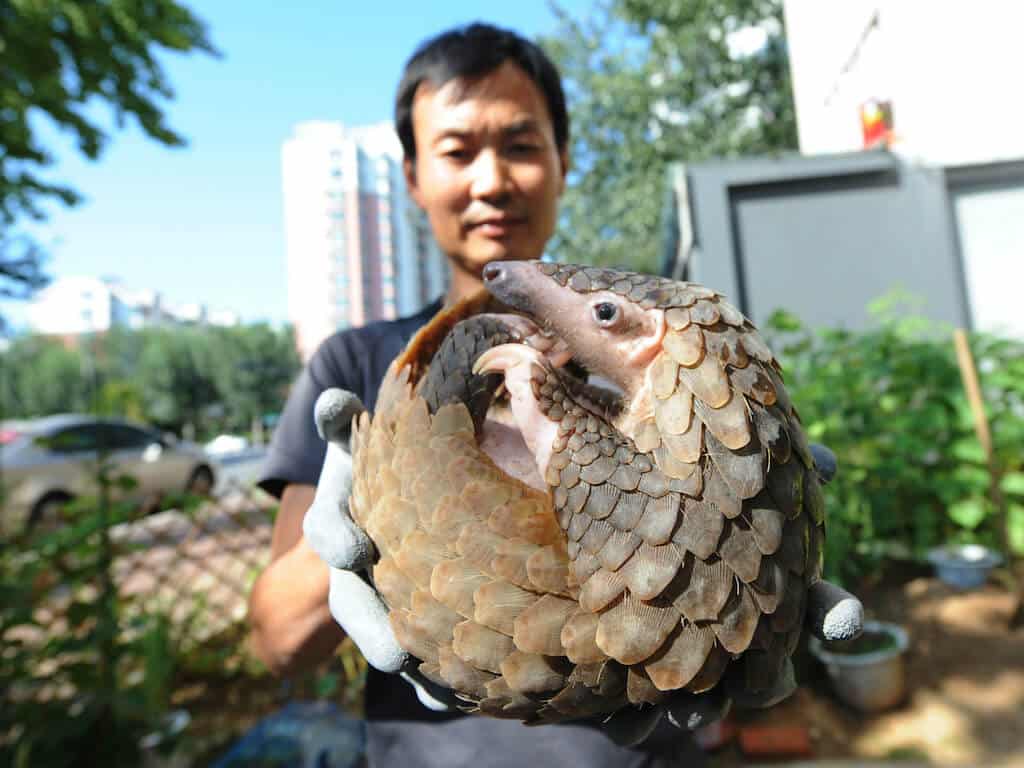
Kate Nustedt, our global wildlife director, said: “We commend China’s decision to impose a nationwide ban on wildlife trade in response to the deadly coronavirus outbreak. This ban will prevent the terrible suffering endured by millions upon millions of wild animals across the country.
Crucially, it will also put a stop to the horrific conditions that serve as such a lethal hotbed of disease. We hope that this courageous step is made permanent and extended to all wildlife imports and exports, to help prevent any future crises of this nature.
Wild animals belong in the wild. This wildlife trade ban by China will help keep them there.”
Protecting wild animals and people
The deadly coronavirus is believed to be the result of the transmission of the virus from snakes to humans. Captive reptiles are well-documented as carriers of pathogens, such as bacteria, parasites, and viruses, that can be transferred to humans.
Snakes that are sold at markets, like those reported in Wuhan province, have suffered horrendous conditions before they get there. They’ve either been captured in the wild, stuffed together in bags or small cages for transportation to the market, or intensively bred in ranches and farms where they are kept in overcrowded containers.
Either way, these conditions are incubators for the transmission of disease and the evolution of more virulent pathogens.