Posted on Leave a comment

Do Horses Like Humans?

Horses, fenbendazole, helmintazole, homelab

Do Horses Like Humans?

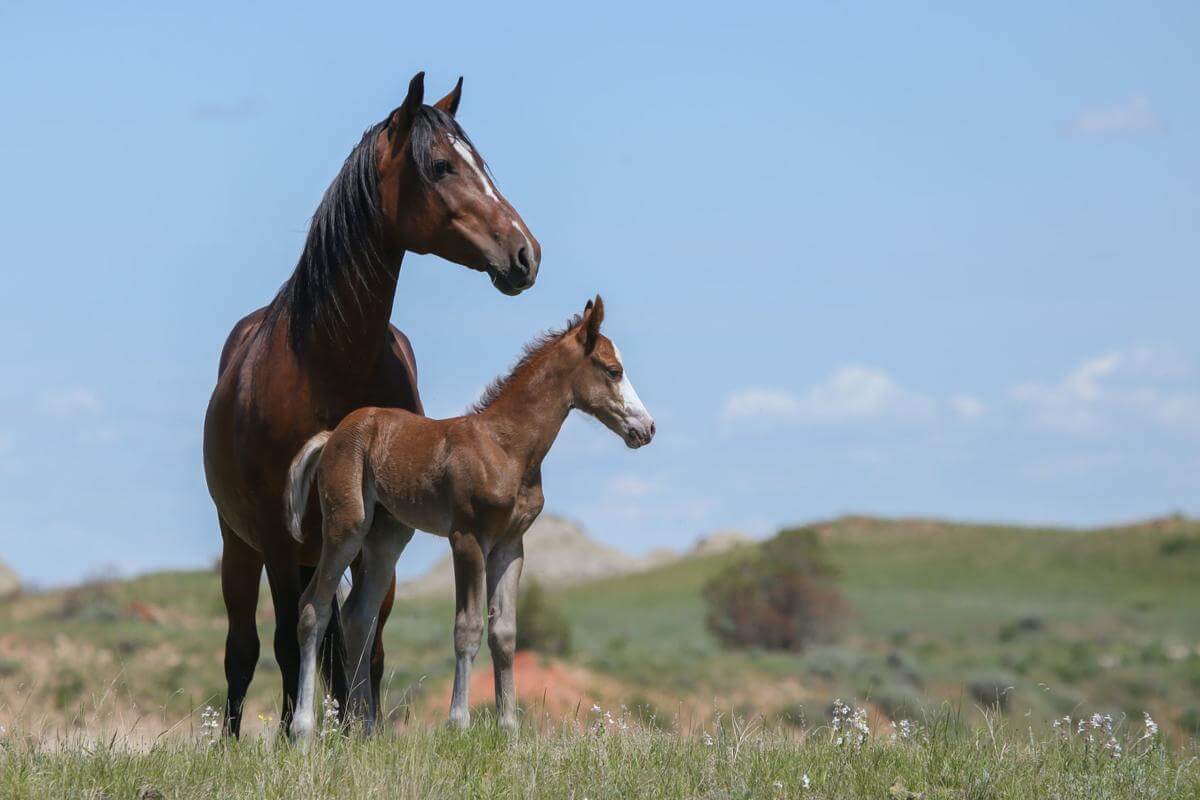
If you have ever owned or spent a lot of time riding with one particular horse, chances are good that you’ve felt some sort of special connection with them — and wondered if horses even like humans. Maybe you’ve felt like they were actually your friend, or a small part of your family, and wanted to know if the feeling was reciprocal. Research is now confirming that that connection isn’t all in your head — and anyone who has ever had a pet before, horse or not, definitely won’t be surprised at some of these recent findings. A new study shows that horses can actually understand and remember human emotions, which is something that makes them seem even more magical than they already did.

This is not the first time scientists have discovered something like this about these animals — previous studies have found that horses can recognize expressions. This new research, though, has found that the animals can not only recognize expressions but can also remember them and link them to a specific face. In other words, horses can recognize human faces and their emotional expressions, something that they then use to discern whether the person is a threat or not. 

This latest study was done by researchers at the universities of Sussex and Portsmouth and was published in the journal Current Biology. While it’s certainly not the first study down on horse behavior, it is the first one to find something like this. 

“We know that horses are socially intelligent animals, but this is the first time any mammal has been shown to have this particular ability,” Portsmouth research Leanne Proops said. “What’s very striking is that this happened after just briefly viewing a photograph of the person with a particular emotional expression — they did not have a strongly positive or negative experience with this person.”

The researchers came to this conclusion after a series of experiments where they showed domestic horses photographs of humans with either a happy or angry facial expression. Later, they showed the horses the people in the photographs, making neutral expressions. During the real life meeting, researchers watched the eye movements of the horses. They found that the horses saw those who had been photographed with angry faces to be more threatening (previous research has shown that horses look at negative or threatening things with their left eye). It’s important to note that the humans did not know which photographs the horses had seen before, which was done to eliminate the risk of the humans behaving differently.

Karen McComb, a professor at the University of Sussex, said in a news release, “What we’ve found is that horses can not only read human facial expressions, but they can also remember a person’s previous emotional state when they meet them later that day — and, crucially, that they adapt their behavior accordingly.”

This research is incredibly interesting for so many reasons. For one thing, it proves exactly how intelligent and emotional horses really are — that connection that you might feel with one of these magnificent mammals is a real thing. For another, it’s an important step toward learning more about these important animals, and maybe even animals in general. We still know so little about what goes on in the minds of some of our favorite animals, and this is one way to understand a little bit more about at least one of them.

In fact, this is more proof that horses may have more human-like behavior than you thought. Previous research has found that horses can deal with chronic stress, experience allergies, and even get the flu. Anyone who has spent a lot of time around horses may not find this type of research particularly surprising.
Posted on Leave a comment

Most common pig diseases worldwide

Most common pig diseases worldwide

Symptoms, treatments and preventative measures for the six most common diseases in pre-weaning, post-weaning and in breeding animals worldwide

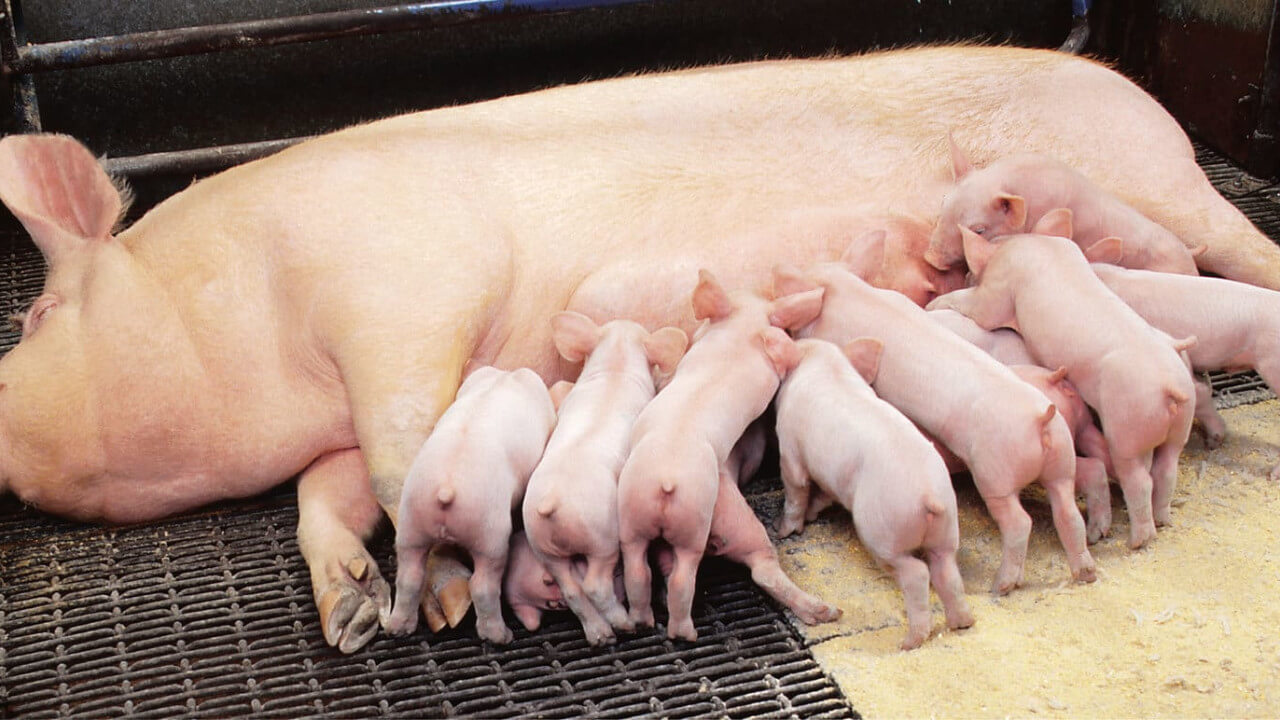
In order for pig producers to be successful, keeping their animals healthy is key. To do that, it is essential to know about diseases that may occur in the herd. All staff working with the pigs should be able to spot the symptoms of common diseases and alert the manager or veterinarian, as appropriate. Treating pigs quickly with suitable medication is the next step. Prevention is obviously better than cure, and having a herd health plan will help to minimize disease incidence. Information on two common diseases, in each of three stages of production (pre-weaning, growing-finishing, breeding), is provided below.

Pre-weaning period

1. Exudative dermatitis (greasy pig)

The symptoms of this disease are skin lesions, caused by an infection of the bacteria Staphlococcus hyicus. In severe cases, mortality can occur, as the bacteria damage the liver and kidneys. Lesions first present as dark areas of skin, which spread and become flaky with a greasy feel. Antibiotics are used to treat the infection, along with skin protectants; autogenous vaccines have also been used with success. Improving hygiene in piglet housing is key to preventing this condition, along with teat dipping of sows pre- and post-farrowing. It is also important to reduce the potential for skin abrasions, as this is how the infection enters the body. Abrasions are caused by rough floors, jagged teeth, sharp equipment or even mange mites bites.

2. Coccidiosis

This disease is very common in suckling piglets and is caused by three types of the intracellular parasite coccidia. It causes diarrhea, which can be bloody, often between 10 and 21 days of age and up to 15 weeks of age. Acute cases are treated with fluid therapy and coccidiostats. Secondary infections can result from damage to the intestinal wall. Depending on the level of occurrence on the farm, preventative treatment of sows with coccidiostats may be appropriate. Hygiene should be improved to end the cycle of infection; sow feces are a major source, and flies can spread infection. Providing a warm, dry, clean creep area will help to reduce the parasite load and the likelihood of coccidial infection.

Post-weaning period

3. Respiratory diseases

Coughing, sneezing, abdominal breathing, reduced growth rates and potentially mortality are all signs of respiratory disease. Depending on the cause, antibiotics may be given in feed, water or as an injectable. Poor ventilation or environmental conditions can exacerbate respiratory conditions. For example, high levels of ammonia can damage the respiratory tract, making pigs more susceptible to infection. Infective agents include Streptococcus suis and Pasteurella. Vaccines are available for some forms of pneumonia, although the strain affecting a farm should be identified to ensure a successful outcome. Pleuropneumonia, caused by Actinobacillus pleuropneumoniae, can result in significant mortality, and those that do recover have impaired growth rates and lung damage. Overcrowded and dusty housing are predisposing factors for respiratory disease, along with the presence of PRRS virus.

4. Swine dysentery

Animals with this disease suffer from diarrhea, with or without the presence of blood. It is caused by the bacteria Brachyspira hyodsenteriae. Growth rates of post-weaning pigs are reduced, and, in some cases, sudden death can occur. Antibiotics are used to treat the disease, either in feed, water or as an injectable. Reducing stocking density can be an effective way of reducing infection pressure and stress in the herd. As well as improving hygiene levels, rodent control is a high priority; rodents are a vector for this disease. The strategy for buying and introducing replacement stock should be reviewed, as this a major route of disease introduction.

Breeding stock

5. Mastitis

Reduced milk production, loss of appetite and a higher body temperature are symptoms of mastitis in sows. It is caused by a bacterial infection of the mammary glands, where skin discoloration can be seen. Antibiotics, along with anti-inflammatory drugs are effective treatments. Oxytocin may be used to encourage let down of milk and corticosteroids can be prescribed. Hygiene in farrowing housing is important, along with nutrition during late pregnancy to promote immunity. Stress can also be a factor, and it is important to make sure that teats are not being damaged by sow housing facilities. This disease has a significant effect on productivity because of the potential effect of reducing the number of piglets weaned by sows.

6. Porcine parvovirus

If pregnant sows become infected with parvovirus (PPV), reproductive disease can occur, but not in all cases. If it does, most commonly in gilts, reproductive performance is significantly affected. Mummification and stillbirths occur, resulting in small litter sizes. Other reproductive diseases have the same symptoms so accurate diagnosis is essential. Unusually, the virus can survive outside the host for several months, making it endemic in most herds. Although it is only during pregnancy that PPV is a problem, other pigs can spread the virus. There are no treatments available; in order to prevent this disease routine vaccination of gilts is advisable.

Conclusions

In terms of disease prevention, re-occurring themes include hygiene, ventilation and reducing stress. Pig producers need to provide an environment that is optimal for the animal and inhospitable for disease-causing agents. As well as reducing infection pressure, immunity must be promoted by measures such as optimal nutrition and good husbandry.

Prevention is obviously better than cure, and having a herd health plan will help to minimize disease incidence.

If your pigs need antibiotics, one of the very good treatment is Tylosin (Tyclosin), it can help in different situations… There are 2 different types of Tylosin: in powder and injection type.

Posted on Leave a comment

Best ways to improve broiler feed efficiency beyond nutrition

Best ways to improve broiler feed efficiency beyond nutrition

After the feed arrives at the farm, there are five pointers that will help improve feed efficiency in broilers.

Improving feed efficiency is usually associated with improved profitability. Most measures to improve this useful index of productivity are by balancing the ratio between energy and amino acids, and (or) by improving nutrient digestibility by a number of different means. But, the feed efficiency rate can be improved even after the feed is mixed and delivered at the farm. Here are five tips to ensure broilers take the most out of the feed they are given on any farm.

1. Avoid hot spots in feed silos

Molds consume valuable nutrients and produce mycotoxins. Moldy feed is not only unpalatable, but also toxic as well. Quite often, feed is delivered into silos that are never cleaned. In humid and warm climates, mold growth is easy to occur, and even in apparently empty silos, there are hot spots (patches of old moldy feed adhering to the inside surfaces of silos) that can serve as the leaven for the next batch of fresh feed. Adding a mycotoxin binder and a mold inhibitor is not enough. Silos must be periodically inspected and cleaned thoroughly. Usual dosage rates recommended for mycotoxins in feed do not take into account this issue, which can be quite serious under unfavorable conditions.

A factor that greatly enhances feed efficiency is the correct placement of drinkers close to the feeders, but not so close as to cause feed spoilage.

2. Use feeders that don’t waste feed

It might appear obvious to buy feeders that minimize feed wastage, but low-cost is always an alluring factor that quite often makes us buy something less efficient in the long-run. Feeders should also be managed (cleaning, placement, distances, number of birds per feeder, etc.) so that feed consumption is neither an opportunity to beat boredom nor a hurried fight to eat. Quite often a factor that greatly enhances feed efficiency is the correct placement of drinkers close to the feeders, but not so close as to cause feed spoilage.

3. Lights on and off

It has been suggested that a constant lighting program (such as 23 hours light and 1 hour darkness) might not be the best in terms of feed digestibility. Under constant lighting, birds tend to overconsume feed, which tends to increase feed rate passage. Given that birds are fed at or near maximum genetic potential levels, this extra feed they consume has limited time to interact with digestive enzymes, resulting in reduced feed digestibility. In contrast, a lights-on, lights-off program (for example, 1 hour light, 1 hour darkness, and so on) allows birds to fully digest their feed while resting (which also improves feed efficiency as birds do not walk aimlessly all day), and gives them enough time to “refill” during light hours. The only problem with this system is that there should be enough feeding spaces for all birds to eat simultaneously, something that requires careful pre-placement feeder management.

4. Avoid heavy body weight at market age

If you need to attain a certain market age or market weight, then you should probably follow the guidelines of your contracting partner. But, if you sell on the open market, it pays to keep in mind that feed efficiency becomes a bit worse with each day the birds age. This is mostly due to the fact that birds have a greater body mass to maintain each day — and maintenance requires both energy and amino acids. So, finding the minimum weight per bird that is acceptable will also minimize feed efficiency. Of course, this does not necessarily mean maximal profitability, and to this end, other parameters should be consulted: cost per weight gain, or weight gain per given floor surface, etc.

5. Keep birds healthy

One more obvious observation, but it is always worth repeating: sick birds do not grow, and if they do not grow, feed efficiency is never ideal. Sick or subclinical affected birds don’t eat as much as healthy birds, and what they eat usually goes to fighting off the disease. In addition, they might even break down muscle proteins, which reduces their body weight, making feed efficiency the worst possible. In contrast, healthy birds, especially those with a very healthy digestive system, will utilize nutrients in the feed at maximal efficiency. Perhaps subclinical diseases are the worst “robbers” of feed efficiency points, if only because they go unnoticed, whereas we investigate anything else that might have caused this drop in performance.

Conclusion

Obviously, not all of the above pointers are applicable in every single farm. But, even if one point is taken into consideration and feed efficiency improves by a bit, it means increased profitability, especially since all of the above are routine management measures.


Posted on Leave a comment

Why Do Chickens Stop Laying Eggs? Reasons Hens Stop Laying Eggs

why chickens stop laying eggs

It can be quite alarming when a poultry owner gets a consistent five eggs, daily, from five hens, only to find just one egg for a few days. This sudden drop in egg-laying takes us all into detective mode – are they hiding the eggs? Are they sick? 

Below you’ll find some of the most common reasons for decreased egg production to put your mind at ease and hopefully get your girls laying consistently again.

Why do hens stop laying eggs?

  1. Molt. At 15-18 months of age, and every year thereafter, chickens will replace their feathers. Feathers will fall out to make room for new feather growth. During this time, hens will stop laying eggs. 
  2. Lighting. Chickens need about 15-16 hours of light per day to produce eggs. The first year, most laying breeds will lay through the winter without artificial lighting.
  3. Too many goodies. Think of kids, if you unleashed your kids at a buffet, and told them they could get whatever they want, most would load up at the dessert table. Your girls will do the same thing, filling up on bread, table scraps etc. they may not be getting what they need to produce eggs. This is usually a slowdown, more than a stoppage.
  4. Too much lovin’. One rooster can easily handle 12-18 hens. If this ratio is too low, he will overmount the girls and bare patches will appear on their backs and the backs of their heads. This stress can drop them out of production.
  5. Dehydration. It doesn’t take much water deprivation, especially in hot weather, to take your hens right out of production. Many times alpha hens will not allow submissive hens (bottom of the pecking order) to drink. They are attempting to “vote them off the island”, but the first thing that will happen is an egg stoppage. We recommend adding water stations during warm weather. 
  6. Any undue stress. Maybe the coop is secure, but they are still being harassed by raccoons, neighbor’s dogs, or other predators.
  7. Egg eating by the hens, or theft by 2 or 4 legged scoundrels! They may be laying, but the wrong critter is getting the eggs. Believe it or not, human egg-stealing is more common than people think – I’ve even seen it on a game camera.
  8. Change in the pecking order. Adding new hens, a new rooster or removing a hen can cause a power void and/or drama. Drama=stress=egg production drop
  9. Illnesses/parasites. The reasons above may likely be the cause but parasites or illness can also cause stress on a hen.

If the reason is parasites or worms, you should buy a dewormer such as Helmintazole or Panacur with active ingredient Fenbendazole, also you can buy a Tylosin or Tyclosin – this treatment is very good for chicken treatment.

Posted on Leave a comment

Animal dewormers and their types

Helmintazole 500mg capsules Fenbendazol panacur for dog

Dewormers and their types

Deworming (sometimes known as wormingdrenching, or “dehelmintization”) is the giving of an anthelmintic drug (a wormerdewormer, or drench) to a human or animal to rid them of helminths parasites, such as roundworm, flukes, and tapeworm. Purge dewormers for use in livestock can be formulated as a feed supplement that is eaten, a paste or gel that is deposited at the back of the animal’s mouth, a liquid drench given orally, an injectable, or as a pour-on which can be applied to the animal’s top line. In dogs and cats, purge dewormers come in many forms including a granular form to be added to food, pill form, chew tablets, and liquid suspensions.

Horses are most often dewormed with a paste or gel placed on the back of the animal’s mouth via a dosing syringe; feed dewormers are also used, both single-dose varieties and in a daily, “continuous” feed form. Deworming (drenching) a sheep is usually done with a specific drenching gun that squirts an anthelmintic into the sheep’s throat.

The Centers for Disease Control and Prevention recommends deworming treatments at 2, 4, 6, and 8 weeks of age for puppies, as well as concurrent treatments given to the mother to eliminate reactivated larvae and prevent horizontal transmission from puppies that may be shedding roundworm and hookworm eggs.[

They also recommend deworming treatments at 3, 5, 7, and 9 weeks of age for kittens and the mother.

Additionally, the Companion Animal Parasite Council (CAPC) further recommends quarterly treatments for all adult dogs and cats, depending on animal health and lifestyle factors.

When choosing a dewormer for dogs, you need to know what type of worms your dog has. You can purchase a dewormer for specific types of worms, or you can choose a broad-spectrum product. Dewormers for dogs come in several forms including tablets, granules, powders, and liquids, so talk to your veterinarian about the option that is best for your dog. Once you know what kind of dewormer you need, take a look at our top picks for the best dewormer for dogs. Best dog dewormer overall: Helmintazole 200, Helmintazole 222, and Helmintazole 500 PRO it is the same dewormer as Panacur C or Safe Guard with the same main ingredient Fenbendazole.

You can buy these dewormers at Homelabvet shop.

Posted on Leave a comment

What is the animal welfare?

Animal welfare 

means how an animal is coping with the conditions in which it lives. An animal is in a good state of welfare if (as indicated by scientific evidence) it is healthy, comfortable, well-nourished, safe, able to express innate behavior, and if it is not suffering from unpleasant states such as pain, fear, and distress. Good animal welfare requires disease prevention and veterinary treatment, appropriate shelter, management, nutrition, humane handling, and humane slaughter. Animal welfare refers to the state of the animal; the treatment that an animal receives is covered by other terms such as animal care, animal husbandry, and humane treatment.1 Protecting an animal’s welfare means providing for its physical and mental needs.

Ensuring animal welfare is a human responsibility that includes consideration for all aspects of animal well-being, including proper housing, management, nutrition, disease prevention and treatment, responsible care, humane handling, and, when necessary, humane euthanasia.

There are numerous perspectives on animal welfare that are influenced by a person’s values and experiences. There are also various means of measuring animal welfare, including (but not limited to) health, productivity, behavior, and physiological responses.

The American Veterinary Medical Association has defined its commitment to animal welfare through the adoption of the following Animal Welfare Principles that serves as guidance when the Association develops policies and takes action to ensure the welfare of animals:

The AVMA, as a medical authority for the health and welfare of animals, offers the following eight integrated principles for developing and evaluating animal welfare policies, resolutions, and actions.

  • The responsible use of animals for human purposes, such as companionship, food, fiber, recreation, work, education, exhibition, and research conducted for the benefit of both humans and animals, is consistent with the Veterinarian’s Oath.
  • Decisions regarding animal care, use, and welfare shall be made by balancing scientific knowledge and professional judgment with consideration of ethical and societal values.
  • Animals must be provided water, food, proper handling, health care, and an environment appropriate to their care and use, with thoughtful consideration for their species-typical biology and behavior.
  • Animals should be cared for in ways that minimize fear, pain, stress, and suffering.
  • Procedures related to animal housing, management, care, and use should be continuously evaluated, and when indicated, refined or replaced.
  • Conservation and management of animal populations should be humane, socially responsible, and scientifically prudent.
  • Animals shall be treated with respect and dignity throughout their lives and, when necessary, provided a humane death.
  • The veterinary profession shall continually strive to improve animal health and welfare through scientific research, education, collaboration, advocacy, and the development of legislation and regulations.

If you want your animal never had a worm you should give them anthelmintic treatment – one of the best is Fenbendazole, Helmintazole.

If you want to buy Fenbendazole (Helmintazole…) online, you can buy it at Homelabvet.com, there are a lot of different types of Fenbendazole with different dosages.

Posted on Leave a comment

Albendazole – the most reliable remedy for worms

Dewormer for cat online shop

Often parasitic worms can infect cats and dogs that eat raw fish, meat, food from a dustbin, and other trash. Animals that spend a lot of time on the streets are also likely to become infected with worms. All pet owners know. “What do I do now?” You can ask. Our shop offers several remedies to treat worm. Albendazole is precisely the main exit to the drug. Let’s see what it is, and why Albendazole is the first choice.

brief information

Albendazole is a drug used for treatment of helminth. It is useful for giardiasis, tricuriasis, filariasis, and ascariasis and other diseases that are caused by parasites. Albendazole was developed in 1975 and is on the list of essential medicines of the World Health Organization. The medicament is intended for oral administration.

How they are infected

German shepherd puppies slightly behind in growth. The body was thin, his head looked too big. But the owner was not worried – the mother of the puppies spent the entire pregnancy in the outdoors, walking a lot, so why be weak? The owner knew I had to give anthelmintics, but as often happens – lost in other concerns. The owner remembered deworming a week before vaccination. She bought suspensions for puppies and tablets by her mother in veterinary pharmacy. Each received a portion of the morning before lunch. And in the evening one of the puppies began to vomit, only to be followed shortly by the second.Something yellow-white long was wiggling into a puddle on the floor. The owner was horrified.

It is unlikely that a pet owner who want to discover something like that . For some reason, everyone thinks it will not affect. This kind of self-complacency is both irrational and dangerous. There are about ten roundworms (nematodes), which affects our cats and dogs. Many of them are very widespread in our country. The best known of all are Toxocara and toksakaris, causing toxocariasis and toxascaridosis. They are involved when talking of worms. They seem to be the same – yellowish white, like a worm, with sharp points. The sample length adult varies from 16 to 18 cm.

Most of his life, adult parasites pass in the upper small intestine. Both nematode species do not adhere to the intestinal wall. In order to stay in his favorite place, they are forced to move continuously against the contraction of the intestine. While dying, worms pass through the intestines and are simply digested by digestive enzymes. Therefore, it is almost impossible to see them in the stool.

What are the outward signs of worms in dogs and cats

separate fragments or whole segments of worms can be found in the stool or wool around the anus. Animals “rides” the bottom. The general condition worsens, there is a lack or an increase in appetite, difficulty swallowing or pain, hair loss, chronic cough. There may be alternating constipation and diarrhea, occasional vomiting.

Note that the symptoms of worm infection are often similar to the effects that occur in most infectious and noninfectious diseases, so for an accurate diagnosis, it is necessary to contact a veterinarian.

How to get rid of worms in animals

There are many different solutions. Albendazole is the most reliable of them all – pay attention to the type of animal that is giving the medicine. Before giving the preparation, the animal should be weighted. Carefully read the instructions on the site and always adhere to the dose!

Albendazole is designed for all types of worms, round and ribbonlike.

In severe cases of worm infection, anthelmintics should only be used under the supervision of a veterinarian.

High efficiency is achieved for the treatment of nematodes, tapeworms. The drug is used for both poly- and mono-invasions.

At the same time, too frequent and unjustifiable use of anthelmintics can damage the immune system and liver. Do not be swayed by frequent use.

Dosage:

Albendazole is used in veterinary medicine. The dosage is selected taking into account the type of animal and its weight:

for the animals

dogs and cats – 0.25 g / 8 kg;

cattle – 0.5 g / 50 kg;

small livestock – 0.5 g / 80 kg;

birds – 0.5 g / 50 kg;

pigs – 0.5 g / 40 kg;

horses – 0.5 g / 100 kg.

See detailed instructions on using albendazole for animals.

Contraindications

The medicine is not recommended if you are hypersensitive to its components. Do not take albendazole during pregnancy and lactation.

Between treatment cycles needed to support a space of at least two weeks, otherwise are possible undesirable consequences.

There are a large number of albendazole sellers on the pet market, one of the quality sellers is Homelab. Albendahelm 500 with active ingredient Albendazole 500. You can buy it and other quality veterinary medicine at Homelabvet.com.

analogs

Albendazole belongs to the group of benzimidazoles. Therefore, the main analogs for humans are mebendazole and thiabendazole. Other anthelmintic agents of this group (fenbendazole, oxfendazole) are only used in veterinary medicine as greater toxicity.

How often must worming cats

To prevent infection, anthelmintics are given from once to twice a year to once every 4 months, depending on the situation. A high risk of infection, for example, when feeding raw meat or offal, fish, eating garbage, or feces on the street – worming can be done once every 3 months.

It is necessary to carry out deworming before vaccination if the last preventive deworming was more than 4-6 months ago.

Can humans get worms cats

82 helminth species recorded in the animals, 32 can parasitize humans. Worms are very easily passed when a person’s hygiene standards are not respected. Cats and dogs are most often infected with toxocariasis, dipylidiasis, toxascaridosis, and hookworms. Three of the aforementioned types of worms are dangerous to humans.

To prevent infection, strictly follow the rules of personal hygiene, do not let animals lick on the face, be sure to wash your hands after contact with animals.