has found that machine learning has the potential to improve veterinary surgeons’s ability to diagnose herd mastitis origins accurately and reduce mastitis levels on dairy farms.
The study, which was led by Robert Hyde MRCVS from the School of Veterinary Medicine and Science at the University of Nottingham, aims to create an automated diagnostic support tool for the diagnosis of herd-level mastitis origin, an essential first step of the AHDB mastitis control plan.
Mastitis data from 1,000 herds’ was inputted for several three-month periods. Machine learning algorithms were used to classify herd mastitis origin and compared with expert diagnosis by a specialist vet.
The machine learning algorithms were able to achieve a classification accuracy of 98% for environmental vs contagious mastitis, and 78% accuracy was achieved for the classification of lactation vs dry period environmental mastitis when compared with expert veterinary diagnosis.
Robert said: “Mastitis is a huge problem for dairy farmers, both economically and in welfare terms. In our study we have shown that machine learning algorithms can accurately diagnose the origin of this condition on dairy farms. A diagnostic tool of this kind has great potential in the industry to tackle this condition and to assist veterinary clinicians in making a rapid diagnosis of mastitis origin at herd level in order to promptly implement control measures for an extremely damaging disease in terms of animal health, productivity, welfare and antimicrobial use.”
Most shelter workers have heard of the magic known as fenbendazole – is one of my favorite antiparasitic-and is a great drug for many reasons. It is generally considered a safe drug, toxicity occurs only in overdose 100x and exotic species. Fenbendazole is not systemically absorbed and more than 50% out of the animal feces. It should be administered for at least 3 days to kill parasites, as it has to stop cell division for some time before it becomes fatal to the parasite.
Fenbendazole is labeled for use in cows, horses, pigs and dogs; but it has also been used in cats, sheep, birds, reptiles and fish. It is marked to kill roundworms, hookworms, whipworms and tapeworms some, but is not effective against the most common tapeworms, and therefore should not be relied upon to kill the tapes. increased use of fenbendazole in shelters is to kill whipworms, Giardia, and lungworms.
Fun fact: In the treatment of whipworm (Trichuris Vulpis) You may have heard of the rule of 3, try for three days, then repeat a course of three days in three weeks and again at three months. It is an easy treatment regimen and commonly recited, but did you know there is actually a scientific reason not to try this way know? Whipworm takes 3 months to mature from an egg to an adult. If you kill adults on day 1, then three weeks later there will be some immature adults who have matured, but you still have eggs and larvae of worms present. Wait up to 3 months and then try again, and do not bother with the treatment of three weeks.
Fenbendazole (carbamate 5-phenyl-thio-2-benzimidazole) has a broad spectrum of effects and cestocidal nematocides, is active against adult forms, larvae and eggs of gastrointestinal and lung and cestode parasites in animals. The mechanism of action of fenbendazole is the destruction of microtubules in cells of intestinal worms and disruption of energy processes, leading to the death of the parasites. When administered orally, fenbendazole is easily absorbed in the intestine and is distributed in organs and tissues of the animal; excreted from the body in unaltered form and as metabolites, mainly in the bile and urine partially in animals also varnished milk.
Young cattle, sheep, goats, horses, pigs, dogs and cats are prescribed for therapeutic and prophylactic purposes in the case of: – nematodes; – cestodoses.
Enter the animals once, by force to the root of the tongue in the following doses. Young cattle monieziosis – 150 mg per 15 kg of animal body weight; with dictyocaulosis, hemonkhoze, Bunostomiasis, esophagostomosis, nematodirosis, ostertagiasis, habertiosis, cooperiosis and strongyloidiasis – 150 mg per 20 kg of animal weight. Sheep and goats with moniesiosis – 150 mg per 15 kg of animal body weight; if dictyocaulosis, hemonhose, bunostomiasis, esophagostomiasis, nematodirosis, ostertagiasis, trichostrongiloidosis, habertiosis, cooperiosis, strongyloidiasis – 150 mg per 30 kg of animal weight. Foals with parascariasis strongyles and – 150 mg per 15 kg of animal weight. Piglet with ascariasis, esophagostomiasis, strongyloidiasis, trichocephalosis, metastrongyloidosis – 150 mg per 30 kg of animal weight. Adult dogs and cats toxocariasis, Toxascaris, ankilostomiasis, Uncinaria, dipilidiosis, taeniasis – 150 mg per 1.5 kg of animal weight. Puppies and kittens (more than 3 weeks old) with toxocariasis toxascaridoz, ancylostomiasis, uncinariosis, dipilidiosis and taeniasis 1 time/day for 3 days in a row in a single dose of 150 mg per 3 kg animal weight. A special diet and use laxatives before deworming is required.
Fenbendazole 222 Helmintazole
Side effects
Side effects and complications in the use of fenbendazole in accordance with the indications and dosing regimen generally not observed. With increased individual sensitivity of the animal to fenbendazole and allergic reactions, drug use stops. Overdose symptoms in animals have not been identified.
Contraindications to the use of drug Fenbendazole
– Individual animal hypersensitivity to fenbendazole. Do not use the medicine: – animals exhausted and suffering from infectious diseases; – Puppies and kittens under 3 weeks of age.
Simultaneous use with bromsalanflucicides is not recommended, as in cattle with this interaction, there were cases of abortion and death in sheep. Slaughter of animals for meat is permitted no earlier than 14 days after deworming. In the case of the forced slaughter of a predetermined period, the meat can be used as food for carnivores or for the production of meat and bone. Milk of dairy animals to be used for food purposes within 3 days after worming is prohibited. The milk obtained earlier than the prescribed period may be used after heat treatment as animal feed. No smoking, drinking or eating food while working with the drug. At the end of the work, wash hands with soap and warm water.
You can buy a lot of different quality products with an active ingredient Fenbendazole at Homelabvet site.
Researchers at Monash University found Ivermectin can kills COVID-19 cells
The anti-parasite drug killed off the cells within two days and is widely available
Scientists are moving towards human trials but expect it to be at least a month
An anti-parasitic head lice drug – Ivermectin available around the world has been found to kill COVID-19 in the lab within 48 hours.
A Monash University-led study has shown a single dose of the drug Ivermectin could stop the SARS-CoV-2 virus growing in cell culture.
‘We found that even a single dose could essentially remove all viral RNA (effectively removed all genetic material of the virus) by 48 hours and that even at 24 hours there was a really significant reduction in it,’ Monash Biomedicine Discovery Institute’s Dr Kylie Wagstaff said on Friday.
While it’s not known how Ivermectin works on the virus, the drug likely stops the virus dampening the host cells’ ability to clear it.
The next step is for scientists to determine the correct human dosage, to make sure the level used in vitro is safe for humans.
‘In times when we’re having a global pandemic and there isn’t an approved treatment, if we had a compound that was already available around the world then that might help people sooner, Dr Wagstaff said.
‘Realistically it’s going to be a while before a vaccine is broadly available.’
Scientists expect it could be at least a month before human trials.
Before Ivermectin can be used to combat coronavirus, funding is needed to get it to pre-clinical testing and clinical trials.
Ivermectin is an FDA-approved anti-parasitic drug also shown to be effective in vitro against viruses including HIV, dengue and influenza.
The study is the joint work of Monash Biomedicine Discovery Institute (MBDI) and the Peter Doherty Institute of Infection and Immunity.
The study findings have been published in Antiviral Research.
Ivermectin is used to treat head lice, scabies, and river blindness and is widely available.
You can buy different types of quality Ivermectin of different brands at Homelabvet, you can buy the drug in powder, in tablets, in oral or injectable solution.
Freelancer journalist makes a personal little research about how and from what countries people search about COVID-19 treatment, so the popular words of searches are farmaco ivermectin, ivermectin coronavirus australia, antiviral research, antiviral research ivermectin,ivermectina covid, monash university, monash university covid, ivermectin comprar, farmaco coronavirus, ivermectina covid 19, messaggero, ivermectina comprar, ivermectin, who makes ivermectin, ivermectin kills covid, ivermectin SARS cov 2, ivermectin y coronavirus, cura coronavirus, ivermectina compresse, ivermectina nombre comercial, biomedicine discovery institute and etc…
As we can see by this research language the most searches are made from Italy and US.
For example, if you need you can buy different products with this main ingredient:
The varroa mites or Varroa destructor is an external parasite that’s endangering the honeybee colonies all over the globe. It was reported to be first seen in North Carolina in 1990. It was only three ago that its existence was made known to the united states. The mite weakens the bees by sucking on their fat bodies and because of their infestation, many honeybee colonies were wiped out. In the state of North Carolina, the recorded loss suggests a loss of 44 per cent of these honeybee colonies ever since the invasion. Hence, this makes it extremely important to understand the biology and workings of the varroa mites along with some effective control measures.
The biology of varroa mites.
Being external parasites, the varroa mites attack both the adult honeybees and their larvae that are still developing. The adult mites are oval and flattened in shape. They have reddish-brown coloring. Dimension wise they are 0.06 inches in width, almost as small as the size of a pinhead. The female mites enter the cell of the developing honeybee larvae to deposit a maximum of 6 eggs inside of it. As the mite develops it feeds on the pupae of the bee. If they are more mites predating on the pupae, more is the chance of the honeybee larvae dying or getting deformed. Sometimes they may not show any visual effects. The female mites of the bee larvae cell die but the male then continues to climb into the adult worker bees to feed on their hemolymph or the bee blood. The same cycle is repeated over and over by the female mites repeatedly. The male mites prefer the drone larvae instead of the worker bee larvae. But both the larvae stand at the danger of infestation is immediate control measures are not taken.
There are many indirect ways in which the mites can harm the honeybees and their colonies. Apart from feeding on the larvae bees and the adult one, these mites are a vector for many kinds of viruses that are fatal for the honeybees. the viral infection weakens the bee’s immune system and makes them prone to a condition known as parasitic mite syndrome which is deadly enough to kill an entire honeybee colony within a few months of infestation.
Methods of varroa mite detectionfor further varroa mite treatment.
Varroa destructor
Most of the varroa mite infection occurs in the months embarking late summer or fall seasons. It is complex to identify a honeybee colony with an excess of mite invasion. For this reason, it is important that bee sampling is done for the estimation of the extent to which the infestation has spread. There are several different methods through which the estimation can be done. They are as follows:
The sugar shake method: through this technique the mite prevalence in the colony is estimated. Which means the results of the percentage of the adult bees suffering from the infestation are counted.
The following procedure is followed:
1. a transparent one-pint jar with a lid with 1/8-inch hardware cloth or any other kind of mesh is taken.
2. 200 adult bees are brushed or shook from a frame with an emerging brood on the inside of the jar or the container
3. the jar lid is closed and 2 or 3 tablespoons of 6x powdered sugar is added through the mesh section of the lid.
4. the jar or container is set aside for a few minutes to get the bees fully covered with the powdered sugar.
5. the mites are dislodged, if present onto a flattened surface after the jar is shaken a few times. It is important to note that the bees now covered in sugar do not die and can be returned to their colony. It more than ten motes are found per batch of 200 bees, there is an infestation. This means that the necessary measure should be immediately taken. The mites can be viewed in more detail with the help of a magnifying glass.
The sticky board method: for the estimation of total mite load on the colony or the total number of mites present in the hives.
Here’s a simple tutorial on how to count the total mite load in a colony:
1. a sticky can easily be purchased from any beekeeping object retailer or company. The board comes with an adhesive material and a grid for sampling purposes. If it is hard to purchase a sticky board in your area, one can do it themselves with a stiff sheet of paper and some sticky material.
2. the upper surface is then sprayed with an aerosol spray or for the homemade board, a very thin layer of petroleum jelly is applied.
3. the board is placed between two mesh covers so that one mesh is on the top and the other is at the bottom of it. this is done to ensure that the subjected do no stick to the sticky surface of the board.
4. the board is placed on the lower level of the beehive. After a while, a considerable number of mites, if present will begin to fall on the board, sticking to it.
5. the board is extracted after twenty-four hours to count the mite count. In case the number of mites present on the board exceeds the count of 60 or 190 depending on the size of the colony. The necessary control measures are taken.
Using the alcohol wash: this method is quite like the sugar roll method.
Here is how it’s done in a few simple steps:
1. in a transparent jar measuring a pint, rubbing alcohol is poured up to 2 inches.
2. 200 adult honeybees are brushed in it from a frame with an emerging brood.
3. the container is school vigorously for a minimum span of 30 seconds. The container is then taken in for examination and estimation of the sunken mites at the bottom of the jar. If more than ten mites are found then the bee colony is infested needing immediate measures.
Drone brooding inspection technique: this is a less reliable method. As it cannot give an acute estimation of the mite infestation in the colony. But this is a good enough method to determine the degree of varroa mites present.
1. the drone brood located on the periphery of the hive is selected.
2. cells are uncapped for pupae removal
3. the adult varroa mites if present is closely inspected. In case there is more than 10 per cent of drones than are infested then the colony should be declared infested, needing immediate control.
Борьба с заражением клещами Varroa (рекомендация Homelab Veterinary)
Controlling Varroa mite infestation
Many beekeepers still practice the traditional method of varroa mite control. One of that is to hanging plastic strips covered in pesticide in between beehives. However, these methods have proven to be less and less effective against the infestation over the years. The mites are evolving rapidly and developing resistances against such chemicals and other forms of treatments. There was a need to come up with better and more effective techniques to fight these mites. The methods as mentioned below are either structural or mechanical. Several changes are made to the hives and the resistant stronger mites. Bio pesticide is a very useful weapon against such parasitic attacks, and much more environmentally friendly than using a harmful synthetic material.
Mechanical control
These methods are simply intended to bring some changes to the management methods of the honeybee hives. The main advantage of doing this is that these methods are completely chemical-free and poses no threat to the bees in the hive. Neither do they interrupt the regular process of honey production and collection? These tasks are more labor intensive requiring better equipment.
1. screened bottom boards: this method is proven and tested one. replacing the wooden bottom of the beehive with the screen that’s meshed or any other less solid surface. After using this technique, the studies report a considerable decrease in the number of mites. The complete reason behind remains unclear but it is suggested that better ventilation might the cause of this mite reduction.
2. drone brood trapping: as mentioned earlier, varroa mites feed on the drone larvae lymph making holes in the pupae of the honeybees. the cause of this is that the drones are relatively larger and take more time to develop. This allows the female mites to lay more eggs inside the larvae. This preference by the mites over drone bee larvae is taken advantage of. Combs with drone sized cells are placed suggestively in the hives. They attract the mites away from the hives. The control drones are then removed after mites emerge from the cells.
Inert dust: adult mites instead of travelling all over the hive with their phalanges, clinging at the back of the adult bees as transportation means. It is understandable that on covering the bees with any slippery material such as talc powder or powdered sugar will make the clinging mites to lose their grips. This is a labor-intensive technique and causes visible disturbances in the bee colonies. The only advantage being this method is devoid of the use of chemical pesticides.
Stocks of bees that are tolerant of varroa mites.
Mite treatment for bees
Advancements in biogenetics of honeybees have shown exciting and positive results at creating a batch of bees resistant to varroa mites. Scientists have worked rigorously over the years to develop mite-resistant bees. the complete understanding of this works is still vague but it is believed that the physiological and behavioral changes exhibited by these bees contribute towards their tolerance to these varroa mites. Many strains of bees known today are building mechanisms to drive the mites out of their colonies.
The Russian strain: the USDA honeybee research lab located in Baton Rouge in Louisiana, has imported a very specific Russian strain of honeybees from Primorsky which is the extreme eastern region of Russia. These Russian honeybees are known for their amazing habits of coexisting with the parasitic varroa mites. The specific species showing this biotic relation is a strain of sister honeybees called the Apis cerana. The evolution happed as the bees were exposed to the mites for a very long period which would have helped them to develop some resistance for the mites. Research suggests the Russian bees are two times more resistant than the common commercial species. They also show a considerable amount of resistance to the tracheal mites, even so, the reason behind the phenomenon remains unclear. The stronger strains are now commercially available in many regions of the united states of America after they undergo a special quarantine period.
The VSH stock of honeybees: the artificial insemination and classical breeding techniques have allowed the researchers at USDA to choose a high varroa mite resistant strain of honeybees. the bees are equipped to detect mite infestation in the cells of the developing bee pupae. They can extract the mites even before they develop completely. The stock was crossed with the commercially available bees for the integration of the stronger trains into different strains lacking it.
Biopesticides:
Can be defined as the resistant method naturally present in some strains of bees or the by-products. Many of which have proved to be useful in controlling varroa mite infestation. These pesticides are as efficient as their chemical synthetic counterparts. But these biopesticides have different production and action periods. This is an important topic of research for many bee sustenance and improvement laboratories globally.
1.Apilife VAR®, is a combination of essential oils such as thymol, eucalyptol and menthol. The product was approved by the US environment protection agency or EPA. The state of North Carolina has been using the product ever since to control infestation from both varroa destructor and tracheal mites. This product is proven to be 97 per cent effective for causing mite death. The product comes in the form of a vermiculite tablet. The tablet is broken into four pieces to be placed in all the four areas of a beehive. The pieces are wrapped with mesh material to prevent the chances of the bees chewing them. The tablets are used every week for a total period of three weeks. The tablet’s functions at a very specific temperature ranges of 60 degrees to 90-degrees. the product can also be fatal for the bees hence it is best to use during the fall season which has the minimum amount of brooding activity. Apilife VAR®. is an organic form of pesticide however there are some restrictions on its use. It can only be purchased by people who own the NC pesticide applicators license.
2. Formic acid: after the permission was granted by the EPA to use formic acid to control varroa mite infestation in bee colonies, this method has become popular among the breeders belonging to Canada or the united states of America. There different ways of using this organic pesticide, such as pads soaked in liquid formic acid. It is advised to not use the product during honey production. Formic acid to be useful needs to have a specific temperature range between 50 degrees to 79-degrees. small colonies are often seen to be overwhelmed by the formic acid fumes. The product is highly corrosive to human beings, hence appropriate care should be taken during its application.
Chemical treatments with synthetic pesticides.
This is a traditional method of controlling varroa mite infestation is colonies of honeybees. these are truly very effective to help decrease the count of motes but there are chances that the mites can develop resistance towards such chemicals.
1. Amitraz Plus Strips: a comparatively new product in the market of pesticides. It used the chemical called amitraz to practice mite control in beehives. It works similarly as its fellow counterpart apistan.
Amitraz strips
2.Apistan®.is one of the earliest pesticides to be used for this purpose and it is registered as a by the EPA for varroa mite control. The chemical was sold in strips of plastic containing active pesticide. The strips are then hung so that they are in between two hive frames outside of the brooding nest. The product is a very strong pesticide and can get rid of varroa mites with 100 per cent effectivity of used with care.
3.Checkmite+®. This falls under the section 18 emergency category of pesticide for mite control. Quite like apistan, it comes in a plastic bag. There have been registered cases of mites developing against such products.
4.Amipol T (amitraz and thymol) is a honey bee treatment made specially to treat against Varroa Mites and the diseases they carry. This treatment is effectively carried out in the spring and autumn months when there is no brood and in bee colonies.
5. Antivaro Strips flumethrin (Flumethrinum) destroys up to 99.9% of all ticks in the hive. – The preparation is a thin wood strip impregnated with an active substance flumethrinum. – Flumetrin is a synthetic pyrethroid with a contact acaricidal effect against the Varroa destructor (formerly Varroa jacobsoni), which does not have harmful effects on bees, queens, larvae.
6. Oxalic acid, however, is entirely natural. It is an organic compound found in nature within many plants, including vegetables, leafy greens, fruits, nuts, seeds and more. Herbivores find oxalic acid repellent, which is a handy property if you are a plant!
1. varroa mites is a strain of species that now poses one of the greatest threats to the beekeepers and their honeybee colonies. These colonies if infested for a long period can wipe entire colonies.
2. beekeepers should be vigilant and conduct regular checkups of their beehives to estimate a load of varroa mites in their colonies. This helps them decide when to take the required measures to prevent the Imminent death of their honeybees.
3. using a chemical product for a long period can cause the parasite to develop resistance towards it. hence, using different products for some time can prevent them from getting resistance.
4. making use of chemicals that are not approved by responsible institutions should strictly not be used, as they may fire back and cause the death of honeybees in the colonies they are being used at.
5. understanding that chemical pesticides pose inherent risks to the bees and their hives is important. Hence, there are regulations which state that only those individuals who own some specific certifications can be trusted to handle such chemicals and put them to use. Hence, interested beekeepers should receive the necessary training through the NCDA and CS pesticide licensing program.
One of the most “vulnerable” in all plans of organs in the animal’s body is the eyes. Any of their pathologies is fraught with very serious problems, up to complete / partial blindness. Consider a situation when a puppy’s eyes watery: what to do in this case.
1 Main causes of lacrimation in puppies
2 Optimization of conditions of detention
3 Simple Eye Wash Products
4 Tearing of allergic origin
4.1 Change feed
4.2 Antiparasitic treatment.
The main causes of lacrimation in puppies
However, seeing the puppy’s tears, you do not need to panic right away. It is possible that this phenomenon is caused by completely natural, harmless reasons:
The indoor or outdoor air is dusty. Strictly speaking, this reason is not particularly harmless, since the ingress of dust into the conjunctival cavity is fraught with inflammation.
Severe emotional stress.
Heat and dry air.
In bulldogs and other representatives of brachycephalic breeds, eyes are watery constantly. This, in connection with the features of their anatomical development, is considered the norm…
But still more often watery eyes with a variety of diseases. In the case of puppies, this is especially important, since lacrimation is a common symptom of viral pathologies. And they are critically dangerous for kids.
Content optimization
Since a frequent cause of lacrimation is dryness and dustiness of the air, it is necessary to exclude the influence of these negative factors:
If possible, use a humidifier when turning on central heating.
The room must be regularly ventilated, avoiding, however, the appearance of drafts.
In the room you need to regularly do wet cleaning, avoiding extreme dust. This is especially important in the spring when the air contains a lot of pollen from trees and flowers. This will protect the health of both pets and the owners themselves. In addition, wet cleaning is especially important in urban areas, when there is a lot of dust in the street air, regardless of the season.
Simple Eye Wash
With lacrimation of the eyes, it will not hurt to rinse them. Washing will remove contaminants and allergens from the conjunctival cavity (if any). At home, you can use the funds from the assortment of a regular first-aid kit. They are inexpensive and quite effective with timely use:
Normal saline. Yes, it does not have anti-inflammatory and antibacterial properties, but it perfectly flushes out contaminants from the conjunctival cavity. Before use, the solution is heated to 37 ° C.
If there is no saline solution at hand, the use of distilled or boiled and settled water is permissible. It also needs to be heated.
A solution of furatsilin. It is better to buy it in finished form at the pharmacy, warning the seller that it is required for washing the eyes (the concentration of furatsilin solutions for different purposes differs).
Eyes can be washed with tea leaves (leafy, not from bags). This tool can be used no more than four times a day because increasing the frequency of treatments often causes dry eyes.
A solution of chlorhexidine 0.05%. A drug in such a concentration is better to buy in a pharmacy; it is problematic to make it yourself. You can wash your eyes with a decoction of chamomile and oak (1: 1), up to three times a day. This composition has a good anti-inflammatory, bacteriostatic and healing effect.
Lacrimation of allergic origin
If the puppy’s eyes began to water suddenly and in the spring, or lacrimation appeared after the baby went outside, it makes sense to suspect an allergic reaction. Of course, it is better to consult a veterinarian right away, but if this is not possible, you can help your puppy yourself:
Pets of small breeds are given ¼ tablets of diphenhydramine; larger puppies are allowed to give up to ½ tablets.
In the same doses, Suprastin can be given. If within about one and a half hours from the moment the pill was delivered, there are no visible improvements, then lacrimation is probably not caused by allergies. Feeding a puppy with antihistamines is harmful and useless, you need to call a veterinarian.
If within about one and a half hours from the moment the pill was delivered, there are no visible improvements, then lacrimation is probably not caused by allergies. Feeding a puppy with antihistamines is harmful and useless, you need to call a veterinarian
Feed change
If the puppy’s eyes began to watery during accustoming to a new feed, or during the transition to adult food, we recommend immediately changing the diet. There is no need to immediately rush for special hypoallergenic food. It is enough to first change the brand or manufacturer. If this does not help, we recommend consulting your veterinarian nutritionist and allergist.
Antiparasitic treatment
It is very likely that chronic, sluggish allergic reactions are a consequence of the presence of parasites in the puppy’s body. They can manifest themselves not only in the form of lacrimation but also in a strange rash on the stomach and groin. Again, we warn that sudden tearfulness can be a sign of dangerous viral pathologies, and therefore the puppy should be shown to the veterinarian anyway!
There are a lot of different quality medicines at homelabvet.com.
WITH INCREASING FINANCIAL CONSTRAINTS and demands on the farming industry, historical attempts to reduce parasitic burdens have seen an increasing reliance on anthelmintics. These pressures, coupled with the intensification of farming, mean that maximising returns from farm to fork has never been so imperative.
But increasing reliance on anthelmintics has also led to the development of resistance. There is already Group 1 (BZ) resistance widespread on sheep farms, with Group 2 (LEV) and Group 3 (MLs) following. This is primarily due to over-usage of flock anthelmintic treatments, which has been very costly to the sheep industry. Flukicide resistance needs to be addressed – and comprehensive measures put in place – to prevent it following suit. Fasciola hepatica, or liver fluke, is now considered to be endemic in certain areas of the UK, especially in the wetter regions, such as Wales and northwest England.
1. However, there have been widespread reports of fluke infestation. F. hepatica is influenced by climate, with wetter summers and milder winters producing an increased risk year on year due to an increase in survival of the intermediate host, Galba truncatula (mud snail). The adult snail can produce 100,000 eggs in just three to four months.
2. The trematode can multiply up to 500 times within one adult, potentially resulting in an explosive multiplication of fluke. This has led to a rise in reported cases over the last 10 years. Other contributing factors which must not be forgotten include increased livestock movement, intensification of farming, and exponential reports of triclabendazole resistance. It is commonly known within the farming industry that triclabendazole resistance is on the rise; therefore, many experts advise restrictions on its use in cattle, in order to preserve its efficacy in sheep, where it is most needed to treat acute fluke disease.
3. In cattle, the most common manifestation of disease is chronic liver disease, which is caused by the adult stages of liver fluke. To combat this, it is advisable to involve rotation of flukicide actives in strategic anthelmintic herd health plans, prior to the correct risk period. correct quarantine anthelmintic treatments can pose a risk, especially in bought-in stock that can bring with them triclabendazole-resistant fluke. COWS (Control of Worms Sustainably) recommends avoiding triclabendazole for quarantine, but caution must be taken as other products will not kill early immature fluke, and therefore a second treatment will be required to remove residual fluke. SCOPS (Sustainable Control of Parasites in Sheep) advises that treatment with more than one product with active molecules against immature flukes (closantel, nitroxynil, triclabendazole) will reduce the risk of introducing fluke with resistance to any one product.
If you want to have a quality treatment or you need a Triclaben (active ingredient: triclabendazole and albendazole), you can buy it HERE.
If you have never experienced the itching, hair loss and skin and ear infections associated with mitesin dogs, consider yourself fortunate. Dogs can be infested with several different species of mites, all of which cause unpleasant symptoms that range from itching and discomfort, to severe skin infection secondary to the damage caused by these pests. And, in some cases, mites are transmissible between dogs, and even from dogs to humans, which poses a public health risk. Knowing what to look for and pursuing effective and safe treatment is critical to eliminating these tiny pests.
There are four mites typically seen in dogs. The first three are common, especially in young and malnourished or neglected canines. Keep reading for symptoms and treatment options.
Demodex Mites: Symptoms and Treatment
Demodecosis, or infestation with Demodex canis mites, is a common parasite of young or malnourished and neglected dogs. These mites are inhabitants of the hair follicle of all dogs and are passed from the bitch to her pups during nursing. Most dogs develop immunity to infection with Demodex mites, and the mites remain in the hair follicle without causing any symptoms. But when the dog’s immune system is compromised, either by immune suppression or poor nutrition, these mites can proliferate causing hair loss, thickening of the skin, and in some cases, infection with other organisms (Staphylococcus bacteria or Malassezia yeast). Affected dogs are not itchy, but secondary yeast or bacterial infection can itch.
For many years, treatment options have been confined to toxic amitraz dips, daily oral ivermectin for months, or creams for small lesions. Recently, a new generation of prescriptionflea and tick preventatives in the isoxazoline class have been found to be effective for Demodex mange, even though they are not labeled for this use. At the time of publication of this article, four options from this drug class are available: afoxolaner, sarolaner, lotilaner and fluralaner. These are oral medications, available from your veterinarian, that are very effective against mites.
Sarcoptes Mites: Symptoms and Treatment
Sarcoptic mange, or scabies, is another type of mite infection that can affect dogs and can also be transmitted to humans. This infection is caused by Sarcoptic scabiei mites that burrow in the skin, which leads to intense itching, hair loss, and secondary skin infections. It is transmitted from an infected dog to others that are in close proximity. Symptoms other than itching include red, scaly skin, starting in areas of thin hair, such as in the armpits and groin. Diagnosis is confirmed when these mites are seen on a skin scrape, but because they burrow so deep, skin scrapes from positive animals are rarely positive. Two products have been used for many years as treatment: selamectin (flea and tick preventative) given every two weeks instead of monthly, or imidacloprid/moxidectin administered monthly. The isoxazoline class (discussed previously) is also effective against scabies with monthly administration.
Ear Mites: Symptoms and Treatment
Infection with ear mites, or Otodectes cynotis, is generally seen in puppies, but can also occur in older dogs exposed to outdoor cats. These pesky mites are extremely itchy and cause a copious amount of black, dry debris. The excessive itching and head shaking can lead to rupture of blood vessels in the ear, causing marked swelling and pain. Fortunately, these mites are easily treated with prescription drops or with monthly application of selamectin for heartworm and flea prevention. Diagnosis is easily accomplished by looking at a sample of the debris under the microscope. If an infection is diagnosed, the treatment will likely need to be repeated, as these mites have a three-week reproductive cycle. All bedding should be processed through a washing machine and dryer to kill the larval stages.
Cheyletiella Mites: Symptoms and Treatment
Cheyletiellosis, or walking dandruff, is an infection with a mite (Cheyletiella yasguri in dogs) that lives its entire life cycle on the dog. These mites appear like dandruff flakes but can be seen to move on the fur. They are very itchy, and their bites can cause a rash characterized by small red splotches on the skin. Bathing will reduce the number of mites but does not eliminate infection. Diagnosis is accomplished by using a piece of tape to collect flakes and examining under a microscope to identify them. There is no labeled treatment for these mites, but repeated application of selamectin every two weeks for three treatments will eliminate all life stages of the mites. Pyrethrin shampoos or lime sulfur dips every week for three treatments are also effective.
As you can see, mites cause significant symptoms and can lead to more severe infection due to the damage of the skin or ears. Diagnosis can be tricky since the mites are not always captured on a skin scrape, and in the case of cheyletiellosis, a tape preparation is required for diagnosis. In other words, your veterinarian has to be looking for these pests. Fortunately, the isoxazoline class of oral flea and tick products will eliminate sarcoptic and demodectic mange. Consult your veterinarian if your dog is itching or has evidence of skin infection.
Symptoms, treatments and preventative measures for the six most common diseases in pre-weaning, post-weaning and in breeding animals worldwide
In order for pig producers to be successful, keeping their animals healthy is key. To do that, it is essential to know about diseases that may occur in the herd. All staff working with the pigs should be able to spot the symptoms of common diseases and alert the manager or veterinarian, as appropriate. Treating pigs quickly with suitable medication is the next step. Prevention is obviously better than cure, and having a herd health plan will help to minimize disease incidence. Information on two common diseases, in each of three stages of production (pre-weaning, growing-finishing, breeding), is provided below.
Pre-weaning period
1. Exudative dermatitis (greasy pig)
The symptoms of this disease are skin lesions, caused by an infection of the bacteria Staphlococcus hyicus. In severe cases, mortality can occur, as the bacteria damage the liver and kidneys. Lesions first present as dark areas of skin, which spread and become flaky with a greasy feel. Antibiotics are used to treat the infection, along with skin protectants; autogenous vaccines have also been used with success. Improving hygiene in piglet housing is key to preventing this condition, along with teat dipping of sows pre- and post-farrowing. It is also important to reduce the potential for skin abrasions, as this is how the infection enters the body. Abrasions are caused by rough floors, jagged teeth, sharp equipment or even mange mites bites.
2. Coccidiosis
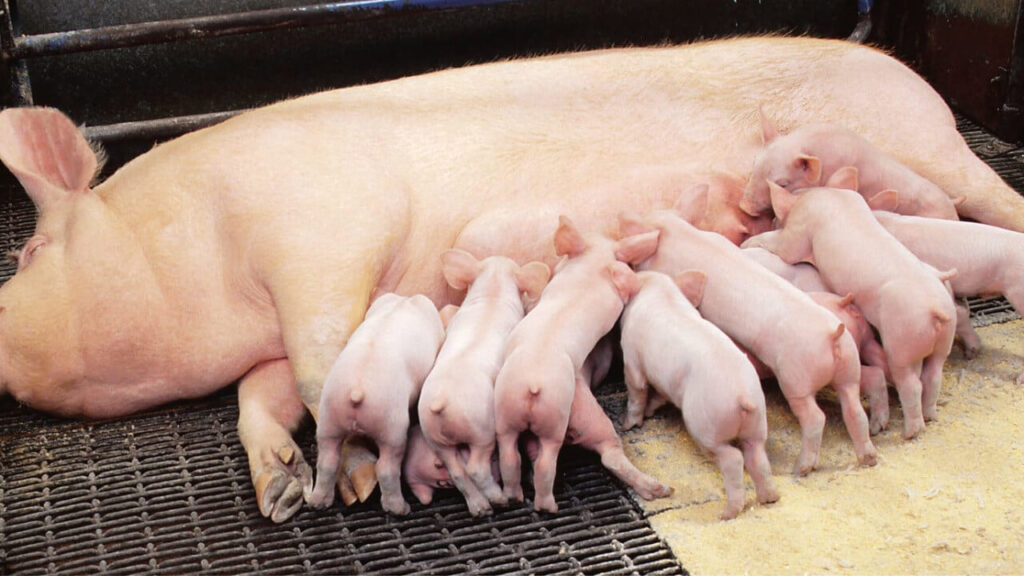
This disease is very common in suckling piglets and is caused by three types of the intracellular parasite coccidia. It causes diarrhea, which can be bloody, often between 10 and 21 days of age and up to 15 weeks of age. Acute cases are treated with fluid therapy and coccidiostats. Secondary infections can result from damage to the intestinal wall. Depending on the level of occurrence on the farm, preventative treatment of sows with coccidiostats may be appropriate. Hygiene should be improved to end the cycle of infection; sow feces are a major source, and flies can spread infection. Providing a warm, dry, clean creep area will help to reduce the parasite load and the likelihood of coccidial infection.
Post-weaning period
3. Respiratory diseases
Coughing, sneezing, abdominal breathing, reduced growth rates and potentially mortality are all signs of respiratory disease. Depending on the cause, antibiotics may be given in feed, water or as an injectable. Poor ventilation or environmental conditions can exacerbate respiratory conditions. For example, high levels of ammonia can damage the respiratory tract, making pigs more susceptible to infection. Infective agents include Streptococcus suis and Pasteurella. Vaccines are available for some forms of pneumonia, although the strain affecting a farm should be identified to ensure a successful outcome. Pleuropneumonia, caused by Actinobacillus pleuropneumoniae, can result in significant mortality, and those that do recover have impaired growth rates and lung damage. Overcrowded and dusty housing are predisposing factors for respiratory disease, along with the presence of PRRS virus.
4. Swine dysentery
Animals with this disease suffer from diarrhea, with or without the presence of blood. It is caused by the bacteria Brachyspira hyodsenteriae. Growth rates of post-weaning pigs are reduced, and, in some cases, sudden death can occur. Antibiotics are used to treat the disease, either in feed, water or as an injectable. Reducing stocking density can be an effective way of reducing infection pressure and stress in the herd. As well as improving hygiene levels, rodent control is a high priority; rodents are a vector for this disease. The strategy for buying and introducing replacement stock should be reviewed, as this a major route of disease introduction.
Breeding stock
5. Mastitis
Reduced milk production, loss of appetite and a higher body temperature are symptoms of mastitis in sows. It is caused by a bacterial infection of the mammary glands, where skin discoloration can be seen. Antibiotics, along with anti-inflammatory drugs are effective treatments. Oxytocin may be used to encourage let down of milk and corticosteroids can be prescribed. Hygiene in farrowing housing is important, along with nutrition during late pregnancy to promote immunity. Stress can also be a factor, and it is important to make sure that teats are not being damaged by sow housing facilities. This disease has a significant effect on productivity because of the potential effect of reducing the number of piglets weaned by sows.
6. Porcine parvovirus
If pregnant sows become infected with parvovirus (PPV), reproductive disease can occur, but not in all cases. If it does, most commonly in gilts, reproductive performance is significantly affected. Mummification and stillbirths occur, resulting in small litter sizes. Other reproductive diseases have the same symptoms so accurate diagnosis is essential. Unusually, the virus can survive outside the host for several months, making it endemic in most herds. Although it is only during pregnancy that PPV is a problem, other pigs can spread the virus. There are no treatments available; in order to prevent this disease routine vaccination of gilts is advisable.
Conclusions
In terms of disease prevention, re-occurring themes include hygiene, ventilation and reducing stress. Pig producers need to provide an environment that is optimal for the animal and inhospitable for disease-causing agents. As well as reducing infection pressure, immunity must be promoted by measures such as optimal nutrition and good husbandry.
Prevention is obviously better than cure, and having a herd health plan will help to minimize disease incidence.
Safeguard 4 Canine De-Wormer provides safe and effective treatment and control of tapeworms, roundworms, hookworms, and whipworms in easy to feed granules that can be mixed into food. This product is safe for young puppies over the age of 6 weeks, pregnant female dogs, and heartworm infected dogs. Key Benefits
Treats and controls tapeworms, roundworms, hookworms, and whipworms.
Convenient, highly palatable granules that you can mix right into your pup’s food for hassle-free de-worming treatment.
Safe for any breed of young puppies over the age of 6 weeks and pregnant dogs.
Each pouch treats 40 lbs. Each package comes with three easy to use 4-gram pouches which should be administered for 3 consecutive days and are completely effective for up to 6 months.
A highly effective formula contains fenbendazole which is the same active ingredient found in prescription canine dewormers.
Also, there are a lot of different types of SafeGuard for different animals and pets, but in all types of SafeGuard, the main ingredient is Fenbendazole.
For more information about SafeGuard for dogs, you can always consult your veterinarian.
Every once in awhile, your veterinarian gives you unpleasant news. Sometimes, that news sounds like this:
“Your dog has worms.”
Nobody wants to hear that her dog has internal parasites, but worms in dogs are more common than you might think. They are also usually treatable. One of the medications veterinarians frequently prescribe for dogs with worms is Panacur, a deworming medication used to treat several species of canine parasites.
What Is Panacur?
Panacur is the brand name of an oral deworming medication with the active ingredient fenbendazole. It is used to treat internal parasites in domestic animals, including dogs, cats, horses, and livestock. In dogs, Panacur is most often used to treat hookworm, roundworm, tapeworm (Taenia), and whipworm infections, although it is important to note that Panacur is not effective against Dipylidium tapeworms.
In addition to these worms, Panacur (fenbendazole) is approved in Europe to treat Giardia in dogs and is sometimes used off-label in the U.S. to deal with Giardia infections. It is also occasionally used off-label to combat lungworm infections.
How Does Panacur Work?
Deworming medications work in different ways to eliminate parasites. Some target specific life stages, while others attack the biological processes of the parasite. Fenbendazole kills parasites by binding to tubulin (a type of protein), which interferes with the parasites’ ability to form microtubules, which combine to form the structure of the worm cells.
So how do you introduce this parasite eliminator into your dog’s system? Panacur is given orally, either in granules, a suspension, or a paste. Talk to your veterinarian about the best formulation for your dog and for tips about how to properly administer a dewormer.
Side Effects of Panacur for Dogs
Panacur is generally considered a very safe medication and is one of the safest dewormers on the market. Its active ingredient has a selective affinity for parasitic tissue, which means it usually ignores your dog’s body tissues unless given in very high doses, and even then dogs can tolerate doses up to 100 times higher than recommended. Manufacturers list vomiting as a possible side effect, and some formulations, like Panacur Plus, contain other medications, such as ivermectin and praziquantel, which can have more serious side effects.
Even though the drug is generally safe, you still need to exercise caution. Some dogs may have an allergic reaction to the dying parasites themselves. Watch out for symptoms of an allergic reaction in dogs, which include facial swelling, itchiness, hives, diarrhea, vomiting, seizures, shock, pale gums, cold limbs, and coma. You should also talk to your vet about giving Panacur to pregnant dogs. Your veterinarian may have to adjust the dosage, and Panacur is not recommended for puppies under six weeks old.
How Much Panacur Should I Give My Dog?
When it comes to the dosage and duration of Panacur or any other medication, talk to your veterinarian. While the Internet is a great source of initial information about drug dosages, your veterinarian may have his or her own reasons for adjusting your dog’s dose and duration. These changes are based on your dog’s medical history or condition, and an inaccurate dosage and duration estimate could harm your dog and lead to parasite resistance.
The dosage and duration of the drug also depends on the intended use. Your veterinarian might prescribe a different dosage for Giardia than he would for roundworms, for instance, so make sure you follow his instructions to ensure that your dog receives the full benefit of the medication.
For more information about Panacur for dogs, you can always consult your veterinarian.