WITH INCREASING FINANCIAL CONSTRAINTS and demands on the farming industry, historical attempts to reduce parasitic burdens have seen an increasing reliance on anthelmintics. These pressures, coupled with the intensification of farming, mean that maximising returns from farm to fork has never been so imperative.
But increasing reliance on anthelmintics has also led to the development of resistance. There is already Group 1 (BZ) resistance widespread on sheep farms, with Group 2 (LEV) and Group 3 (MLs) following. This is primarily due to over-usage of flock anthelmintic treatments, which has been very costly to the sheep industry. Flukicide resistance needs to be addressed – and comprehensive measures put in place – to prevent it following suit. Fasciola hepatica, or liver fluke, is now considered to be endemic in certain areas of the UK, especially in the wetter regions, such as Wales and northwest England.
1. However, there have been widespread reports of fluke infestation. F. hepatica is influenced by climate, with wetter summers and milder winters producing an increased risk year on year due to an increase in survival of the intermediate host, Galba truncatula (mud snail). The adult snail can produce 100,000 eggs in just three to four months.
2. The trematode can multiply up to 500 times within one adult, potentially resulting in an explosive multiplication of fluke. This has led to a rise in reported cases over the last 10 years. Other contributing factors which must not be forgotten include increased livestock movement, intensification of farming, and exponential reports of triclabendazole resistance. It is commonly known within the farming industry that triclabendazole resistance is on the rise; therefore, many experts advise restrictions on its use in cattle, in order to preserve its efficacy in sheep, where it is most needed to treat acute fluke disease.
3. In cattle, the most common manifestation of disease is chronic liver disease, which is caused by the adult stages of liver fluke. To combat this, it is advisable to involve rotation of flukicide actives in strategic anthelmintic herd health plans, prior to the correct risk period. correct quarantine anthelmintic treatments can pose a risk, especially in bought-in stock that can bring with them triclabendazole-resistant fluke. COWS (Control of Worms Sustainably) recommends avoiding triclabendazole for quarantine, but caution must be taken as other products will not kill early immature fluke, and therefore a second treatment will be required to remove residual fluke. SCOPS (Sustainable Control of Parasites in Sheep) advises that treatment with more than one product with active molecules against immature flukes (closantel, nitroxynil, triclabendazole) will reduce the risk of introducing fluke with resistance to any one product.
If you want to have a quality treatment or you need a Triclaben (active ingredient: triclabendazole and albendazole), you can buy it HERE.
If you have never experienced the itching, hair loss and skin and ear infections associated with mitesin dogs, consider yourself fortunate. Dogs can be infested with several different species of mites, all of which cause unpleasant symptoms that range from itching and discomfort, to severe skin infection secondary to the damage caused by these pests. And, in some cases, mites are transmissible between dogs, and even from dogs to humans, which poses a public health risk. Knowing what to look for and pursuing effective and safe treatment is critical to eliminating these tiny pests.
There are four mites typically seen in dogs. The first three are common, especially in young and malnourished or neglected canines. Keep reading for symptoms and treatment options.
Demodex Mites: Symptoms and Treatment
Demodecosis, or infestation with Demodex canis mites, is a common parasite of young or malnourished and neglected dogs. These mites are inhabitants of the hair follicle of all dogs and are passed from the bitch to her pups during nursing. Most dogs develop immunity to infection with Demodex mites, and the mites remain in the hair follicle without causing any symptoms. But when the dog’s immune system is compromised, either by immune suppression or poor nutrition, these mites can proliferate causing hair loss, thickening of the skin, and in some cases, infection with other organisms (Staphylococcus bacteria or Malassezia yeast). Affected dogs are not itchy, but secondary yeast or bacterial infection can itch.
For many years, treatment options have been confined to toxic amitraz dips, daily oral ivermectin for months, or creams for small lesions. Recently, a new generation of prescriptionflea and tick preventatives in the isoxazoline class have been found to be effective for Demodex mange, even though they are not labeled for this use. At the time of publication of this article, four options from this drug class are available: afoxolaner, sarolaner, lotilaner and fluralaner. These are oral medications, available from your veterinarian, that are very effective against mites.
Sarcoptes Mites: Symptoms and Treatment
Sarcoptic mange, or scabies, is another type of mite infection that can affect dogs and can also be transmitted to humans. This infection is caused by Sarcoptic scabiei mites that burrow in the skin, which leads to intense itching, hair loss, and secondary skin infections. It is transmitted from an infected dog to others that are in close proximity. Symptoms other than itching include red, scaly skin, starting in areas of thin hair, such as in the armpits and groin. Diagnosis is confirmed when these mites are seen on a skin scrape, but because they burrow so deep, skin scrapes from positive animals are rarely positive. Two products have been used for many years as treatment: selamectin (flea and tick preventative) given every two weeks instead of monthly, or imidacloprid/moxidectin administered monthly. The isoxazoline class (discussed previously) is also effective against scabies with monthly administration.
Ear Mites: Symptoms and Treatment
Infection with ear mites, or Otodectes cynotis, is generally seen in puppies, but can also occur in older dogs exposed to outdoor cats. These pesky mites are extremely itchy and cause a copious amount of black, dry debris. The excessive itching and head shaking can lead to rupture of blood vessels in the ear, causing marked swelling and pain. Fortunately, these mites are easily treated with prescription drops or with monthly application of selamectin for heartworm and flea prevention. Diagnosis is easily accomplished by looking at a sample of the debris under the microscope. If an infection is diagnosed, the treatment will likely need to be repeated, as these mites have a three-week reproductive cycle. All bedding should be processed through a washing machine and dryer to kill the larval stages.
Cheyletiella Mites: Symptoms and Treatment
Cheyletiellosis, or walking dandruff, is an infection with a mite (Cheyletiella yasguri in dogs) that lives its entire life cycle on the dog. These mites appear like dandruff flakes but can be seen to move on the fur. They are very itchy, and their bites can cause a rash characterized by small red splotches on the skin. Bathing will reduce the number of mites but does not eliminate infection. Diagnosis is accomplished by using a piece of tape to collect flakes and examining under a microscope to identify them. There is no labeled treatment for these mites, but repeated application of selamectin every two weeks for three treatments will eliminate all life stages of the mites. Pyrethrin shampoos or lime sulfur dips every week for three treatments are also effective.
As you can see, mites cause significant symptoms and can lead to more severe infection due to the damage of the skin or ears. Diagnosis can be tricky since the mites are not always captured on a skin scrape, and in the case of cheyletiellosis, a tape preparation is required for diagnosis. In other words, your veterinarian has to be looking for these pests. Fortunately, the isoxazoline class of oral flea and tick products will eliminate sarcoptic and demodectic mange. Consult your veterinarian if your dog is itching or has evidence of skin infection.
The Varroa mite has spread to and become a major pest of honey bees since their introduction into Florida in the mid 1980’s. They were first reported in the Bluegrass Region of the Commonwealth in 1991 and now occur throughout the state.
Varroa mites are external parasites that attack both honey bees and brood. They suck the blood from both the adults and developing brood, especially drone brood. This weakens and shortens the bee’s life. Emerging brood may be deformed with missing legs or wings. Untreated infestations of varroa mites will increase and may kill colonies. If the colonies are not examined for mites, losses may be mistaken for winter mortality or queenlessness.
The adult female mites have eight legs and reddish-brown flattened oval bodies about 1 to 1.5 mm across. They are large enough to be seen with the unaided eye on the bee’s thorax or abdomen. Their flat shape allows them to fit between the bee’s abdominal segments. This mite is often confused with the bee louse. However, the bee louse, an insect, has only six legs. Its body is more circular and slightly larger.
Mites develop on the bee brood. A female mite will enter a brood cell about a day before it is capped so it is sealed in with the larva. Immature mites that emerge from the eggs she lays feed and develop on the maturing bee larva. By the time the adult bee emerges from the cell, several of the mites will have become adults, mated, and are ready to begin searching for other bees or larvae to parasitize. Inspection of the drone brood in their capped cells will often indicate whether or not a colony is infested. The dark mites are easily seen on the white pupae when the comb is broken or the pupae are pulled from their cells.
Mites spread from colony to colony by drifting workers and drones. Honey bees can also acquire these mites when robbing smaller colonies. It is best to isolate captured swarms, package bees, and other new colonies from older colonies and examine them for mites before placing them in an apiary.
Early detection of low levels of mite infestation is key to successful management. It is easier to detect infestations that are well-developed than those that are just getting started.
Amitraz is a product available that will kill the mites and cause the mites to drop from the bees. Two strips should be hung in the brood nest area of the colony for about 4 weeks. This is to be used with sticky paper and a fine-mesh screen on the bottom board of a colony to capture any mites that may have been present. A considerable amount of cell cappings and other debris will also collect on the sticky paper so it is best to inspect the sticky paper carefully for mites after its removal. This method is able to detect low level infestations. Amitraz strips, which contain the miticide fluvalinate, are available from most large beekeeping suppliers and can be used both for detection and treatment of varroa infestations.
If an infected colony is found, all colonies at the site should be treated with Amitraz strips in the same manner. The strips are not to be used during honey flow, or when there is surplus honey present in the colony that may be removed later for human consumption. Therefore, late fall, after removal of surplus honey, or early spring, prior to honey flow, are the best times to treat for varroa mites.
Always carefully follow all label instructions with regard to the storage, use and disposal of pesticides.
Safeguard 4 Canine De-Wormer provides safe and effective treatment and control of tapeworms, roundworms, hookworms, and whipworms in easy to feed granules that can be mixed into food. This product is safe for young puppies over the age of 6 weeks, pregnant female dogs, and heartworm infected dogs. Key Benefits
Treats and controls tapeworms, roundworms, hookworms, and whipworms.
Convenient, highly palatable granules that you can mix right into your pup’s food for hassle-free de-worming treatment.
Safe for any breed of young puppies over the age of 6 weeks and pregnant dogs.
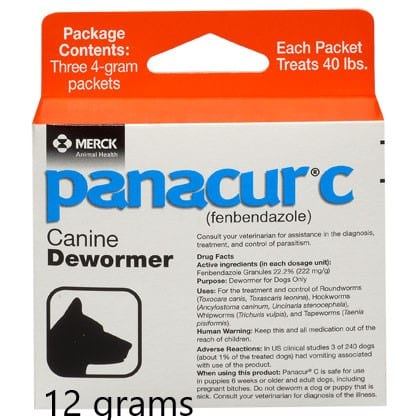
Each pouch treats 40 lbs. Each package comes with three easy to use 4-gram pouches which should be administered for 3 consecutive days and are completely effective for up to 6 months.
A highly effective formula contains fenbendazole which is the same active ingredient found in prescription canine dewormers.
Also, there are a lot of different types of SafeGuard for different animals and pets, but in all types of SafeGuard, the main ingredient is Fenbendazole.
For more information about SafeGuard for dogs, you can always consult your veterinarian.
Every once in awhile, your veterinarian gives you unpleasant news. Sometimes, that news sounds like this:
“Your dog has worms.”
Nobody wants to hear that her dog has internal parasites, but worms in dogs are more common than you might think. They are also usually treatable. One of the medications veterinarians frequently prescribe for dogs with worms is Panacur, a deworming medication used to treat several species of canine parasites.
What Is Panacur?
Panacur is the brand name of an oral deworming medication with the active ingredient fenbendazole. It is used to treat internal parasites in domestic animals, including dogs, cats, horses, and livestock. In dogs, Panacur is most often used to treat hookworm, roundworm, tapeworm (Taenia), and whipworm infections, although it is important to note that Panacur is not effective against Dipylidium tapeworms.
In addition to these worms, Panacur (fenbendazole) is approved in Europe to treat Giardia in dogs and is sometimes used off-label in the U.S. to deal with Giardia infections. It is also occasionally used off-label to combat lungworm infections.
How Does Panacur Work?
Deworming medications work in different ways to eliminate parasites. Some target specific life stages, while others attack the biological processes of the parasite. Fenbendazole kills parasites by binding to tubulin (a type of protein), which interferes with the parasites’ ability to form microtubules, which combine to form the structure of the worm cells.
So how do you introduce this parasite eliminator into your dog’s system? Panacur is given orally, either in granules, a suspension, or a paste. Talk to your veterinarian about the best formulation for your dog and for tips about how to properly administer a dewormer.
Side Effects of Panacur for Dogs
Panacur is generally considered a very safe medication and is one of the safest dewormers on the market. Its active ingredient has a selective affinity for parasitic tissue, which means it usually ignores your dog’s body tissues unless given in very high doses, and even then dogs can tolerate doses up to 100 times higher than recommended. Manufacturers list vomiting as a possible side effect, and some formulations, like Panacur Plus, contain other medications, such as ivermectin and praziquantel, which can have more serious side effects.
Even though the drug is generally safe, you still need to exercise caution. Some dogs may have an allergic reaction to the dying parasites themselves. Watch out for symptoms of an allergic reaction in dogs, which include facial swelling, itchiness, hives, diarrhea, vomiting, seizures, shock, pale gums, cold limbs, and coma. You should also talk to your vet about giving Panacur to pregnant dogs. Your veterinarian may have to adjust the dosage, and Panacur is not recommended for puppies under six weeks old.
How Much Panacur Should I Give My Dog?
When it comes to the dosage and duration of Panacur or any other medication, talk to your veterinarian. While the Internet is a great source of initial information about drug dosages, your veterinarian may have his or her own reasons for adjusting your dog’s dose and duration. These changes are based on your dog’s medical history or condition, and an inaccurate dosage and duration estimate could harm your dog and lead to parasite resistance.
The dosage and duration of the drug also depends on the intended use. Your veterinarian might prescribe a different dosage for Giardia than he would for roundworms, for instance, so make sure you follow his instructions to ensure that your dog receives the full benefit of the medication.
For more information about Panacur for dogs, you can always consult your veterinarian.
It can be quite alarming when a poultry owner gets a consistent five eggs, daily, from five hens, only to find just one egg for a few days. This sudden drop in egg-laying takes us all into detective mode – are they hiding the eggs? Are they sick?
Below you’ll find some of the most common reasons for decreased egg production to put your mind at ease and hopefully get your girls laying consistently again.
Why do hens stop laying eggs?
Molt. At 15-18 months of age, and every year thereafter, chickens will replace their feathers. Feathers will fall out to make room for new feather growth. During this time, hens will stop laying eggs.
Lighting. Chickens need about 15-16 hours of light per day to produce eggs. The first year, most laying breeds will lay through the winter without artificial lighting.
Too many goodies. Think of kids, if you unleashed your kids at a buffet, and told them they could get whatever they want, most would load up at the dessert table. Your girls will do the same thing, filling up on bread, table scraps etc. they may not be getting what they need to produce eggs. This is usually a slowdown, more than a stoppage.
Too much lovin’. One rooster can easily handle 12-18 hens. If this ratio is too low, he will overmount the girls and bare patches will appear on their backs and the backs of their heads. This stress can drop them out of production.
Dehydration. It doesn’t take much water deprivation, especially in hot weather, to take your hens right out of production. Many times alpha hens will not allow submissive hens (bottom of the pecking order) to drink. They are attempting to “vote them off the island”, but the first thing that will happen is an egg stoppage. We recommend adding water stations during warm weather.
Any undue stress. Maybe the coop is secure, but they are still being harassed by raccoons, neighbor’s dogs, or other predators.
Egg eating by the hens, or theft by 2 or 4 legged scoundrels! They may be laying, but the wrong critter is getting the eggs. Believe it or not, human egg-stealing is more common than people think – I’ve even seen it on a game camera.
Change in the pecking order. Adding new hens, a new rooster or removing a hen can cause a power void and/or drama. Drama=stress=egg production drop
Illnesses/parasites. The reasons above may likely be the cause but parasites or illness can also cause stress on a hen.
If the reason is parasites or worms, you should buy a dewormer such as Helmintazole or Panacur with active ingredient Fenbendazole, also you can buy a Tylosin or Tyclosin – this treatment is very good for chicken treatment.
Deworming (sometimes known as worming, drenching, or “dehelmintization”) is the giving of an anthelmintic drug (a wormer, dewormer, or drench) to a human or animal to rid them of helminths parasites, such as roundworm, flukes, and tapeworm. Purge dewormers for use in livestock can be formulated as a feed supplement that is eaten, a paste or gel that is deposited at the back of the animal’s mouth, a liquid drench given orally, an injectable, or as a pour-on which can be applied to the animal’s top line. In dogs and cats, purge dewormers come in many forms including a granular form to be added to food, pill form, chew tablets, and liquid suspensions.
Horses are most often dewormed with a paste or gel placed on the back of the animal’s mouth via a dosing syringe; feed dewormers are also used, both single-dose varieties and in a daily, “continuous” feed form. Deworming (drenching) a sheep is usually done with a specific drenching gun that squirts an anthelmintic into the sheep’s throat.
The Centers for Disease Control and Prevention recommends deworming treatments at 2, 4, 6, and 8 weeks of age for puppies, as well as concurrent treatments given to the mother to eliminate reactivated larvae and prevent horizontal transmission from puppies that may be shedding roundworm and hookworm eggs.[
They also recommend deworming treatments at 3, 5, 7, and 9 weeks of age for kittens and the mother.
Additionally, the Companion Animal Parasite Council (CAPC) further recommends quarterly treatments for all adult dogs and cats, depending on animal health and lifestyle factors.
When choosing a dewormer for dogs, you need to know what type of worms your dog has. You can purchase a dewormer for specific types of worms, or you can choose a broad-spectrum product. Dewormers for dogs come in several forms including tablets, granules, powders, and liquids, so talk to your veterinarian about the option that is best for your dog. Once you know what kind of dewormer you need, take a look at our top picks for the best dewormer for dogs. Best dog dewormer overall: Helmintazole 200, Helmintazole 222, and Helmintazole 500 PRO it is the same dewormer as Panacur C or Safe Guard with the same main ingredient Fenbendazole.
Fenbendazole (brand names Helmintazole®, Helmintazole Pro®, Helmintazole 200®, Helmintazole 222®, Helmintazole 500 caps®, Helmintazole 50 Tab®, Panacur®, Safe-Guard®) is a medication used to treat a variety of parasites (e.g., roundworms, hookworms, lungworm, whipworm, and certain types of tapeworms) in dogs. Its use in cats for the treatment of parasites is ‘off label’ or ‘extra-label’. Many drugs are commonly prescribed for off-label use in veterinary medicine. In these instances, follow your veterinarian’s directions and cautions very carefully.
panacur fenbendazole
How is fenbendazole given?
Fenbendazole comes as oral granules, tablets, capsules or as a liquid suspension and is given by mouth. Liquid forms must be measured carefully.
Fenbendazole should be given with food to reduce gastrointestinal upset.
Give this medication as directed by your veterinarian. Fenbendazole is often given once daily for 3 consecutive days and then again in another round 2-3 weeks later.
It is important that your pet receives all of the doses recommended by your veterinarian for best results. Do not stop early or skip doses unless recommended by your veterinarian. Retreatment may be necessary if doses are missed, the medication is stopped too soon, or if reinfection from the environment occurs.
This medication should take effect within 1 to 2 days, but visible effects will take the entire duration of treatment to be recognized.
What if I miss giving my pet the medication (or my shipment is late)?
If you miss a dose, give it when you remember. If it is close to the time for the next dose, skip the missed dose and give it at the next scheduled time. Never give your pet two doses at once or give extra doses.
Are there any potential side effects?
At regular doses, fenbendazole does not usually cause any side effects. Sometimes, substances released by the dying parasites may cause an allergic reaction, especially if fenbendazole is given at higher than regular doses. If your pet shows signs of an allergic reaction (facial swelling, itchiness, hives, diarrhea, seizures, or shock) seek veterinary care immediately.
Salivation, vomiting, and diarrhea may occur in dogs or cats receiving this medication.
This moderate-acting medication should stop working in a few days, although effects can be longer in pets with liver or kidney disease.
Are there any risk factors for this medication?
Fenbendazole is safe for use in most pets. Fenbendazole should not be used in:
puppies younger than 6 weeks of age.
sick animals
Are there any drug interactions I should be aware of?
While there are no known drug interactions with fenbendazole, be sure to tell your veterinarian about any medications (including vitamins, supplements, or herbal therapies) that your pet is taking.
Is there any monitoring that needs to be done with this medication?
Your veterinarian may recommend a fecal examination to be sure that all internal parasites have been killed and determine if additional doses are needed.
How do I store fenbendazole?
Store fenbendazole granules, tablets or capsules in a sealed container at room temperature and protected from sunlight.
If your veterinarian has made a special formulation for your pet, follow the storage recommendations on the label and expiration date for the product.
What should I do in case of emergency?
If you suspect an overdose or an adverse reaction to the medication, call your veterinary office. If they are not available, follow their directions in contacting an emergency facility.
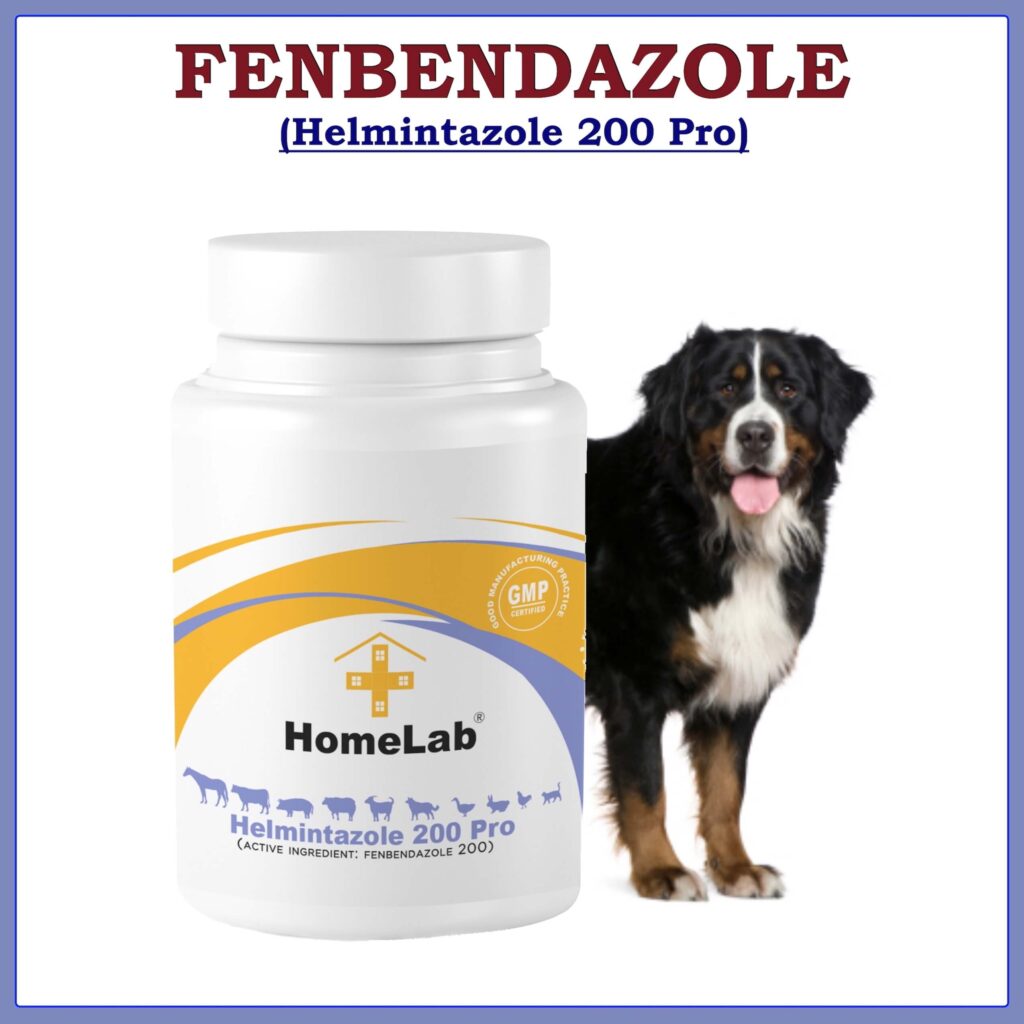
If you want to buy Fenbendazole(Helmintazole…) online, you can buy it at Homelabvet.com, there are a lot of different types of Fenbendazole with different dosages.
– a drug having antiparasitic activity against a large number of helminths. Disastrously it affects adult forms and larval stages, which has the broadest spectrum of action among anthelmintic agents and is effective against most nematodes, tapeworms, and flukes.
Albendazole based drugs are used not only to treat people but also actively used in veterinary medicine. Used to treat such diseases in animals and birds as diktiokaulez, nematodirosis, bunostomosis, co-operiosis, ascariasis, and others.
Diseases caused by parasitic worms (helminths) people are known since antiquity. At present highly effective anthelmintic preparations are synthesized. Its function is low toxicity. Many of these drugs have a very important property – the versatility of action, ie act immediately in several parasites. One of the most interesting and effective anthelmintic drugs is
Albendazole belongs to the group of benzimidazole carbamate. Of this group of compounds, a well – known as mebendazole, also known as drug Vermox (vormin), it was synthesized. But nevertheless, Albendazole significantly exceeds mebendazole in both the efficiency and amplitude spectrum.
Albendazole is effective against most intestinal nematodes and (larval forms) cestodiasis larvae. Perhaps, for today there is an antiparasitic drug broad spectrum of action.
Mechanism of action.
Albendazole, other carbamate benzimidazoles, disrupts the function of the microtubules apparatus of the cell, causing damage to the protein tubulin. The consequence of this is the biochemical disorders in the cell – the suppression of glucose transport and fumarate reductase, underlying the suppression of cell division in the metaphase stage and which is associated with the oppression of oviposition and development of helminth larvae.
Albendazole is characterized by low absolute absorption. When absorbed, it becomes albendazole sulfoxide, which is present in plasma and tissues in high concentrations. It is this compound that ensures the high efficiency of the drug.
Albendazole tolerability was studied in experimental animals. It was found that the drug in doses of 25 mg/kg body weight and above inhibits leucopoiesis causing embryotoxic and teratogenic activity undisturbed postnatally. The reproductive capacity of males is not disturbed, nor are morphological changes in the testes. No toxic effects were found in Albendazole in other organs and systems. However, with prolonged use of high doses of the drug developed fatty degeneration of hepatocytes. It was found that the drug is not mutagenic. Based on the experimental data, the possibility of developing allergic reactions in animals with prolonged use of high doses of Albendazole is established. Accumulation occurs moderately. Albendazole is continuously absorbed (9.4 hours). The retention time of the drug in the body is 17.3 hours.
In the experiment, the efficacy of Albendazole was established for most intestinal nematodes and cestodes tissue and tissue. Therapeutic doses of the drug were much lower than toxic doses. This allowed us to recommend for practical use. Numerous clinical trials have confirmed high efficacy and good tolerability of Albendazole.
Remember that before the appointment of Albendazole, as well as any other anthelmintic preparation, you should carefully clean the room, washing children ‘s toys before going to bed and after a shower, and change your underwear. The bedding is recommended for treatment days and a few days after taking the medication iron with a hot iron.
Treatment of intestinal nematodes
Intestinal nematodes are represented by a large group of helminths, excretion of which has its own peculiarities, due to the peculiarities of the biology of parasites and the development cycle. Consider the most common of them.
Ascaridosis.
Pathogen – round Ascaris lumbricoides helminth parasites in the small intestine of a person. The difficulties in treating this helminthiasis are due to the fact that the parasite is cycled rather complex development in the human body, including the migration of helminth larvae throughout the body. Most drugs used to treat ascariasis are effective only in relation to intestinal helminths at this stage. Albendazole is effective against all stages of parasite development. Albendazole is prescribed at a dose of 400 mg per day once or in two divided doses. Special training and diet are required. Efficiency is 95-100%.
Trichocephalosis (withers head).
Pathogen Trichocephalus round Trichiurus is a helminth parasite in the human large intestine mainly in the region of the blind. Albendazole – the most effective treatment drug trichocephalosis. The medicine is prescribed at a dose of 400 mg per day, once after eating. Special training and diet is required. Efficiency reaches 90%. In rare cases, the second course of treatment is required.
Enterobiasis (pinworm).
Pathogen – a parasite Enterobius vermicularis round. Parasitize a person in the lower portions of the thin and upper parts of the large intestine. Albendazole is an excellent drug for the treatment of roundworms. It is enough to prescribe the drug at a dose/kg body weight 5 mg once. Without training, no diet is not required. After 14 days, the course of treatment must be repeated at the same dose and in the same regime. Efficiency is 100%.
Strongyloidiasis.
Pathogen – round Strongiloides Stercorarius helminth parasites in the small intestine of humans. The disease is common in regions with a warm and humid climate but also occurs in the middle lane, for example. Infection occurs when communicating with the ground: when working in the garden, walking barefoot on the floor, on the beach. In the body, the larvae migrate through the blood and lymph vessels, then sit on top of the small intestine and grow into adult individuals. helminths adults lay eggs, which hatch larvae in the intestine. These larvae can migrate throughout the body, causing a variety of allergic symptoms. If the patient is severely impaired immunity, Strongylid migration can take a long time, the number of migration increases larvae. All this can cause serious violations of many organs and systems. Strongyloidiasis is particularly severe in patients with AIDS, as well as people taking immunosuppressant long. In these cases, from the common strongyloidiasis, lethal outcomes are possible. The treatment of strongyloidiasis is a difficult task. With the arrival of Albendazole, the situation has changed. Drug efficacy for the treatment of intestinal strongyloidiasis. Efficacy is 91 -100%
Preparation and diet for the appointment of Albendazole is not necessary. The medicine is prescribed at a dose of 10 mg/kg body weight once per three days. After a week, we recommend repeating the treatment cycle at the same doses.
Ankylostomidosis (twisted head).
The agents of this disease are round helminths duodenale and Necator americanus Ancylostoma. Helminths parasitize on the part duodenum and upper small intestine. Infection occurs through the skin, less frequently through the mouth with the ingestion of larvae. In these invasions, iron deficiency anemia develops. Albendazole is highly effective in treating ancylostomiasis. Doses of the drug are the same as in the treatment of strongyloidiasis. With a one – day treatment, the efficiency is 85%, and an increase in the course of 2-3 days, increases.
Treating tissue nematodes
Trichinosis.
Trichinosis is known since ancient times and is one of the most severe human helminths. Infection occurs when meat infected with Trichinella, more often eat pork, but cases of infection bear, badger meat are not uncommon. When larvae fall digested meat in the stomach, then with food into the small intestine, where they grow to adults, from which larvae appear. The larvae migrate to all organs but eventually settle in striated muscle, which curls into a spiral, wearing a capsule, in which calcium salts are deposited. Such larvae remain in the muscles for many years.
During the migration period, the larvae grow, change their shell several times (muda). Trichinella migration is very allergic. With the massive invasion serious lungs, heart, brain, immune nature to develop. With the intensive invasion and the lack of timely treatment, the disease often ends lethally. Larvae are extremely resistant to high temperatures, so the conventional cooking methods do not cause death in Trichinella.
While the parasite is in the small intestine (intestinal phase), virtually no drug antinematodic are effective. However, in-migration phases and muscle, most drugs are less effective or totally ineffective.
Albendazole is effective against all stages of Trichinella. There is no standard treatment for trichinosis regimes. The treatment is carried out individually, taking into account the time of the invasion, clinical manifestations, and severity of the patient’s condition.
Albendazole is prescribed at a dose of 10 mg/kg body weight per day (average dose of 800 mg per day) in 2 doses for 7-10 days. In case of severe invasion and organ damage (myocarditis, pneumonitis, meningoencephalitis), glucocorticoids and symptomatic agents are also prescribed. Treatment efficiency is evaluated by the clinical, laboratory, and instrumental indicators (temperature normalization, cessation of muscle pain, the disappearance of edema, normalization of the electrocardiogram, the disappearance of physical and radiological signs of pulmonary disease, regression neurological symptoms, decreased blood eosinophilia, etc.)
Toxocariasis.
This is one of the most surprising and difficult to diagnose helminth infections in animals. Pathogen – Toxocara canis, a parasite of dogs. Infection of a person occurs from dogs through the mouth when eggs Toxocara contact soil particles contaminated with feces of infected dogs Toxocara. For toxocary people are random (atypical) hosts. In humans, helminth parasites only in the larval stage, settling in the tissues of many organs, where migration refreshed periodically for many years. Toxocariasis is most common in children aged 1.5-4 years. Adults get sick much less often. Risk groups are workers veterinarians, dog breeders, excavators, and community service workers who have frequent contact with the ground. Toxocariasis occurs with severe allergy symptoms, obstructive syndrome develops, it is possible to form bronchial asthma, often the defeat of other organs.
Toxocarosal treatment is poorly developed. Greater efficiency was obtained with the use of albendazole. There are no standard treatment regimens for individual toxocariasis. Albendazole is prescribed at a dose of 10 mg/kg body weight per day in two divided doses for 10 days. One month – as a rule, repeated cycles of treatment with an interval of 2 weeks are required. Adverse reactions are rare, manifested by disorders of mild disability. An increase in the level of transaminases is extremely rare. During treatment, control peripheral blood (once every 5-7 days) and simultaneously minotransferases necessary.
Treatment tissue cestodes
echinococcosis Gadatidosis
The causative agent is the larval stage of Echinococcus granulosus tapeworm. Parasitically sexually mature in the intestines of dogs, dogs more often. Infection of a person occurs through the mouth when in contact with the dog as parasite eggs contact the contaminated soil particles with dog feces. In the stomach of eggs, larvae hatch, which migrate through the liver mesenteric vessels where most larvae settle. Here they grow, becoming a cyst. The larvae can enter the lungs, less often in other organs, and become a cyst. Tapeworm treatment is usually quick. Chemotherapy is carried out in cases of rupture of cysts and colonization of the body, in the postoperative period, when there is a risk of seeding if the integrity of the cyst is compromised during the surgery, and in cases of multiple lesions with small cysts (no more than 3-5 cm). Treatment is recommended against relapse after surgery when it is not possible to exclude the presence of other location’s tiny parasite size. Large cysts can not be treated because of inefficiency and the possibility of complications due to the disruption of the integrity of the cyst under the influence of drugs.
Albendazole – the most effective for the treatment of drug hydatid echinococcosis. Before the appointment of the drug requires clinical blood analysis, a biochemical examination of blood (liver-kidney complex). The treatment is carried out at normal laboratory parameters.
Albendazole is prescribed at a dose of 10 mg/kg body weight in 2 to 3 doses after a meal. The duration of the treatment cycle is 4 weeks. During treatment, blood and aminotransferases are examined every 5-7 days. With a decrease in white blood cells below 3.0 x 10⁹ / L and an increase of 5-6 times the level of aminotransferase, it is necessary to suspend treatment until normalization or significant improvement in the indexes. In cases of progressive and hyprefermentemia leucopenia, drug withdrawal is required. The appointment of hepatoprotectives during treatment and in cases of toxic manifestations is ineffective, it is necessary to cancel the drug. Tapeworm treatment of various currencies. Albendazole designate courses at intervals of 2 weeks-one months.
Treatment efficacy was assessed by monitoring and surveillance dynamics title instrumental specific antibodies. With specific instructions correctly for prescription drugs and observation of dose and regimen of the treatment course, recovery is observed.
equinococosis alveolar
– serious, difficult to diagnose helminthiasis. It belongs to the group of natural focal diseases. Pathogen – Echinococcus multilocularis tapeworm larvae. helmintharasitizes sexually mature in the small intestine of dogs – dogs, foxes, wolves, etc. Infection occurs when dogs are taken care of , skins are treated when unwashed berries and wild herbs growing contaminated with feces from wild animals invaded enter their mouths. In humans, the parasite is always located in the liver, growing infiltrative, germinating in the tissues of the body vessels, bile ducts, can metastasize to other organs. Treatment of alveolar echinococcosis is operating. Chemotherapy is an additional resource. The most effective medicine for this is helminthiasis
Albendazole. The drug inhibits the growth of the pathogen without causing complete death. Doses of albendazole and its mode of administration are the same as for hydatid echinococcosis. The duration of the treatment course is determined by the patient’s condition and tolerability of the drug. Full recovery when used the only Albendazole does not occur.
cysticercosis
The causative agent is Cysticercus celluloses, the larval stage of the parasite tape pigtail. Infection occurs through the use of meat pig helminths invaded. An adult parasite develops from larvae tape in the human small intestine. In the segments of the helminth eggs there (oncospheres), which in some cases directly into the intestine develop into larvae. These larvae through the vessels carry various organs. Cysticercosis develops. Especially dangerous is the entrance of larvae in the brain and eyes. In this case, cysticercosis of the brain or ocular cysticercosis develops. Treatment of this helminth is difficult. Most antiparasitic agents are ineffective in cysticercosis. The greatest effect when set using albendazole. Albendazole is prescribed at a dose of 15 mg/kg in three divided doses after meals. Course duration is 28-30 days. 2 days before taking the drug and in the first week (sometimes more), glucocorticosteroids (40-50 mg of prednisolone) are prescribed. Before treatment, for drug and end of the same control as in the treatment of echinococcosis.
In ocular cysticercosis, deworming is contraindicated because of the possibility of serious complications (retinal detachment) and the development of blindness.
Treatment efficacy of cysticercosis brain is controlled by the clinical parameters and results of X-ray CT of the brain and nuclear magnetic resonance. With effective treatment, foci disappear and / or calcified. It is often necessary to carry out repeated cycles of treatment. It must be remembered that even in cases of the good treatment effect of complete regression, no clinical symptoms may occur due to persistent structural changes in brain tissue formed.
Practice shows that Albendazole is a highly effective antiparasitic drug polyvalent action. Most existing helminthiases can be treated.
Here you can buy Albendazole powders and emulsions. Homelab has a large selection of different concentrations of the drug :
Most shelter workers have heard of the magic known as antiparasitic FENBENDAZOLE-is one of my favorite antiparasitic-and is a great drug for many reasons. Fenbendazole, the active ingredient is a benzimidazole dewormer that prevents cell division. Is generally considered a safe drug, toxicity occurs only in overdose 100x and exotic species. Fenbendazole is not systemically absorbed and more than 50% out of the animal feces. It should be administered for at least 3 days to kill parasites, as it has to stop cell division for some time before it becomes fatal to the parasite.
Fenbendazole is labeled for use in cows, horses, pigs, and dogs; but it has also been used in cats, sheep, birds, reptiles, and fish. It is marked to kill roundworms, hookworms, whipworms, and tapeworms, but is not effective against the most common tapeworms, and therefore should not be relied upon to kill the tapes. increased use of fenbendazole in shelters is to kill whipworms, Giardia, and lungworms.
Fun fact: In the treatment of whipworm (Trichuris Vulpis) You may have heard of the rule of 3, try for three days, then repeat a course of three days in three weeks and again at three months. It is an easy treatment regimen and commonly recited, but did you know there is actually a scientific reason not to try this way now? Whipworm takes 3 months to mature from an egg to an adult. If you kill adults on day 1, then three weeks later there will be some immature adults who have matured, but you still have eggs and larvae of worms present. Wait up to 3 months and then try again, and do not bother with the treatment of three weeks.
Pharmacological (biological) properties and effects
Benzimidazole anthelmintic agent group. Fenbendazole (carbamate 5-phenyl-thio-2-benzimidazole) has a broad spectrum of effects and cestocidal nematocides, is active against adult forms, larvae and eggs of gastrointestinal and lung and cestode parasites in animals. The mechanism of action of fenbendazole is the destruction of microtubules in cells of intestinal worms and disruption of energy processes, leading to the death of the parasites. When administered orally, fenbendazole is easily absorbed in the intestine and is distributed in organs and tissues of the animal; excreted from the body in unaltered form and as metabolites, mainly in the bile and urine partially in animals also varnished milk.
Indications for use of the drug Fenbendazole
Young cattle, sheep, goats, horses, pigs, dogs, and cats are prescribed for therapeutic and prophylactic purposes in the case of: – nematodoses; – cestodoses.
Application procedure
Enter the animals once, by force to the root of the tongue in the following doses. Young cattle monieziosis – 150 mg per 15 kg of animal body weight; with dictyocaulosis, hemonkhoze, Bunostomiasis, esophagostomosis, nematodirosis, ostertagiasis, habertiosis, cooperiosis and strongyloidosis – 150 mg per 20 kg of animal weight. Sheep and goats with moniesiosis – 150 mg per 15 kg of animal body weight; if dictyocaulosis, hemonhose, bunostomiasis, esophagostomiasis, nematodirosis, ostertagiasis, trichostrongiloidosis, habertiosis, cooperiosis, strongyloidosis – 150 mg per 30 kg of animal weight. Foals with parascariasis strongyles and – 150 mg per 15 kg of animal weight. Piglet with ascariasis, esophagostomiasis, strongyloidiasis, trichocephalosis, metastrongyloidosis – 150 mg per 30 kg of animal weight. Adult dogs and cats toxocariasis, Toxascaris, ankilostomiasis, Uncinaria, dipilidiosis, taeniasis – 150 mg per 1.5 kg of animal weight. Puppies and kittens (more than 3 weeks old) with toxocariasis toxascaridoz, ankilostomiasis, uncinariosis, dipilidiosis and taeniasis 1 time/day for 3 days in a row in a single dose of 150 mg per 3 kg animal weight. A special diet and use of laxatives before deworming are required.
Side effects
Side effects and complications in the use of fenbendazole in accordance with the indications and dosing regimen generally not observed. With increased individual sensitivity of the animal to fenbendazole and allergic reactions, drug use stops. Overdose symptoms in animals have not been identified.
Contraindications to the use of drug Fenbendazole
– Individual animal hypersensitivity to fenbendazole. Do not use the medicine: – animals exhausted and suffering from infectious diseases; – Puppies and kittens under 3 weeks of age.
Special instructions and personal prevention measures
Simultaneous use with bromsalanflucicides is not recommended, as in cattle with this interaction, there were cases of abortion and death in sheep. Slaughter of animals for meat is permitted no earlier than 14 days after deworming. In the case of the forced slaughter of a predetermined period, the meat can be used as food for carnivores or for the production of meat and bone. Milk of dairy animals to be used for food purposes within 3 days after worming is prohibited. The milk obtained earlier than the prescribed period may be used after heat treatment as animal feed. No smoking, drinking, or eating food while working with the drug. At the end of the work, wash hands with soap and warm water.
Where to buy?
There are a large number of fenbendazole sellers on the market, one of the quality sellers is Homelab. Helmintazole 200 Pro and Helmintazole 200 Pet with active ingredient Fenbendazole 200. There are a lot of different medicines like Helmintazole 200 Pro, different types of Panacur… but the active ingredient of all of these medicines is Fenbendazole. You can buy it and other quality veterinary medicine at Homelabvet.com.










 Fenbendazole

