Posted on Leave a comment

Ivermectin (Iverhelm) treatment is a ”real killer of parasites”

Ivermectin for sale online price vet pharmacy

Ivermectin (Iverhelm)

Characteristics of the substance Ivermectin
Refers to avermectins.

Pharmacology
Pharmacological action – local anti-inflammatory.
Pharmacodynamics

It has an anti-inflammatory effect by suppressing the production of inflammatory cytokines induced by lipopolysaccharides. The anti-inflammatory properties of ivermectin have been observed in animal models of skin inflammatory processes. Ivermectin also causes the death of parasites, mainly through selective binding and high affinity for glutamate-regulated chlorine channels found in the nerve and muscle cells of invertebrates. The mechanism of action of ivermectin in the treatment of inflammatory skin lesions in rosacea is not fully understood, but it may be associated with both anti-inflammatory effects and the ability to cause the death of Demodex mites, which, in turn, can be a factor causing skin inflammation.

Pharmacokinetics

Suction. The absorption of ivermectin was assessed in a clinical study involving adult patients with severe papulopustular rosacea, using the maximum tolerated dose. In equilibrium (after 2 weeks of treatment), the highest mean (± standard deviation) plasma concentrations of ivermectin were observed within (10 ± 8) h after application (Cmax – (2.1 ± 1) ng / ml, range – 0 , 7-4 ng / ml), and the highest mean (± standard deviation) AUC0-24 was (36 ± 16) ng · h / ml, range – 14-75 ng · h / ml). Systemic exposure to ivermectin reached a plateau by the end of the second week of treatment under steady state conditions. With longer treatment in phase III studies, the systemic exposure to ivermectin remained the same as after 2 weeks of treatment. Under Css conditions, the levels of systemic exposure of ivermectin (AUC0-24 (36 ± 16) ng · h / ml) were lower than after a single oral intake of 6 mg ivermectin in healthy volunteers (AUC0-24 (134 ± 66) ng · h / ml) …

Distribution. An in vitro study has shown that the binding of ivermectin to blood plasma proteins (mainly albumin) is more than 99%. No significant binding of ivermectin to erythrocytes was observed.

Metabolism. In in vitro studies using human liver microsomes and recombinant CYP450 enzymes, it has been noted that ivermectin is metabolized primarily by CYP3A4.

In vitro studies have shown that ivermectin does not inhibit the isoenzymes CYP1A2, CYP2A6, CYP2B6, CYP2C8, CYP2C9, CYP2C19, CYP2D6, CYP3A4, CYP4A11 or CYP2E1. Ivermectin does not induce the expression of isoenzymes CYP1A2, CYP2B6, CYP2C9 or CYP3A4) in cultured human hepatocytes. The two main metabolites of ivermectin (3′-O-demethylivermectin and 4a-hydroxyivermectin) were identified in a clinical pharmacokinetic study using the maximum allowable dose of this agent and were studied in phase II clinical trials. Like the parent compound, the metabolites reached equilibrium by the end of the second weeks of treatment, no signs of accumulation were observed in the period up to 12 weeks In addition, the systemic exposure of metabolites (assessed using Cmax and AUC), obtained at steady state, was much lower than for ivermectin after oral administration.

Excretion. The final T1 / 2 averaged 6 days (approximately 145 hours, range 92-238 hours) in patients who applied ivermectin to the skin 1 time per day for 28 days in a clinical pharmacokinetic study using the maximum allowable dose. Excretion from the body depends on the degree of absorption after topical application. The pharmacokinetics of ivermectin have not been studied in patients with impaired liver and kidney function.

Application of the substance Ivermectin
Inflammatory skin lesions in rosacea (papulopustular form) in adult patients.

Contraindications
Hypersensitivity; pregnancy; period of breastfeeding; age up to 18 years (safety and efficacy for this age category has not been studied).

Restrictions on use
Liver dysfunction.

Application during pregnancy and lactation
Data on the use of ivermectin in pregnant women are limited. Reproductive toxicity studies when taking ivermectin orally have shown that it has teratogenic potential in rats and rabbits, however, due to the low systemic exposure when applied externally at the recommended dosage, the risk of fetotoxicity in humans is low. The use of ivermectin during pregnancy is contraindicated.

After oral administration, low concentrations of ivermectin are excreted into breast milk. When applied topically, the release of ivermectin into breast milk has not been studied. Pharmacokinetic and toxicological data from animal studies also indicate the excretion of ivermectin in breast milk. The risk to the nursing infant cannot be excluded. If necessary, the use of ivermectin should stop breastfeeding.
Side effects of the substance Ivermectin


The most common adverse reactions, such as burning sensation, skin irritation, itching and dry skin, were noted in less than 1% of patients treated with ivermectin in clinical trials.

On the part of the skin and subcutaneous tissues: often (≥1 / 10) – burning sensation of the skin; infrequently (≥1 / 1000, <1/100) – skin irritation, itching, dry skin; frequency unknown – contact dermatitis, allergic reactions.

Typically, these reactions are mild to moderate and usually diminish with continued therapy.

There were no significant differences in the safety profile among patients aged 18 to 65 years and older.

Interaction
Studies on the interaction of ivermectin with other drugs have not been conducted. Concomitant use with other agents for external and systemic use for the treatment of rosacea has not been studied. Caution should be exercised when used simultaneously with strong inhibitors of CYP3A4, since the concentration of ivermectin in the blood plasma can increase significantly.

Overdose
There have been no reported cases of ivermectin overdose.

Symptoms: In case of accidental or significant exposure of a person to unknown amounts of veterinary forms of ivermectin (ingestion, inhalation, parenteral administration or contact with the body surface), skin rash, facial edema, eyelid edema, headache, dizziness, asthenia, nausea, vomiting, etc. diarrhea. Other reported adverse reactions include seizures, ataxia, shortness of breath, abdominal pain, paresthesia, urticaria, and contact dermatitis.

Treatment: in case of accidental ingestion, symptomatic therapy is carried out, including parenteral administration of fluids and electrolytes, respiratory support (providing oxygen and, if necessary, mechanical ventilation) and vasopressors (in the presence of a pronounced decrease in blood pressure). To prevent the absorption of ingested ivermectin, provoking vomiting and / or urgent gastric lavage followed by the use of laxatives and other measures to eliminate intoxication may be indicated.

Route of administration
Outwardly.

Precautions for the substance Ivermectin
The components of the finished dosage form of ivermectin can cause local skin reactions (eg contact dermatitis), allergic reactions (including delayed-type reactions), skin irritation.

Wash your hands after use.

After drying, you can apply cosmetics.

Influence on the ability to drive vehicles and work with mechanisms. Ivermectin does not affect or slightly affects the ability to drive vehicles and operate machinery.
Posted on Leave a comment

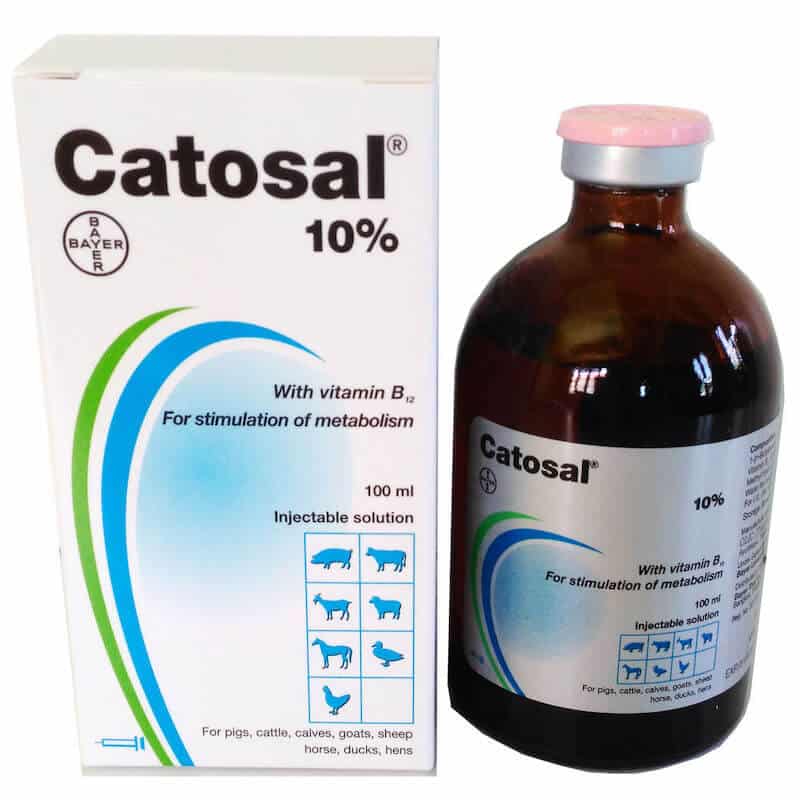
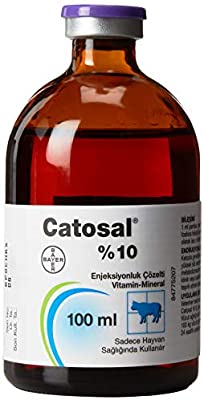
Catosal Bayer is a unique stimulant of the metabolism

Catosal bayer online shop price

Catosal Bayer

Currently, the market for veterinary drugs is well filled and it is difficult to find a drug that has no analogs. Catosal is a rare exception to this rule. It is truly one of a kind drug. Its uniqueness is Butafosfan – an active substance discovered by Bayer specialists in 1926 (!) And still has no analogs.

Catosal bayer vitamina b12 homelab price

The preparation contains two active ingredients: butaphosphamide and cyanocobalamin. Butafosfan is an organic phosphorus compound. Phosphorus compounds affect many assimilation processes in the body. Phosphorus plays a leading role in the activity of the central nervous system. The metabolism of phosphorus compounds is closely related to the metabolism, in particular fats and proteins. Phosphorus plays an important role in the processes occurring in the membranes of intracellular systems and muscles (including the heart). The role of organic compounds of phosphorus is also significant in the energy supply of vital processes. Macroergic phosphorus compounds – ATP and creatine phosphate – accumulate energy, which can then be used for mechanical (muscle contraction), electrical (nerve impulse conduction), chemical (biosynthesis of various compounds) and electrochemical (active transport of substances through membranes) work. With a lot of positive effects on the state of systems and organs, organic phosphorus compounds do not accumulate in the body and do not have side effects characteristic of stimulants and inorganic phosphorus. Butafosfan has the following effects on the animal’s body:

  • improves the utilization of glucose in the blood, which helps to stimulate energy metabolism;
  • accelerates metabolic processes by stimulating the ADP_ATP cycle;
  • activates all functions of the liver;
  • increases the nonspecific resistance of the organism;
  • stimulates smooth muscles and increases its motor activity;
  • restores tired heart muscle;
  • stimulates the formation of bone tissue;
  • normalizes the level of cortisol in the blood;
  • stimulates protein synthesis, accelerating the growth and development of the animal, as well as the reparative properties of organs and tissues.

Vitamin B12 – CATOSAL (METABOL) Bayer

The properties and complex of effects of cyanocobalamin are well known. And yet, for a clearer understanding of specialists about the complex of Catosal effects, we highlight the following:

  • stimulation of hematopoiesis
  • participation in the formation of creatine (a source of energy for muscle tissue)
  • participation in the biosynthesis of acetylcholine, which affects the state of the nervous system
  • participation in fat metabolism and metabolism of carboxylic acids
  • normalization of the process of assimilation of food
  • biosynthesis of methionine.

Indications for use: The complex of active ingredients of the drug allows its use in various fields of veterinary medicine and makes it practically irreplaceable in many treatment regimens.

Catosal is successfully used in the following cases:

  • With metabolic disorders of different etiology
  • With a decrease in the productivity and performance of animals;
  • For the prevention and treatment of infertility and postpartum complications;
  • In the treatment of secondary anemias
  • To recover animals after stress
  • To stimulate the growth of young animals
  • To normalize liver function
  • As an auxiliary therapy for intoxication, viral and bacterial infections, damage to organs and systems.

The use of Catosal in the treatment of various diseases accelerates the recovery of the animal, improves rehabilitation after illness, and reduces the risk of relapse. Catosal also helps to quickly restore the animal in the postoperative period: to reduce the likelihood of complications after anesthesia and infections.

Dosage and application features: Catosal is applied intramuscularly, subcutaneously, and intravenously in the following doses:

Dogs: 2.5 – 5 ml (average 1.0 to 3.0 ml per 10 kg of animal weight)
Cats and fur animals: 0.5-2.5 ml (on average, 0.5 to 2 ml per 5 kg of animal weight)
Horses: 10-25 ml (average 10-15 ml per 100 kg of body weight)
The product can also be used for birds. It is possible to inject the drug or drink it with drinking water at a dosage of 0.1-0.3 ml per 100 ml of water (for ornamental birds).
The instruction on the use of the drug provides for one or two administrations of Catosal at intervals of a week, however, as a result of the active use of Catosal by veterinarians, there are many different schemes for its use. Summarizing them, we can formulate the following general recommendations regarding the frequency of application of Catosal.

  1. One or two applications with an interval of two to seven days: to prevent or neutralize the effects of stress on the body; to increase the likelihood of fertilization of an egg in females, to improve the quality of sperm in males; to increase the activity and endurance of animals before exhibitions and competitions, to improve appetite, as well as to restore performance after prolonged or increased stress, in the postoperative period.

Case history 2. Pug dog, female, 3.5 years old. The animal was observed and treated in the clinic from the age of three months. At 3 months, the dog was treated for demodicosis. The anamnesis of life also: chronic cystitis after the first mating; a small number of puppies, difficult childbirth. Before the second mating of the animal, it was necessary to ensure the prevention of cystitis, as well as to increase the likelihood of giving birth to a larger number of puppies compared to the first mating.

Was proposed the drug “Catosal” subcutaneously in a dose of 3.0 ml every other day. Treatment course: 10 injections. No recurrence of cystitis was observed after mating. The dog independently (without medical assistance) gave birth to 5 puppies. During feeding, the bitch only slightly lost her condition. All puppies were active and viable, in the condition they corresponded to standard parameters.

Case history 3. Dog breed boxer, bitch. History of a difficult childbirth, 9 puppies, all different in weight (from 350 to 600 grams). After childbirth, there was an inflammation of the uterus, a lack of milk, and was treated with antibiotics. The puppies received artificial nutrition. As a result, all puppies developed severe dysbiosis, bloating and soreness of the intestines, and, as a result, growth retardation and skin rashes were observed over the entire surface of the body.

The following treatment was proposed: Lactobifadol and Catosal – subcutaneously (from 5 days of age) at a dose of 1.0 ml to puppies, and at a dose of 5.0 ml to a female, subcutaneously daily for 10 days. A positive trend was noted after 10 days. However, since both the bitch and the puppies still looked unsatisfactory, a second course of treatment with Catosal was carried out 14 days later at a dose of 2.0 ml to the puppies, and at a dose of 5.0 ml to the bitch subcutaneously daily for 10 days. By the date of vaccination (2 months), all the puppies leveled off according to the parametric data and weight, the skin rash disappeared, after weaning the puppies, the bitch quickly regained normal condition.

The drug Catosal was used in the clinic as an adjuvant in the complex treatment of other diseases, such as demodicosis, anemia (in this case, Catosal was prescribed as a rehabilitation agent after piroplasmosis and babesiosis), streptoderma, for skin diseases (including allergic ones), kidneys, heart, liver, pancreas, intestinal dysbiosis, after operations. The described clinical data indicate the multifaceted positive effect of Catosal on the animal organism and make it possible to recommend to veterinarians and breeders a wider use of this drug.


Posted on Leave a comment

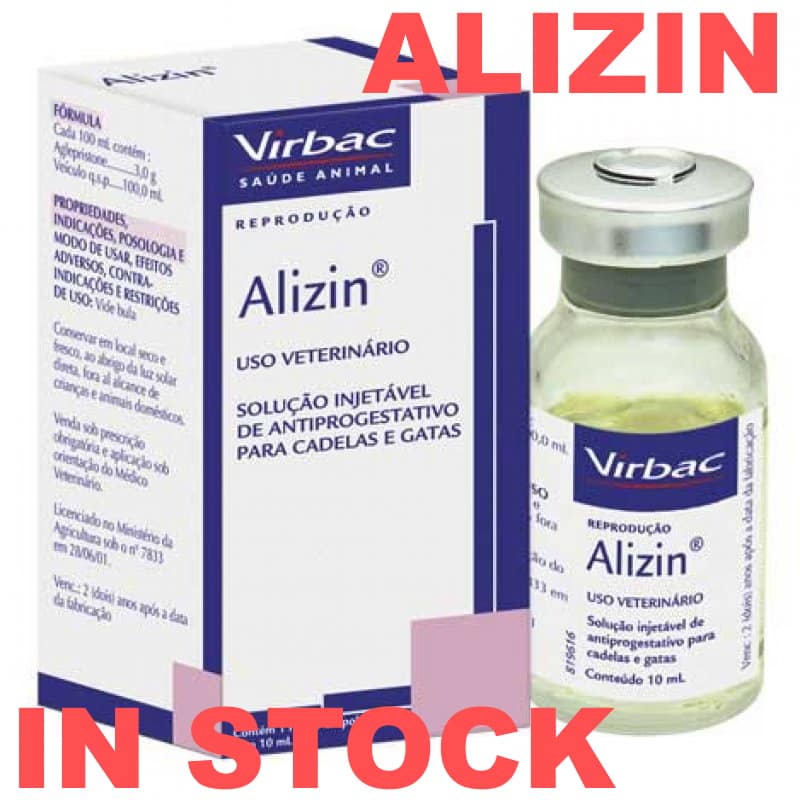
ALIZIN Virbac Aglepristone. Reproduction in the Dogs and Cats

Alizin

ALIZIN Virbac Aglepristone ☞

Reproduction in the Dogs and Cats

PROGESTINS AND ANTIPROGESTINS
Progesterone (P4) is a natural steroid hormone secreted by the corpus luteum of the ovary. It acts by binding to the progesterone receptor (PR) and causes a variety of physiological effects such as the closure of the cervix at the end of estrus, the proliferation of the endometrium, regulation of fallopian tube motility and secretory activity as a precondition for fertilization and inhibition of myometrial contractility during pregnancy …

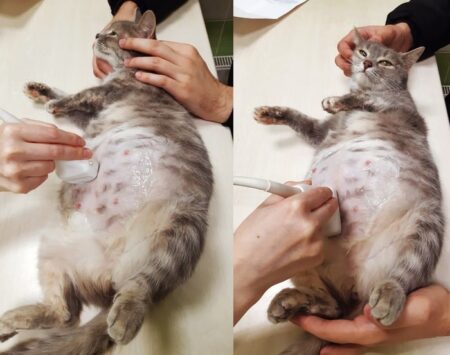
Antiprogestins (eg aglepristone, Alizin®, Virbac) have an antagonistic effect on progesterone, they bind to PR but prevent P4 from its biological action. Spontaneous contractions are possible due to the cancellation of the gestagen-induced blockage of contractions, the cervix opens, and therefore the uterus can empty. For successful treatment, a progesterone concentration of more than 1 ng/ml is required. Thus, antiprogestins can be used to terminate a pregnancy, treat pyometra, induce labor, and treat fibroadenomatosis in dogs and cats.

ABORTION

Termination of pregnancy may be necessary after unwanted mating, in case of pregnancy with one puppy or pregnancy-induced diseases in the female. Compared to previous drugs, the use of antiprogestins has only minor side effects. In addition, the efficacy rate is higher during the early termination period (days 0-22) and has an efficacy rate of 99-100%.

Usually, early termination of pregnancy leads to resorption of the embryo without obvious clinical signs. Due to the fact that the moment of mating is extremely individual, in order to avoid mating the female after treatment, it is advisable to inject the female after confirmation of cytological dysstruus based on the results of a vaginal smear.

You must enter 10 mg/kg over the next two days. The injection area under the skin must be massaged and, if the volume is more than 5 ml, the injection should be administered at different places. A third injection may be needed on day 7 if the ultrasound shows that the uterus is filling.

Aglepristone can also be used to terminate pregnancy in cats: the recommended dosage is 10-15 mg/kg, the injection protocol is the same as the injection protocol for dogs.

TREATMENT PIOMETERS

The conservative treatment for pyometra should be applied late in pregnancy or for aging females that are in poor condition. The risk of side effects after treatment with antiprogestins is much lower than after treatment with prostaglandins. Aglesterone is used alone or in combination with antibiotics; progesterone in a concentration above 1 ng/ml is required for successful treatment. For the treatment to be as effective as possible, an ultrasound scan must be performed regularly. In addition, ovarian pathologies such as cysts or tumors, glandular cystic hyperplasia of the endometrium should be ruled out before starting treatment.

Interestingly, treatment-related luteolysis shortens inerrestrus, which has been observed and verified in several studies. There is no statistical difference in the development of pyometra in females with or without the prior disease. By analogy with dogs, pyometra in cats is gestagen-dependent and once cystic endometrial hyperplasia has been ruled out, it can also be successfully treated with aglepristone according to the canine protocol.

INDUCTION OF LABOR

Induction of labor can result in premature, non-viable puppies and retained placenta. Use should be limited to therapeutic indications: maternal morbidity (toxicosis, eclampsia, preterm labor), the risk of pathologies due to fetomaternal imbalance, primary inertia of the uterus, and abnormally long pregnancy.

FIBROADENOMATOSIS

Fibroadenomatosis is a gestagen-induced, benign proliferation of mesenchymal and epithelial cells in the mammary gland of a young pregnant individual. It can also be caused by the use of exogenous progestins in cats, cats, and even male dogs. Aglepristone treatment is a successful alternative to sterilization and does not affect later pregnancies. The protocol for the treatment of induced fibroadenomatosis is 10 mg/kg subcutaneously on days 0.1 and 7. In the case of progestin-induced fibroadenomatosis, sequential injections may be required depending on the duration and effectiveness of the progestin and its half-life compared to natural progestins. It is important to inform the owner that treatment in pregnant cats will also induce abortion.

CONCLUSIONS

The antiprogestin aglepristone (Alizin, Virbac) is a new, highly effective, and well-tolerated drug for abortion, treatment of pyometra, induction of labor, and treatment of fibroadenomatosis in dogs and cats. The use of estrogens is now an obsolete treatment. For successful treatment, an accurate dosage and application interval according to the manufacturer’s instructions, as well as careful

ALIZIN Virbac buy ✅ online Shop Homelabvet

Alizine 30 mg/ml Aglepristone 10 ml

ALIZIN 30 MG/ML SOLUTION FOR INJECTION

Marketing-authorization holder :
Virbac – 1ère avenue – 2065 m – L.I.D. – 06516 Carros Cedex – France

NAME OF THE VETERINARY MEDICINAL PRODUCT

Alizin 30 mg/ml Solution for Injection

STATEMENT OF THE ACTIVE SUBSTANCE(S) AND OTHER INGREDIENT(S)

Each 1 ml contains:
– active substance
aglepristone 30 mg

INDICATIONS

Pregnant females: induction of abortion up to 45 days after mating.

CONTRA-INDICATIONS

Do not use in dogs with impaired hepatic or renal function, in diabetic animals, or in dogs in poor health.

Do not use in dogs with either manifest or latent hypoadrenocorticism (Addison’s disease) or in dogs with a genetic predisposition to hypoadrenocorticism.

Do not use in dogs with known hypersensitivity to aglepristone or the product excipient.

ADVERSE REACTIONS

In females treated after 20 days of gestation, abortion is accompanied by the physiological signs of parturition: fetal expulsion, vaginal discharge, reduced appetite, restlessness, and mammary congestion. In infield trials, 3.4 % of dogs suffered from uterine infections. After induced abortion with the veterinary medicinal product, an early return to oestrus is frequently observed (oestrus – oestrus interval shortened by 1 to 3 months).

Side effects such as anorexia (25 %), excitation (23 %), depression (21 %), vomiting (2 %), and diarrhea (13 %) have been reported from field trials.

In infield trials, the administration of the veterinary medicinal product produced pain during and shortly after injection in 17 % of dogs and a local inflammatory reaction at the injection site in 23 % of dogs. The size and intensity of this reaction depended on the volume of the veterinary medicinal product which was administered. Oedema, skin thickening, local lymph-node enlargement, and ulceration may occur. All local reactions are reversible and will usually disappear within 28 days after injection.

In infield trials, administration of the veterinary medicinal product induced hematological/biochemical changes in 4.5 % of dogs. These changes were always transient and reversible. The modified hematological parameters were as follows: neutrophilia, neutropenia, thrombocytosis, hematocrit variation, lymphocytosis, lymphopenia.

The modified (elevated) biochemical parameters were as follows: urea, creatinine, chloride, potassium, sodium, ALT, ALP, AST.
In case of partial abortion or no abortion, repeat treatment may be recommended 10 days after treatment, between day 30 and day 45 after mating. Surgery should also be considered.

In rare cases, a hypersensitivity reaction has been/can be observed.

Posted on Leave a comment

What is Panacur?

Every once in awhile, your veterinarian gives you unpleasant news. Sometimes, that news sounds like this:

“Your dog has worms.”

Nobody wants to hear that her dog has internal parasites, but worms in dogs are more common than you might think. They are also usually treatable. One of the medications veterinarians frequently prescribe for dogs with worms is Panacur, a deworming medication used to treat several species of canine parasites.

What Is Panacur?

Panacur is the brand name of an oral deworming medication with the active ingredient fenbendazole. It is used to treat internal parasites in domestic animals, including dogs, cats, horses, and livestock. In dogs, Panacur is most often used to treat hookworm, roundworm, tapeworm (Taenia), and whipworm infections, although it is important to note that Panacur is not effective against Dipylidium tapeworms.

In addition to these worms, Panacur (fenbendazole) is approved in Europe to treat Giardia in dogs and is sometimes used off-label in the U.S. to deal with Giardia infections. It is also occasionally used off-label to combat lungworm infections.

How Does Panacur Work?

Deworming medications work in different ways to eliminate parasites. Some target specific life stages, while others attack the biological processes of the parasite. Fenbendazole kills parasites by binding to tubulin (a type of protein), which interferes with the parasites’ ability to form microtubules, which combine to form the structure of the worm cells.

So how do you introduce this parasite eliminator into your dog’s system? Panacur is given orally, either in granules, a suspension, or a paste. Talk to your veterinarian about the best formulation for your dog and for tips about how to properly administer a dewormer.

Side Effects of Panacur for Dogs

Panacur is generally considered a very safe medication and is one of the safest dewormers on the market. Its active ingredient has a selective affinity for parasitic tissue, which means it usually ignores your dog’s body tissues unless given in very high doses, and even then dogs can tolerate doses up to 100 times higher than recommended. Manufacturers list vomiting as a possible side effect, and some formulations, like Panacur Plus, contain other medications, such as ivermectin and praziquantel, which can have more serious side effects.

Even though the drug is generally safe, you still need to exercise caution. Some dogs may have an allergic reaction to the dying parasites themselves. Watch out for symptoms of an allergic reaction in dogs, which include facial swelling, itchiness, hives, diarrhea, vomiting, seizures, shock, pale gums, cold limbs, and coma. You should also talk to your vet about giving Panacur to pregnant dogs. Your veterinarian may have to adjust the dosage, and Panacur is not recommended for puppies under six weeks old.

How Much Panacur Should I Give My Dog?

When it comes to the dosage and duration of Panacur or any other medication, talk to your veterinarian. While the Internet is a great source of initial information about drug dosages, your veterinarian may have his or her own reasons for adjusting your dog’s dose and duration. These changes are based on your dog’s medical history or condition, and an inaccurate dosage and duration estimate could harm your dog and lead to parasite resistance.

The dosage and duration of the drug also depends on the intended use. Your veterinarian might prescribe a different dosage for Giardia than he would for roundworms, for instance, so make sure you follow his instructions to ensure that your dog receives the full benefit of the medication.

For more information about Panacur for dogs, you can always consult your veterinarian.

You can buy Panacur C at homelab shop.

Also, you can buy Helmintazole 222 (Fenbendazole 22,2%) it is a similar product as Panacur C.

Posted on Leave a comment

Why Do Chickens Stop Laying Eggs? Reasons Hens Stop Laying Eggs

why chickens stop laying eggs

It can be quite alarming when a poultry owner gets a consistent five eggs, daily, from five hens, only to find just one egg for a few days. This sudden drop in egg-laying takes us all into detective mode – are they hiding the eggs? Are they sick? 

Below you’ll find some of the most common reasons for decreased egg production to put your mind at ease and hopefully get your girls laying consistently again.

Why do hens stop laying eggs?

  1. Molt. At 15-18 months of age, and every year thereafter, chickens will replace their feathers. Feathers will fall out to make room for new feather growth. During this time, hens will stop laying eggs. 
  2. Lighting. Chickens need about 15-16 hours of light per day to produce eggs. The first year, most laying breeds will lay through the winter without artificial lighting.
  3. Too many goodies. Think of kids, if you unleashed your kids at a buffet, and told them they could get whatever they want, most would load up at the dessert table. Your girls will do the same thing, filling up on bread, table scraps etc. they may not be getting what they need to produce eggs. This is usually a slowdown, more than a stoppage.
  4. Too much lovin’. One rooster can easily handle 12-18 hens. If this ratio is too low, he will overmount the girls and bare patches will appear on their backs and the backs of their heads. This stress can drop them out of production.
  5. Dehydration. It doesn’t take much water deprivation, especially in hot weather, to take your hens right out of production. Many times alpha hens will not allow submissive hens (bottom of the pecking order) to drink. They are attempting to “vote them off the island”, but the first thing that will happen is an egg stoppage. We recommend adding water stations during warm weather. 
  6. Any undue stress. Maybe the coop is secure, but they are still being harassed by raccoons, neighbor’s dogs, or other predators.
  7. Egg eating by the hens, or theft by 2 or 4 legged scoundrels! They may be laying, but the wrong critter is getting the eggs. Believe it or not, human egg-stealing is more common than people think – I’ve even seen it on a game camera.
  8. Change in the pecking order. Adding new hens, a new rooster or removing a hen can cause a power void and/or drama. Drama=stress=egg production drop
  9. Illnesses/parasites. The reasons above may likely be the cause but parasites or illness can also cause stress on a hen.

If the reason is parasites or worms, you should buy a dewormer such as Helmintazole or Panacur with active ingredient Fenbendazole, also you can buy a Tylosin or Tyclosin – this treatment is very good for chicken treatment.