Posted on Leave a comment

Things You Should Know About Canine and Feline Arthritis

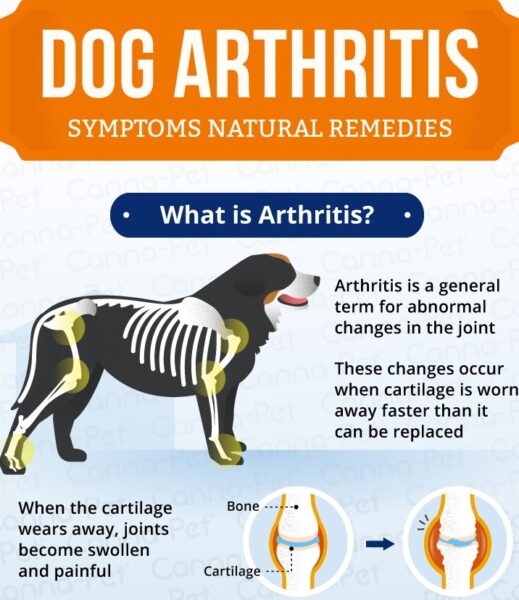
Dog Arthritis

Arthritis

is an infamous problem among dogs. Many vets and dog owners struggle for years, trying to control the lameness, soreness, and reduced activity level associated with canine osteoarthritis. But in recent years veterinarians have made significant strides towards understanding more about osteoarthritis in cats – mainly from the standpoint of simply recognizing that it does happen and that it can cause significant pain and discomfort in our feline friends.

Because cats are so good at hiding their medical problems from us, it’s important that cat owners understand how to recognize potential problems before they become serious. Read on to learn about the symptoms associated with arthritis, and some strategies for successfully dealing with this problem.

Just how big of a problem is this?

One study looked at the x-rays of 100 cats that were randomly selected and between ages 6 months and 20 years. The study found signs of osteoarthritis in 91% of cats in their front and rear leg joints. It found evidence of arthritis in the spine of 55% of these cats. The study also found that the incidence of arthritis increased dramatically as cats aged.

What’s even more interesting is that arthritis is often what we consider an “incidental” finding on the x-rays of cats, meaning that the vets weren’t even taking the x-rays because they suspected a problem in that location. That fact alone should really drive home the point that many, many cats are living with this problem, and very few of them are telling us about it.

Most of the time when people say “arthritis”, they mean “osteoarthritis”. But there are other types, and it’s worth a couple of minutes of our time to understand exactly what we mean when we diagnose the problem.

Osteoarthritis is the most common type of arthritis in both dogs and cats. It occurs when the cartilage that covers the surface of joints wears away, eventually causing bone to contact bone and exposing the exquisitely sensitive pain receptors in these areas. The body tries really hard to fix the problem by creating new cartilage, but unfortunately cartilage doesn’t regenerate very well, and the “new” surface is often bumpy and uneven.

Why does the cartilage gets worn in the first place? Most of the time it’s due to either previous joint damage, such as might occur if a cat is hit by a car or falls from a high place, or due to a birth defect that resulted in improper formation of the joint. We’re really just starting to understand that hip dysplasia, previously thought to be almost exclusively a problem of large dogs, is pretty common in our feline friends as well.

Other types of arthritis include septic arthritis, due to infection in the bloodstream, and immune-mediated arthritis, such as what we see in people who have rheumatoid arthritis. Both of these kinds of arthritis do occur in cats, but much less often than osteoarthritis.

My cat doesn’t have arthritis. I’ve never even seen him limping.

Another fascinating finding about feline arthritis is that cats with the disease typically don’t look anything like dogs with the disease. We’re used to seeing “gimpy” old dogs, that hobble around due to osteoarthritis, so it makes sense that we’d expect the same from cats. However, we’re commonly reminded in vet school that cats aren’t small dogs, and this is just one of the many ways that they’re different. Cats with arthritis typically don’t display signs of lameness.

So how are you supposed to get the hint that your cat might have osteoarthritis? The signs are subtle, but if you pay attention you’ll see changes in your cat that will prompt you to go to the vet, who can do a thorough orthopedic exam and hopefully zero in on areas of pain. Signs of arthritis in cats include sudden aggression towards people or other animals in the house (especially in cats that used to be happy and peaceful), difficulty jumping, loss of interest in surroundings, decreased activity levels, avoiding the litter box (even when previously trained well), vocalizing, and decreased grooming (especially overgrown claws).

The most interesting symptom to me in this list is the development of litter box problems. Failure to use the litter box is the number one reason that cats are relinquished to shelters in the U.S. How truly sad to think that many of these cats might really be painful, and have problems getting into and out of the box, or with squatting. This is one of the reasons that fixing litter box problems always starts with a complete medical workup.

But my cat’s not old!

Unfortunately, arthritis is a disease that can happen to young cats as well as old cats. This is especially true in cats that have previously experienced trauma. Even if the injury was repaired, the potential for in congruencies in a previously normal joint is there. When the joint isn’t properly fitted together, there’s room for laxity, and this laxity creates the cartilage erosion that leads to osteoarthritis.

Can’t I just give my cat some aspirin?

аспирин

No, please don’t! We counsel owners frequently about whether to treat cats at home for pain. While it can be dangerous to use over-the-counter human pain relievers in dogs, it’s absolutely critical that drugs like aspirin, Tylenol, and Advil NOT be given to cats. Aspirin and Advil (and other drugs like them such as Motrin) create severe gastrointestinal problems as well as kidney failure. Tylenol produces a severe and life-threatening problem called Heinz body anemia in cats.

Unfortunately, cats do not do well with most of the pain relievers that we easily use to treat arthritis in dogs. However, with close observation, they can tolerate some drugs well and provide significant relief and improvement in clinical signs. The opioid drug buprenorphine can be administered orally to cats and has excellent analgesic effects. The downside is that it tends to be expensive with prolonged use and can cause constipation. Tramadol is a synthetic opioid that has long been used in humans and may provide more cost-effective relief for cats. And gabapentin helps many cats feel better. VetExpert Arthrovet Capsules and Canina Petvital Arthro Tablets are very effective for cats and dogs. You can buy these drugs from the Homelabvet Online Store.

Currently, Metacam appears to be the only veterinary drug that is both effective and generally safe for long-term use in cats for inflammatory pain associated with arthritis. Because it can also cause gastrointestinal problems as well as kidney failure, cats taking this drug should be closely monitored with repeated lab tests to look for signs that the drug may be causing side effects.

What else can I do to help relieve pain associated with arthritis?

Start by changing your environment. Place food and water where you do not need to jump. Use ramps and stairs to help cats climb and get off furniture. Create trash bins you don’t have to jump into by purchasing plastic storage bins and cutting out a “door” on the side. Groom your cat regularly, especially in areas that are difficult for a cat with arthritis to reach. And make sure your cat has a warm and comfortable sleeping environment.

Supplements such as fish oil and glucosamine can also help. It is important to use products that are reliably manufactured and formulated for cats. There are also several high-quality diets available for cats with osteoarthritis. And since obesity exacerbates the clinical signs of arthritis, losing weight on your cat is likely to significantly improve well-being.

Posted on Leave a comment

Ivermectin (Iverhelm) treatment is a ”real killer of parasites”

Ivermectin for sale online price vet pharmacy

Ivermectin (Iverhelm)

Characteristics of the substance Ivermectin
Refers to avermectins.

Pharmacology
Pharmacological action – local anti-inflammatory.
Pharmacodynamics

It has an anti-inflammatory effect by suppressing the production of inflammatory cytokines induced by lipopolysaccharides. The anti-inflammatory properties of ivermectin have been observed in animal models of skin inflammatory processes. Ivermectin also causes the death of parasites, mainly through selective binding and high affinity for glutamate-regulated chlorine channels found in the nerve and muscle cells of invertebrates. The mechanism of action of ivermectin in the treatment of inflammatory skin lesions in rosacea is not fully understood, but it may be associated with both anti-inflammatory effects and the ability to cause the death of Demodex mites, which, in turn, can be a factor causing skin inflammation.

Pharmacokinetics

Suction. The absorption of ivermectin was assessed in a clinical study involving adult patients with severe papulopustular rosacea, using the maximum tolerated dose. In equilibrium (after 2 weeks of treatment), the highest mean (± standard deviation) plasma concentrations of ivermectin were observed within (10 ± 8) h after application (Cmax – (2.1 ± 1) ng / ml, range – 0 , 7-4 ng / ml), and the highest mean (± standard deviation) AUC0-24 was (36 ± 16) ng · h / ml, range – 14-75 ng · h / ml). Systemic exposure to ivermectin reached a plateau by the end of the second week of treatment under steady state conditions. With longer treatment in phase III studies, the systemic exposure to ivermectin remained the same as after 2 weeks of treatment. Under Css conditions, the levels of systemic exposure of ivermectin (AUC0-24 (36 ± 16) ng · h / ml) were lower than after a single oral intake of 6 mg ivermectin in healthy volunteers (AUC0-24 (134 ± 66) ng · h / ml) …

Distribution. An in vitro study has shown that the binding of ivermectin to blood plasma proteins (mainly albumin) is more than 99%. No significant binding of ivermectin to erythrocytes was observed.

Metabolism. In in vitro studies using human liver microsomes and recombinant CYP450 enzymes, it has been noted that ivermectin is metabolized primarily by CYP3A4.

In vitro studies have shown that ivermectin does not inhibit the isoenzymes CYP1A2, CYP2A6, CYP2B6, CYP2C8, CYP2C9, CYP2C19, CYP2D6, CYP3A4, CYP4A11 or CYP2E1. Ivermectin does not induce the expression of isoenzymes CYP1A2, CYP2B6, CYP2C9 or CYP3A4) in cultured human hepatocytes. The two main metabolites of ivermectin (3′-O-demethylivermectin and 4a-hydroxyivermectin) were identified in a clinical pharmacokinetic study using the maximum allowable dose of this agent and were studied in phase II clinical trials. Like the parent compound, the metabolites reached equilibrium by the end of the second weeks of treatment, no signs of accumulation were observed in the period up to 12 weeks In addition, the systemic exposure of metabolites (assessed using Cmax and AUC), obtained at steady state, was much lower than for ivermectin after oral administration.

Excretion. The final T1 / 2 averaged 6 days (approximately 145 hours, range 92-238 hours) in patients who applied ivermectin to the skin 1 time per day for 28 days in a clinical pharmacokinetic study using the maximum allowable dose. Excretion from the body depends on the degree of absorption after topical application. The pharmacokinetics of ivermectin have not been studied in patients with impaired liver and kidney function.

Application of the substance Ivermectin
Inflammatory skin lesions in rosacea (papulopustular form) in adult patients.

Contraindications
Hypersensitivity; pregnancy; period of breastfeeding; age up to 18 years (safety and efficacy for this age category has not been studied).

Restrictions on use
Liver dysfunction.

Application during pregnancy and lactation
Data on the use of ivermectin in pregnant women are limited. Reproductive toxicity studies when taking ivermectin orally have shown that it has teratogenic potential in rats and rabbits, however, due to the low systemic exposure when applied externally at the recommended dosage, the risk of fetotoxicity in humans is low. The use of ivermectin during pregnancy is contraindicated.

After oral administration, low concentrations of ivermectin are excreted into breast milk. When applied topically, the release of ivermectin into breast milk has not been studied. Pharmacokinetic and toxicological data from animal studies also indicate the excretion of ivermectin in breast milk. The risk to the nursing infant cannot be excluded. If necessary, the use of ivermectin should stop breastfeeding.

Side effects of the substance Ivermectin


The most common adverse reactions, such as burning sensation, skin irritation, itching and dry skin, were noted in less than 1% of patients treated with ivermectin in clinical trials.

On the part of the skin and subcutaneous tissues: often (≥1 / 10) – burning sensation of the skin; infrequently (≥1 / 1000, <1/100) – skin irritation, itching, dry skin; frequency unknown – contact dermatitis, allergic reactions.

Typically, these reactions are mild to moderate and usually diminish with continued therapy.

There were no significant differences in the safety profile among patients aged 18 to 65 years and older.

Interaction
Studies on the interaction of ivermectin with other drugs have not been conducted. Concomitant use with other agents for external and systemic use for the treatment of rosacea has not been studied. Caution should be exercised when used simultaneously with strong inhibitors of CYP3A4, since the concentration of ivermectin in the blood plasma can increase significantly.

Overdose
There have been no reported cases of ivermectin overdose.

Symptoms: In case of accidental or significant exposure of a person to unknown amounts of veterinary forms of ivermectin (ingestion, inhalation, parenteral administration or contact with the body surface), skin rash, facial edema, eyelid edema, headache, dizziness, asthenia, nausea, vomiting, etc. diarrhea. Other reported adverse reactions include seizures, ataxia, shortness of breath, abdominal pain, paresthesia, urticaria, and contact dermatitis.

Treatment: in case of accidental ingestion, symptomatic therapy is carried out, including parenteral administration of fluids and electrolytes, respiratory support (providing oxygen and, if necessary, mechanical ventilation) and vasopressors (in the presence of a pronounced decrease in blood pressure). To prevent the absorption of ingested ivermectin, provoking vomiting and / or urgent gastric lavage followed by the use of laxatives and other measures to eliminate intoxication may be indicated.

Route of administration
Outwardly.

Precautions for the substance Ivermectin
The components of the finished dosage form of ivermectin can cause local skin reactions (eg contact dermatitis), allergic reactions (including delayed-type reactions), skin irritation.

Wash your hands after use.

After drying, you can apply cosmetics.

Influence on the ability to drive vehicles and work with mechanisms. Ivermectin does not affect or slightly affects the ability to drive vehicles and operate machinery.

Posted on Leave a comment

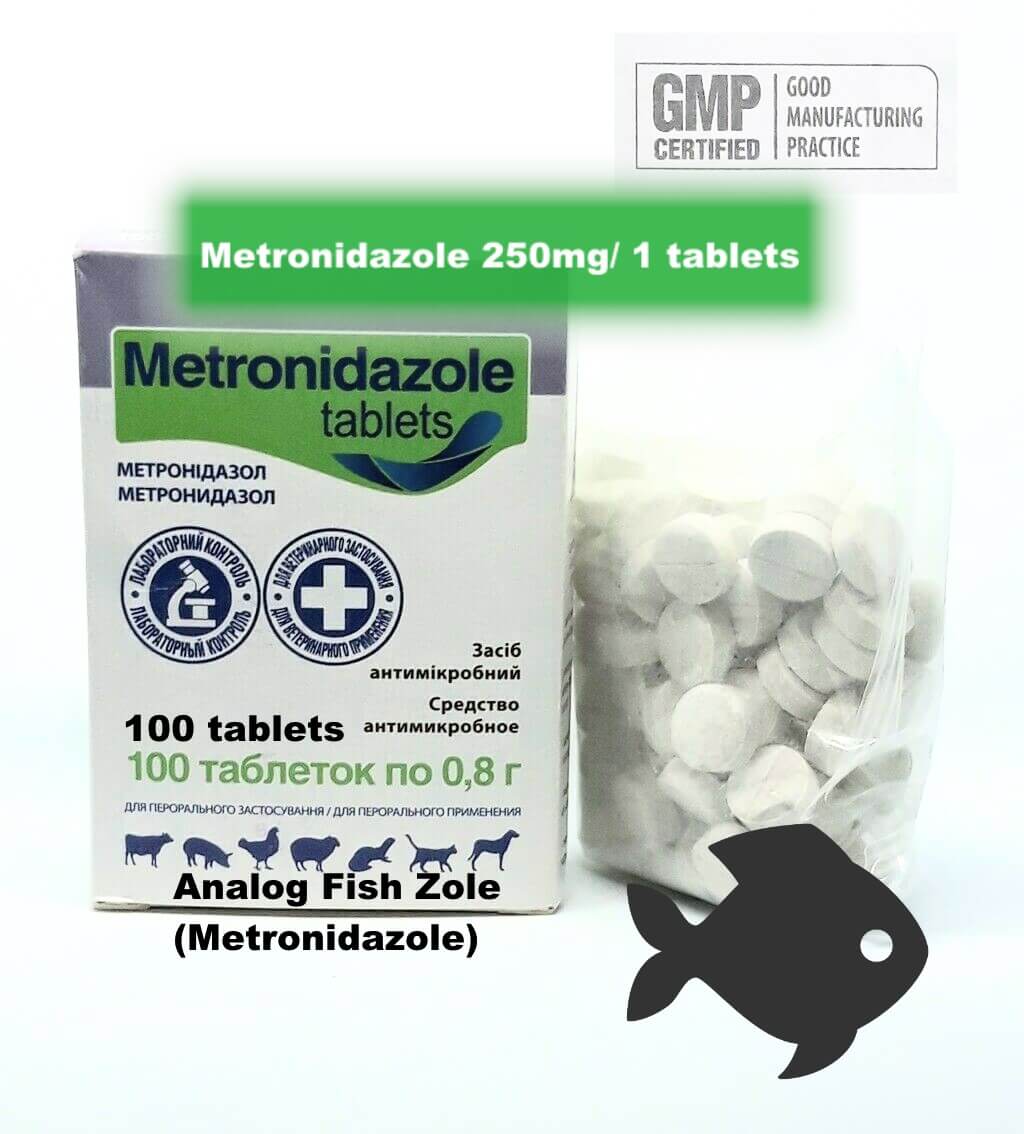
FISH parasites killer | Fish Zole | Metronidazole 250 mg

metronidazole 500mg for dogs for fish flagyl for fish for sale price

Metronidazole for fish – fish parasites killer

Metronidazole is an antibiotic that exerts a bactericidal action on gram-positive and some gram-negative bacteria in fish. Useful to help control some common bacterial diseases in fish such as Aeromonas, Pseudomonas, and Mycobacterial (Gill diseases and Chondrococcus). Effective against anaerobic bacteria, a bacteria that only grows where there is no oxygen. Also used to control parasitic diseases such as Cryptocaryon irritans, Ichthyophthirius multifiliis, and Hexamita.


Features:

  • For fish only
  • Exerts a bactericidal action on gram-positive and some gram-negative bacteria in fish
  • Useful to help control some common bacterial diseases in fish
  • Easy to use tablets

Item Specifications:

Strength:

250mg

Ingredients:
Metronidazole Directions of Use:
Add one tablet (250mg) into aquarium for each 10 gallons of water to be treated. Repeat in 24 hours. It is suggested that a partial water change be made between treatments. While duration of treatment depends on type and severity of infection, it is recommended that extended medication baths continue for a minimum of 5 days and not for more than 10 days. Discontinue treatment if no improvement is noted within 5 days. To remove harmless yellow color, change 20% of water and use charcoal filter until clear.

Posted on Leave a comment

Parasites in Fish ? Bendazole (Fenbendazole) ? Panacur

Parasites in Fish

Most of the drugs listed below are anthelmintic (antihelminthic) drugs. These are chemical preparations that effectively destroy various parasitic helminths (“worms”). With regard to fish parasites, this group includes trematodes, nematodes and cestodes (tapeworms). These medicines are given to the fish by mouth with food, although some are also effective in the form of baths. Anthelmintics used for bath treatments have been shown to be effective against non-helminth ectoparasites such as Argulus or Argulus carp lice. If the dosage for a specific drug is not listed, you should consult your veterinarian.

Many of the anthelmintic drugs used to treat fish are also used in humans, so in some countries they can only be obtained through a veterinarian. Other such agents, for example trichlorfon, are organophosphorus compounds. These are extremely toxic chemicals, and their sale is highly regulated.

It is important to remember that the life cycle of ectoparasites is quite complex and includes many stages. Some stages are resistant to chemicals, others are more vulnerable. Since resistant stages can remain viable for a long time, re-treatment is often necessary to completely eradicate the parasites.

In addition to the chemicals listed below, there are a number of specialty aquarium medicines on the market for some of the larger ectoparasites. They should be used in accordance with the manufacturer’s instructions. It is very important to follow through with the recommended course of treatment. Allow enough time for the eggs or cysts that are resistant to chemicals to hatch into larvae.

Bendazole Fenbendazole (Panacur)


Fenbendazole is used primarily to treat worms in horses. In addition, it is useful in the fight against fish nematodes such as Camallanus. It can be purchased as an equine anthelmintic. In the aquarium hobby, this medicine is used as a powder or granule, not a dough. A three-week course of treatment is carried out by the method of long baths with a dose of 2 – 3 mg/liter, and on the 7th and 14th days, the procedure is repeated.

Fenbendazole (PANACUR) aquarium dosage

Also be aware that fenbendazole seems to soak into the porous live rock and be absorbed indefinitely. I know one hobbyist who transferred a small piece of live rock that had been treated with fenbendazole (Panacur) months earlier into a reef tank, where it killed the resident starfish and Astrea snails. So enough of the medication may be retained within treated live rock to impact sensitive animals months after the fenbendazole was administered. Don’t treat live rock intended for reef systems with fenbendazole (Panacur)!

At the lower dosage recommended for nursery tanks (1/16 tsp. Per 10 gallons), fenbendazole normally does not harm cleaner shrimp and decorative shrimp. With the exception of Astrids (Astrea), Coit and Worden have found it does not usually affect the types of snails typically used as cleanup crews (e.g., Nassarius, Ceriths, and Nerites). It will kill starfish but copepods, hermit crabs, and shrimp are normally not affected.

Macroalgae such as the feathery or long-bladed varieties of Caulerpa or Hawaiian Ogo (Gracilaria) are not harmed by exposure to fenbendazole at even triple the normal dose. In fact, if you will be using Caulerpa in your nursery tanks to provide hitching posts for the fry and serve as a form of natural filtration, it’s a very wise precaution indeed to treat them with a regimen of fenbendazole beforehand.

fenbendazole panacur suspension safe guard dog pharmacyFenbendazole 10% fish bendazole Liquid SUSPENSION PANACUR

So fenbendazole (FBZ) or Panacur is primarily useful for ridding bare-bottomed nursery tanks and dwarf seahorses setups of hydroids and Aiptasia anemones, ridding Caulerpa and other macroalge of hydroids or Aiptasia before its goes into the aquarium, and cleansing live rock of bristle worms, hydroids, and Aiptasia rock anemones before it is introduced to the aquarium.  If you are serious about raising seahorse fry, fenbendazole is must-have med for keeping your nurseries hydroid free.

It can also be used to eradicate bristle worms, hydroids, an Aiptasia from an established aquarium if it does not house sensitive animals such as live corals and gorgonians, starfish, Astrea snails, or tubeworms and other desirable worms that may be harmed by FBZ, providing you monitor the ammonia levels closely and are prepared to deal with the ammonia spike that may result from the sudden death of the worm population.

Caution: For aquarium and ornamental fish only. not for human use. keep out of the reach of children. keep the container tightly closed and in a cool dry place. not to be given to fish intended for food use.

 
Posted on Leave a comment

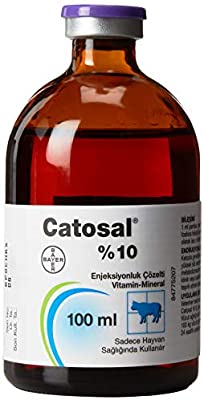
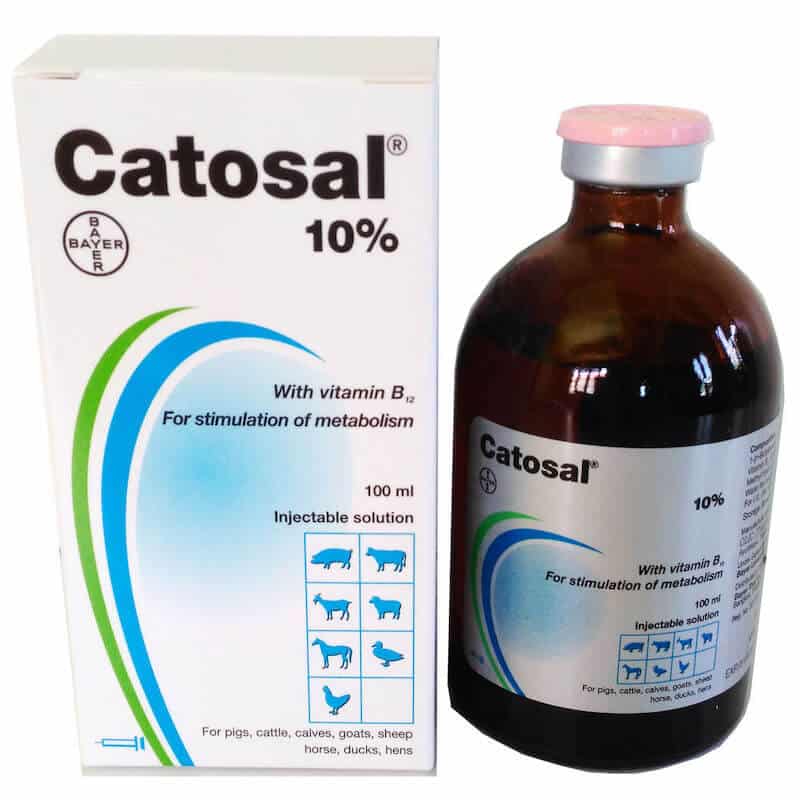
Catosal Bayer is a unique stimulant of the metabolism

Catosal bayer online shop price

Catosal Bayer

Currently, the market for veterinary drugs is well filled and it is difficult to find a drug that has no analogs. Catosal is a rare exception to this rule. It is truly one of a kind drug. Its uniqueness is Butafosfan – an active substance discovered by Bayer specialists in 1926 (!) And still has no analogs.

Catosal bayer vitamina b12 homelab price

The preparation contains two active ingredients: butaphosphamide and cyanocobalamin. Butafosfan is an organic phosphorus compound. Phosphorus compounds affect many assimilation processes in the body. Phosphorus plays a leading role in the activity of the central nervous system. The metabolism of phosphorus compounds is closely related to the metabolism, in particular fats and proteins. Phosphorus plays an important role in the processes occurring in the membranes of intracellular systems and muscles (including the heart). The role of organic compounds of phosphorus is also significant in the energy supply of vital processes. Macroergic phosphorus compounds – ATP and creatine phosphate – accumulate energy, which can then be used for mechanical (muscle contraction), electrical (nerve impulse conduction), chemical (biosynthesis of various compounds) and electrochemical (active transport of substances through membranes) work. With a lot of positive effects on the state of systems and organs, organic phosphorus compounds do not accumulate in the body and do not have side effects characteristic of stimulants and inorganic phosphorus. Butafosfan has the following effects on the animal’s body:

  • improves the utilization of glucose in the blood, which helps to stimulate energy metabolism;
  • accelerates metabolic processes by stimulating the ADP_ATP cycle;
  • activates all functions of the liver;
  • increases the nonspecific resistance of the organism;
  • stimulates smooth muscles and increases its motor activity;
  • restores tired heart muscle;
  • stimulates the formation of bone tissue;
  • normalizes the level of cortisol in the blood;
  • stimulates protein synthesis, accelerating the growth and development of the animal, as well as the reparative properties of organs and tissues.

Vitamin B12 – CATOSAL (METABOL) Bayer

The properties and complex of effects of cyanocobalamin are well known. And yet, for a clearer understanding of specialists about the complex of Catosal effects, we highlight the following:

  • stimulation of hematopoiesis
  • participation in the formation of creatine (a source of energy for muscle tissue)
  • participation in the biosynthesis of acetylcholine, which affects the state of the nervous system
  • participation in fat metabolism and metabolism of carboxylic acids
  • normalization of the process of assimilation of food
  • biosynthesis of methionine.

Indications for use: The complex of active ingredients of the drug allows its use in various fields of veterinary medicine and makes it practically irreplaceable in many treatment regimens.

Catosal is successfully used in the following cases:

  • With metabolic disorders of different etiology
  • With a decrease in the productivity and performance of animals;
  • For the prevention and treatment of infertility and postpartum complications;
  • In the treatment of secondary anemias
  • To recover animals after stress
  • To stimulate the growth of young animals
  • To normalize liver function
  • As an auxiliary therapy for intoxication, viral and bacterial infections, damage to organs and systems.

The use of Catosal in the treatment of various diseases accelerates the recovery of the animal, improves rehabilitation after illness, and reduces the risk of relapse. Catosal also helps to quickly restore the animal in the postoperative period: to reduce the likelihood of complications after anesthesia and infections.

Dosage and application features: Catosal is applied intramuscularly, subcutaneously, and intravenously in the following doses:

Dogs: 2.5 – 5 ml (average 1.0 to 3.0 ml per 10 kg of animal weight)
Cats and fur animals: 0.5-2.5 ml (on average, 0.5 to 2 ml per 5 kg of animal weight)
Horses: 10-25 ml (average 10-15 ml per 100 kg of body weight)
The product can also be used for birds. It is possible to inject the drug or drink it with drinking water at a dosage of 0.1-0.3 ml per 100 ml of water (for ornamental birds).
The instruction on the use of the drug provides for one or two administrations of Catosal at intervals of a week, however, as a result of the active use of Catosal by veterinarians, there are many different schemes for its use. Summarizing them, we can formulate the following general recommendations regarding the frequency of application of Catosal.

  1. One or two applications with an interval of two to seven days: to prevent or neutralize the effects of stress on the body; to increase the likelihood of fertilization of an egg in females, to improve the quality of sperm in males; to increase the activity and endurance of animals before exhibitions and competitions, to improve appetite, as well as to restore performance after prolonged or increased stress, in the postoperative period.

Case history 2. Pug dog, female, 3.5 years old. The animal was observed and treated in the clinic from the age of three months. At 3 months, the dog was treated for demodicosis. The anamnesis of life also: chronic cystitis after the first mating; a small number of puppies, difficult childbirth. Before the second mating of the animal, it was necessary to ensure the prevention of cystitis, as well as to increase the likelihood of giving birth to a larger number of puppies compared to the first mating.

Was proposed the drug “Catosal” subcutaneously in a dose of 3.0 ml every other day. Treatment course: 10 injections. No recurrence of cystitis was observed after mating. The dog independently (without medical assistance) gave birth to 5 puppies. During feeding, the bitch only slightly lost her condition. All puppies were active and viable, in the condition they corresponded to standard parameters.

Case history 3. Dog breed boxer, bitch. History of a difficult childbirth, 9 puppies, all different in weight (from 350 to 600 grams). After childbirth, there was an inflammation of the uterus, a lack of milk, and was treated with antibiotics. The puppies received artificial nutrition. As a result, all puppies developed severe dysbiosis, bloating and soreness of the intestines, and, as a result, growth retardation and skin rashes were observed over the entire surface of the body.

The following treatment was proposed: Lactobifadol and Catosal – subcutaneously (from 5 days of age) at a dose of 1.0 ml to puppies, and at a dose of 5.0 ml to a female, subcutaneously daily for 10 days. A positive trend was noted after 10 days. However, since both the bitch and the puppies still looked unsatisfactory, a second course of treatment with Catosal was carried out 14 days later at a dose of 2.0 ml to the puppies, and at a dose of 5.0 ml to the bitch subcutaneously daily for 10 days. By the date of vaccination (2 months), all the puppies leveled off according to the parametric data and weight, the skin rash disappeared, after weaning the puppies, the bitch quickly regained normal condition.

The drug Catosal was used in the clinic as an adjuvant in the complex treatment of other diseases, such as demodicosis, anemia (in this case, Catosal was prescribed as a rehabilitation agent after piroplasmosis and babesiosis), streptoderma, for skin diseases (including allergic ones), kidneys, heart, liver, pancreas, intestinal dysbiosis, after operations. The described clinical data indicate the multifaceted positive effect of Catosal on the animal organism and make it possible to recommend to veterinarians and breeders a wider use of this drug.


Posted on Leave a comment

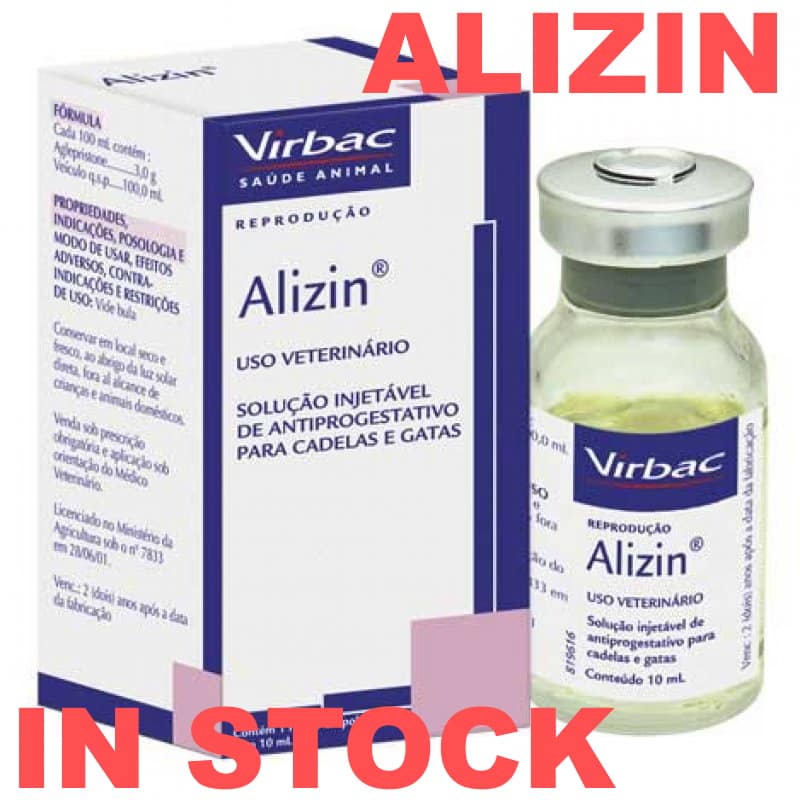
ALIZIN Virbac Aglepristone. Reproduction in the Dogs and Cats

Alizin

ALIZIN Virbac Aglepristone ☞

Reproduction in the Dogs and Cats

PROGESTINS AND ANTIPROGESTINS
Progesterone (P4) is a natural steroid hormone secreted by the corpus luteum of the ovary. It acts by binding to the progesterone receptor (PR) and causes a variety of physiological effects such as the closure of the cervix at the end of estrus, the proliferation of the endometrium, regulation of fallopian tube motility and secretory activity as a precondition for fertilization and inhibition of myometrial contractility during pregnancy …

Antiprogestins (eg aglepristone, Alizin®, Virbac) have an antagonistic effect on progesterone, they bind to PR but prevent P4 from its biological action. Spontaneous contractions are possible due to the cancellation of the gestagen-induced blockage of contractions, the cervix opens, and therefore the uterus can empty. For successful treatment, a progesterone concentration of more than 1 ng/ml is required. Thus, antiprogestins can be used to terminate a pregnancy, treat pyometra, induce labor, and treat fibroadenomatosis in dogs and cats.

ABORTION

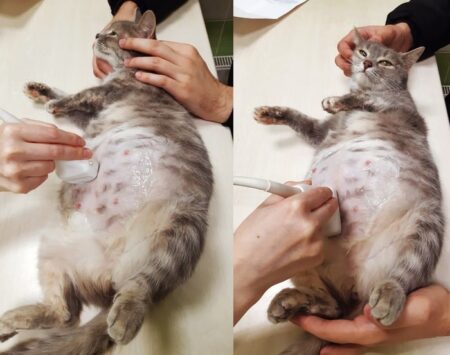
Termination of pregnancy may be necessary after unwanted mating, in case of pregnancy with one puppy or pregnancy-induced diseases in the female. Compared to previous drugs, the use of antiprogestins has only minor side effects. In addition, the efficacy rate is higher during the early termination period (days 0-22) and has an efficacy rate of 99-100%.

Usually, early termination of pregnancy leads to resorption of the embryo without obvious clinical signs. Due to the fact that the moment of mating is extremely individual, in order to avoid mating the female after treatment, it is advisable to inject the female after confirmation of cytological dysstruus based on the results of a vaginal smear.

You must enter 10 mg/kg over the next two days. The injection area under the skin must be massaged and, if the volume is more than 5 ml, the injection should be administered at different places. A third injection may be needed on day 7 if the ultrasound shows that the uterus is filling.

Aglepristone can also be used to terminate pregnancy in cats: the recommended dosage is 10-15 mg/kg, the injection protocol is the same as the injection protocol for dogs.

TREATMENT PIOMETERS

The conservative treatment for pyometra should be applied late in pregnancy or for aging females that are in poor condition. The risk of side effects after treatment with antiprogestins is much lower than after treatment with prostaglandins. Aglesterone is used alone or in combination with antibiotics; progesterone in a concentration above 1 ng/ml is required for successful treatment. For the treatment to be as effective as possible, an ultrasound scan must be performed regularly. In addition, ovarian pathologies such as cysts or tumors, glandular cystic hyperplasia of the endometrium should be ruled out before starting treatment.

Interestingly, treatment-related luteolysis shortens inerrestrus, which has been observed and verified in several studies. There is no statistical difference in the development of pyometra in females with or without the prior disease. By analogy with dogs, pyometra in cats is gestagen-dependent and once cystic endometrial hyperplasia has been ruled out, it can also be successfully treated with aglepristone according to the canine protocol.

INDUCTION OF LABOR

Induction of labor can result in premature, non-viable puppies and retained placenta. Use should be limited to therapeutic indications: maternal morbidity (toxicosis, eclampsia, preterm labor), the risk of pathologies due to fetomaternal imbalance, primary inertia of the uterus, and abnormally long pregnancy.

FIBROADENOMATOSIS

Fibroadenomatosis is a gestagen-induced, benign proliferation of mesenchymal and epithelial cells in the mammary gland of a young pregnant individual. It can also be caused by the use of exogenous progestins in cats, cats, and even male dogs. Aglepristone treatment is a successful alternative to sterilization and does not affect later pregnancies. The protocol for the treatment of induced fibroadenomatosis is 10 mg/kg subcutaneously on days 0.1 and 7. In the case of progestin-induced fibroadenomatosis, sequential injections may be required depending on the duration and effectiveness of the progestin and its half-life compared to natural progestins. It is important to inform the owner that treatment in pregnant cats will also induce abortion.

CONCLUSIONS

The antiprogestin aglepristone (Alizin, Virbac) is a new, highly effective, and well-tolerated drug for abortion, treatment of pyometra, induction of labor, and treatment of fibroadenomatosis in dogs and cats. The use of estrogens is now an obsolete treatment. For successful treatment, an accurate dosage and application interval according to the manufacturer’s instructions, as well as careful

ALIZIN Virbac buy ✅ online Shop Homelabvet

Alizine 30 mg/ml Aglepristone 10 ml

ALIZIN 30 MG/ML SOLUTION FOR INJECTION

Marketing-authorization holder :
Virbac – 1ère avenue – 2065 m – L.I.D. – 06516 Carros Cedex – France

NAME OF THE VETERINARY MEDICINAL PRODUCT

Alizin 30 mg/ml Solution for Injection

STATEMENT OF THE ACTIVE SUBSTANCE(S) AND OTHER INGREDIENT(S)

Each 1 ml contains:
– active substance
aglepristone 30 mg

INDICATIONS

Pregnant females: induction of abortion up to 45 days after mating.

CONTRA-INDICATIONS

Do not use in dogs with impaired hepatic or renal function, in diabetic animals, or in dogs in poor health.

Do not use in dogs with either manifest or latent hypoadrenocorticism (Addison’s disease) or in dogs with a genetic predisposition to hypoadrenocorticism.

Do not use in dogs with known hypersensitivity to aglepristone or the product excipient.

ADVERSE REACTIONS

In females treated after 20 days of gestation, abortion is accompanied by the physiological signs of parturition: fetal expulsion, vaginal discharge, reduced appetite, restlessness, and mammary congestion. In infield trials, 3.4 % of dogs suffered from uterine infections. After induced abortion with the veterinary medicinal product, an early return to oestrus is frequently observed (oestrus – oestrus interval shortened by 1 to 3 months).

Side effects such as anorexia (25 %), excitation (23 %), depression (21 %), vomiting (2 %), and diarrhea (13 %) have been reported from field trials.

In infield trials, the administration of the veterinary medicinal product produced pain during and shortly after injection in 17 % of dogs and a local inflammatory reaction at the injection site in 23 % of dogs. The size and intensity of this reaction depended on the volume of the veterinary medicinal product which was administered. Oedema, skin thickening, local lymph-node enlargement, and ulceration may occur. All local reactions are reversible and will usually disappear within 28 days after injection.

In infield trials, administration of the veterinary medicinal product induced hematological/biochemical changes in 4.5 % of dogs. These changes were always transient and reversible. The modified hematological parameters were as follows: neutrophilia, neutropenia, thrombocytosis, hematocrit variation, lymphocytosis, lymphopenia.

The modified (elevated) biochemical parameters were as follows: urea, creatinine, chloride, potassium, sodium, ALT, ALP, AST.
In case of partial abortion or no abortion, repeat treatment may be recommended 10 days after treatment, between day 30 and day 45 after mating. Surgery should also be considered.

In rare cases, a hypersensitivity reaction has been/can be observed.

Posted on Leave a comment

BAYER PLUS REWARDS 2021 PROGRAM YEAR LAUNCHES

Bayer Crop Science

is launching its second year for the Bayer PLUS Rewards grower program – a portfolio of what Bayer officials term high-performance seed and crop protection products.

Within the Bayer PLUS portal, growers can access all their eligible purchases at once and see how they have earned rewards with increased transparency. Enrollment is evergreen, so growers will not need to enroll again into the 2021 program. In addition, the 2021 program has remained consistent with only subtle changes made to maximize the program value for growers, say Bayer officials. 

“The continuation of the Bayer PLUS Rewards program is an exciting opportunity,” said Josh VanDeWalle, Bayer PLUS lead, in a Bayer press release. “Growers have access to additional tools, products, and ways to earn more rewards. The 2021 program year will help growers tackle the toughest challenges with more choice, flexibility, and simplicity.” 

Bayer retail partners are critical to the success of this program, say Bayer officials. In 2021, company officials say Bayer will continue to improve the tools and communication to retail partners around the Bayer PLUS Rewards program, both in the retail portal and in email communications. This will help build on an important alliance to bring growers more profitable solutions, Bayer officials say.

“Bayer PLUS Rewards helps retailers provide flexible choices from our broad portfolio of high-performance products. Establishing a strong partnership between Bayer’s sales force, our retailers, and customers creates trust and drives positive business results,” said Chris Turner, Bayer U.S. country division head, in a Bayer news release. 

Also, you can buy Bayer poducts at Homelabvet online store.

 
Posted on Leave a comment

Reason, why you should build a bee hotel in your garden?

Reason, why you should build a bee hotel in your garden?

Gardening is most rewarding when you take the time to look. That gnat on the chervil flower may be a tiny wasp that is obligingly pollinating the bloom.

Reason, why you should build a bee hotel in your garden?

I find these small, harmless wild bees and wasps enormously entertaining as they flit about and feed on nectar and pollen. I can’t distinguish all the species, but I know they are valuable and of no bother to me. Moreover, I draw great satisfaction in feeling that I have helped create an environment where these winged wonders can thrive.

Other gardeners go further, and they put out nesting tubes for bees – bee houses or bee nesting boxes or bee hotels, call them what you will – and they are an effective way to draw certain bee species to your domain.

There are pitfalls and there is disagreement, too, as to how they should be managed, but on balance bee houses offer a great way to invite this hidden universe into your landscape. At the very least, putting a bee house in your garden offers a constructive and educational distraction from pandemic blues, especially in households with young children.

The bee house ranges from something as simple as a few hollow reeds bundled together to elaborate framed structures that you can buy. And yes – unlike slotted butterfly houses (remember those?) – they actually work.

Everyone is familiar with honeybees, an Old World bee long established in North America, but the bees that are drawn to bee houses are principally species of mason and leaf-cutter bees.

There are approximately 3,600 species of wild bee in the United States.

The most conspicuous type of these, the beleaguered bumblebee, doesn’t inhabit bee houses but nests together in the ground, old mouse nests and even tussocks of grass.

For the most part, wild bees “are small, they’re dark and they’re in the background,” says Jennifer Hopwood, a conservation specialist with the Xerces Society. “But they’re still out there, and it’s important to support them when we can.”

Most wild bees nest in such terrestrial places, but about a quarter of them inhabit tunnels in decaying wood, fallen logs or in hollowed-out stems, making them potential tenants for the bee house, says David Mizejewski, a naturalist with the National Wildlife Federation and author of Attracting Birds, Butterflies and Other Backyard Wildlife.

These bees are solitary; they don’t live in hives or nests, though they will gather in bundled tubes, one to a tunnel, to shelter and raise their young.

Whether you make your own bee house or buy a readymade one, Mizejewski and Holly Walker, plant health specialist at Smithsonian Gardens, offer these tips for success: The tubes should be removable for good bee house sanitation; fungal diseases can build up and sicken the bees.

And if you want to go above and beyond, you can collect the tubes in the fall, dismantle them carefully to examine the hibernating cocoons and discard the pupae that have disease or parasites. The keepers are then stored in a cold, sheltered spot – not indoors – over the winter so they can emerge in the spring. Other experts say you don’t have to go to such bother to be a successful native bee guardian; replacing tubes every year or two is sufficient.

Harvesting and cleaning bamboo is laborious, says Sam Droege, a biologist at the Patuxent Wildlife Research Center in Maryland, but reeds and grasses are easier to collect. As sturdy, hollow-stemmed grasses, miscanthus, pampas grass and the weedy reed named phragmites are well-suited to the task. Tie off the stems, cut them to the desired length (a saw is good for this) and bundle them. “You can make them into sculpture,” Droege says. Sounds like a great summer project to do with the kids.

Hopwood says one common tenant is a wasp that lines its tunnel with blades of grass that stick out of the end conspicuously.

Other considerations: The tubes should be at least six inches long to allow for a sufficient brood chamber, and they should be secure so they don’t blow around in the wind. Place them below an overhang to keep them dry but not too close to the ground to minimise predation. Position them to face the morning sun, so the bees can warm up early in the day and get about their work.

What shouldn’t you do? Some experts advise against assembling bee houses that are too large, because the concentration of bees will invite disease, parasites and predators. Don’t use plastic straws, because they won’t wick moisture away from the nests, says Samuel Ramsey, an entomologist who lives in Washington. He has had as many as 10 clusters of tubes in his suburban home. “There’s quite a diversity of native bees,” he says. “They tend to be overlooked.”

Insect hotels incorporate bee tubes but offer materials and habitats for a wider range of desirable invertebrates. This breadth of function may make managing the bee tubes more difficult, and, in my experience, these mega structures don’t age well without repair and maintenance.

Walker is not gung-ho on the old practice of simply drilling holes into blocks of wood because of the difficulty of keeping them free of bee diseases and pests.

But others are more relaxed about this. Droege says grab a portable drill and bits between 1/16 inch and 1/2 inch and go about the garden making holes. Avoid pressure-treated wood, live trees and Uncle Harry’s rowboat. “People tend to get very rigid about what these bees require, but it’s very straightforward,” he says. “Drill holes, give them a lot of options.”

For spring-nesting mason bees, the best time to put up a bee house is in late winter, but other bee species will use the tubes throughout the growing season, so there is no bad time to install one. It may take a while for the bees to find it, but they will arrive. “Absolutely,” Ramsey says. “Every single year.”

An organisation formed to help pollinators, Pollinator Partnership, gives a plan for a homemade bee hotel on its website, pollinator.org.

These insects pose little or no threat to people. Even the ones with effective stingers don’t have the nest-defending aggression of social species such as honeybees or yellow-jackets, experts say.

Ultimately, the bee houses may be more for our benefit than for the bees, because these creatures are around anyway. Droege says an acre of land can support an estimated 25,000 individual bees annually.

Bee houses are a small part of what you can do. The best way to harbour wild bees is to garden with them in mind, which is to say avoid using pesticides, plant lots of herbaceous perennials and grasses, and let fallen branches lie to give these insects the sort of natural habitat they used long before bee houses were dreamed up.

Don’t be too tidy. In her garden in Omaha, Hopwood cuts back her perennials and grasses in winter at six to eight inches above the ground. This leaves old, hollow stems standing that the bees will use during the spring. Vernonia, Joe Pye weed and the aptly named bee balm (bergamot) are all good perennials for this use, she says. The new spring growth of the perennials will soon hide the old stalks.

Some ecological gardeners will leave top growth after it fades in October, but Droege says this is of little value to wild bees unless the stems have been damaged or cut, so they can gain access. “I tell people, cut everything off at a foot in the fall, and then you have got a whole source of open stems for bees to choose next year,” he says.

Many bee species rely on specific native plants for their pollen needs, so the gardener should consider planting those for them. These would include native willows and dogwoods and plants within the daisy family, such as asters, rudbeckias and goldenrods.

By welcoming all wild bees, we get a practical benefit: They are good at pollinating garden plants, so we get fruit and vegetables and seeds and berries.

But placing a bee house by the kitchen window and observing these creatures, even when one species preys on another, simply adds to our understanding of nature. “There’s just no downside to opening up our world,” Hopwood says.

Gardening tip:

Outdoor containers must drain to prevent soggy soil and root rot. Do not set them on saucers. A pot is fully watered when water drains from the bottom, and watering is easier if there is an inch between the soil and the lip of the container.

Materials by: The Washington Post

Posted on Leave a comment

Cat scratch fever: What to do and what you should know?

Cat scratch fever: What to do and what you should know?

Cat scratch fever can happen when a person receives a bite, scratch, or lick from a cat that is infected with the bacteria Bartonella henselae.

The infection does not usually cause severe complications, but it can lead to problems for people with a weak immune system. Knowing how to spot cat scratch fever can ensure a person receives swift treatment.

Cats can transmit several types of infections to humans. Some of these diseases can be severe. Carrying out routine care for a cat often reduces the risk of many of these diseases.

Cat scratch fever: What to do and what you should know?

Causes

A person can get cat scratch fever after a scratch or bite from an infected cat. The Bartonella henselae (B. henselae) bacteria live in a cat’s saliva. They can pass to a person through an open area of skin.

Cat scratch fever is more common in the fall and winter when people are inside and playing with their cats. Children are more likely than adults to have it, and playing roughly with a cat increases the chances of getting scratched.

Symptoms

Cat scratch fever does not usually cause symptoms in the first few days or weeks after exposure when the bacteria are multiplying in the body.

About 3 to 14 days after the infection first occurred, a person may see a small bump or blister on the contact area, most commonly on the:

  • arms
  • hands
  • scalp
  • head

Doctors call this an inoculation lesion. This lesion may not occur in some cases, or an individual may not notice it on their body.

A few weeks later, the lymph nodes near the lesion may become swollen or tender.

Lymph nodes are responsible for filtering bacteria and other particles and for creating immune system cells. They usually feel like small, spongy, round or oval bumps.

If a person has had a bite or scratch on the arm, the lymph nodes under the arm or near the elbow may be especially tender.

Sometimes, the lymph nodes swell as much as 2 inches across. They may be warm to the touch, fluid-filled, or red. They may remain swollen for 2–3 weeks.

For most people, swollen lymph nodes are the only symptom. However, other symptoms that might occur include:

  • abdominal pain
  • loss of appetite
  • fever, typically not above 102°F
  • tiredness
  • a headache
  • joint pain
  • a rash
  • a sore throat

A person should see a doctor if they have a scratch that continues to get larger after 2 days.

Complications

Cat scratch fever does not usually cause severe symptoms, but some people may develop a high temperature that does not improve with time. Some people can also experience infections in the bones, joints, liver, lungs, or spleen.

According to the Centers for Disease Control and Prevention (CDC), the most severe symptoms usually occur in children aged 5 years and under.

Cat scratch fever does not usually need emergency care, but sometimes it does. A person should contact their doctor immediately if they experience the following symptoms:

  • a cat bite or scratch that is not healing or is getting worse
  • the red area around a bite or scratch is enlarging
  • a high fever that lasts more than 2 days after the bite or scratch
  • severe pain

Diagnosis

Cat scratch fever can be difficult to diagnose because a number of other conditions have the same symptoms. The physician will ask about the individual’s medical history and whether they have had any interactions with a cat.

The doctor will then examine the scratched area and look for any swollen lymph nodes.

This is usually sufficient for a diagnosis, but sometimes they may suggest further tests to make sure the person does not have another condition.

The doctor might take some blood and send it to the lab to find out what kind of bacteria are present. One blood test can test specifically for cat scratch fever.

Treatment

Most cases of cat scratch fever are mild, and a doctor will not always prescribe treatment. If symptoms are moderate to severe, they may prescribe an antibiotic.

At-home treatments for the condition include bed rest if needed, and an over-the-counter pain reliever if the lymph nodes are painful or especially tender.

Children can mostly continue with their usual activities, but they should avoid hitting or interfering with the affected lymph nodes.

If a person has had cat scratch fever once, they are unlikely to have it again.

Preventionvacuum cleaner

Cats can transmit cat scratch fever to people, but people do not usually pass it to each other. If one family member is affected, others should practice caution around a family cat, as the cat could infect them also.

An episode of cat scratch fever does not mean a family should necessarily get rid of their pet. However, to prevent cat scratch fever, people should:

  • only adopt a cat that is more than 1 year old if a family member has poor immunity, as kittens are most likely to have the disease
  • avoid rough play around a cat or kitten
  • never allow a cat to lick wounds or open areas of skin
  • avoid petting stray or feral cats
  • wash hands and any other affected areas after playing with a cat

Fleas pass the infection from one cat to another.

To prevent a flea infestation:

  • vacuum the home frequently
  • use flea prevention, such as medication, to protect the cat from flea bites
  • contact a pest control company if a lot of fleas appear in a home

Checking for signs in a cat

The CDC estimate that around 40 percent of cats carry the B. henselae bacteria at some point in their lives. Most of the time, they do not show signs of illness.

Symptoms

Cats get the infection when they scratch and bite at fleas that infect them or fight with cats that are carriers.

If a cat has fleas or visible scratches, a person may wish to practice caution when handling their cat. Once a cat has the cat scratch fever infection, it can carry the bacteria for several months. During this time, it can pass on the infection.

Cats with the bacteria often have no symptoms, but they may have a fever that lasts for 48–72 hours.

In rare cases, cat scratch disease can cause severe symptoms in cats.

These include:

  • fever
  • vomiting
  • low appetite
  • lethargy
  • swollen lymph nodes
  • red eyes
  • inflammation in the mouth

The infection can remain for several months in the cat, and symptoms may reappear at times of stress, for example, after trauma or surgery or alongside another illness.

Diagnosis and treatment

A vet can inspect a cat for fleas and make recommendations about flea prevention and avoiding scratches and bites.

A test is available for the bacteria, but doctors do not usually recommend it for cats that have no symptoms. The bacteria are widespread, and the test can be unreliable.

Cats do not usually need antibiotics unless they have noticeable symptoms.

Prevention in catswoman with a cat

Taking steps to reduce fleas in a cat can reduce the likelihood of cat scratch fever. People can care for their cats by doing the following:

  • applying or administering a vet-approved flea treatment regularly
  • keeping a cat indoors to avoid contact with stray or infected animals
  • keeping a cat’s nails trimmed and neat
  • scheduling and maintaining regular checkups with a vet

There is currently no vaccine against cat scratch fever bacteria.

Products to protect a cat from fleas are available for purchase online.

Other conditions cats can spread

Apart from cat scratch fever, a cat can carry other diseases.

These include:

Campylobacteriosis: Bacteria cause an intestinal infection.

Cryptosporidiosis: A parasite causes diarrhea and abdominal cramping.

Plague: Although rare in America, this can occur if a person takes their cat to another country.

Rabies: Cats should have regular vaccinations to prevent rabies infection.

Ringworm: Kittens are especially likely to carry this fungal infection. It causes bald patches on the skin.

Tapeworm: Most common in children, this infection occurs when a person ingests a flea from a cat that has tapeworm larvae.

Toxocara infection: This condition does not always cause symptoms, but it can give rise to severe complications, such as blindness.

Toxoplasmosis: It is crucial to avoid this during pregnancy. Complications include growth and eye problems in the unborn child and pregnancy loss.

Posted on Leave a comment

Which human foods can dogs eat?

Dog with carrot pet medicine pharmacy

Which human foods can dogs eat?

Dogs have a different digestive system from humans. This means that some foods that are safe for people can be harmful or even very dangerous for dogs.

However, many human foods are also safe for dogs and can provide important nutrients and health benefits.

Here, we look at which people foods are safe for dogs and which not to feed them.

So, which human foods can dog eat?

While many people foods are safe for dogs, they should generally only eat in them moderation.

Human foods that are safe for dogs include:


Carrots

Carrots are a healthful food for dogs. Chewing on carrots can help remove plaque from their teeth and otherwise promote good dental health.

Carrots are also a good source of vitamin A, which is beneficial for a dog’s immune system, skin, and coat.

However, too much vitamin A can be toxic, so feed a dog carrots in moderation.


Applesdog eat apples

Apples provide many important vitamins for dogs, including vitamins A and C.

Apples are also a good source of fiber, which can help regulate a dog’s digestion. However, eating rotting apples can lead to alcohol poisoning in dogs.


White riceWhite rice

Cooked, plain white rice can be a good option for a dog with an upset stomach, as it is easy to digest and helps bind stool.

White rice can cause blood sugar levels to rise, however, so dogs with diabetes should only eat it in small amounts.


Dairy productsDairy products

Dairy products, such as milk, cheese, and plain yogurt, are safe for dogs to have in very small quantities.

Eating too much dairy can cause digestive problems. This is because dogs have low levels of lactase, a digestive enzyme that breaks down the sugars in milk.

Dogs with lactose intolerance should not eat dairy products. Signs of lactose intolerances include diarrhea or vomiting after consuming anything that contains dairy.


Fishdog eat fish

Salmon, shrimp, and tuna are all safe for dogs to eat and good sources of protein.

Salmon and tuna are rich sources of omega-3 fatty acids, which can help keep a dog’s immune system, coat, and skin healthy.

The B vitamins in shrimp can also help maintain a dog’s digestive system and promote healthy blood circulation.

It is important to cook fish before feeding it to a dog, as uncooked fish can contain harmful parasites.


Chicken

Plain, boiled chicken with no seasoning is a good option when a dog has an upset stomach.


Peanut butter

Unsalted peanut butter with no added sugar or sweeteners is safe for dogs to eat in moderation.

Peanut butter contains many beneficial elements, including vitamins E and B, niacin, healthful fats, and protein.

However, it is vital to check that the peanut butter does not contain a sweetener called xylitol, which is highly toxic to dogs.

Anyone who suspects that their dog has ingested xylitol should immediately contact a veterinarian or call an Animal Poison Control Center.


Plain popcornPlain popcorn

Plain popcorn, without salt, butter, or sugar, can be a nutritional treat for dogs.

Popcorn contains minerals such as magnesium, phosphorus, and zinc, which are all important for keeping dogs healthy.

Make sure dogs do not eat any unpopped popcorn kernels, as this could cause them to choke.


PorkPork

Unseasoned, cooked pork is safe for dogs to eat.

However, they should only consume small portions of pork, as the high fat content is hard for dogs to digest, and it can cause inflammation and pancreatitis.

Refrain from feeding dogs bacon or processed ham, due to the high salt contents.


Turkey

Cooked turkey is safe for dogs to eat, but it should be plain and unseasoned. Many commercial dog foods contain turkey, as it is a good source of protein.

Before giving cooked turkey to a dog, remove the fat first. Too much fat can cause pancreas issues in dogs.


Blueberriesdogs-eat-blueberries

Blueberries are safe for dogs to eat and a rich source of fiber, antioxidants, and phytochemicals, which can provide a range of health benefits for dogs.

Research from 2012 suggests that antioxidants may help improve age-related issues in older dogs.


Bananas

Dogs can eat bananas in moderation. They are full of magnesium, which is important for good bone health.

Due to their high sugar content, bananas should only be an occasional treat for dogs.


Cucumbers

Cucumbers are a safe, low-calorie snack for dogs, and they can be a good option for those who are overweight.

Cucumbers also contain plenty of vitamins and minerals, such as vitamin K.


Green beans

Plain green beans are a good, healthful snack for dogs. They are a source of protein and also contain calcium, iron, and vitamin K.

Dogs can eat green beans cooked or raw. However, avoid seasoning and chop up the beans first to prevent choking.


Watermelonjack-russell-terrier-eats-watermelon

Watermelon is safe for dogs to eat, but it is important to remove all the seeds first, as these can block the intestines.

Chewing on the rind can also cause an upset stomach, so remove this too before giving the watermelon to a dog.

Watermelon has a high water content, so it can help keep dogs hydrated. It is also a good source of vitamins A, C, and B-6.


Which foods can harm dogs?

Some foods that are perfectly safe for humans can cause problems or illness in dogs.

Anyone who suspects that their dog has eaten something toxic should call a veterinarian or Animal Poison Control Center immediately.

Avoid giving a dog:


AvocadoAvocado

Avocados contain a substance called persin, which is toxic to dogs and can cause vomiting and diarrhea.


Cherries

Cherry pits contain cyanide, which is poisonous. They can also be a choking hazard or block the intestines if a dog swallows them.


Chocolate, coffee, and caffeine

Never give chocolate, coffee, or anything containing caffeine to dogs.

These products contain chemicals called methylxanthines, which are highly toxic to dogs. The chemicals can cause vomiting, an abnormal heart rate, seizures, and sometimes death.

Chocolate treats are available for dogs, but these contain a special chocolate substitute that is safe for them to eat.


Raisins and grapes

Grapes, raisins, sultanas, and currants are all highly toxic to dogs. Even small quantities can cause kidney failure and, in some cases, death.

Also, refrain from giving dogs any product that may contain these foods, such as fruit cake or malt loaf.


Citrus fruits

Citrus plants and their fruits, such as oranges and lemons, contain citric acid. While eating small amounts of the peeled fruit is okay for some dogs, it can cause an upset stomach.

In larger quantities, citric acid can lead to nervous system depression.


Cinnamon

Although not toxic, large amounts of cinnamon can cause vomiting, diarrhea, and liver disease in dogs.


Coconut products

Dogs should not drink coconut water, due to its high levels of potassium.

A person should also limit how much coconut oil or flesh they give their dog, as these foods can cause upset stomach or diarrhea.


NutsMacadamia nuts

Avoid giving nuts to dogs.

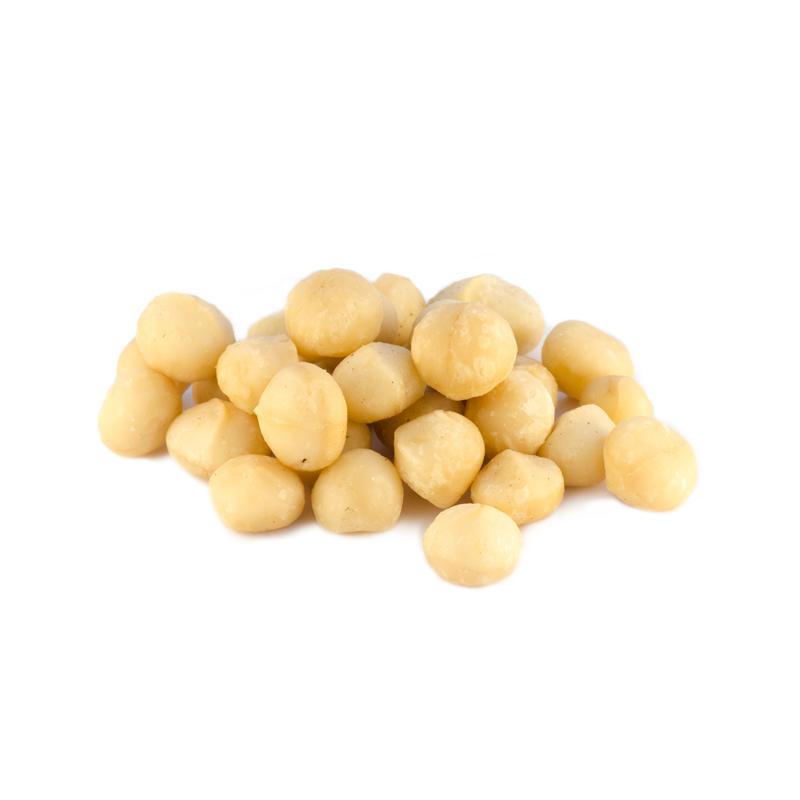
Macadamia nuts are poisonous to dogs and can cause muscle weakness, vomiting, lethargy, and hyperthermia.

Other types of nuts can cause dogs to choke.


Ice cream

Dogs should not eat ice cream, due to its high sugar content. Also, some dogs are lactose intolerant.


Onions, garlic, and chives

Onions, garlic, and chives are all part of the Allium genus. They contain substances called organosulfoxides, which are toxic to dogs and may lead to vomiting, diarrhea, and stomach pain.

Organosulfoxides can also cause anemia in dogs.


Raw or undercooked meatRaw or undercooked meat

Raw meat can contain Escherichia coli and Salmonella, which are types of bacteria that can cause food poisoning in dogs and humans. Cooking the meat properly kills the bacteria.

In recent years, certain manufacturers have promoted the benefits of raw meat for dogs, and some boutique products contain it.

It is important to understand that raw meat diets pose health risks to dogs and may not provide a complete nutritional balance.


Raw eggs

Eating raw eggs can lead to biotin deficiency in dogs, which may affect the health of their skin and coat.


Salty foods

Too much salt can cause excessive thirst and urination in dogs, as well as sodium ion poisoning.

Symptoms of this poisoning can include:


  • vomiting
  • diarrhea
  • involuntary shaking, or tremors
  • high temperature
  • seizures


XylitolXylitol

Xylitol is a sugar substitute that manufacturers add to a variety of human foods.

However, xylitol is highly toxic to dogs. It can cause liver failure and dangerously low blood sugar levels.


Bread doughBread dough

While bread is generally safe for dogs, the dough can be very dangerous.

The yeast in dough can cause it to keep expanding inside the dog’s stomach, which can cause bloating and lead to dangerous complications. The yeast also produces ethanol, and this can cause alcohol poisoning.


Alcohol

Never give a dog alcohol or products containing it. Alcohol is very dangerous for dogs and can lead to a range of serious complications, including coma and death.


Summary

Many human foods are safe and nutritious for dogs. However, a person should generally feed dogs these foods in moderation, as larger quantities can lead to health issues.

Consult a veterinarian before giving human foods to dogs with:


  • diabetes
  • weight issues
  • food sensitivities
  • liver or kidney disease
  • other health concerns

It is crucial to keep any foods or substances that are dangerous for dogs out of their reach.

Foods that are especially harmful to dogs include:


  • anything containing alcohol
  • chocolate, coffee, and caffeine
  • products containing xylitol

If in doubt about a particular food, speak to a veterinarian before giving it to the dog.

Anyone who suspects that their dog has ingested something potentially harmful should immediately call a veterinarian or an Animal Poison Control Center for advice.