The method of storing food can greatly affect the freshness, nutrition, and taste of food. In addition, a fairly common cause of poisoning is a spoiled product. In order to store dry food properly, you must keep it in a cool, dry place and in an airtight container. Canned food should be stored in the refrigerator (not in the freezer!) in a closed container after opening and discard after a few days if not consumed.
The Council: buy as much food as you think your pet can eat at a certain time. Do not buy food by weight: you do not know how long the food is in the open state.
Food should not be sold in the open state! It loses its usefulness, nutrition, sometimes just dangerous for the pet!
Yes, you just don’t know if you’re buying exactly the food you want. If it is profitable for you to buy food by weight, then think about the possible consequences of using a spoiled product and possible financial losses in the treatment of your pet.
There is always a way out: you can buy food by cooperating with relatives, friends, and neighbors.
Food should not be sold in the open state! It loses its usefulness, nutrition, sometimes just dangerous for the pet!
Store food in a dry, cool, sun-protected environment that does not exceed 36 degrees Celsius. Higher temperatures lead to the destruction of nutritional properties, vitamins, makes food rancid.
Keep the food in its original packaging with a zip lock or a special container for food. Plastic bags or simple containers have a smell that can greatly change the taste of food. Always roll the top of the feed tightly (if stored in its original packaging) to better seal it. Tip: on the outside of the container, place information about the feed, including the expiration date, manufacturer and brand names, UPC code, and batch number. Make sure you change the label every time you open a new bag of food.
Do not store dry food on the ground, in a garage, or in a cold or wet basement (only wet food can be stored there). At normal temperatures in the apartment, it is better to store food in storerooms or kitchen cabinets without access to your Pets (and small children, of course).
Wet food should not be left in the bowl for more than four hours. If the pet has not eaten the entire portion, it should be thrown away and the bowl should be thoroughly washed. The best option would be to adjust the feeding rate at a time.
Place the remaining wet food in the refrigerator. The temperature of the refrigerator should be approximately 4.5-8 degrees Celsius. You can’t freeze food. Open cans can be stored in the refrigerator for a maximum of 3 days (preferably less). Any open canned food that has not been consumed during these days should be discarded.
In the refrigerator, it is better to store open canned food in closed quality (odorless) containers. It can be stored in cans when tightly closed with a plastic lid. Before serving, warm up the wet food to room temperature (you can use a microwave oven).
If you are going for a walk or on a trip, choose a convenient purse or bag for storing food or treats.
You can buy online some interesting things for your pet at Homelab Pet Store.
Dogs respond differently to the same stimuli. Someone eats chicken with pleasure, and someone starts itching from it. When this reaction becomes too strong, it is called an Allergy. This is when the dog’s body perceives simple things like pollen as dangerous and harmful. Externally, this can manifest as redness, itching, scabs and rashes on the dog’s skin.
The main types of allergies in dogs:
Food allergy
Allergic to the saliva of fleas
Allergic to substances in the external environment
Now let’s look at how they differ, and what to do if your dog has such an Allergy.
Allergy meds for dogs should only be treated with allergy meds for dogs.
Signs of Allergy in dogs
Symptoms of an Allergy can be the same regardless of its type. These are mainly skin rashes, itching, redness and puffiness. Signs of allergies are most often found in the armpits, on the muzzle and ears, paws and stomach
Allergy is manifested in dogs on the skin, on the ears, on open areas of the skin, on the paws and stomach.
Allergy symptoms in dogs:
Puffiness
Discharge from the ears, eyes, nose
Redness and rashes
Itch
An unpleasant odor from the coat and skin
How Allergy manifests itself in dogs is not so important. Externally, all types of allergies may look the same, but the treatment will be different. Therefore, if you have any signs of allergies, you should go to the doctor, and not self-medicate.
You will not be able to determine the cause of the Allergy without a doctor.
We advise you to try dog allergy medicine apoquel.
Food Allergy in dogs
One of the rarest types of allergies. Occurs gradually. Therefore, if the dog has an Allergy at the same time as the new diet, it is most likely not in the food.
It takes time for a food Allergy to manifest itself. Usually, an Allergy occurs to a particular type of protein. Most often on chicken and beef, less often-on Turkey, calf, duck and rabbit. That is why they are often included in hypoallergenic feeds.
Treatment of food allergies in dogs begins with a change in diet. First of all, it is necessary to establish what type of protein the dog is allergic to. Therefore, the previous source of protein is removed from the diet and replaced with a new one. For example, they stopped feeding beef and switched to duck. This applies to both natural food and ready-made feed. In severe cases of food allergies, the dog is completely transferred to hypoallergenic food.
Alex P, chief medical officer of «Petmeds», it is possible to Differentiate the type of Allergy only by excluding the influence of food on its occurrence. Currently, the gold standard for the diagnosis of food allergies is the use of a diagnostic diet with a limited number of components, then a provocative diet, and again a diet with a limited number of components.
For 6-8 weeks (in rare cases up to 10 weeks), the patient should receive only food with a new protein source. If the itch has completely passed during this period, the dog is provocatively fed the same diet (1-2 weeks). The resumption of clinical signs confirms the diagnosis of “food Allergy”. If the intensity of itching has not changed during the diagnostic diet, or if the itching has completely passed, but has not resumed after the provocative diet, you can exclude food as its cause.
In this case, the most likely cause is a non-food Allergy (atopic dermatitis).
If during the period of the diagnostic diet, the itch decreased, but did not completely disappear, and after the provocative diet it increased again, then the patient probably has a non-food Allergy in addition to food allergies.
Flea Allergy in dogs
Flea saliva contains a foreign protein. It is on it that an Allergy occurs, which is often called an Allergy to fleas in dogs. When a flea bites a dog, toxic protein gets into the blood along with saliva. Therefore, the symptoms may persist even after you have removed the fleas from the dog. Flea allergies are more common in summer and autumn. This seasonality is due to the fact that at this time fleas feed more actively before hibernation.
To cure an Allergy to flea saliva, you need to remove the very cause — fleas. Collars and special shampoos are used. The veterinarian may prescribe some medications. The complexity of this Allergy is that you can not find the fleas themselves on the dog. To start an Allergy, just one bite on the street is enough. In addition, all dogs itch differently: someone will comb so that the owner will not stand it, and other dogs will not even notice.
Allergic to substances in the external environment
The reaction to external stimuli-pollen, dust, mold, even grass-is called atopic dermatitis. After flea allergies, this is the most common type. Usually manifests itself at the age of 10 months to three years.
Atopic dermatitis can not be cured, you can only make the dog’s life comfortable enough. Sometimes it helps prophylaxis or transfer. For example, if a dog is allergic to dust, frequent cleaning, replacing carpets with parquet, or moving to the countryside can reduce symptoms.
Unusual types of atopic dermatitis
Allergy to the sun. Dogs with such allergies have to walk early in the morning and late in the evening when there is no sunlight.
Allergy to the host. The dog reacts to specific substances that are contained in the particles of the skin and hair of the owner.
Allergy to perfumes. Especially dangerous if this perfume is used by the owner.
Diagnosis of Allergy in dogs
To detect a dog’s Allergy, there is a large set of methods and studies. You can’t do this in just one way, and you always need a comprehensive study. This is due to the fact that different types of allergies can have the same symptoms. Therefore, the task of the veterinarian is to consistently exclude each of the possible options.
It all starts with the collection of anamnesis. The doctor asks about how the dog is kept, where he lives and sleeps, what kind of vegetation is at home and near the house, what the dog eats every day. You should know the answers to these questions if you are taking someone else’s dog to the doctor. Without answers, the session will be useless.
Many dog skin allergy medication should be applied to the body.
Treatment of allergies in dogs
Not all types of allergies can be cured permanently:
food allergies in dogs. From the diet, you need to exclude the product that you are allergic to.
Allergy to dog food. You need to change the food itself, for example, switch to a different brand. You can keep the same brand of feed, but replace the base. For example, switch from a duck to a rabbit.
Allergy to flea saliva. Regularly use flea medications: collars, shampoos, etc.
Allergy to external stimuli. Avoid contact with items that cause allergies. Remove carpets from the house, put on dog paws shoes to avoid contact with pollen and grass.
What can I give a dog from Allergy
Sometimes you don’t need to give anything. For food allergies, it is enough to exclude a certain type of protein from the diet. For example, go from beef to duck. However, this can only be determined by a doctor.
If a dog has an Allergy, only a veterinarian knows how to treat it.
Only a specialist must necessarily remove the body from the reactive state, since only he can distinguish non-standard reactions from some other infectious and non-infectious diseases that have a similar clinical picture.
Treatment of allergies in dogs is always complex and depends on the type of reaction and its symptomatic manifestations. But
regardless of the nuances of the development of the condition two main points of treatment are present in any case:
The innovative formula of the drug with the active substance Oklatsitinib, allows you to eliminate itching in the shortest possible time for dermatitis, allergies. Reduction of itching is observed as early as 4 hours after the first dose of the drug and the antipruritic effect will last at least a day!
Apoquelis a non-hormonal drug, the main active component of which is oclacitinib, which inhibits the function of cytokines that cause itching and inflammation of the skin.
Apoquel eliminates itching caused by dermatitis, allergies to the environment (pollen, dust mites), food allergies (allergies to soy, cereals, dairy products), insect bites (fleas, ear mites or scabies), allergies to chemicals (shampoos, cleaning products, deodorants, artificial floor coverings)
Try the new Zoetis Apoquel!
Here you can make online veterinary pharmacy!
In our store you can buy medicines for dogs at the best price!
is an Infectious disease of dogs caused by a virus, characterized by conjunctivitis, diarrhea, nervous phenomena, suppression of the immune system, with a long course.
Infection:
Infection occurs in several ways: orally (alimentary), aerogenically through the discharge of sick dogs. Sick animals secrete the virus for up to 3 months. Indirect transmission (through clothing, dishes, food) also occurs, but is less significant.
The incubation period is 3-6 days. Possible intrauterine infection, when puppies fall ill after the disappearance of maternal immunity in 4-6 weeks.
Virus isolation:
All secretions of a sick animal are contagious, and can remain so for up to 8 weeks.
Dogs that have been infected with the carnivore plague virus remain immune to it for the rest of their lives.
Symptoms:
fever, anorexia, vomiting, diarrhea, conjunctivitis, purulent discharge from the eyes and nose, tonsillitis, pharyngitis. Pregnant females have abortions.
In addition to the above there are also specific forms of manifestation of this viral infection:
gastrointestinal form-defeat of the gastrointestinal tract
respiratory form-bronchopneumonia develops, sometimes with severe shortness of breath and collapse of blood circulation
eye changes – photophobia, uveitis, keratitis with ulceration is often observed. In severe cases
, skin blindness occurs – the formation of blisters and pustules with severe hyperemia (redness) in the lower abdomen, on the inner side of the thighs and ears. Otitis externa is also possible. Plague can be good for demodectic mange
nervous form of plague-occurs after the respiratory form fades, rarely simultaneously; it is manifested by epileptic seizures, convulsive contractions of the chewing muscles, mental disorders, Manege movement, TIC, ataxia, paresis, paralysis
hyperkeratosis of the finger crumb-a rare form of carnivorous plague that occurs during the 2nd week of the disease or after it.
Prognosis:
Cautious in respiratory and intestinal forms, uncertain in the nervous form without temperature, unfavorable in severe pneumonic and febrile, nervous forms.
Prevention:
With the help of consistent vaccination prevention, the incidence of plague can be kept under control. Puppies are usually vaccinated at the age of 8 weeks and after 3-4 weeks with a combined vaccine.
Heterogeneous complex of primary viral and secondary bacterial infections of the upper respiratory tract. Since these diseases are not limited to nurseries, it is more correct to talk about infectious lariongotracheobronchitis.
The types of viruses vary from country to country, with each outbreak, and are related to the type of dog keeping (isolated or group). Quite often, this disease can be complicated by secondary infections (pathogens of which can be Bordetella, streptococci, staphylococci, pasteurels, klebsiels, mycoplasmas, etc.).
Infection:
occurs by airborne droplets and rapidly covers the entire dog population.
The incubation period can last from 2 to 30 days .
Symptoms and course of the disease:
Hidden infections. With clinically manifested uncomplicated infections, a convulsive dry cough with or without disorders of the General condition, serous nasal discharge and tonsillitis come to the fore.
In most cases, the participation of dogs in an exhibition or competition, staying in an overexposure point, or an individual stressful situation (change of owner, transportation)
Complicated infection:
Additionally, fever, General disorders, and signs of pneumonia are detected.
Factors predisposing to a severe course of the disease are:
admission from the kennel, with a constantly changing composition of animals
multiple infections (suppression of the animal’s immunity)
lack of vaccination, incorrect vaccination
mass worm infestation and stress in young dogs
crowded content
Prognosis:
Is favorable, as in 7-14 days spontaneous recovery occurs, with the exception of weakened young dogs
Prevention:
Timely vaccination with a complex vaccine (which is based on the spectrum of pathogens in the affected areas).
Infectious hepatitis in dogs
Canine adenovirus 1 causes liver inflammation. It is related to adenovirus 2 (causes laryngotracheitis), so this disease has respiratory symptoms.
Isolation of the virus:
Begins from the 5th day through saliva, urine, feces, and with urine up to 6 months. In a low-temperature environment, the virus persists for up to 9 months. At room temperature for 3-11 days. For disinfection, 5% calcium chloride, sodium hydroxide, and iodine preparations are used.
Symptoms:
in most dogs, this disease is hidden.
Clinically, the disease manifests itself quite rarely and usually simultaneously with the plague of dogs (in young dogs).
Subacute or chronic course is characterized by subclinical and non-specific disorders.
Forecast:
In acute cases, the mortality rate in puppies is almost 100%. In adult dogs, it falls by 10-50%
Prevention:
vaccination of dogs.
Parvovirus enteritis, parvovirosis.
Infection occurs through food contaminated with feces, a virus found on the fur of recovering animals, on clothing and care items.
The incubation period is 4-7 days before the onset of clinical symptoms. Isolation of the virus begins in 3-5 days (with feces) and sometimes lasts up to 25 days.
The virus persists in the environment for up to 6 months ( in feces). Isolation of the virus by dogs with a subclinical course is of particular importance for the spread of the disease.
Symptoms:
The main symptoms:
diarrhea
vomiting (persistent vomiting is characteristic even in recovering animals)
a decrease in temperature or Vice versa fever.
anorexia
weakness
severe dehydration
pain in the abdominal cavity.
Most animals die in the first 4 days of illness. After that, the chance of recovery increases. The duration of the disease is 1-2 weeks (on average). This disease can cause heart complications (myocarditis). Puppies with myocardial complications die from non-purulent myocardial necrosis, pulmonary edema, pleural effusion or ascites after shortness of breath, cyanosis, noisy breathing, suffocation, fever.
Prevention:
Timely vaccination at 12-14 weeks of life with revaccination at 16-18 weeks.
Then the annual vaccination.
Rabies
Rabies
A dangerous disease that is zooanthroponosis (transmitted to humans).
It is always fatal, and is transmitted by biting or blinding damaged skin to sick animals.
At the moment (after the introduction of the anti-rabies vaccine), the main source of infection is wild animals.
Infection:
Occurs directly through the saliva of sick animals containing the virus, which through a bitten wound or abrasions on the skin gets into the muscle and then into the nerve tissue.
Not every bite leads to infection.
The incubation period is 14-60 days, in some cases it can be 6-12 months (according to some sources, up to 6 years).
Symptoms:
Paralysis, impaired coordination of movements. Atypical forms of flow have also become quite common (see below).
classic treatment in three stages
Prodromal stage. Behavior change (lasts from a few hours to 4 days): dogs are capricious, very friendly or Vice versa, avoid people, are timid, restless, try to hide, bark or bite unmotivated, itching may occur at the site of the bite and “catching flies”.
In the initiation phase. It is characterized by aggressiveness and wandering movements (violent form of rabies, lasts 1-4 days). Increased anxiety, mood swings, anorexia, gnawing of foreign objects, drooling, hoarse barking, increased aggressiveness and desire to run away, attacks on other dogs, possible violation of coordination of movement and epileptic seizures.
Paralytic or depressive form. 3-4 days before death, characterized by progressive paralysis.
“Silent rabies”
without the previous stage of arousal, paralysis develops. This form has become more common.
Symptoms: expressionless, dull look, the dog listlessly sits down anywhere; drooling, drooping lower jaw, hoarse voice, inability to eat; pupils of different shapes, there is a loss of the 3rd century, strabismus; in the end, paralysis of the trunk and death.
“Atypical rabies»
Chronic, lasting up to 3 months or more, subclinical course. Symptoms: diarrhea or possibly intestinal paralysis at the beginning, then paresis, motor disorders, depression, followed by temporary improvement. The diagnosis is made at the autopsy of the animal.
Prevention consists of annual vaccination of dogs. There are also vaccines for wild animals that have successfully proven themselves and led to the extinction of rabies among dogs in disadvantaged areas.
Leptospirosis
Leptospirosis is a common worldwide disease that is also dangerous for humans.
A person is not a distributor of leptospirosis, but can be infected with it through urine or blood. Infection occurs through direct contact with the urine of sick dogs or leptospiron carriers (the virus is isolated up to 4 years.) Without causing a local reaction, Leptospira penetrates the mucous membranes of the digestive or sexual apparatus, conjunctiva or skin damage, multiplies on the spot and enters the blood. The incubation period is 4-12 days. The isolation of Leptospira presumably begins on the 7th day.
Forms of course and symptoms:
Mild, atypical forms occur with fever, General disorders and weakness, but without organic manifestations or jaundice.
Acute, severe course can lead to death in 48-72 hours.
The liver and kidneys are affected (depending on the pathogen), kidney failure and gastrointestinal disorders develop. Some dogs recover, others develop a chronic form.
The chronic form of the course develops from acute forms as a result of irreversible disorders or occur due to the preservation of leptospir in the renal tubules or liver.
Symptoms:
persistent vomiting
acute renal failure
diarrhea
gastroenteritis
tonsillitis
stomatitis
dehydration
hemolysis
jaundice
Central nervous
system disorders circulatory
disorders shortness
of breath visual impairment
photophobia
Prognosis:
Depends mainly on the severity and course of kidney and liver damage.
Mortality in severe cases is about 30%.
Prevention:
Regular vaccination, preventing the dog from drinking from puddles and stagnant reservoirs.
Control of rodents that carry leptospirosis
Antibiotics for dogs are very effective vaccines for different types of parasites, some of them:Oxytetracycline, Tylosin, Doxycycline…
If You want quality medicines, visit our online vet pharmacy. We have the best Veterinarian Supply Store !!!
If you have decided to get a dog or you have already got this happiness in your home, then you are probably already looking for information about dog vaccinations. This is a very important procedure that will help prevent dangerous diseases. After all, you can pick them up on any walk. Moreover, the owner can bring “infection” on his shoes.
What diseases does the vaccine help with?
Mandatory vaccination is carried out against such dangerous diseases:
plague;
parainfluenza;
leptospirosis;
enteritises;
infectious hepatitis;
rabies;
parvovirus
There are also vaccines for microsporia, lichen, and trichophytosis.
Vaccination of puppies
You can vaccinate the tail from 6-7 weeks. However, often the procedures begin when the tail is 2-2. 5 months old.
The procedure for vaccination in General terms is as follows:
complex vaccine against leptospirosis, enteritis, parainfluenza, hepatitis, distemper;
after approximately 21-28 days, a revaccination is performed for the above infectious diseases, and a rabies vaccine is also administered;
after another 3-4 months, you need to be re-vaccinated against infectious diseases and revaccinated against rabies.
Further, vaccinations are performed once every 12 months. A veterinarian is responsible for selecting medications and preparing the vaccination calendar.
Vaccination of dogs older than 1 year
Pets older than 1 year are vaccinated every year, but only once. From infectious diseases, the pet can be vaccinated once every 2 years, but the rabies shot is given strictly every 12 months in the same period.
As for older dogs, the decision on vaccination should be made taking into account the health status of the four-legged dog. Otherwise, vaccination can become a trigger for exacerbation of chronic diseases, which will weaken the immune system.
two weeks before and after cupping the tail, ears;
diseases in the acute stage;
exhaustion of the body (after illness, surgery);
in the near future, there is a binding (after vaccination, it should take at least 3 months before binding).
Some of the rules of vaccination
Before the procedure, you should consider several rules:
14 days before vaccination, the dog should be deworming, as well as treated from external insects.
The pet must be completely healthy. Monitor the condition of the four-legged animal — whether the animal is in a good mood, whether there is an appetite. If you find apathy, fatigue, or any other ailment, the procedure should be postponed.
If the animal has a tendency to allergies, then an antihistamine should be given before vaccination. It is very important to consult a veterinarian about this.
It is not recommended to get vaccinated when changing teeth. Some medications may have an effect on enamel discoloration.
A dog is a big responsibility. Your love, care, and proper care will give you many happy years together!
The first thing to think about if a dog limps on its front paw is an injury or joint disease. Indeed, these are the most common causes, but partial lameness can also be a symptom of certain diseases. And it happens that a pursed front paw is not a sign of health problems at all. The dog may try to attract attention and get a pet or treat in this way.
How to determine a limb injury?
Often dogs get injured on a walk, cutting themselves on the glass. So suffer mostly their front paws, the first to touch the subject. They also take the main load during landing from jumps, so bone or joint damage is often received. Determine that the dog limps on the front paw due to injury, you can through a careful inspection. Burns and wounds always leave traces, you can find a red burned area or a place of bleeding. You also need to examine the pads of the paws for bruising or broken at the root of the claw Dog Arthritis Medications
The examination should be carried out very carefully, since any contact with a fracture can cause the dog severe pain. You do not need to try to force the joint to “help” the animal. The pain threshold in dogs is very high and if it does not want to be touched in any place, it means that the unpleasant sensations are very strong. With a fracture, it is not necessary that the injury is received in the lower part of the paw. It can be much higher. An accurate diagnosis can be made by a veterinarian after an x-ray and examination.
arthritis in dogs
Can the problem be related to the disease?
When a dog limps on its front legs in severe pain, it moves in a special way: bending down and throwing its head up, as if diving. This suggests that it is difficult for her to move in General. She begins to sit differently, hardly gets up from the lying position (especially problems with movements after sleep are characteristic of arthrosis). At the same time, no external damage is detected. What could it be arthritis medicine for dogs. One of the following ailments:
Intermittent lameness;
Tear of a muscle or ligament;
Osteosarcoma;
Diseases of the spine;
Arthritis
With intermittent lameness, the dog falls on one or the other paw. In this case, the animal does not respond to manual examination, as it does not experience pain. With other diagnoses, the dog may feel unpleasant or painful during palpation and procedures.
If not an adult dog, but a puppy limps on its front paw, then we can also assume the probability of any hereditary diagnosis:
Patellau Disease.
Perthes Disease.
Is self-diagnosis possible? In most cases, it does not give results. If there is a noticeable swelling or growths, you will still have to contact a veterinarian. The same as if there is no pain, but the dog still limps on its front legs
dog arthritis treatment
Signs of arthritis in dogs
Hesitates before going up or down the stairs.
Lags behind or gets tired easily while walking.
Prefers to lie down rather than sit or stand.
Stiffness, especially after a rest.
Whines, growls, or bites when touching a sore spot.
What to do if your dog has arthritis: improve mobility and joint health
Contact your veterinarian to select the correct treatment. Act now to keep your dog’s joints healthy.
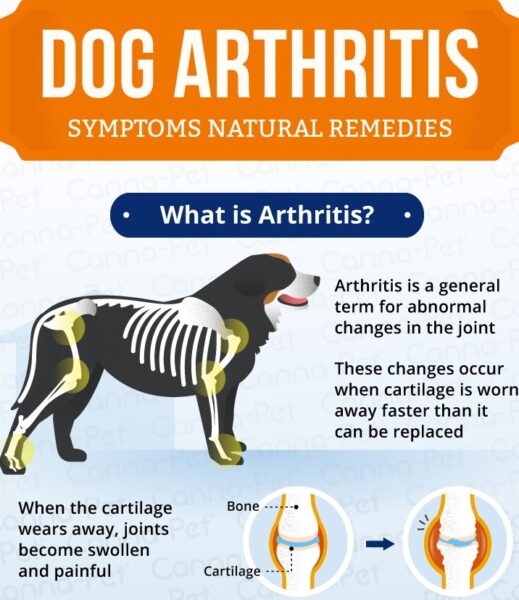
If she has arthritis, the cartilage in her joints is erased, causing severe pain.
If you address the problem now, your dog may not need more aggressive treatment methods, such as surgery, in the future.
Treatment: the importance of nutrition
The health of the dog and its condition in General largely depend on nutrition. A balanced diet is an essential part of your pet’s active, healthy lifestyle. To find out the exact diagnosis and treatment options, always consult your veterinarian and ask them to recommend the best food to treat arthritis and maintain the health and mobility of your dog’s joints. Some medications can make your pet’s life easier, such asRimadyl P Zoetis.It is prescribed for dogs to relieve inflammation and pain in acute and chronic diseases of the musculoskeletal system (osteoarthritis), for analgesia, and as an anti-inflammatory agent to reduce postoperative pain and swelling, and many dog breeders useCIMALGEX or PREVICOXin their practice, these drugs lead to an improvement that is noticeable for dog owners.
Treatment
Depending on the disease and the General condition of the animal, the veterinarian prescribes various medications and physical therapy. Folk remedies, unfortunately, are not very effective for injuries and pathologies. It should be noted that the same fracture of the front paw can heal in a dog itself, but it is not a fact that this will happen correctly. The animal will experience a lifetime of discomfort due to long-standing injuries.
It is interesting to know! After realizing that they are being taken care of during their illness, dogs can later fake a limp on their foreleg to get more care and attention.
In certain cases, it is impossible to fully recover. This applies, for example, to arthrosis. Maintenance therapy is used to ensure that the pet’s standard of living is at the proper level and there is no severe pain. Injections of an analgesic and anti-inflammatory medication may be prescribed Dog Arthritis Medications.
There are also recommendations that are given for almost any reason for lameness on the front paws in dogs:
more rest;
a place to sleep that you don’t need to jump on;
food additive;
special diet.
You can’t decide on your own whether to do massages or develop joints. Excessive loads can cause the dog’s condition to deteriorate.
Prevention
During the walk, you need to make sure that the dog does not run into places where glass, brick fragments, sharp metal objects may be scattered.
If several animals play together, it is better to make sure that the larger ones do not” chase ” the smaller ones – at such moments, Pets often get dislocated and bruised.
Adhere to a full and competent diet with the addition of vitamin complexes for the healthy development of bones, muscles and joints.
When receiving a puppy, you should ask about the health of your parents. Some inherited diseases may never show up with proper care.
To maintain an adequate age, condition and breed of physical activity. So, dogs of small breeds should not jump down from too high a height-landing on their front paws, they can damage them. A number of large breeds and older animals have difficulties using stairs, you need to spare your pet.
Lameness of the front paws in dogs can indicate not only a banal injury, but also certain diseases. The animal’s health can be improved with the help of veterinarians, but with a number of diagnoses, full recovery is unfortunately impossible.
Homelab shares tips for caring for the eyes of cats and dogs: what you need to know about prevention, how to recognize anxiety symptoms and what diseases are most common.
cat eye infection treatment
Eye hygiene in cats
As a rule, the eyes of newborn kittens open after 2-3 weeks. For everyone, this process occurs in different ways: sometimes one eye can open and only then the other, and sometimes both at once. If by the third week your eyes have not opened, you need to start rinsing them with a solution of tea or ordinary boiled water to soften the eyelids. Adult cats are able to take care of their hygiene on their own: their daily self-care includes washing their faces and eyes. But no one is immune from external factors – injuries, dust, worms, heredity and household chemicals. Therefore, you must immediately take your pet to the doctor if you notice alarming symptoms. These include antibiotics for cat eye infection:
purulent discharge; prolonged lacrimation; hard crusts in the corners of the eyes; fur on the face with traces of tears; red or white inner side of the eyelid; visible third eyelid; cloudy or discolored eyes; closed eye (or both).
Some cat breeds are more prone to eye diseases than others. Head of the Center for Veterinary Ophthalmology Alex M. notes: “Champions” in eye diseases are brachycephalic (“flat-faced”) breeds – Persian cats, exotic cats, British, as well as hairless, Siamese and Maine Coons. However, there is probably not a single breed that I would not treat ”. To prevent the development of the disease, regular prevention is necessary.
“Prevention is primarily about adhering to the vaccination schedule, treatments for ecto- and endoparasites,” says John S, an ophthalmologist at the PETMEDS veterinary clinic. – As for the eyes, it is necessary to sanitize (rinse) as the discharge appears – with light, smooth movements, remove the accumulated discharge using a cotton pad moistened with either filtered water or specialized ophthalmic lotions.
eye hygiene in dogs
Eye hygiene in dogs
According to ophthalmologist-microsurgeon Alex M, among dogs, eye problems are most common in Pekingese, Pugs, Yorkshire Terriers, Sharpei and Cocker Spaniels. Many eye diseases in animals are transmitted at the genetic level: for example, more than 150 dog breeds suffer from hereditary cataracts, and about 20 breeds suffer from progressive retinal atrophy. Some diseases are very difficult to recognize at an early stage. For example, glaucoma or cataracts are difficult to detect without medical diagnosis, but conjunctivitis or keratitis will become noticeable with eye discharge and redness.
However, the symptoms of diseases may look the same. In such cases, it is very difficult to make a diagnosis on your own, and the wrong treatment can damage the pet. “Let’s take the seemingly simplest situation: a dog’s eye turned red. Everything seems to be very simple. Redness is the first sign of conjunctivitis. The owners begin to drip antibiotics on their own without a doctor’s examination, as a result, the animal may become permanently blind. Why? Because it was an acute attack of glaucoma, which is also accompanied by redness of the eyeball. Such cases occur in my practice every week, ”says David M.
Do’s and don’ts for injuries(eye drops for dogs; what eye drops can I use on my dog?)
In case of eye injury, you should immediately consult a specialist. In this case, you will need to consult an ophthalmologist. If there is no way to come to the doctor, you can try to provide first aid yourself.
“First wash your hands, wipe them with an alcohol wipe. Plant the affected eye towards the light. Using your index finger and thumb, gently pull apart your eyelids and examine the damaged eye. If there is a foreign surface in the eye, it can be removed with a gauze swab. After removing the foreign body, rinse the eye with antibiotic drops – “Prodex“ or “Ciflodex”will do, — (dog eye drops over the counter with a composition of dexamethasone and ciprofloxacin) recommends David M.
In case of injuries, in no case:
Allowing the animal to rub its eye is irritating. In addition, the animal can further damage the eye and cause infection. If your pet scratches its eye, wear a protective collar over it. They are sold at all pet stores. If there is no pet store nearby, cut the collar out of a 5-liter drinking water bottle (if you have a small animal) or from a plastic bucket (if you have a large one). The collar should be slightly longer than the animal’s muzzle.
Try to forcefully open the injured eye. The risk of additional injury is very high.
Apply on your own eye drops and ointments containing prednisolone or dexamethasone. Without a doctor’s prescription, they can be dangerous and worsen the condition.
Top Eye Problems In Canine
The most common eye diseases in pets
conjunctivitis(conjunctivitiseyedogs)
Inflammation of the inner lining of the eyelid, the symptoms of which are redness, swelling of the eye and purulent discharge. There are many possible causes of the disease: infections, parasites, irritating drugs, bruises, foreign bodies, lime dust, smoke, ultraviolet and X-rays, and mold fungi needs cat eye antibiotic.
keratitis
Eye Inflammation, the main symptom is that the eye begins to grow cloudy and watery. The animal’s behavior changes, the pet worries about constant pain, and photophobia develops. Causes: Infection or injury.
Inversion and eversion of the eyelid
Signs: The eyelashes and edge of the eyelid are wet and turned in or turned out. There is lacrimation and redness of the conjunctiva. Because of this, keratoconjunctivitis (simultaneous inflammation of the cornea and conjunctiva of the eye) can develop. Causes: trauma, chemical and thermal burns, microbes, viruses and some parasites.
Сataract(cataractdogs)
A cataract is a clouding of the lens. Its symptoms are not obvious, since the processes take place inside the eye for quite a long time. The lens becomes white or bluish. Cataracts are common in older cats and dogs. In the last stages of the disease, the animal does not see well with the affected eye. Causes: previous infections, as well as inflammation and trauma.
cataract surgery for dogs
To date, the only effective way to treat cataracts is surgery, which results in the replacement of a clouded lens with an intraocular lens (IOL) or an artificial lens.
Glaucoma
Eye disease caused by increased intraocular pressure. The main symptom is a constant or periodic increase in pressure inside the eye. Symptoms include corneal opacity and decreased sensitivity. In this case, the eye is greatly enlarged and hardened. Causes: complications of deep purulent keratitis, hemorrhage or dislocation of the lens.
Alex M also notes that eyeball injuries are common in animals. This is not necessarily related to fighting – due to their curiosity, dogs and cats often like to dig in the grass during the warmer months. This can be dangerous: according to the ophthalmologist, pets often injure their eyes on the skeleton of cut grass or thorns. The stems are infected with pathogenic microflora, which destroys the surface of the cornea at the site of injury. The infection quickly spreads throughout the eye. In some cases (for example, with panophthalmitis), the eye cannot always be saved.
Homelab recommends that the owner see an ophthalmologist if a disease is detected. This will allow you to help your pet as soon as possible, as well as reduce the risk of relapses and complications. The ophthalmologist advises, for prevention purposes, to bring your pet for an examination once a year until the pet is 7 years old. After 7 years, more often – once every 6 months.
Let’s try to figure out whether to beat your dog!?
Unfortunately, until now, many owners are sure that without whipping, raising and training a dog is simply unthinkable. This is one of the most tenacious and dangerous myths, and we will get rid of its influence completely very soon. However, more and more people (and this is good news) are inclined to believe that spanking a dog is not allowed.
Why can’t you beat a dog? how to make a dog obey without spanking? Why can’t you hit a dog, even if it doesn’t “hurt”?
You can’t beat a dog for many reasons.
First, it is simply cruel to beat a living creature whose life and well-being depend entirely on a person.
Secondly, the dog behaves “badly” because either it was taught this behavior, even without realizing it (and most often it was taught by the person who hits), or it was created by nature for this behavior (that is, it behaves – what a surprise! – as a dog) or was bred by a person (if we are talking about breed characteristics that the owner did not take into account when purchasing a puppy), or its basic needs were not met (which is also a “merit” of a person). Which means it’s just not fair to beat her for it.
how to make a dog obey without spanking?
Why do people beat dogs and does it bring the desired result?
There are four reasons why people beat dogs:
A man, having beaten a dog, gets emotional release. He came home after a hard day’s work, and even received a reprimand from his superiors, and at home – another puddle or gnawed shoes. I beat the dog – it seemed to feel better. The problem is that such a scenario is reinforcing for a person, which means that he will beat the dog over and over again. Will this teach the dog how to behave? It is highly doubtful. But to be afraid of the owner and not to trust him will teach.
The man tries to stop the undesirable behavior of the dog by whipping. For example, a dog tried to pull a piece of sausage off the table – a man hit it, the dog dropped the sausage and ran away. The dog barks – the man beat her, she fell silent. Has the effect been achieved? It seems that yes, the behavior has stopped. But in reality – no. The fact is that hitting does not affect the dog’s motivation in any way, and its need remains unfulfilled. This means that the dog will look for other ways – and it is not a fact that you will like them more. Perhaps the dog will no longer steal from the table in the presence of the owner – but what will prevent it from doing this when he turns away or is in another room? If the dog barks from being overly excited, the barking will not make it calmer, which means it will either bark over and over again, or the overstimulation will result in other behavioral problems. In addition, beating a person does not teach the dog an alternative behavior, that the need can be satisfied in an acceptable way.
The owner does not know that it is possible to interact with the dog in a different way. To be honest, in this age of information opportunities, this is perceived as a mocking “excuse”, nothing more. Here it’s time to remember the saying “who wants – looks for opportunities, who does not want – reasons”. And there are more than enough opportunities now.
The owner just likes to beat the dog. Alas, this is not so rare – an attempt to make sure of their own importance and omnipotence, causing harm to another living being, or to satisfy sadistic tendencies. But there is nothing to comment on here. The only acceptable way to deal with this is with normal, working laws aimed at protecting animals, identifying such individuals, and prohibiting the keeping of dogs.
Finally, hitting dogs is just dangerous. According to the results of the study, at least 25% of dogs immediately respond to the aggression of the owner with aggression. Other dogs initially show signals of submission that most owners simply do not notice, which means that the dog has no choice but to defend itself, and as a result, we get a dog that is dangerous to the owner and others. Even in some dogs, such methods form a learned helplessness, which sometimes suits the owners, but in this case the dog is constantly experiencing distress, which affects its health and well-being.
Sometimes the reason lies simply because of the fact that dog whines all the time
Here it is important to carefully observe the animal, what kind of alarming symptoms are associated with whining:
Veterinarian and dog
Veterinarian and dog
when the dog intensively shakes his head, scratches his ears and whines, it may be in the presence of any ear disease (for example, otodectosis, otomycosis, otitis, etc.);
dog whines all the time and it causes aggression in the owner.
if pet whines after eating, there is a problem with the digestive tract (gastric ulcer, gastritis, peritonitis, ascites, oncological processes, etc.);
if pet whines when she poops, blame can be pathological processes in the intestine (colitis, bowel obstruction, proctitis, etc.);
the dog whines when urinating, if she has diseases of the genitourinary system (cystitis, urolithiasis, complications after estrus, etc.);
if the animal in addition to whining, there is also a temperature, discharge from the nose and eyes, a stool disorder, when the dog does not eat, and sometimes does not drink, sharply loses weight, then it may be a bacterial, viral or fungal infection;
extremely restless dog behaves with a large accumulation of worms inside the body. In these cases, in addition to whining, there will be such symptoms: diarrhea, alternating with constipation, vomiting, cough, weight loss, shortness of breath, deterioration of the skin and coat, itching in the anus. These problems can be easily solved with anthelmintic products for dogs.
if the dog whines and shakes (tremors and convulsions), it is sick, rapid pulse, saliva flows, breathing becomes shallow, diarrhea is observed, then you can suspect poisoning with poisons, medications or spoiled food.
Is there an alternative? What should I do if I can’t beat the dog?
Dog whipping is a legacy of cruel parenting methods that were common (and declared to be the only possible ones) in the early and middle of the last century. These methods were a direct consequence of the attitude to dogs as military vehicles, which must demonstrate unquestioning obedience and complete lack of initiative from the category of “Step left, step right – shooting on the spot”. And also a consequence of an extremely low level of understanding of the psychology of the dog and the features of its behavior.
However, dog behavior is now being studied from all sides, and over the past couple of decades we have learned more about “best friends” than in previous millennia. So there are more and more alternatives to cruel training methods, and it is not necessary to beat a dog. Brushing them off is just stupid and unfair to Pets.
No one disputes that it is important to teach the dog the rules. But you should do it wisely. Consistency and consistency, predictability and diversity in the right proportions, as well as ensuring the basic needs of a four-legged friend are extremely important.
how much exercise does a dog need everyday, this is an important question depending on the dog’s breed, place of residence and many other factors.
There is a huge variety of methods for both dog training and behavior correction, free from cruelty and based on positive reinforcement in our online dog suppliesyou can buy all the necessary products for your favorite pet.
is an infamous problem among dogs. Many vets and dog owners struggle for years, trying to control the lameness, soreness, and reduced activity level associated with canine osteoarthritis. But in recent years veterinarians have made significant strides towards understanding more about osteoarthritis in cats – mainly from the standpoint of simply recognizing that it does happen and that it can cause significant pain and discomfort in our feline friends.
Dog Arthritis MedicationsDog Arthritis
Cat Arthritis Medications
Because cats are so good at hiding their medical problems from us, it’s important that cat owners understand how to recognize potential problems before they become serious. Read on to learn about the symptoms associated with arthritis, and some strategies for successfully dealing with this problem.
Just how big of a problem is this?
One study looked at the x-rays of 100 cats that were randomly selected and between ages 6 months and 20 years. The study found signs of osteoarthritis in 91% of cats in their front and rear leg joints. It found evidence of arthritis in the spine of 55% of these cats. The study also found that the incidence of arthritis increased dramatically as cats aged.
What’s even more interesting is that arthritis is often what we consider an “incidental” finding on the x-rays of cats, meaning that the vets weren’t even taking the x-rays because they suspected a problem in that location. That fact alone should really drive home the point that many, many cats are living with this problem, and very few of them are telling us about it.
Most of the time when people say “arthritis”, they mean “osteoarthritis”. But there are other types, and it’s worth a couple of minutes of our time to understand exactly what we mean when we diagnose the problem.
Osteoarthritis is the most common type of arthritis in both dogs and cats. It occurs when the cartilage that covers the surface of joints wears away, eventually causing bone to contact bone and exposing the exquisitely sensitive pain receptors in these areas. The body tries really hard to fix the problem by creating new cartilage, but unfortunately cartilage doesn’t regenerate very well, and the “new” surface is often bumpy and uneven.
Why does the cartilage gets worn in the first place? Most of the time it’s due to either previous joint damage, such as might occur if a cat is hit by a car or falls from a high place, or due to a birth defect that resulted in improper formation of the joint. We’re really just starting to understand that hip dysplasia, previously thought to be almost exclusively a problem of large dogs, is pretty common in our feline friends as well.
Other types of arthritis include septic arthritis, due to infection in the bloodstream, and immune-mediated arthritis, such as what we see in people who have rheumatoid arthritis. Both of these kinds of arthritis do occur in cats, but much less often than osteoarthritis.
My cat doesn’t have arthritis. I’ve never even seen him limping.
Another fascinating finding about feline arthritis is that cats with the disease typically don’t look anything like dogs with the disease. We’re used to seeing “gimpy” old dogs, that hobble around due to osteoarthritis, so it makes sense that we’d expect the same from cats. However, we’re commonly reminded in vet school that cats aren’t small dogs, and this is just one of the many ways that they’re different. Cats with arthritis typically don’t display signs of lameness.
So how are you supposed to get the hint that your cat might have osteoarthritis? The signs are subtle, but if you pay attention you’ll see changes in your cat that will prompt you to go to the vet, who can do a thorough orthopedic exam and hopefully zero in on areas of pain. Signs of arthritis in cats include sudden aggression towards people or other animals in the house (especially in cats that used to be happy and peaceful), difficulty jumping, loss of interest in surroundings, decreased activity levels, avoiding the litter box (even when previously trained well), vocalizing, and decreased grooming (especially overgrown claws).
The most interesting symptom to me in this list is the development of litter box problems. Failure to use the litter box is the number one reason that cats are relinquished to shelters in the U.S. How truly sad to think that many of these cats might really be painful, and have problems getting into and out of the box, or with squatting. This is one of the reasons that fixing litter box problems always starts with a complete medical workup.
But my cat’s not old!
Unfortunately, arthritis is a disease that can happen to young cats as well as old cats. This is especially true in cats that have previously experienced trauma. Even if the injury was repaired, the potential for in congruencies in a previously normal joint is there. When the joint isn’t properly fitted together, there’s room for laxity, and this laxity creates the cartilage erosion that leads to osteoarthritis.
Can’t I just give my cat some aspirin?
No, please don’t! We counsel owners frequently about whether to treat cats at home for pain. While it can be dangerous to use over-the-counter human pain relievers in dogs, it’s absolutely critical that drugs like aspirin, Tylenol, and Advil NOT be given to cats. Aspirin and Advil (and other drugs like them such as Motrin) create severe gastrointestinal problems as well as kidney failure. Tylenol produces a severe and life-threatening problem called Heinz body anemia in cats.
Unfortunately, cats do not do well with most of the pain relievers that we easily use to treat arthritis in dogs. However, with close observation, they can tolerate some drugs well and provide significant relief and improvement in clinical signs. The opioid drug buprenorphine can be administered orally to cats and has excellent analgesic effects. The downside is that it tends to be expensive with prolonged use and can cause constipation. Tramadol is a synthetic opioid that has long been used in humans and may provide more cost-effective relief for cats. And gabapentin helps many cats feel better. VetExpert Arthrovet Capsules and Canina Petvital Arthro Tablets are very effective for cats and dogs. You can buy these drugs from theHomelabvet Online Store.
Currently, Metacam appears to be the only veterinary drug that is both effective and generally safe for long-term use in cats for inflammatory pain associated with arthritis. Because it can also cause gastrointestinal problems as well as kidney failure, cats taking this drug should be closely monitored with repeated lab tests to look for signs that the drug may be causing side effects.
What else can I do to help relieve pain associated with arthritis?
Start by changing your environment. Place food and water where you do not need to jump. Use ramps and stairs to help cats climb and get off furniture. Create trash bins you don’t have to jump into by purchasing plastic storage bins and cutting out a “door” on the side. Groom your cat regularly, especially in areas that are difficult for a cat with arthritis to reach. And make sure your cat has a warm and comfortable sleeping environment.
Supplements such as fish oil and glucosamine can also help. It is important to use products that are reliably manufactured and formulated for cats. There are also several high-quality diets available for cats with osteoarthritis. And since obesity exacerbates the clinical signs of arthritis, losing weight on your cat is likely to significantly improve well-being.
PROGESTINS AND ANTIPROGESTINS Progesterone (P4) is a natural steroid hormone secreted by the corpus luteum of the ovary. It acts by binding to the progesterone receptor (PR) and causes a variety of physiological effects such as the closure of the cervix at the end of estrus, the proliferation of the endometrium, regulation of fallopian tube motility and secretory activity as a precondition for fertilization and inhibition of myometrial contractility during pregnancy …
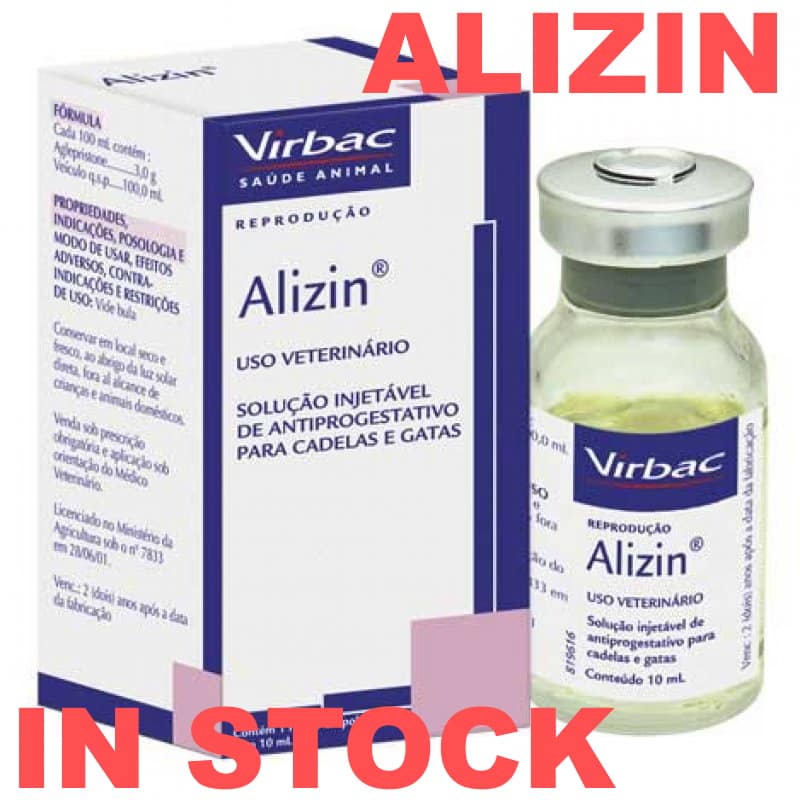
Antiprogestins (eg aglepristone, Alizin®, Virbac) have an antagonistic effect on progesterone, they bind to PR but prevent P4 from its biological action. Spontaneous contractions are possible due to the cancellation of the gestagen-induced blockage of contractions, the cervix opens, and therefore the uterus can empty. For successful treatment, a progesterone concentration of more than 1 ng/ml is required. Thus, antiprogestins can be used to terminate a pregnancy, treat pyometra, induce labor, and treat fibroadenomatosis in dogs and cats.
ABORTION
Termination of pregnancy may be necessary after unwanted mating, in case of pregnancy with one puppy or pregnancy-induced diseases in the female. Compared to previous drugs, the use of antiprogestins has only minor side effects. In addition, the efficacy rate is higher during the early termination period (days 0-22) and has an efficacy rate of 99-100%.
Usually, early termination of pregnancy leads to resorption of the embryo without obvious clinical signs. Due to the fact that the moment of mating is extremely individual, in order to avoid mating the female after treatment, it is advisable to inject the female after confirmation of cytological dysstruus based on the results of a vaginal smear.
You must enter 10 mg/kg over the next two days. The injection area under the skin must be massaged and, if the volume is more than 5 ml, the injection should be administered at different places. A third injection may be needed on day 7 if the ultrasound shows that the uterus is filling.
Aglepristone can also be used to terminate pregnancy in cats: the recommended dosage is 10-15 mg/kg, the injection protocol is the same as the injection protocol for dogs.
TREATMENT PIOMETERS
The conservative treatment for pyometra should be applied late in pregnancy or for aging females that are in poor condition. The risk of side effects after treatment with antiprogestins is much lower than after treatment with prostaglandins. Aglesterone is used alone or in combination with antibiotics; progesterone in a concentration above 1 ng/ml is required for successful treatment. For the treatment to be as effective as possible, an ultrasound scan must be performed regularly. In addition, ovarian pathologies such as cysts or tumors, glandular cystic hyperplasia of the endometrium should be ruled out before starting treatment.
Interestingly, treatment-related luteolysis shortens inerrestrus, which has been observed and verified in several studies. There is no statistical difference in the development of pyometra in females with or without the prior disease. By analogy with dogs, pyometra in cats is gestagen-dependent and once cystic endometrial hyperplasia has been ruled out, it can also be successfully treated with aglepristone according to the canine protocol.
INDUCTION OF LABOR
Induction of labor can result in premature, non-viable puppies and retained placenta. Use should be limited to therapeutic indications: maternal morbidity (toxicosis, eclampsia, preterm labor), the risk of pathologies due to fetomaternal imbalance, primary inertia of the uterus, and abnormally long pregnancy.
FIBROADENOMATOSIS
Fibroadenomatosis is a gestagen-induced, benign proliferation of mesenchymal and epithelial cells in the mammary gland of a young pregnant individual. It can also be caused by the use of exogenous progestins in cats, cats, and even male dogs. Aglepristone treatment is a successful alternative to sterilization and does not affect later pregnancies. The protocol for the treatment of induced fibroadenomatosis is 10 mg/kg subcutaneously on days 0.1 and 7. In the case of progestin-induced fibroadenomatosis, sequential injections may be required depending on the duration and effectiveness of the progestin and its half-life compared to natural progestins. It is important to inform the owner that treatment in pregnant cats will also induce abortion.
CONCLUSIONS
The antiprogestin aglepristone (Alizin, Virbac) is a new, highly effective, and well-tolerated drug for abortion, treatment of pyometra, induction of labor, and treatment of fibroadenomatosis in dogs and cats. The use of estrogens is now an obsolete treatment. For successful treatment, an accurate dosage and application interval according to the manufacturer’s instructions, as well as careful
Marketing-authorization holder : Virbac – 1ère avenue – 2065 m – L.I.D. – 06516 Carros Cedex – France
NAME OF THE VETERINARY MEDICINAL PRODUCT
Alizin 30 mg/ml Solution for Injection
STATEMENT OF THE ACTIVE SUBSTANCE(S) AND OTHER INGREDIENT(S)
Each 1 ml contains: – active substance aglepristone 30 mg
INDICATIONS
Pregnant females: induction of abortion up to 45 days after mating.
CONTRA-INDICATIONS
Do not use in dogs with impaired hepatic or renal function, in diabetic animals, or in dogs in poor health.
Do not use in dogs with either manifest or latent hypoadrenocorticism (Addison’s disease) or in dogs with a genetic predisposition to hypoadrenocorticism.
Do not use in dogs with known hypersensitivity to aglepristone or the product excipient.
ADVERSE REACTIONS
In females treated after 20 days of gestation, abortion is accompanied by the physiological signs of parturition: fetal expulsion, vaginal discharge, reduced appetite, restlessness, and mammary congestion. In infield trials, 3.4 % of dogs suffered from uterine infections. After induced abortion with the veterinary medicinal product, an early return to oestrus is frequently observed (oestrus – oestrus interval shortened by 1 to 3 months).
Side effects such as anorexia (25 %), excitation (23 %), depression (21 %), vomiting (2 %), and diarrhea (13 %) have been reported from field trials.
In infield trials, the administration of the veterinary medicinal product produced pain during and shortly after injection in 17 % of dogs and a local inflammatory reaction at the injection site in 23 % of dogs. The size and intensity of this reaction depended on the volume of the veterinary medicinal product which was administered. Oedema, skin thickening, local lymph-node enlargement, and ulceration may occur. All local reactions are reversible and will usually disappear within 28 days after injection.
In infield trials, administration of the veterinary medicinal product induced hematological/biochemical changes in 4.5 % of dogs. These changes were always transient and reversible. The modified hematological parameters were as follows: neutrophilia, neutropenia, thrombocytosis, hematocrit variation, lymphocytosis, lymphopenia.
The modified (elevated) biochemical parameters were as follows: urea, creatinine, chloride, potassium, sodium, ALT, ALP, AST. In case of partial abortion or no abortion, repeat treatment may be recommended 10 days after treatment, between day 30 and day 45 after mating. Surgery should also be considered.
In rare cases, a hypersensitivity reaction has been/can be observed.
Cat scratch fever: What to do and what you should know?
Cat scratch fever can happen when a person receives a bite, scratch, or lick from a cat that is infected with the bacteria Bartonella henselae.
The infection does not usually cause severe complications, but it can lead to problems for people with a weak immune system. Knowing how to spot cat scratch fever can ensure a person receives swift treatment.
Cats can transmit several types of infections to humans. Some of these diseases can be severe. Carrying out routine care for a cat often reduces the risk of many of these diseases.
Causes
A person can get cat scratch fever after a scratch or bite from an infected cat. The Bartonella henselae (B. henselae) bacteria live in a cat’s saliva. They can pass to a person through an open area of skin.
Cat scratch fever is more common in the fall and winter when people are inside and playing with their cats. Children are more likely than adults to have it, and playing roughly with a cat increases the chances of getting scratched.
Symptoms
Cat scratch fever does not usually cause symptoms in the first few days or weeks after exposure when the bacteria are multiplying in the body.
About 3 to 14 days after the infection first occurred, a person may see a small bump or blister on the contact area, most commonly on the:
arms
hands
scalp
head
Doctors call this an inoculation lesion. This lesion may not occur in some cases, or an individual may not notice it on their body.
A few weeks later, the lymph nodes near the lesion may become swollen or tender.
Lymph nodes are responsible for filtering bacteria and other particles and for creating immune system cells. They usually feel like small, spongy, round or oval bumps.
If a person has had a bite or scratch on the arm, the lymph nodes under the arm or near the elbow may be especially tender.
Sometimes, the lymph nodes swell as much as 2 inches across. They may be warm to the touch, fluid-filled, or red. They may remain swollen for 2–3 weeks.
For most people, swollen lymph nodes are the only symptom. However, other symptoms that might occur include:
abdominal pain
loss of appetite
fever, typically not above 102°F
tiredness
a headache
joint pain
a rash
a sore throat
A person should see a doctor if they have a scratch that continues to get larger after 2 days.
Complications
Cat scratch fever does not usually cause severe symptoms, but some people may develop a high temperature that does not improve with time. Some people can also experience infections in the bones, joints, liver, lungs, or spleen.
According to the Centers for Disease Control and Prevention (CDC), the most severe symptoms usually occur in children aged 5 years and under.
Cat scratch fever does not usually need emergency care, but sometimes it does. A person should contact their doctor immediately if they experience the following symptoms:
a cat bite or scratch that is not healing or is getting worse
the red area around a bite or scratch is enlarging
a high fever that lasts more than 2 days after the bite or scratch
severe pain
Diagnosis
Cat scratch fever can be difficult to diagnose because a number of other conditions have the same symptoms. The physician will ask about the individual’s medical history and whether they have had any interactions with a cat.
The doctor will then examine the scratched area and look for any swollen lymph nodes.
This is usually sufficient for a diagnosis, but sometimes they may suggest further tests to make sure the person does not have another condition.
The doctor might take some blood and send it to the lab to find out what kind of bacteria are present. One blood test can test specifically for cat scratch fever.
Treatment
Most cases of cat scratch fever are mild, and a doctor will not always prescribe treatment. If symptoms are moderate to severe, they may prescribe an antibiotic.
At-home treatments for the condition include bed rest if needed, and an over-the-counter pain reliever if the lymph nodes are painful or especially tender.
Children can mostly continue with their usual activities, but they should avoid hitting or interfering with the affected lymph nodes.
If a person has had cat scratch fever once, they are unlikely to have it again.
Prevention
Cats can transmit cat scratch fever to people, but people do not usually pass it to each other. If one family member is affected, others should practice caution around a family cat, as the cat could infect them also.
An episode of cat scratch fever does not mean a family should necessarily get rid of their pet. However, to prevent cat scratch fever, people should:
only adopt a cat that is more than 1 year old if a family member has poor immunity, as kittens are most likely to have the disease
avoid rough play around a cat or kitten
never allow a cat to lick wounds or open areas of skin
avoid petting stray or feral cats
wash hands and any other affected areas after playing with a cat
Fleas pass the infection from one cat to another.
To prevent a flea infestation:
vacuum the home frequently
use flea prevention, such as medication, to protect the cat from flea bites
contact a pest control company if a lot of fleas appear in a home
Checking for signs in a cat
The CDC estimate that around 40 percent of cats carry the B. henselae bacteria at some point in their lives. Most of the time, they do not show signs of illness.
Symptoms
Cats get the infection when they scratch and bite at fleas that infect them or fight with cats that are carriers.
If a cat has fleas or visible scratches, a person may wish to practice caution when handling their cat. Once a cat has the cat scratch fever infection, it can carry the bacteria for several months. During this time, it can pass on the infection.
Cats with the bacteria often have no symptoms, but they may have a fever that lasts for 48–72 hours.
In rare cases, cat scratch disease can cause severe symptoms in cats.
These include:
fever
vomiting
low appetite
lethargy
swollen lymph nodes
red eyes
inflammation in the mouth
The infection can remain for several months in the cat, and symptoms may reappear at times of stress, for example, after trauma or surgery or alongside another illness.
Diagnosis and treatment
A vet can inspect a cat for fleas and make recommendations about flea prevention and avoiding scratches and bites.
A test is available for the bacteria, but doctors do not usually recommend it for cats that have no symptoms. The bacteria are widespread, and the test can be unreliable.
Cats do not usually need antibiotics unless they have noticeable symptoms.
Prevention in cats
Taking steps to reduce fleas in a cat can reduce the likelihood of cat scratch fever. People can care for their cats by doing the following:
applying or administering a vet-approved flea treatment regularly
keeping a cat indoors to avoid contact with stray or infected animals
keeping a cat’s nails trimmed and neat
scheduling and maintaining regular checkups with a vet
There is currently no vaccine against cat scratch fever bacteria.
Products to protect a cat from fleas are available for purchase online.
Other conditions cats can spread
Apart from cat scratch fever, a cat can carry other diseases.
These include:
Campylobacteriosis: Bacteria cause an intestinal infection.
Cryptosporidiosis: A parasite causes diarrhea and abdominal cramping.
Plague: Although rare in America, this can occur if a person takes their cat to another country.
Rabies: Cats should have regular vaccinations to prevent rabies infection.
Ringworm: Kittens are especially likely to carry this fungal infection. It causes bald patches on the skin.
Tapeworm: Most common in children, this infection occurs when a person ingests a flea from a cat that has tapeworm larvae.
Toxocara infection: This condition does not always cause symptoms, but it can give rise to severe complications, such as blindness.
Toxoplasmosis: It is crucial to avoid this during pregnancy. Complications include growth and eye problems in the unborn child and pregnancy loss.

 The method of storing food can greatly affect the freshness, nutrition, and taste of food. In addition, a fairly common cause of poisoning is a spoiled product. In order to store dry food properly, you must keep it in a cool, dry place and in an airtight container. Canned food should be stored in the refrigerator (not in the freezer!) in a closed container after opening and discard after a few days if not consumed.