If you have ever owned or spent a lot of time riding with one particular horse, chances are good that you’ve felt some sort of special connection with them — and wondered ifhorses even like humans. Maybe you’ve felt like they were actually your friend, or a small part of your family, and wanted to know if the feeling was reciprocal. Research is now confirming that that connection isn’t all in your head — and anyone who has ever had a pet before, horse or not, definitely won’t be surprised at some of these recent findings. A new study shows that horses can actually understand and remember human emotions, which is something that makes them seem even more magical than they already did.
This is not the first time scientists have discovered something like this about these animals — previous studies have found that horses can recognize expressions. This new research, though, has found that the animals can not only recognize expressions but can also remember them and link them to a specific face. In other words, horses can recognize human faces and their emotional expressions, something that they then use to discern whether the person is a threat or not.
This latest study was done by researchers at the universities of Sussex and Portsmouth and was published in the journal Current Biology. While it’s certainly not the first study down on horse behavior, it is the first one to find something like this.
“We know that horses are socially intelligent animals, but this is the first time any mammal has been shown to have this particular ability,” Portsmouth research Leanne Proops said. “What’s very striking is that this happened after just briefly viewing a photograph of the person with a particular emotional expression — they did not have a strongly positive or negative experience with this person.”
The researchers came to this conclusion after a series of experiments where they showed domestic horses photographs of humans with either a happy or angry facial expression. Later, they showed the horses the people in the photographs, making neutral expressions. During the real life meeting, researchers watched the eye movements of the horses. They found that the horses saw those who had been photographed with angry faces to be more threatening (previous research has shown that horses look at negative or threatening things with their left eye). It’s important to note that the humans did not know which photographs the horses had seen before, which was done to eliminate the risk of the humans behaving differently.
Karen McComb, a professor at the University of Sussex, said in a news release, “What we’ve found is that horses can not only read human facial expressions, but they can also remember a person’s previous emotional state when they meet them later that day — and, crucially, that they adapt their behavior accordingly.”
This research is incredibly interesting for so many reasons. For one thing, it proves exactly how intelligent and emotional horses really are — that connection that you might feel with one of these magnificent mammals is a real thing. For another, it’s an important step toward learning more about these important animals, and maybe even animals in general. We still know so little about what goes on in the minds of some of our favorite animals, and this is one way to understand a little bit more about at least one of them.
In fact, this is more proof that horses may have more human-like behavior than you thought. Previous research has found that horses can deal with chronic stress, experience allergies, and even get the flu. Anyone who has spent a lot of time around horses may not find this type of research particularly surprising.
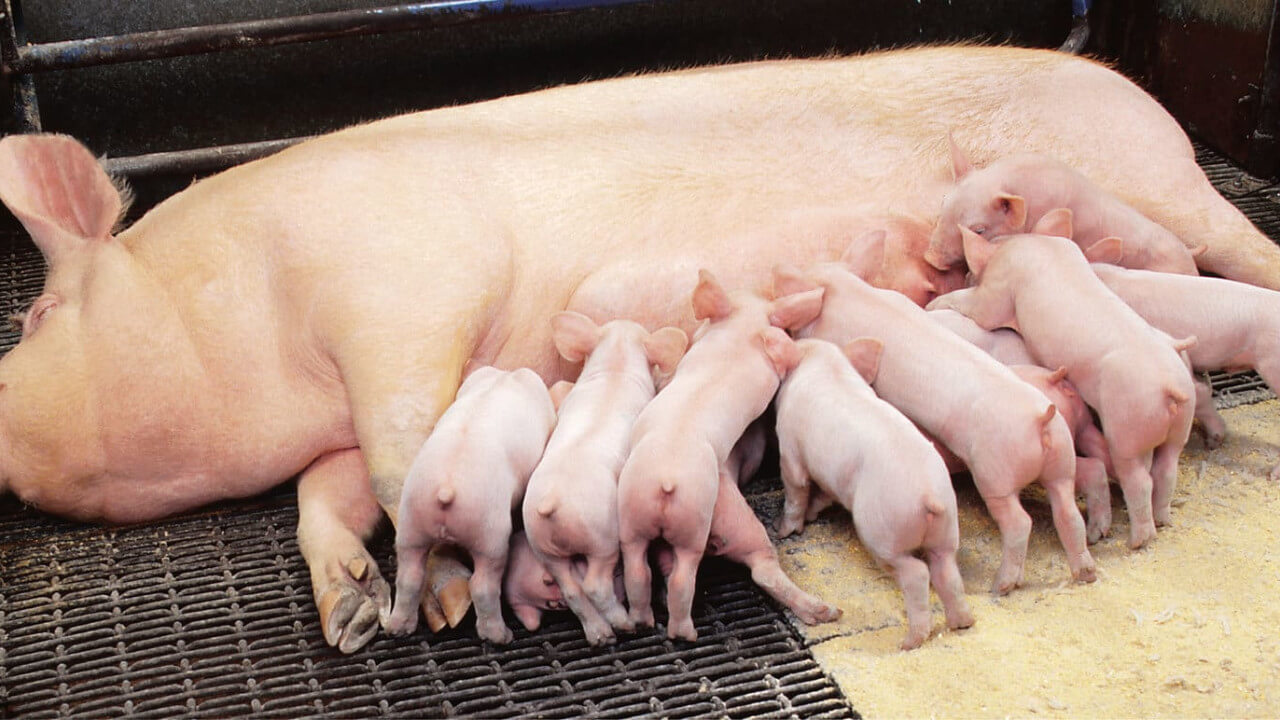
Symptoms, treatments and preventative measures for the six most common diseases in pre-weaning, post-weaning and in breeding animals worldwide
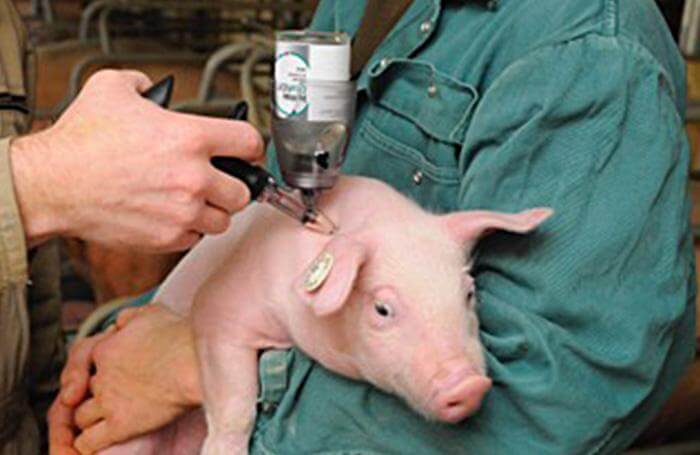
In order for pig producers to be successful, keeping their animals healthy is key. To do that, it is essential to know about diseases that may occur in the herd. All staff working with the pigs should be able to spot the symptoms of common diseases and alert the manager or veterinarian, as appropriate. Treating pigs quickly with suitable medication is the next step. Prevention is obviously better than cure, and having a herd health plan will help to minimize disease incidence. Information on two common diseases, in each of three stages of production (pre-weaning, growing-finishing, breeding), is provided below.
Pre-weaning period
1. Exudative dermatitis (greasy pig)
The symptoms of this disease are skin lesions, caused by an infection of the bacteria Staphlococcus hyicus. In severe cases, mortality can occur, as the bacteria damage the liver and kidneys. Lesions first present as dark areas of skin, which spread and become flaky with a greasy feel. Antibiotics are used to treat the infection, along with skin protectants; autogenous vaccines have also been used with success. Improving hygiene in piglet housing is key to preventing this condition, along with teat dipping of sows pre- and post-farrowing. It is also important to reduce the potential for skin abrasions, as this is how the infection enters the body. Abrasions are caused by rough floors, jagged teeth, sharp equipment or even mange mites bites.
2. Coccidiosis
This disease is very common in suckling piglets and is caused by three types of the intracellular parasite coccidia. It causes diarrhea, which can be bloody, often between 10 and 21 days of age and up to 15 weeks of age. Acute cases are treated with fluid therapy and coccidiostats. Secondary infections can result from damage to the intestinal wall. Depending on the level of occurrence on the farm, preventative treatment of sows with coccidiostats may be appropriate. Hygiene should be improved to end the cycle of infection; sow feces are a major source, and flies can spread infection. Providing a warm, dry, clean creep area will help to reduce the parasite load and the likelihood of coccidial infection.
Post-weaning period
3. Respiratory diseases
Coughing, sneezing, abdominal breathing, reduced growth rates and potentially mortality are all signs of respiratory disease. Depending on the cause, antibiotics may be given in feed, water or as an injectable. Poor ventilation or environmental conditions can exacerbate respiratory conditions. For example, high levels of ammonia can damage the respiratory tract, making pigs more susceptible to infection. Infective agents include Streptococcus suis and Pasteurella. Vaccines are available for some forms of pneumonia, although the strain affecting a farm should be identified to ensure a successful outcome. Pleuropneumonia, caused by Actinobacillus pleuropneumoniae, can result in significant mortality, and those that do recover have impaired growth rates and lung damage. Overcrowded and dusty housing are predisposing factors for respiratory disease, along with the presence of PRRS virus.
4. Swine dysentery
Animals with this disease suffer from diarrhea, with or without the presence of blood. It is caused by the bacteria Brachyspira hyodsenteriae. Growth rates of post-weaning pigs are reduced, and, in some cases, sudden death can occur. Antibiotics are used to treat the disease, either in feed, water or as an injectable. Reducing stocking density can be an effective way of reducing infection pressure and stress in the herd. As well as improving hygiene levels, rodent control is a high priority; rodents are a vector for this disease. The strategy for buying and introducing replacement stock should be reviewed, as this a major route of disease introduction.
Breeding stock
5. Mastitis
Reduced milk production, loss of appetite and a higher body temperature are symptoms of mastitis in sows. It is caused by a bacterial infection of the mammary glands, where skin discoloration can be seen. Antibiotics, along with anti-inflammatory drugs are effective treatments. Oxytocin may be used to encourage let down of milk and corticosteroids can be prescribed. Hygiene in farrowing housing is important, along with nutrition during late pregnancy to promote immunity. Stress can also be a factor, and it is important to make sure that teats are not being damaged by sow housing facilities. This disease has a significant effect on productivity because of the potential effect of reducing the number of piglets weaned by sows.
6. Porcine parvovirus
If pregnant sows become infected with parvovirus (PPV), reproductive disease can occur, but not in all cases. If it does, most commonly in gilts, reproductive performance is significantly affected. Mummification and stillbirths occur, resulting in small litter sizes. Other reproductive diseases have the same symptoms so accurate diagnosis is essential. Unusually, the virus can survive outside the host for several months, making it endemic in most herds. Although it is only during pregnancy that PPV is a problem, other pigs can spread the virus. There are no treatments available; in order to prevent this disease routine vaccination of gilts is advisable.
Conclusions
In terms of disease prevention, re-occurring themes include hygiene, ventilation and reducing stress. Pig producers need to provide an environment that is optimal for the animal and inhospitable for disease-causing agents. As well as reducing infection pressure, immunity must be promoted by measures such as optimal nutrition and good husbandry.
Prevention is obviously better than cure, and having a herd health plan will help to minimize disease incidence.
to a household can be quite stressful, to all concerned.
Indeed, it can be easier to introduce a dog to a cat than a cat to a cat. This is because a cat won’t view a dog as competition for resources – it might have to get used to its excited behaviour and learn to stand up to it to avoid being chased, but this usually happens very quickly and much more easily than we imagine. The cat-cat thing is much more difficult.
It’s usually easier to introduce a new kitten than an adult cat – this tends to be less challenging for the resident cat. Kitten body language and movements are less threatening and they have yet to adopt the concept of territory and competing with others.
A little bit of extra effort at the beginning can make the difference between a good or bad relationship in the future.
Plan ahead
Your existing cat (or cats) will have established territory and the introduction of another, albeit a little kitten, is not necessarily going to be well received. It’s important to ensure that the resident cat is not given the impression that it is under siege. When choosing your new kitten, have your cat’s personality in mind. For example, don’t acquire a very confident and outgoing kitten if your existing cat is timid or shy.
Arrange to collect your kitten on a day when you know you will have plenty of time to devote to settling it in, for example, a couple of days over a weekend or during a time when you are not at work and the household is relatively peaceful. Some planning is necessary to prepare the home for the new arrival and the introduction process so, before the kitten arrives, purchase or hire a kitten pen (or large dog ‘crate’ of similar construction) and position it in a room that your existing cat doesn’t particularly favour, for example, a spare bedroom. A kitten pen is a large metal cage with a solid floor that is normally used for kittening queens or cats after surgery that need to be confined. It is quite large with plenty of room for a bed, toys, food, water and a litter tray. They are easily collapsible to enable the pen to be moved from room to room.
Think cat!
Domestic cats eat pet food on the floor from bowls
Think cat once your new kitten arrives and think scent first. Your home will have a scent ‘profile’ which is familiar and reassuring to your resident cat. It will consist of all those things that go on there, the dogs, the children, the hobby equipment, the cleaning materials, the food you like and so on, all mixed in with your cat’s own scent. All the corners of your furniture will have been wiped by your cat’s chin and face, the doorposts have been brushed by its coat and the carpet will often bear the marks of claw sharpening and the scent from its paws. Your home is well and truly possessed by your cat.
What you have to try to do is work in the scent of the new kitten so that it, too, is incorporated into the accepted household aroma. This comes down, initially, to you. You have to try to spread and mix the scents of the cats. You’re working with the invisible, but have faith that there’s actually something there! Stroking your cat and the kitten regularly and swapping bedding will enable the kitten’s smell to become familiar and incorporated into the communal, household scent.
The first meeting
The door to the kitten’s room should remain closed initially, allowing the kitten to exercise within that space when your other cat is not around. The kitten’s food, water, toys and bed can be positioned outside the pen but the litter tray should remain within it. When the initial contact between kitten and cat takes place it may be helpful to distract the kitten with food.
The door to the room can be opened while the kitten is eating in the cage (with the cage door shut). It may be helpful, to allow the kitten to feel secure, if there is a covered box within the cage so that the kitten can hide from any unwanted attention as your other cat explores. If you wish, a small bowl of your cat’s favourite food can be located a comfortable distance away to encourage eating in safety (bearing in mind that cats are solitary feeders) without being deterred by the sight of the kitten. Your cat should be allowed to explore the cage without intervention.
It is important to provide attention to the existing cat during this transitional period but not to exceed the amount normally accepted and enjoyed. Existing routines should be maintained to demonstrate that the kitten represents no loss of resources or enjoyment.
Once kitten and cat appear calm when in close proximity to each other (with the kitten inside and the resident cat outside the cage), the pen can be moved to other rooms (of increasing importance to the resident cat), leaving out those particularly favoured areas where the adult cat spends the majority of its time. Depending on progress, several weeks of this regime may be needed before opening the cage and letting the cats get to know each other, some introductions can take considerably less time and the kitten accepted fairly quickly. When the cage door is left open and the kitten is allowed to mix freely the contact between adult and kitten should still be closely supervised. It may be advisable to separate the kitten and adult cat when supervision is not possible, at least until their relationship is firmly established.
Both kitten and adult, in the long-term, should be provided with their own resources (bed, litter tray, food bowls, water bowls etc) positioned in separate locations and their own private areas where they can rest undisturbed by the other.
Safeguard 4 Canine De-Wormer provides safe and effective treatment and control of tapeworms, roundworms, hookworms, and whipworms in easy to feed granules that can be mixed into food. This product is safe for young puppies over the age of 6 weeks, pregnant female dogs, and heartworm infected dogs. Key Benefits
Treats and controls tapeworms, roundworms, hookworms, and whipworms.
Convenient, highly palatable granules that you can mix right into your pup’s food for hassle-free de-worming treatment.
Safe for any breed of young puppies over the age of 6 weeks and pregnant dogs.
Each pouch treats 40 lbs. Each package comes with three easy to use 4-gram pouches which should be administered for 3 consecutive days and are completely effective for up to 6 months.
A highly effective formula contains fenbendazole which is the same active ingredient found in prescription canine dewormers.
Also, there are a lot of different types of SafeGuard for different animals and pets, but in all types of SafeGuard, the main ingredient is Fenbendazole.
For more information about SafeGuard for dogs, you can always consult your veterinarian.
Every once in awhile, your veterinarian gives you unpleasant news. Sometimes, that news sounds like this:
“Your dog has worms.”
Nobody wants to hear that her dog has internal parasites, but worms in dogs are more common than you might think. They are also usually treatable. One of the medications veterinarians frequently prescribe for dogs with worms is Panacur, a deworming medication used to treat several species of canine parasites.
What Is Panacur?
Panacur is the brand name of an oral deworming medication with the active ingredient fenbendazole. It is used to treat internal parasites in domestic animals, including dogs, cats, horses, and livestock. In dogs, Panacur is most often used to treat hookworm, roundworm, tapeworm (Taenia), and whipworm infections, although it is important to note that Panacur is not effective against Dipylidium tapeworms.
In addition to these worms, Panacur (fenbendazole) is approved in Europe to treat Giardia in dogs and is sometimes used off-label in the U.S. to deal with Giardia infections. It is also occasionally used off-label to combat lungworm infections.
How Does Panacur Work?
Deworming medications work in different ways to eliminate parasites. Some target specific life stages, while others attack the biological processes of the parasite. Fenbendazole kills parasites by binding to tubulin (a type of protein), which interferes with the parasites’ ability to form microtubules, which combine to form the structure of the worm cells.
So how do you introduce this parasite eliminator into your dog’s system? Panacur is given orally, either in granules, a suspension, or a paste. Talk to your veterinarian about the best formulation for your dog and for tips about how to properly administer a dewormer.
Side Effects of Panacur for Dogs
Panacur is generally considered a very safe medication and is one of the safest dewormers on the market. Its active ingredient has a selective affinity for parasitic tissue, which means it usually ignores your dog’s body tissues unless given in very high doses, and even then dogs can tolerate doses up to 100 times higher than recommended. Manufacturers list vomiting as a possible side effect, and some formulations, like Panacur Plus, contain other medications, such as ivermectin and praziquantel, which can have more serious side effects.
Even though the drug is generally safe, you still need to exercise caution. Some dogs may have an allergic reaction to the dying parasites themselves. Watch out for symptoms of an allergic reaction in dogs, which include facial swelling, itchiness, hives, diarrhea, vomiting, seizures, shock, pale gums, cold limbs, and coma. You should also talk to your vet about giving Panacur to pregnant dogs. Your veterinarian may have to adjust the dosage, and Panacur is not recommended for puppies under six weeks old.
How Much Panacur Should I Give My Dog?
When it comes to the dosage and duration of Panacur or any other medication, talk to your veterinarian. While the Internet is a great source of initial information about drug dosages, your veterinarian may have his or her own reasons for adjusting your dog’s dose and duration. These changes are based on your dog’s medical history or condition, and an inaccurate dosage and duration estimate could harm your dog and lead to parasite resistance.
The dosage and duration of the drug also depends on the intended use. Your veterinarian might prescribe a different dosage for Giardia than he would for roundworms, for instance, so make sure you follow his instructions to ensure that your dog receives the full benefit of the medication.
For more information about Panacur for dogs, you can always consult your veterinarian.
It can be quite alarming when a poultry owner gets a consistent five eggs, daily, from five hens, only to find just one egg for a few days. This sudden drop in egg-laying takes us all into detective mode – are they hiding the eggs? Are they sick?
Below you’ll find some of the most common reasons for decreased egg production to put your mind at ease and hopefully get your girls laying consistently again.
Why do hens stop laying eggs?
Molt. At 15-18 months of age, and every year thereafter, chickens will replace their feathers. Feathers will fall out to make room for new feather growth. During this time, hens will stop laying eggs.
Lighting. Chickens need about 15-16 hours of light per day to produce eggs. The first year, most laying breeds will lay through the winter without artificial lighting.
Too many goodies. Think of kids, if you unleashed your kids at a buffet, and told them they could get whatever they want, most would load up at the dessert table. Your girls will do the same thing, filling up on bread, table scraps etc. they may not be getting what they need to produce eggs. This is usually a slowdown, more than a stoppage.
Too much lovin’. One rooster can easily handle 12-18 hens. If this ratio is too low, he will overmount the girls and bare patches will appear on their backs and the backs of their heads. This stress can drop them out of production.
Dehydration. It doesn’t take much water deprivation, especially in hot weather, to take your hens right out of production. Many times alpha hens will not allow submissive hens (bottom of the pecking order) to drink. They are attempting to “vote them off the island”, but the first thing that will happen is an egg stoppage. We recommend adding water stations during warm weather.
Any undue stress. Maybe the coop is secure, but they are still being harassed by raccoons, neighbor’s dogs, or other predators.
Egg eating by the hens, or theft by 2 or 4 legged scoundrels! They may be laying, but the wrong critter is getting the eggs. Believe it or not, human egg-stealing is more common than people think – I’ve even seen it on a game camera.
Change in the pecking order. Adding new hens, a new rooster or removing a hen can cause a power void and/or drama. Drama=stress=egg production drop
Illnesses/parasites. The reasons above may likely be the cause but parasites or illness can also cause stress on a hen.
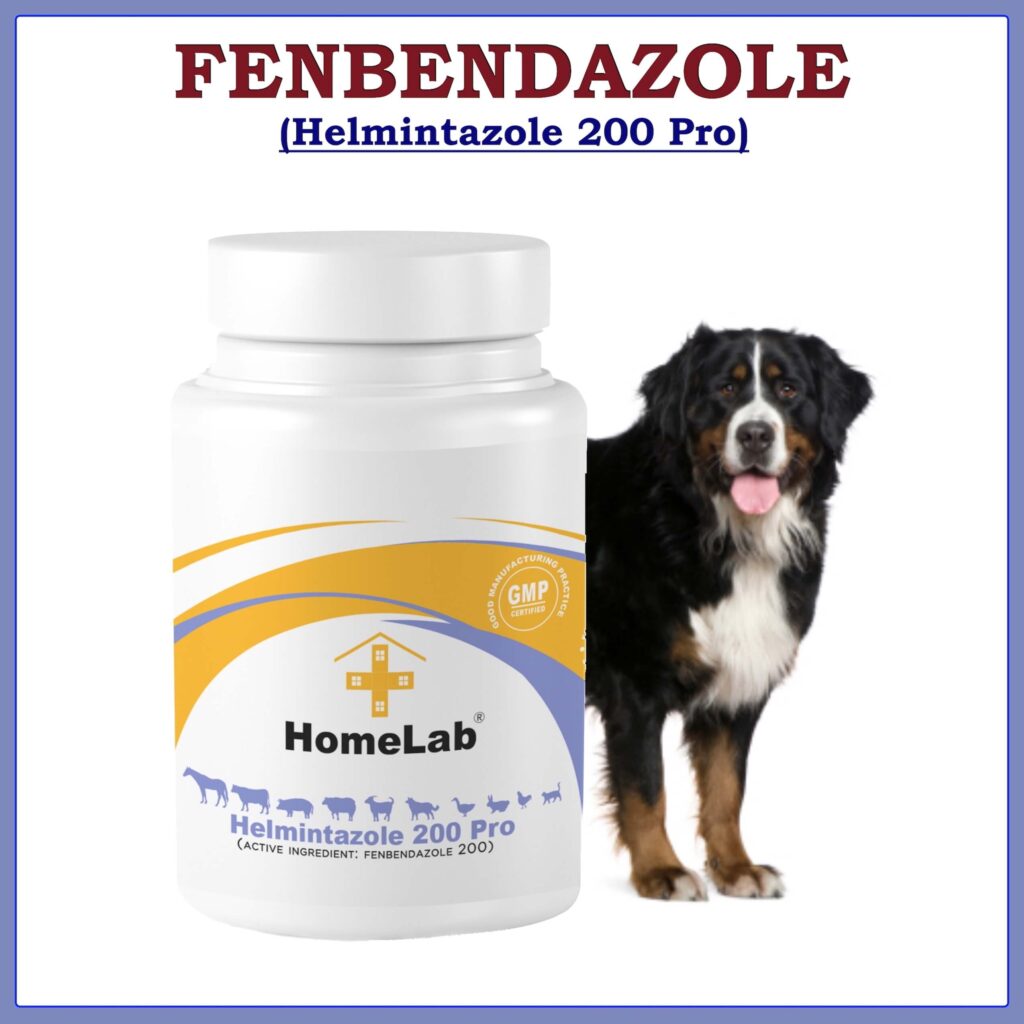
If the reason is parasites or worms, you should buy a dewormer such as Helmintazole or Panacur with active ingredient Fenbendazole, also you can buy a Tylosin or Tyclosin – this treatment is very good for chicken treatment.
Deworming (sometimes known as worming, drenching, or “dehelmintization”) is the giving of an anthelmintic drug (a wormer, dewormer, or drench) to a human or animal to rid them of helminths parasites, such as roundworm, flukes, and tapeworm. Purge dewormers for use in livestock can be formulated as a feed supplement that is eaten, a paste or gel that is deposited at the back of the animal’s mouth, a liquid drench given orally, an injectable, or as a pour-on which can be applied to the animal’s top line. In dogs and cats, purge dewormers come in many forms including a granular form to be added to food, pill form, chew tablets, and liquid suspensions.
Horses are most often dewormed with a paste or gel placed on the back of the animal’s mouth via a dosing syringe; feed dewormers are also used, both single-dose varieties and in a daily, “continuous” feed form. Deworming (drenching) a sheep is usually done with a specific drenching gun that squirts an anthelmintic into the sheep’s throat.
The Centers for Disease Control and Prevention recommends deworming treatments at 2, 4, 6, and 8 weeks of age for puppies, as well as concurrent treatments given to the mother to eliminate reactivated larvae and prevent horizontal transmission from puppies that may be shedding roundworm and hookworm eggs.[
They also recommend deworming treatments at 3, 5, 7, and 9 weeks of age for kittens and the mother.
Additionally, the Companion Animal Parasite Council (CAPC) further recommends quarterly treatments for all adult dogs and cats, depending on animal health and lifestyle factors.
When choosing a dewormer for dogs, you need to know what type of worms your dog has. You can purchase a dewormer for specific types of worms, or you can choose a broad-spectrum product. Dewormers for dogs come in several forms including tablets, granules, powders, and liquids, so talk to your veterinarian about the option that is best for your dog. Once you know what kind of dewormer you need, take a look at our top picks for the best dewormer for dogs. Best dog dewormer overall: Helmintazole 200, Helmintazole 222, and Helmintazole 500 PRO it is the same dewormer as Panacur C or Safe Guard with the same main ingredient Fenbendazole.
We love our pets. But sometimes they make us sick – literally. In fact, all sorts of animals – including dogs, cats, and farm animals – can spread illness to humans. Some so-called “zoonoses” are mild, but some can be serious or even fatal.
Here’s the dirt on 10 diseases animals can give you, based on information provided by the Centers for Disease Control and Prevention.
Catch scratch disease
A bacterial infection, cat scratch disease – a.k.a. cat scratch fever – can spread to humans via the bite or scratch of an infected feline. Most people with CSD develop a mild infection, though some get swollen lymph nodes, fever, and fatigue. The illness can be particularly severe for people with reduced immunity.
About 40% of cats carry the disease-causing bacterium B. henselae at some point. But be careful, as your cat probably won’t show signs of infection.
Psittacosis
People get psittacosis by breathing in dust from dried droppings of infected birds, so bird owners and pet store workers are at special risk. Though it’s commonly called parrot fever, psittacosis can also be spread by pigeons, ducks, turkeys, and other birds. The illness typically lasts one to three weeks, with symptoms including fever, chills, diarrhea, and dry cough. Not to worry, antibiotics can cure man and bird alike.
Brucellosis
Blood test and blood/tissue cultures. CT scan or MRI. Ultrasound. Lumbar puncture. Joint aspiration. Electrocardiogram.
Brucellosis strikes people and dogs as well as farm animals. It’ typically transmitted by drinking the milk of a contaminated cow or goat, although it’s also possible to get brucellosis if a cut on your skin comes into contact with an animal’s blood or saliva. The resulting illness causes pain and flu-like symptoms and is treated with antibiotics.
Tuberculosis
Tuberculosis is an infection caused by bacteria. infected person
Humans can get TB from deer, cattle, and other animals – even elephants. In 2009, eight employees at an elephant sanctuary in Tennessee came down with TB – possibly after coming into contact with elephant waste or even germy elephant sneezes. TB symptoms include chest pain, cough, fever, and fatigue.
Cryptosporidiosis
Also known as crypto, cryptosporidiosis can spread to humans who have contact with the poop of an infected dog, cat, or farm animal. The parasitic disease can cause fever, nausea, abdominal cramps, vomiting, and diarrhea. Crypto generally goes away without treatment, unless the person’s immune system is compromised. Then it can be deadly.
Mad cow disease
Mad cow is the familiar name for bovine spongiform encephalopathy (BSE), a deadly neurological disorder caused by virus-like infectious agents known as prions. Cows can get mad cow by eating feed made from the bodies of infected cattle, and humans get a mad cow variant by eating contaminated beef. The human variant progresses rapidly, destroying brain cells, causing dementia, memory loss, hallucinations, personality changes, seizures, and ultimately death.
Hookworm
Hookworm is a parasite that lives in the small intestines of infected dogs and cats. The animal hosts excrete hookworm eggs, and humans become infected after having contact with worm-containing soil (maybe something to think about before rolling around in the back yard with your favorite pooch). If the hookworm enters through the skin, a person can get painful itchy infections. If the worms are ingested, intestinal bleeding, inflammation, and abdominal pains are possible. The illness can be cured with anthelmintic (antiparasite) drugs.
Rabies
Rabies is, of course, the most notorious of all zoonotic diseases. It’s spread by a virus that is commonly found in raccoons, skunks, bats, and foxes. The disease can be spread by contact with saliva from an infected animal, whether from a wild animal or a pet dog that has had a brush with one. Rabies starts with flu-like symptoms. Without treatment, it leads to agitation, delirium, hallucinations, and partial paralysis. Worldwide, the disease causes 55,000 deaths a year. The rabies vaccine used to require painful shots to the abdomen, but the modern vaccine involves only three to five shots in the shoulder.
Toxoplasmosis
Humans contract toxoplasmosis when they come into contact with the feces of a cat infected with the Toxoplasma parasite. Though often mild, the disease can cause severe flu-like symptoms in children and in those with weakened immune systems. Since toxoplasmosis can affect fetal health, doctors say pregnant women should be especially careful around cats – and give up cleaning litter boxes.
Escherichia coli O157:H7
E. coli is the scientific name of a bacterium that causes a potentially serious illness marked by severe diarrhea, fever, cramps, nausea, and vomiting. People commonly get the disease by eating contaminated meat, but coming into contact with cow manure can also cause infection. Cooking meat thoroughly helps. So does washing your hands (or a child’s) after a trip to a ranch or petting zoo.
Also, there are a lot of diseases that you can treat with the active ingredient – fenbendazole, this drug is rather universal treatment for many diseases, you can buy this drug as Fenbendazole or Helmintazole (active ingredient – fenbendazole) on Homelabvet.com.
The first rule is the vaccination of dogs vaccination exceptionally healthy pets. It is for this reason that vaccinations are carried out after a thorough examination of the animal. As a general rule, depending on the type and manufacturer of the vaccine, the doctor makes individual programming of preventive vaccines. For example, dogs are grafted parainfluenza and plague, hepatitis and viral enteritis, rabies, and leptospirosis. Dog residence is not decisive in vaccination. This is due to the high resistance of the virus to various conditions. Even a pet that does not appear on the street can easily become infected with any brought by the owner on the outer clothing or shoe infection.
The second rule vaccination of dogs is a special preparation of the animal, including obligatory-worming and treatment of wool and ticks. Limit all contact with outsiders pets and other animals. This training is carried out for a couple of weeks before vaccination.
The third rule for vaccinating dogs is to hold two or three months before the proposed pairing. Otherwise, the possibility of lower descent is great.
Vaccination of puppies
The vaccination schedule for puppies involves the first vaccination when the animal is 8 to 9 weeks old. repeated revaccination is performed at the age of 12 weeks. Before this period, it is not recommended to perform the procedure, since the development of immunity the baby is hampered by the high content of antibodies in their blood that received colostrum mother in the early days of their life.
The degree of antibodies in the blood of puppies is gradually decreasing and can be prone to infections when they become 6 to 12 weeks old. Because pathogens comprising vaccines are not as aggressive as natural forms, the immune response to the vaccine in the puppy may only be formed at a level lower antibodies, ie, at a later date: 8 to 12 weeks.
strong immune protection against infection develops only 1-2 weeks after vaccination. It is important to remember that during this period the puppy’s body weakens and even more susceptible to natural infection. For vaccines that need to be reintroduced, with the initial vaccination, the final immunity to infection after 14 days has passed since the REVACCINATION, takes place two weeks after the re-introduction of the vaccine.
In the future, in order to maintain immunity, vaccination is carried out once a year. Vaccination of dogs against rabies is performed, starting at age 12 weeks, inoculation is performed once, and then annual revaccination is made.
All dog owners should know that it is not a puppy in life, the so-called immune gap is the period of time immunity from the mother transmits with colostrum is no longer protected, and the vaccine has not been formed. At this time, especially careful to protect the puppy from possible infection. It is not necessary to allow contact with the puppies with the alleged sources of infection also must ensure that the pet does not have fatigue, hypothermia, and stress.
Special attention should be paid to a diet full, balanced contains vitamins and minerals. After vaccination, at least for 10 days, do not allow the puppy to exercise for long periods of time to avoid overcooling or overheating, exclude long and tedious journeys, and not in contact with other dogs. After the animal was vaccinated, you need to look for a couple of days. If there are any complications, you should contact your veterinarian.
You can find some vaccination and other veterinary drugs athomelabvet.com.
– a drug having antiparasitic activity against a large number of helminths. Disastrously it affects adult forms and larval stages, which has the broadest spectrum of action among anthelmintic agents and is effective against most nematodes, tapeworms, and flukes.
Albendazole based drugs are used not only to treat people but also actively used in veterinary medicine. Used to treat such diseases in animals and birds as diktiokaulez, nematodirosis, bunostomosis, co-operiosis, ascariasis, and others.
Diseases caused by parasitic worms (helminths) people are known since antiquity. At present highly effective anthelmintic preparations are synthesized. Its function is low toxicity. Many of these drugs have a very important property – the versatility of action, ie act immediately in several parasites. One of the most interesting and effective anthelmintic drugs is
Albendazole belongs to the group of benzimidazole carbamate. Of this group of compounds, a well – known as mebendazole, also known as drug Vermox (vormin), it was synthesized. But nevertheless, Albendazole significantly exceeds mebendazole in both the efficiency and amplitude spectrum.
Albendazole is effective against most intestinal nematodes and (larval forms) cestodiasis larvae. Perhaps, for today there is an antiparasitic drug broad spectrum of action.
Mechanism of action.
Albendazole, other carbamate benzimidazoles, disrupts the function of the microtubules apparatus of the cell, causing damage to the protein tubulin. The consequence of this is the biochemical disorders in the cell – the suppression of glucose transport and fumarate reductase, underlying the suppression of cell division in the metaphase stage and which is associated with the oppression of oviposition and development of helminth larvae.
Albendazole is characterized by low absolute absorption. When absorbed, it becomes albendazole sulfoxide, which is present in plasma and tissues in high concentrations. It is this compound that ensures the high efficiency of the drug.
Albendazole tolerability was studied in experimental animals. It was found that the drug in doses of 25 mg/kg body weight and above inhibits leucopoiesis causing embryotoxic and teratogenic activity undisturbed postnatally. The reproductive capacity of males is not disturbed, nor are morphological changes in the testes. No toxic effects were found in Albendazole in other organs and systems. However, with prolonged use of high doses of the drug developed fatty degeneration of hepatocytes. It was found that the drug is not mutagenic. Based on the experimental data, the possibility of developing allergic reactions in animals with prolonged use of high doses of Albendazole is established. Accumulation occurs moderately. Albendazole is continuously absorbed (9.4 hours). The retention time of the drug in the body is 17.3 hours.
In the experiment, the efficacy of Albendazole was established for most intestinal nematodes and cestodes tissue and tissue. Therapeutic doses of the drug were much lower than toxic doses. This allowed us to recommend for practical use. Numerous clinical trials have confirmed high efficacy and good tolerability of Albendazole.
Remember that before the appointment of Albendazole, as well as any other anthelmintic preparation, you should carefully clean the room, washing children ‘s toys before going to bed and after a shower, and change your underwear. The bedding is recommended for treatment days and a few days after taking the medication iron with a hot iron.
Treatment of intestinal nematodes
Intestinal nematodes are represented by a large group of helminths, excretion of which has its own peculiarities, due to the peculiarities of the biology of parasites and the development cycle. Consider the most common of them.
Ascaridosis.
Pathogen – round Ascaris lumbricoides helminth parasites in the small intestine of a person. The difficulties in treating this helminthiasis are due to the fact that the parasite is cycled rather complex development in the human body, including the migration of helminth larvae throughout the body. Most drugs used to treat ascariasis are effective only in relation to intestinal helminths at this stage. Albendazole is effective against all stages of parasite development. Albendazole is prescribed at a dose of 400 mg per day once or in two divided doses. Special training and diet are required. Efficiency is 95-100%.
Trichocephalosis (withers head).
Pathogen Trichocephalus round Trichiurus is a helminth parasite in the human large intestine mainly in the region of the blind. Albendazole – the most effective treatment drug trichocephalosis. The medicine is prescribed at a dose of 400 mg per day, once after eating. Special training and diet is required. Efficiency reaches 90%. In rare cases, the second course of treatment is required.
Enterobiasis (pinworm).
Pathogen – a parasite Enterobius vermicularis round. Parasitize a person in the lower portions of the thin and upper parts of the large intestine. Albendazole is an excellent drug for the treatment of roundworms. It is enough to prescribe the drug at a dose/kg body weight 5 mg once. Without training, no diet is not required. After 14 days, the course of treatment must be repeated at the same dose and in the same regime. Efficiency is 100%.
Strongyloidiasis.
Pathogen – round Strongiloides Stercorarius helminth parasites in the small intestine of humans. The disease is common in regions with a warm and humid climate but also occurs in the middle lane, for example. Infection occurs when communicating with the ground: when working in the garden, walking barefoot on the floor, on the beach. In the body, the larvae migrate through the blood and lymph vessels, then sit on top of the small intestine and grow into adult individuals. helminths adults lay eggs, which hatch larvae in the intestine. These larvae can migrate throughout the body, causing a variety of allergic symptoms. If the patient is severely impaired immunity, Strongylid migration can take a long time, the number of migration increases larvae. All this can cause serious violations of many organs and systems. Strongyloidiasis is particularly severe in patients with AIDS, as well as people taking immunosuppressant long. In these cases, from the common strongyloidiasis, lethal outcomes are possible. The treatment of strongyloidiasis is a difficult task. With the arrival of Albendazole, the situation has changed. Drug efficacy for the treatment of intestinal strongyloidiasis. Efficacy is 91 -100%
Preparation and diet for the appointment of Albendazole is not necessary. The medicine is prescribed at a dose of 10 mg/kg body weight once per three days. After a week, we recommend repeating the treatment cycle at the same doses.
Ankylostomidosis (twisted head).
The agents of this disease are round helminths duodenale and Necator americanus Ancylostoma. Helminths parasitize on the part duodenum and upper small intestine. Infection occurs through the skin, less frequently through the mouth with the ingestion of larvae. In these invasions, iron deficiency anemia develops. Albendazole is highly effective in treating ancylostomiasis. Doses of the drug are the same as in the treatment of strongyloidiasis. With a one – day treatment, the efficiency is 85%, and an increase in the course of 2-3 days, increases.
Treating tissue nematodes
Trichinosis.
Trichinosis is known since ancient times and is one of the most severe human helminths. Infection occurs when meat infected with Trichinella, more often eat pork, but cases of infection bear, badger meat are not uncommon. When larvae fall digested meat in the stomach, then with food into the small intestine, where they grow to adults, from which larvae appear. The larvae migrate to all organs but eventually settle in striated muscle, which curls into a spiral, wearing a capsule, in which calcium salts are deposited. Such larvae remain in the muscles for many years.
During the migration period, the larvae grow, change their shell several times (muda). Trichinella migration is very allergic. With the massive invasion serious lungs, heart, brain, immune nature to develop. With the intensive invasion and the lack of timely treatment, the disease often ends lethally. Larvae are extremely resistant to high temperatures, so the conventional cooking methods do not cause death in Trichinella.
While the parasite is in the small intestine (intestinal phase), virtually no drug antinematodic are effective. However, in-migration phases and muscle, most drugs are less effective or totally ineffective.
Albendazole is effective against all stages of Trichinella. There is no standard treatment for trichinosis regimes. The treatment is carried out individually, taking into account the time of the invasion, clinical manifestations, and severity of the patient’s condition.
Albendazole is prescribed at a dose of 10 mg/kg body weight per day (average dose of 800 mg per day) in 2 doses for 7-10 days. In case of severe invasion and organ damage (myocarditis, pneumonitis, meningoencephalitis), glucocorticoids and symptomatic agents are also prescribed. Treatment efficiency is evaluated by the clinical, laboratory, and instrumental indicators (temperature normalization, cessation of muscle pain, the disappearance of edema, normalization of the electrocardiogram, the disappearance of physical and radiological signs of pulmonary disease, regression neurological symptoms, decreased blood eosinophilia, etc.)
Toxocariasis.
This is one of the most surprising and difficult to diagnose helminth infections in animals. Pathogen – Toxocara canis, a parasite of dogs. Infection of a person occurs from dogs through the mouth when eggs Toxocara contact soil particles contaminated with feces of infected dogs Toxocara. For toxocary people are random (atypical) hosts. In humans, helminth parasites only in the larval stage, settling in the tissues of many organs, where migration refreshed periodically for many years. Toxocariasis is most common in children aged 1.5-4 years. Adults get sick much less often. Risk groups are workers veterinarians, dog breeders, excavators, and community service workers who have frequent contact with the ground. Toxocariasis occurs with severe allergy symptoms, obstructive syndrome develops, it is possible to form bronchial asthma, often the defeat of other organs.
Toxocarosal treatment is poorly developed. Greater efficiency was obtained with the use of albendazole. There are no standard treatment regimens for individual toxocariasis. Albendazole is prescribed at a dose of 10 mg/kg body weight per day in two divided doses for 10 days. One month – as a rule, repeated cycles of treatment with an interval of 2 weeks are required. Adverse reactions are rare, manifested by disorders of mild disability. An increase in the level of transaminases is extremely rare. During treatment, control peripheral blood (once every 5-7 days) and simultaneously minotransferases necessary.
Treatment tissue cestodes
echinococcosis Gadatidosis
The causative agent is the larval stage of Echinococcus granulosus tapeworm. Parasitically sexually mature in the intestines of dogs, dogs more often. Infection of a person occurs through the mouth when in contact with the dog as parasite eggs contact the contaminated soil particles with dog feces. In the stomach of eggs, larvae hatch, which migrate through the liver mesenteric vessels where most larvae settle. Here they grow, becoming a cyst. The larvae can enter the lungs, less often in other organs, and become a cyst. Tapeworm treatment is usually quick. Chemotherapy is carried out in cases of rupture of cysts and colonization of the body, in the postoperative period, when there is a risk of seeding if the integrity of the cyst is compromised during the surgery, and in cases of multiple lesions with small cysts (no more than 3-5 cm). Treatment is recommended against relapse after surgery when it is not possible to exclude the presence of other location’s tiny parasite size. Large cysts can not be treated because of inefficiency and the possibility of complications due to the disruption of the integrity of the cyst under the influence of drugs.
Albendazole – the most effective for the treatment of drug hydatid echinococcosis. Before the appointment of the drug requires clinical blood analysis, a biochemical examination of blood (liver-kidney complex). The treatment is carried out at normal laboratory parameters.
Albendazole is prescribed at a dose of 10 mg/kg body weight in 2 to 3 doses after a meal. The duration of the treatment cycle is 4 weeks. During treatment, blood and aminotransferases are examined every 5-7 days. With a decrease in white blood cells below 3.0 x 10⁹ / L and an increase of 5-6 times the level of aminotransferase, it is necessary to suspend treatment until normalization or significant improvement in the indexes. In cases of progressive and hyprefermentemia leucopenia, drug withdrawal is required. The appointment of hepatoprotectives during treatment and in cases of toxic manifestations is ineffective, it is necessary to cancel the drug. Tapeworm treatment of various currencies. Albendazole designate courses at intervals of 2 weeks-one months.
Treatment efficacy was assessed by monitoring and surveillance dynamics title instrumental specific antibodies. With specific instructions correctly for prescription drugs and observation of dose and regimen of the treatment course, recovery is observed.
equinococosis alveolar
– serious, difficult to diagnose helminthiasis. It belongs to the group of natural focal diseases. Pathogen – Echinococcus multilocularis tapeworm larvae. helmintharasitizes sexually mature in the small intestine of dogs – dogs, foxes, wolves, etc. Infection occurs when dogs are taken care of , skins are treated when unwashed berries and wild herbs growing contaminated with feces from wild animals invaded enter their mouths. In humans, the parasite is always located in the liver, growing infiltrative, germinating in the tissues of the body vessels, bile ducts, can metastasize to other organs. Treatment of alveolar echinococcosis is operating. Chemotherapy is an additional resource. The most effective medicine for this is helminthiasis
Albendazole. The drug inhibits the growth of the pathogen without causing complete death. Doses of albendazole and its mode of administration are the same as for hydatid echinococcosis. The duration of the treatment course is determined by the patient’s condition and tolerability of the drug. Full recovery when used the only Albendazole does not occur.
cysticercosis
The causative agent is Cysticercus celluloses, the larval stage of the parasite tape pigtail. Infection occurs through the use of meat pig helminths invaded. An adult parasite develops from larvae tape in the human small intestine. In the segments of the helminth eggs there (oncospheres), which in some cases directly into the intestine develop into larvae. These larvae through the vessels carry various organs. Cysticercosis develops. Especially dangerous is the entrance of larvae in the brain and eyes. In this case, cysticercosis of the brain or ocular cysticercosis develops. Treatment of this helminth is difficult. Most antiparasitic agents are ineffective in cysticercosis. The greatest effect when set using albendazole. Albendazole is prescribed at a dose of 15 mg/kg in three divided doses after meals. Course duration is 28-30 days. 2 days before taking the drug and in the first week (sometimes more), glucocorticosteroids (40-50 mg of prednisolone) are prescribed. Before treatment, for drug and end of the same control as in the treatment of echinococcosis.
In ocular cysticercosis, deworming is contraindicated because of the possibility of serious complications (retinal detachment) and the development of blindness.
Treatment efficacy of cysticercosis brain is controlled by the clinical parameters and results of X-ray CT of the brain and nuclear magnetic resonance. With effective treatment, foci disappear and / or calcified. It is often necessary to carry out repeated cycles of treatment. It must be remembered that even in cases of the good treatment effect of complete regression, no clinical symptoms may occur due to persistent structural changes in brain tissue formed.
Practice shows that Albendazole is a highly effective antiparasitic drug polyvalent action. Most existing helminthiases can be treated.
Here you can buy Albendazole powders and emulsions. Homelab has a large selection of different concentrations of the drug :